
August 2025

blog6

10 Essential Tips for First-Time Home Buyers

For many, buying your first home is a significant milestone, but navigating the real estate market can feel daunting. At Lowcountry Charmed, we specialize in simplifying the process for first-time home buyers. As a proud member of Multiple Listing Services in the Charleston Trident area, Greater Greenville area, and Coastal Carolina Myrtle Beach area, we have extensive local knowledge and access to a wide range of properties. In this guide, we’ll cover the essential steps to buying your first home to help you find your dream property confidently. Steps to Buying Your First Home   1. Define Your Budget Our first step in buying a home is understanding what you can afford. To begin, calculate your budget by considering your income, savings, and potential mortgage options. Our experts at Lowcountry Charmed can help you analyze your financial readiness. 2. Get Pre-Approved for a Mortgage Being pre-approved for a mortgage gives you a clear idea of your buying power. With the aid of Lowcountry Charmed and our associate mortgage partners, we’ll guide you through the pre-approval process and help you find the best mortgage rates available. 3. Research Neighborhoods When choosing a neighborhood, consider factors like school districts, amenities, and commute times. Visual aids, such as neighborhood maps or virtual tours, can help provide a clearer picture. 4. Find a Reliable Real Estate Agent Partnering with a knowledgeable real estate agent is crucial. They can provide insider knowledge on local market trends and negotiate on your behalf. Our Agents at Lowcountry Charmed have a proven track record with years of experience 5. Start House Hunting Start your search on the internet to help narrow down your options and adjust your criteria. Ask your Agent to show you homes that appear to meet your needs and take notes and photos during your viewing to help you remember each property’s strengths and weaknesses. Ready to start your journey to homeownership? Book a Roadmap Call with Lowcountry Charmed today to get personalized guidance and support. 6. Make an Offer and Negotiate After finding the right property, work with your real estate agent to create a competitive offer. They’ll handle negotiations with the seller to ensure the best terms for you. Our team at Lowcountry Charmed excels in securing favorable deals for our clients. 7. Conduct Home Inspections Once your offer is accepted, schedule a home inspection to uncover any potential issues with the property. In fact, visual aids such as inspection reports or videos can illustrate the inspection process and findings clearly. 8. Finalize Your Mortgage Your lender will have a list of dos and don’ts to help you through the mortgage process. Make sure to supply all requested documents in a timely manner to ensure everything goes smoothly. Your agent can help guide you along the way too. 9. Close the Deal On closing day, sign the necessary paperwork and transfer funds to complete the purchase. Your Attorney, Lender, and real estate agent will work together to make sure all the I’s are dotted and the T’s are crossed to ensure a successful closing. 10. Move into Your New Home Congratulations, you’re now a homeowner! Celebrate your achievement and start settling into your new space. For ongoing support with homeownership, remember to schedule regular check-ins with our team at Lowcountry Charmed. Additional Tips Stay Flexible: Be prepared to compromise on certain aspects to find a home that meets most of your needs. Plan for Additional Costs: Moreover, remember to plan for additional costs like property taxes and insurance. Attend Open Houses: Attend as many open houses as possible to get a feel for different properties and neighborhoods. Stay Organized: Keep all documents related to your home sale in one place for easy access during negotiations and closing. Conclusion With the right guidance and expertise from Lowcountry Charmed, you can navigate the real estate market confidently. Remember, our goal is to simplify the buying process and help you achieve your dream of homeownership. Ready to take the next step towards owning your dream home? Book a Roadmap Call now and let us guide you through every step of the process.

10 Essential Tips for First-Time Home Buyers Read More »

blog7

Transform Your Home in 2025: Must-Have Design Features for Every Room

As we step into 2025, home design trends are all about blending innovation, sustainability, and comfort. With fresh ideas and cutting-edge technology, it’s the perfect time to revitalize your space and create a home that is both functional and stylish. Transform your space with innovative design ideas for every room. Whether you’re looking to refresh your living room or revamp your kitchen, these tips will help you create a modern, stylish atmosphere. Whether you’re planning a full renovation or simply looking to refresh a few key areas, here are the must-have design features for every room in your home this year. 1. Sustainable Materials for a Greener Home Sustainability continues to be at the forefront of design in 2025. Homeowners are increasingly prioritizing eco-friendly materials that not only look beautiful but also reduce environmental impact. Bamboo and Cork Flooring: These renewable materials are durable, stylish, and sustainable, making them ideal for homes looking to reduce their carbon footprint. Recycled and Upcycled Furniture: From vintage pieces to modern furniture made from recycled materials, incorporating upcycled elements adds character to your home while promoting sustainability. Natural Stone and Wood Accents: Materials like reclaimed wood, stone, and marble are making a comeback, bringing warmth and texture into every room. 2. Smart Home Integration Technology has become an essential part of home décor, and 2025 will see even more seamless integrations between style and smart tech. From smart lighting to voice-controlled systems, these innovations make your home more efficient while elevating its design. Smart Lighting: Adjustable lighting that can be controlled through your phone or voice assistant offers both convenience and customization, allowing you to set the perfect ambiance for any occasion. Voice-Activated Devices: Think smart thermostats, refrigerators, and entertainment systems. These devices not only make life easier but also integrate into your home design with sleek, minimalistic finishes. Home Automation Systems: Centralized control of various devices—such as security systems, blinds, and lighting—ensures your home is both modern and functional. 3. Biophilic Design: Bringing the Outdoors In The biophilic design trend, which incorporates natural elements into indoor spaces, continues to dominate in 2025. It’s all about creating environments that connect you with nature, improving both your well-being and the aesthetic appeal of your home. Indoor Plants: From statement plants like large potted palms to smaller succulents on windowsills, indoor greenery adds life, color, and a sense of calm to any space. Natural Light: Maximizing natural light through larger windows, skylights, or open floor plans makes spaces feel more inviting and connects the indoors to the outdoors. Natural Materials: Stone countertops, wooden beams, and organic fabrics like linen and cotton add texture and warmth to your living areas, creating a more organic, serene atmosphere. 4. Open, Multi-Functional Spaces Gone are the days of compartmentalized rooms. Open floor plans that promote a sense of flow and flexibility are here to stay. In 2025, the focus is on creating spaces that can easily transition from one function to another. Flexible Layouts: Use movable furniture, such as modular sofas or lightweight tables, to create adaptable living spaces. These allow you to transform your space for different activities, whether you’re hosting guests or enjoying a quiet night in. Zoned Spaces: Even in an open plan, it’s important to define different areas for work, play, and rest. Incorporate rugs, plants, or furniture groupings to visually separate different zones without the need for walls. Multipurpose Furniture: Think coffee tables that double as desks or storage beds that maximize space. These pieces are perfect for creating functional living areas without sacrificing style. 5. Wellness-Centered Design In 2025, creating a healthy home environment is a top priority. Wellness-centered design features not only promote physical health but also mental well-being. Air Purification: With an increasing focus on air quality, home air purifiers and plants like snake plants or peace lilies help filter the air, ensuring a healthier living space. Ergonomic Furniture: As more people work from home, ergonomic office chairs and standing desks are becoming essential in maintaining comfort and preventing strain. Calming Colors and Textures: Soft, neutral tones such as sage green, muted blues, and earthy browns are ideal for creating a peaceful, restorative atmosphere. Pair these hues with plush textures like velvet or chenille for added comfort. 6. Artisanal and Handcrafted Details Handmade, artisanal items are making a major impact in 2025 home design, adding personality and uniqueness to spaces. Custom Art and Crafts: Incorporating one-of-a-kind artwork, ceramics, or handwoven textiles adds character and tells a story in your home. Handcrafted Furniture: Pieces made by local artisans or custom-designed furniture offer a personal touch, ensuring that your space feels special and reflective of your personality. Textured Wall Finishes: Plaster, exposed brick, or hand-painted wall art can add a tactile element to your space, making it feel more dynamic and inviting. 7. Bold Colors and Patterns 2025 brings a return of bold, expressive colors and patterns that reflect individuality and creativity. While neutral tones remain popular, homeowners are embracing vibrant accents and daring combinations to liven up their spaces. Rich Jewel Tones: Emerald greens, deep blues, and ruby reds are making a strong statement in living rooms, bedrooms, and kitchens. These colors evoke a sense of luxury and drama. Geometric and Abstract Patterns: From wallpapers to rugs, geometric patterns and bold abstract art bring visual interest and a modern edge to any room. Accent Walls: A feature wall in a striking color or pattern can add depth and personality to a room without overwhelming the space. 8. Luxury and Comfort Combined While minimalism is still popular, there’s a growing demand for spaces that offer both luxury and comfort in equal measure. Plush furniture, rich fabrics, and personalized details elevate the home while creating a welcoming, cozy atmosphere. Velvet and Silk Fabrics: Sofas, cushions, and curtains in luxe fabrics like velvet, silk, or chenille add a layer of opulence and warmth to your space. Custom Lighting: Statement light fixtures—whether chandeliers, pendant lights, or sculptural lamps—add a touch of glamor and transform the mood of a room. Personal Touches: Customized design elements, such as monogrammed throw pillows or a bespoke furniture piece, make a room feel uniquely yours.

Transform Your Home in 2025: Must-Have Design Features for Every Room Read More »

blog8

2025: Your Year to Live the Lowcountry Dream

2025 is your year to live the Lowcountry dream. Whether you’re looking to relocate to the Lowcountry or simply embrace the lifestyle, now is the perfect time to live the Lowcountry dream. The beautiful landscape, warm community, and laid-back way of life make it a perfect destination for those seeking a fresh start in the new year. It’s time to embrace new possibilities and make this your year to live your Lowcountry dream. If you’ve dreamed of waking up to the sound of ocean waves, wandering charming cobblestone streets, and savoring world-class Lowcountry cuisine, this is your moment. The Lowcountry isn’t just a place—it’s a lifestyle. And 2025 is your year to make it your own. Why the Lowcountry? Few places combine beauty, history, and hospitality like the Lowcountry. With its stunning beaches, vibrant communities, and rich cultural heritage, this region offers the perfect blend of relaxation and excitement. Whether you’re drawn to the serene marshlands, the lively Charleston nightlife, or the cozy small-town feel of surrounding areas, the Lowcountry has something for everyone. Start Your Lowcountry Adventure Living the Lowcountry dream begins with finding the right home or investment property. The real estate market here offers endless possibilities, from beachfront retreats to historic homes brimming with character. But navigating the options can be overwhelming without the right guidance. Let the Experts Help You That’s where the experienced team at Lowcountry Charmed comes in. With deep roots in the region and unmatched expertise, we’re here to make your dreams a reality. Our team specializes in helping you: Discover Your Ideal Property: Whether you’re a first-time buyer, a seasoned investor, or relocating to start a new chapter, we’ll help you find a home that aligns with your vision. Navigate the Buying Process: From securing financing to negotiating deals, we take the stress out of buying or investing in property. Maximize Your Investment: We’ll help you identify opportunities that not only meet your lifestyle goals but also serve as smart investments for the future. Make the Most of Lowcountry Living Once you’ve found your perfect property, it’s time to fully embrace the Lowcountry lifestyle. Here’s how to make 2025 unforgettable: Explore the OutdoorsSpend weekends kayaking through winding waterways, hiking scenic trails, or simply soaking up the sun on some of the region’s most beautiful beaches. Indulge in Culinary DelightsTreat yourself to the freshest seafood and Southern flavors. The Lowcountry is home to some of the most celebrated chefs and restaurants in the country. Connect with the CommunityAttend local festivals, join neighborhood gatherings, and experience the warmth and hospitality that make the Lowcountry so unique. Make 2025 Your Best Year Yet The Lowcountry dream is closer than you think. Whether you’re looking for a peaceful retreat, a thriving investment opportunity, or a forever home, 2025 is the year to make it happen. Get Started Today Don’t wait to turn your dreams into reality. Contact the experts at Lowcountry Charmed to begin your journey. With our personalized approach and deep knowledge of the region, we’ll ensure your transition to the Lowcountry is seamless and stress-free. Let’s make 2025 the year you live the Lowcountry dream, Book a FREE Consultation Now! Your dream home—and dream life—are waiting!

2025: Your Year to Live the Lowcountry Dream Read More »

blog9

Tax Preparation for Real Estate Buyers, Sellers and Investors: What You Need to Know

When buying or selling real estate, taxes are an inevitable part of the process. Whether you are purchasing your first home or selling an investment property, understanding the tax implications can save you money and prevent surprises come tax time. Proper tax preparation is crucial to ensuring that you maximize potential benefits, avoid mistakes, and stay compliant with the IRS. In this blog post, we will explore the key tax considerations for both real estate buyers and sellers and provide tips on how to prepare for tax season effectively. Why Tax Preparation is Important for Real Estate Buyers and Sellers   Real estate transactions are significant financial events, and the taxes associated with buying or selling a property can be complex. For buyers, taxes typically relate to property taxes, mortgage interest deductions, and the potential for tax credits. For sellers, taxes are often associated with capital gains, closing costs, and the potential for deductions like home improvements. Getting your tax preparation right helps ensure that you are: Minimizing Tax Liability: Knowing which deductions and credits you can claim can reduce the amount of taxes you owe. Avoiding Tax Mistakes: Real estate transactions often involve significant sums of money, and any errors can lead to costly penalties or missed opportunities for savings. Complying with IRS Rules: Misreporting income or failing to follow IRS rules can lead to audits and fines. Tax Considerations for Real Estate Buyers   1. Mortgage Interest Deduction If you are purchasing a home and taking out a mortgage, you may be able to deduct the interest paid on the loan. This is one of the most common tax benefits for homeowners. The deduction applies to interest on loans up to $750,000 (or $1 million if the loan was taken before December 15, 2017). For first-time buyers and those who have a mortgage, this can provide significant savings during tax season. 2. Property Tax Deduction Property taxes are generally deductible on your federal income tax return, but the total amount of property taxes you can deduct is limited by the SALT (State and Local Tax) deduction cap of $10,000 ($5,000 if married and filing separately). While the SALT deduction limit has restricted property tax deductions for some homeowners, it’s still important to track what you’ve paid for property taxes. 3. First-Time Homebuyer Credits Some states and local governments offer first-time homebuyer credits, which can directly reduce the amount of taxes you owe. These credits vary by location, so it’s crucial to research local tax programs or consult a tax professional to find out if you qualify. 4. Homebuyer Credits for Energy-Efficient Improvements If you purchase a home and make energy-efficient improvements (e.g., installing solar panels, energy-efficient windows, or upgrading insulation), you might qualify for a tax credit. These credits vary by year and location, but the federal government often provides incentives for homeowners who make eco-friendly upgrades. Tax Considerations for Real Estate Sellers   1. Capital Gains Tax on the Sale of a Home One of the biggest tax considerations for home sellers is the capital gains tax on the sale of their property. The IRS allows for a capital gains exclusion of up to $250,000 ($500,000 for married couples filing jointly) on the sale of a primary residence. To qualify for this exclusion, you must meet the following conditions: Ownership Test: You must have owned the home for at least two years. Use Test: You must have lived in the home for at least two of the last five years. If you sell your home and make a profit that exceeds the $250,000 (or $500,000) exclusion, the gain is subject to capital gains tax. The rate of taxation depends on how long you owned the property and your income level. If you held the property for more than a year, your gain will be taxed at long-term capital gains rates (usually between 0% and 20%, depending on your income). 2. Selling Investment Property If you are selling an investment property (a property that was not your primary residence), the tax implications are different. The profit from the sale is typically subject to both capital gains tax and the potential for depreciation recapture tax. Depreciation recapture means that you may owe taxes on any depreciation deductions you claimed during the ownership period of the property. It’s important to understand how depreciation and recapture tax apply to your investment property to avoid surprises when you sell. 3. 1031 Exchange: Deferring Capital Gains Taxes For real estate investors, one of the most valuable tax strategies is the 1031 exchange. This allows you to defer paying capital gains taxes on an investment property if you reinvest the proceeds into another like-kind property. The 1031 exchange can help you grow your real estate portfolio while avoiding immediate tax liabilities. However, there are specific rules and timelines that must be followed, such as identifying a replacement property within 45 days and closing within 180 days, and using a qualified intermediary to facilitate the transactions. 4. Home Improvement Deductions For sellers, any significant home improvements that were made before selling the property may qualify for deductions. These deductions can increase your adjusted cost basis, which reduces your taxable capital gain. Some of the improvements that can increase your cost basis include: • Renovations (e.g., kitchen or bathroom upgrades) • New roofing or siding • Additions like an extra room or deck • Landscaping or major landscaping upgrades • Be sure to keep records of all improvements made, as these can be deducted from the sale price to reduce taxable gain if applicable. How to Prepare for Tax Season When Buying or Selling Real Estate   1. Keep Detailed Records Whether you’re buying or selling a property, keep all related financial documents. These documents include: • Closing documents (HUD-1 or closing disclosure) • Mortgage statements and interest paid • Property tax records • Home improvement receipts and invoices • Proof of first-time homebuyer status (if applicable) 2. Consult a Tax Professional Real estate transactions

Tax Preparation for Real Estate Buyers, Sellers and Investors: What You Need to Know Read More »

blog5

Key Holder Service

For those who don’t require a full home watch service, we offer a convenient Key Holder Service. With this service, we securely keep and store a copy of our client’s key and security codes. Should access to the residence be necessary, we are available around the clock to provide it. Our services also extend to meeting and providing access to client-approved vendors, contractors, delivery companies, guests, and renters. In addition, we can be present during services or receive deliveries, inspect the home upon completion, and respond to security alarms at any time. Key Holder Services List Meet service vendors/contractors Assist renter/guest when locked out Monitor & report property maintenance while homeowner is away Respond to security alarm 24/7 Visit home after power outages and severe storms One-Time vacant property inspections

Key Holder Service Read More »

blog3

5 Simple Ways to Refresh Your Home Before You Leave

There’s nothing quite like the feeling of stepping into a clean, fresh home after being away. Discover the 5 Simple Ways to Refresh Your Home Before You Leave. Whether you’ve been on vacation, a business trip, or just out for the day, a well-prepped home welcomes you back with open arms and a sense of calm. To achieve this, a little effort before leaving can go a long way. Here are some quick and practical tips to give your home a fresh start every time you return. 1. Tidy Up Before You Head Out Clutter has a sneaky way of stealing peace. Take a few minutes to straighten up your living spaces. Put Away Items: Place remote controls, books, and other stray items back where they belong. Make the Bed: There’s nothing more inviting than coming home to a neatly made bed. Wipe Down Surfaces: A quick wipe of countertops and tables prevents dust buildup and leaves your home sparkling. By organizing your space, you’ll create a welcoming atmosphere that makes walking through the door a joy. 2. Take Out the Trash The last thing you want to greet you upon your return is an unpleasant odor. Empty all trash bins, especially in the kitchen and bathrooms. If your trash day is near, roll your bins to the curb before you leave. This small task ensures a fresh-smelling home and eliminates the risk of attracting pests while you’re away. 3. Run the Dishwasher A sink full of dirty dishes is a recipe for bad smells. Take a few moments to load the dishwasher and run it before heading out. Pro Tip: Add a splash of vinegar to the rinse cycle for an extra dose of freshness. If you don’t have a dishwasher, wash and dry dishes by hand and put them away. A clean kitchen is a happy kitchen! 4. Check Laundry and Linens Forgotten laundry can become musty in no time. Finish any loads of laundry and put away clean clothes. Swap out used towels for fresh ones, leaving your bathroom feeling spa-like when you return. Taking care of these small details creates a serene space that makes coming home even more enjoyable. 5. Add a Touch of Fragrance Enhance the welcoming vibe with a subtle, natural scent. Essential Oil Diffusers: Use lavender, lemon, or eucalyptus to keep your home smelling amazing. Fresh Flowers: Leave a vase of flowers or greenery as a cheerful greeting. Candles: Light a candle for a brief moment before leaving for a touch of luxury. These small steps elevate your space and make your return something to look forward to. Why It’s Worth the Effort Preparing your home before you leave isn’t just about aesthetics; it’s about creating a sanctuary. When you return to an environment that’s clean, fresh, and organized, it instantly helps you relax, recharge, and transition back into your routine. Your home is your haven. By giving it a little care before stepping out, you ensure it remains a place of comfort and joy—ready to welcome you back every time. Love these tips? Save this post on Pinterest to keep your home fresh and inviting, no matter how long you’re away!

5 Simple Ways to Refresh Your Home Before You Leave Read More »

blog2

Signs that Now is the Time to Sell Your Home

There are many reasons why it may be time to sell your home. You may need more space to make room for a growing family or you need to downsize after your kids leave the nest. Whatever your motivations, you want to make sure that you’re timing it right. If you sell when home prices are plummeting, you may end up losing on the deal. If you sell when home prices are highest, there may not be a lot of buyers looking to move. So how do you know when it’s a good time to sell? A qualified agent can help you determine if the market puts you in a good place or not. But for your own personal situation, here are the signs telling you that now is the time to sell your home. You’ve Outgrown Your Home Whether you are expecting another child, caring for an aging parent, or have taken in your adult children, when you’ve outgrown your home, it may be time to sell your home. Consider the permanency of the change. Will the kids be there for a long time? How long will you be able to care for your aging parent? Buying a bigger home is one of the main reasons why homeowners choose to sell. You Need to Make a Change Change is inevitable. Maybe you’re tired of shoveling snow and you want to live in a warmer climate. Maybe you have to move so you can go after your dream job or you want to be closer to family. When change entails moving, then a home sale becomes necessary. Home Prices are on the Rise This is one of the riskiest reasons to sell your home. Sure you may get more than you ever dreamed for your home when prices are on the rise, but that also means that you will pay more for another home. Perhaps your agent can help you find a steal in a new location where prices are more level. Then you will have made a huge profit and a smart move. You Need to Downsize Many homeowners are selling in order to downsize. The baby boomer generation is moving into their golden years. The kids are all out of the house and you just don’t need all that space anymore. Selling now could add a nice healthy sum to your nest egg as well. As long as you are smart about how much of that profit to spend on a new place, downsizing could be just the right move for you financially. You Can No Longer Afford Your Home Sadly, there are homeowners who just can no longer afford their homes. Whether it is due to divorce, illness, death, a skyrocketing mortgage payment, or the loss of a job, a change in your financial circumstances is a big red flashing sign that now is the time to sell your home. Waiting any longer could have catastrophic financial consequences. In any situation you find yourself in, an experienced agent is the key to helping you achieve your goals. Learn more about how to determine if now is the time to sell your home by contacting us today.  

Signs that Now is the Time to Sell Your Home Read More »

blog1

Remodeling Projects That Will Boost Your Home’s Value

There are two ways to think about remodeling projects that will boost your home’s value; you can get one or two major remodels done or opt for a bunch of small fixes. Depending on your budget and your timetable, one approach may be better for you than the other. For instance, if you have an unfinished basement, maybe your dream when you first moved into your home was to refinish it. It never happened. But now that you are thinking about selling your home, you feel that a prospective buyer would really appreciate a full finished basement. Is that the remodeling project that you should do before selling? On the other hand, you want to spend as little as possible to squeeze as much value out of your home. Maybe you would prefer to just spruce up the kitchen cabinets or repaint the house. Whichever camp you fall into here are some remodeling project ideas that usually add at least a few thousand dollars to the value of your home. Interior Improvements Depending on where you live, some remodeling projects bring in more dollars on resale than others. Here are some of the interior remodeling projects that can help boost your home’s value: Kitchen Upgrades: Potential buyers these days want spacious, modern kitchens. Simple upgrades like adding new appliances, granite countertops, or new cabinets can pull in the big bucks. Some big-ticket improvements that usually add value include: Adding an island Adding a breakfast nook Adding new ceramic flooring Adding accent lighting Removing Walls: The style right now is open concept kitchens and living rooms. If you have an older home, you could knock down a wall or two to really open up more interior space. If they’re load-bearing walls, removing them will usually push the price tag up. But non-load-bearing walls are easy to take out to add a pass-through window or a bigger entryway. Use a professional contractor to make sure the job is done right. Room Additions: Believe it or not, adding a new room to your home is not as expensive as you might think and can greatly increase your home’s value. Think about converting your attic into a spare room or building a new room addition onto your house. The added space increases the overall square footage of your property and will push your asking price up. Exterior Improvements They are often overlooked when making improvements to your home, but there are a number of exterior projects that can boost your home’s value. Here are just a few ideas for exterior improvements: Outdoor Living Space: Especially in warm weather climates, buyers want a home with comfortable outdoor living spaces. That could mean adding in a slate patio or a wooden deck. Make your outdoor living space an oasis by adding in path lights, pathways, plants, shrubs, and trees. Siding Upgrades: If you are making simple upgrades on the cheap just to spiff up your home exterior, a good paint job will do. To really boost your home’s value try adding new siding. If you replace portions of your siding with stone veneers, it will greatly improve curb appeal and your home’s value. Driveways/Garages: If you haven’t paved your driveway in a while, new paving is an excellent exterior improvement that makes a good impression as soon as buyers pull up to your home. Your garage doors and exterior also make a good or bad impression. Even if you do not make any changes to your garage, you should clean it out and organize its contents for resale. Replace broken windows and locks and give it a good paint job. A qualified agent with years of experience in the real estate market can help you determine the best improvements to make based on your particular market. When you’re ready to learn more, connect with us today. We’re happy to help!

Remodeling Projects That Will Boost Your Home’s Value Read More »

newsletter front photo (9)

Top Fireplace Designs to Warm Up Your Home

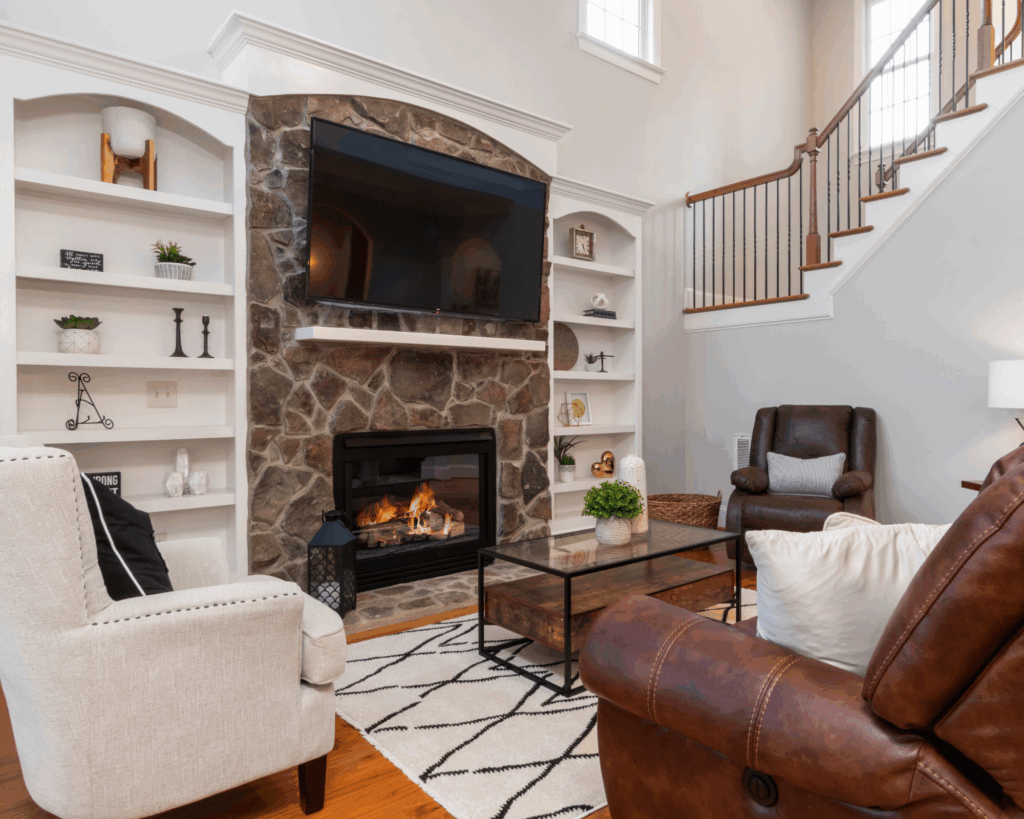
A fireplace is more than just a heat source—it creates a cozy focal point where stories are shared, guests are entertained, and winter evenings feel magical. Whether you live in a historic Charleston home or a modern Lowcountry retreat, the right fireplace design can add both warmth and timeless beauty. Here are some of the top fireplace styles trending right now: 1. Classic Brick Fireplaces Brick never goes out of style. It offers a sense of durability and tradition—perfect for historic homes or those aiming for a rustic, cozy vibe. Painted white brick creates a fresh coastal feel, while exposed red brick adds nostalgic charm. Best For: Colonial, cottage, and traditional Lowcountry homes. 2. Sleek Modern Fireplaces Minimalist designs with clean lines and neutral tones fit perfectly in contemporary spaces. Many modern styles feature large glass fronts for a full view of the flames—ideal for open-concept living rooms. Best For: New builds, loft apartments, and modern renovations. 3. Stone Fireplaces Natural stone instantly elevates a room, creating an earthy, luxurious atmosphere. From stacked slate to smooth marble, stone offers endless variety and durability. Best For: Farmhouse, mountain-inspired, and transitional interiors. 4. Double-Sided Fireplaces Why warm just one room? A double-sided fireplace serves as a stylish divider between spaces—like a living room and dining area—while spreading heat and ambiance to both. 5. Coastal Whitewashed Fireplaces In Charleston’s seaside-inspired homes, whitewashed wood or stone fireplaces blend effortlessly with airy interiors, creating a bright, beachy vibe. Best For: Coastal, cottage, and bohemian interiors. 6. Electric & Ethanol Fireplaces Perfect for smaller spaces or homes without chimneys, these eco-friendly options offer real flame effects without the hassle of wood or gas hookups. Best For: Apartments, condos, and minimalist designs. Styling Tips for Any Fireplace •    Mantel Magic: Display art, mirrors, or seasonal décor to make your fireplace a statement piece year-round.•    Layered Textures: Add cozy throws, a woven rug, to enhance warmth.•    Lighting Matters: Install sconces or string lights nearby for an inviting evening glow. Why Charleston Homes Love Fireplaces Even in the mild Lowcountry winters, fireplaces remain a beloved home feature—not just for warmth, but for the charm and character they add. Whether you lean toward historic elegance or modern minimalism, there’s a fireplace design to match your vision and lifestyle.  

Top Fireplace Designs to Warm Up Your Home Read More »

newsletter front photo (6)

How to Spot Red Flags When Viewing a Property

Buying a home is one of the biggest investments you’ll make in your lifetime. Whether you’re purchasing your first home, upgrading to a bigger space, or adding to your investment portfolio, it’s easy to get caught up in the excitement of a property that looks perfect on the surface. But remember—appearances can be deceiving. A smart buyer knows how to look beyond the fresh paint, staged furniture, and curb appeal to uncover potential issues that could cost thousands down the road. Here’s your guide to spotting red flags during a property viewing. 1. Structural Issues What to look for: •    Large cracks in walls or ceilings•    Sloping or uneven floors•    Doors or windows that don’t close properly Why it matters: Structural problems can be extremely expensive to fix and may indicate foundation issues.Tip: If you notice multiple cracks or uneven floors, request a professional structural inspection before making any commitments. 2. Signs of Water Damage What to look for: •    Stains on ceilings or walls•    Musty smells•    Warped or soft spots in floors Why it matters: Water damage can lead to mold growth, which can be harmful to your health and your wallet.Tip: Always check under sinks, in basements, and around windows for moisture or leaks. 3. Poor Maintenance What to look for: •    Overgrown landscaping•    Peeling paint or broken fixtures•    Dirty HVAC filters or neglected appliances Why it matters: A poorly maintained property may indicate the owner has neglected other critical repairs you can’t see right away.Tip: A home that hasn’t been well cared for could mean higher costs for you after purchase. 4. Strange Smells What to look for: •    Strong air fresheners or candles everywhere•    Persistent odors of mildew, pets, or smoke Why it matters: Overpowering scents could be an attempt to mask mold, water damage, or other long-term issues.Tip: Don’t be afraid to ask what’s causing an odor—and check behind furniture or under rugs for hidden damage. 5. Electrical Concerns What to look for: •    Flickering lights•    Outdated wiring (knob-and-tube, aluminum)•    Overloaded extension cords Why it matters: Faulty electrical systems are not only expensive to fix but also pose serious safety hazards.Tip: If you see outdated electrical components, have a licensed electrician inspect the property before moving forward. 6. Neighborhood Red Flags What to look for: •    Multiple “For Sale” signs on the same street•    Excessive noise from nearby businesses or traffic•    Poorly maintained neighboring properties Why it matters: Location impacts property value, resale potential, and quality of life.Tip: Visit the neighborhood at different times of day to get a true feel for the area. Spotting red flags doesn’t mean you should automatically walk away from a property—but it should make you proceed with caution. The key is to identify potential problems early so you can make an informed decision and negotiate repairs or a better price. Ready to Buy Smart? Don’t go into your next property viewing unprepared. Let our team guide you through every step, ensuring you spot hidden issues before they become expensive problems. Call us today at (843) 790-4522 Visit us at www.lowcountrycharmed.com Email: info@lowcountrycharmed.com

How to Spot Red Flags When Viewing a Property Read More »