
August 2025

Simple Upgrades That Make Rentals Feel Luxury

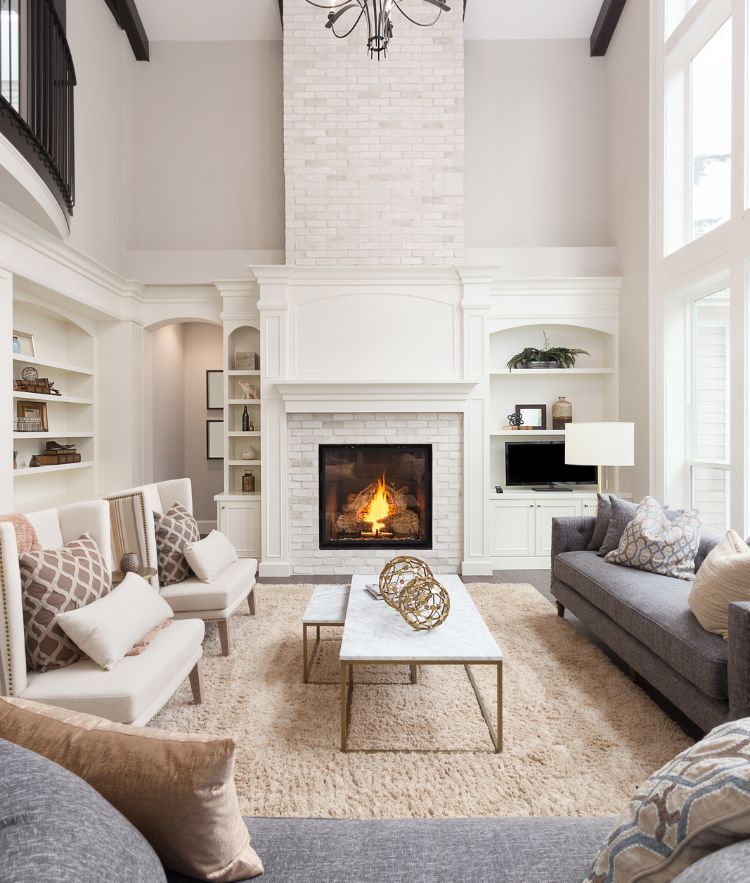
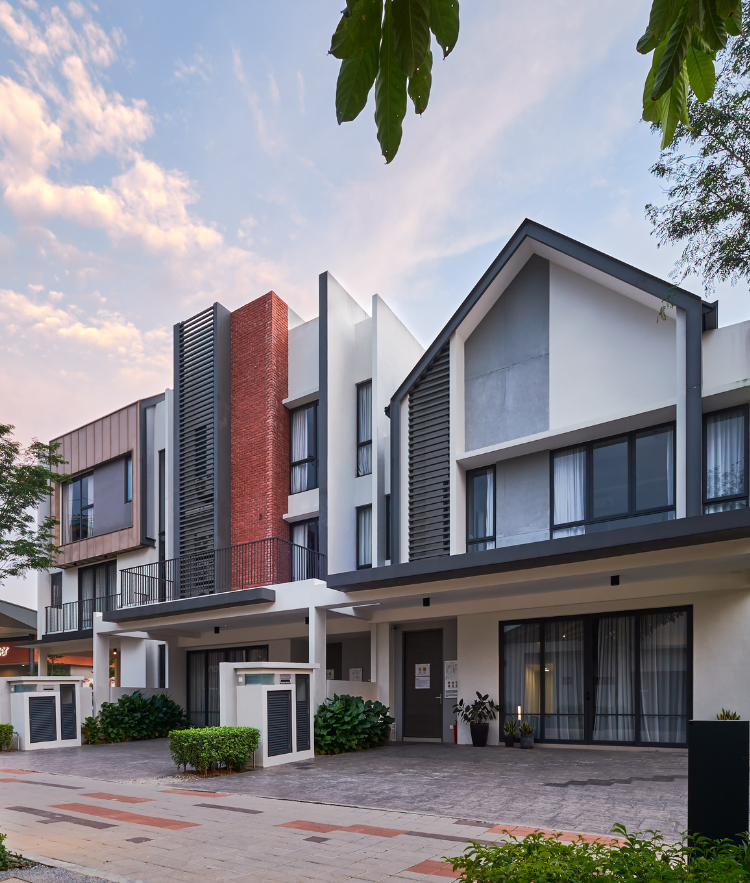
Luxury doesn’t always require a major renovation or a large budget. In many cases, small and thoughtful upgrades can transform an ordinary rental property into a space that feels modern, comfortable, and high-end. For landlords and property managers, these improvements can also increase tenant satisfaction, attract quality renters, and even justify higher rental rates. The key is focusing on upgrades that enhance comfort, style, and functionality without requiring a full remodel. Why Luxury Details Matter to Renters Today’s renters are looking for more than just a place to live—they want a space that feels welcoming and well-designed. Even subtle improvements can make a property stand out in a competitive rental market. Benefits of small luxury upgrades include: Creating a more modern and attractive living space Increasing the perceived value of the property Encouraging longer tenant stays and reducing turnover Making listings more appealing in photos and online searches When renters walk into a property that feels fresh and polished, it instantly leaves a positive impression. Simple Upgrades That Elevate a Rental Property Modern Lighting FixturesLighting can dramatically change the atmosphere of a home. Replacing outdated fixtures with modern pendant lights, sleek chandeliers, or stylish LED lighting can instantly give a property a more upscale feel. Updated Cabinet HardwareSwitching out old cabinet handles and drawer pulls for modern finishes such as brushed nickel, matte black, or gold can give kitchens and bathrooms an instant refresh at a minimal cost. Fresh Paint in Neutral ColorsA fresh coat of paint is one of the most affordable ways to upgrade a rental. Neutral tones such as warm whites, soft grays, or light beige create a clean, bright, and modern look that appeals to a wide range of tenants. Upgraded Bathroom FixturesReplacing outdated faucets, showerheads, and towel bars can make bathrooms feel more polished and spa-like. Small improvements in these spaces often have a big impact on renters’ impressions. Smart Home FeaturesAdding smart features like keyless entry locks, smart thermostats, or video doorbells can make a rental feel more modern and convenient. Many renters appreciate technology that enhances both comfort and security. Stylish BacksplashesA simple kitchen backsplash can dramatically improve the look of the space. Peel-and-stick tiles or classic subway tiles can add texture and sophistication without a major renovation. Improved Window TreatmentsReplacing old blinds with updated shades or curtains can help make rooms feel more refined while also improving privacy and light control. Creating a Premium Experience Without Overspending Luxury is often about attention to detail. Clean finishes, cohesive design, and well-maintained features can create a high-end atmosphere without requiring expensive upgrades. By focusing on strategic improvements, property owners can make their rentals feel more appealing, modern, and comfortable—qualities that today’s renters value most. Looking for a rental that feels comfortable, modern, and welcoming? 📞 Call us today: (843) 790-4522✉ Email: info@lowcountrycharmed.com🌐 Browse available homes and rentals: www.lowcountrycharmed.com Discover rental homes designed for comfort, style, and everyday living. Your next home might be just a call away.

Simple Upgrades That Make Rentals Feel Luxury Read More »
Climate Control Features Renters Appreciate

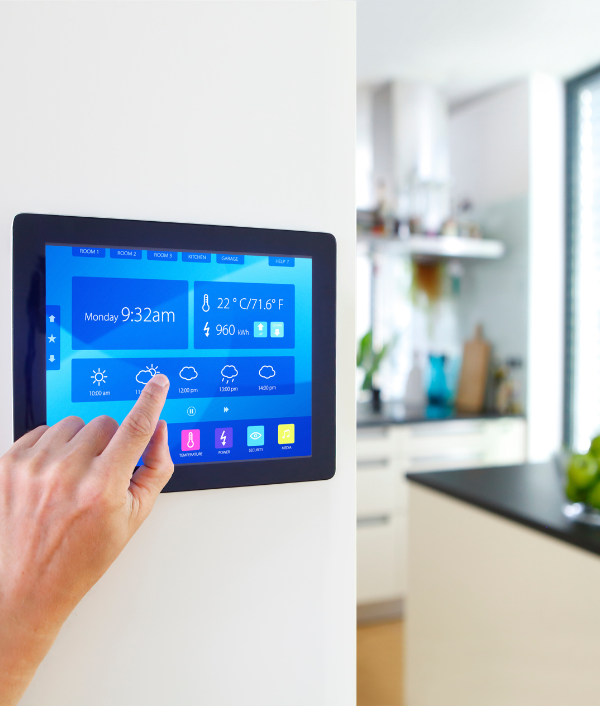
When searching for the perfect rental, many renters focus on location, size, or price—but one factor can make a property stand out above the rest: climate control features. Today’s tenants are increasingly looking for homes that offer comfort and convenience, regardless of the season. From energy-efficient systems to personalized controls, these features can significantly enhance a renter’s experience. Why Climate Control Matters Comfort is key to a positive living experience. A home that stays cool in the summer and warm in the winter isn’t just about luxury—it’s about health, productivity, and peace of mind. For example: Consistent indoor temperatures prevent discomfort and reduce stress. Air quality improvements through modern HVAC systems help protect against allergens and pollutants. Energy-efficient features can lower utility bills, which is especially attractive to budget-conscious renters. Top Climate Control Features Renters Look For Smart ThermostatsSmart thermostats are a major draw for renters who want to control the temperature from their smartphone or tablet. These devices not only offer convenience but also help tenants save on energy costs with automated settings. Zoned Heating and CoolingZoned systems allow different rooms to maintain different temperatures, giving tenants full control over comfort in their living spaces. This is particularly appealing in larger homes or apartments with multiple bedrooms. Central Air Conditioning and HeatingWhile some older rentals rely on window units or baseboard heaters, modern renters often expect central systems that provide consistent comfort throughout the home. Energy-Efficient Windows and InsulationProper insulation and high-quality windows help maintain indoor temperatures, reduce drafts, and lower energy costs. Renters are increasingly aware of the impact these features have on both comfort and bills. Humidifiers and DehumidifiersControlling humidity improves indoor air quality and prevents issues like mold or dust mites, which is a major plus for tenants with allergies or respiratory concerns. Ceiling Fans and Ventilation SystemsSimple but effective, ceiling fans and proper ventilation enhance air circulation and help maintain a pleasant indoor environment without over-relying on HVAC systems. Why Renters Value These Features Renters appreciate climate control features because they enhance daily life and reduce stress. A home that responds to their comfort needs without constant manual adjustments feels more like a true sanctuary. Additionally, these features signal a well-maintained, modern property, which builds trust and satisfaction. For landlords and property managers, highlighting these features in listings can make a property more competitive, reduce turnover, and attract quality tenants who are willing to pay for comfort and convenience. Looking for a rental that combines comfort, modern climate control, and convenience? 📞 Call us today at (843) 790-4522✉ Email: info@lowcountrycharmed.com🌐 Browse our available rentals: www.lowcountrycharmed.com Discover your ideal home—where every season feels just right.

Climate Control Features Renters Appreciate Read More »

Predicting Hot Markets From Migration Data

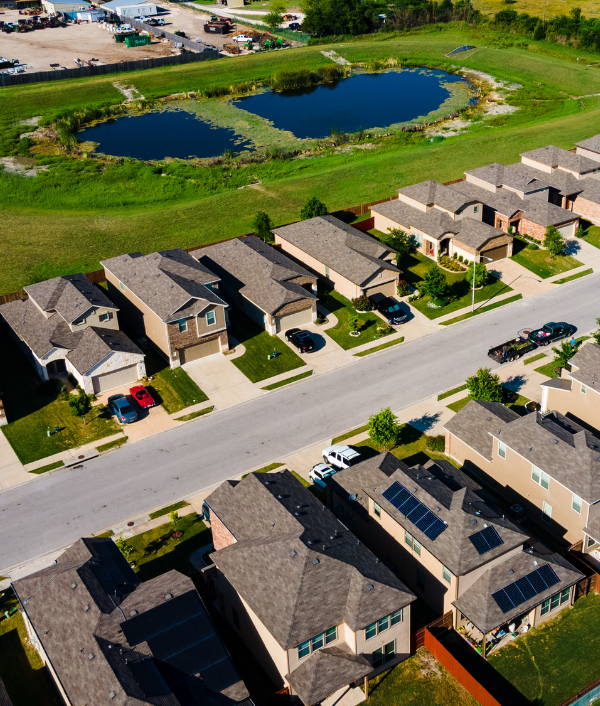
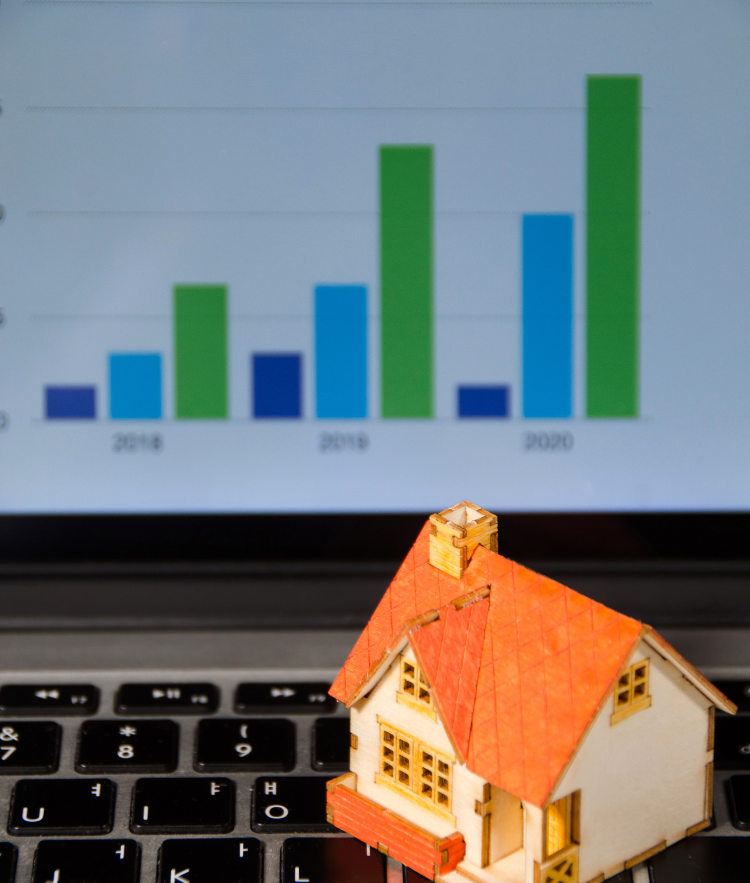
Over the past several years, the Lowcountry has experienced consistent population growth as people relocate from larger metropolitan areas across the country. Understanding where people are moving—and why—can provide valuable insight into future property values, rental demand, and investment opportunities. Migration patterns reveal how populations change over time. When more people move into a region than leave it, the area experiences net population growth, which often leads to increased housing demand. As demand rises, several things typically happen: Home prices begin to climb Rental demand increases New construction and development accelerate Local economies grow and attract additional residents For real estate investors and buyers, recognizing these patterns early can mean the difference between buying before a market boom or after prices have already surged. Key Drivers Behind Migration Trends Understanding what motivates people to move helps explain why certain areas become housing hotspots. Job Opportunities Strong job markets attract new residents. Cities with expanding industries, new corporate offices, or growing technology and healthcare sectors often experience population inflows. When employment opportunities increase, housing demand typically follows. Cost of Living Many people relocate from expensive metropolitan areas to more affordable cities where they can enjoy more space, lower housing costs, and an improved quality of life. Buyers who sell homes in high-priced markets often find they can purchase larger homes in growing regions for less money. Lifestyle and Climate Lifestyle preferences also play a significant role in migration patterns. Access to outdoor recreation, coastal living, warmer climates, and vibrant local communities can make certain destinations especially appealing. Remote Work Flexibility Remote work has dramatically reshaped migration patterns. Many professionals are no longer required to live near major corporate offices, allowing them to move to smaller cities, suburbs, or coastal communities that offer a better balance between work and lifestyle. Signs a Market May Be Heating Up Migration data often reveals early indicators of a growing housing market. Watch for these signals: Increasing population growth rates in specific regions Higher rental demand and decreasing vacancy rates New residential construction projects and development permits Expanding infrastructure and local business growth Rising home prices combined with strong sales activity When these factors appear together, they often signal that a market is gaining momentum. The Lowcountry provides a clear example of how migration patterns can influence housing demand. Over the past several years, the Charleston region has experienced consistent population growth as people relocate from larger metropolitan areas across the country. Many newcomers are arriving from states such as New York, New Jersey, California, and Illinois. These moves are often driven by a desire for a more relaxed lifestyle, coastal living, and a lower overall cost of living compared to major cities. Communities such as Charleston, North Charleston, and Summerville continue to attract buyers looking for strong job markets, growing infrastructure, and access to the coast. Suburban areas like Mount Pleasant and Goose Creek have also seen significant interest from families and remote workers seeking larger homes, newer developments, and convenient commuting options. Meanwhile, coastal communities such as Isle of Palms and Sullivan’s Island remain highly desirable for buyers searching for waterfront living, vacation homes, or luxury properties near the beach. As more people continue to relocate to the Charleston region, these communities are experiencing steady housing demand, rising property values, and continued residential development. Why Timing Matters for Investors and Buyers Entering a growing market early can provide significant advantages. Investors and buyers who recognize migration trends before they become widely discussed often benefit from: Lower purchase prices Strong appreciation potential Increased rental demand from incoming residents By the time a market is widely labeled as “hot,” many of the best opportunities may already be gone. Monitoring migration patterns can help buyers and investors make informed decisions about where the next wave of housing demand may occur. Population movement will continue to shape the future of housing markets. As economic conditions, lifestyle preferences, and work flexibility evolve, migration patterns remain one of the most reliable indicators of real estate growth. For buyers, renters, and investors, paying attention to these trends can reveal promising markets and guide smarter real estate decisions. Looking for opportunities in growing housing markets? 📞 Call us today: (843) 790-4522✉ Email: info@lowcountrycharmed.com🌐 Explore available homes and rentals: www.lowcountrycharmed.com Our team can help you understand market trends, identify emerging opportunities, and find the right property in today’s evolving real estate landscape.

Predicting Hot Markets From Migration Data Read More »

Outdoor Events that make Lowcountry Living Irresistible

In Charleston, outdoor living is more than a perk — it’s a way of life. From historic streets and coastal breezes to year-round events, residents thrive outdoors. For renters, outdoor spaces enhance lifestyle. For property owners, they increase rental appeal and long-term value. Here’s how seasonal events and local culture make outdoor amenities irresistible in Charleston. Early Spring: Food, Wine & Open-Air Celebrations Highlight: Charleston Wine + Food (March) Every March, Charleston comes alive with culinary events, chef showcases, wine tastings, and outdoor gatherings. Many events take place in open-air settings, tents, courtyards, and waterfront spaces — reinforcing how much this city values outdoor experiences. Tenants love living in areas where they can walk or bike to these events, then return home to enjoy their own outdoor retreat. Outdoor Features in Demand:• Private patios or balconies for hosting small tastings• Shared courtyards for social gatherings• Outdoor dining spaces that mirror Charleston’s culinary culture Late Spring: Arts, Festivals & Blooming Gardens Highlight: Spoleto Festival USA (late May–early June) Tenants enjoy walking to outdoor performances, art exhibits, and pop-up events. Properties with patios, balconies, and shared courtyards allow residents to experience Charleston’s cultural scene firsthand. Outdoor Features in Demand:• Private balconies or patios for enjoying spring mornings• Landscaped courtyards for social gatherings• Outdoor seating areas to host festival viewing parties Summer: Waterfront Living & Coastal Fun Highlight: Harbor festivals & beach weekends Warm weather makes pools, decks, and waterfront access highly desirable. Tenants love properties that provide a retreat from the heat while staying close to the action. Outdoor Features in Demand:• Swimming pools, hot tubs, or shaded decks• Outdoor kitchens and BBQ areas• Pet-friendly spaces near walking paths or local parks Fall: Harvest, Food & Farmers Markets Highlight: Charleston Farmers Market & local oyster roasts (September–November) Fall is prime outdoor festival season. Tenants appreciate green spaces and courtyards to entertain friends or enjoy seasonal events. Outdoor Features in Demand:• Shared courtyards for gatherings• Fire pits for cool evenings• Easy access to sidewalks, bike paths, and parks From spring food and wine celebrations to summer beaches and fall oyster roasts, Charleston residents live outdoors nearly year-round. Tenants seek spaces that let them enjoy this lifestyle, while property owners who provide patios, courtyards, pools, or pet-friendly areas see higher demand, increased rent potential, and stronger tenant retention. Outdoor living is no longer optional — it’s essential in the Lowcountry lifestyle. 📞 (843) 790-4522📧 info@lowcountrycharmed.com🌐 www.lowcountrycharmed.com

Outdoor Events that make Lowcountry Living Irresistible Read More »

Rental Market Hotspots: Cities and Neighborhoods Driving Demand

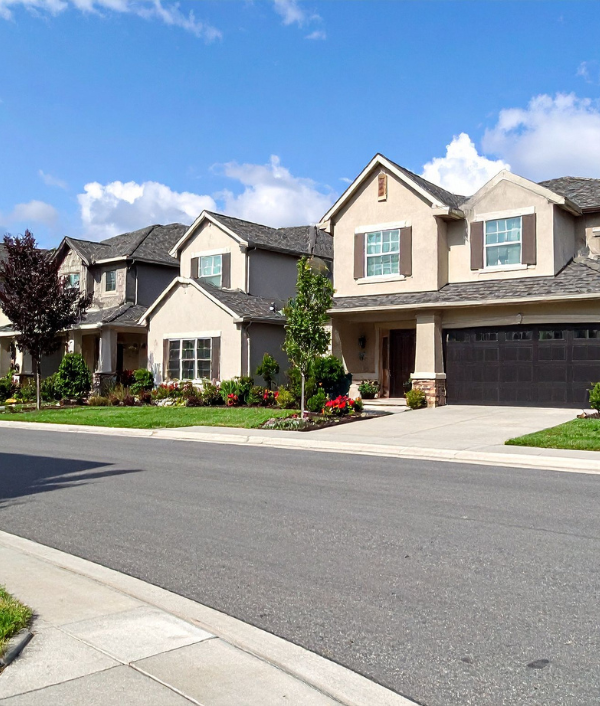
As the real estate market evolves in 2026, rental properties continue to attract attention from investors, first-time landlords, and renters seeking prime locations. Understanding where demand is growing—and why—can help you make smarter decisions, whether you’re looking to invest or find your next rental home. Here’s a closer look at the rental market hotspots to watch this year. 1. Suburban Growth Areas Many renters are moving away from crowded city centers in search of more space, better schools, and community amenities. Suburban neighborhoods with strong commuter access and vibrant local services are seeing increased demand. Look for areas with: Easy access to major highways or public transit Quality schools and family-friendly amenities Parks, trails, and recreational opportunities In and around Charleston, suburban communities like Mount Pleasant, Summerville, and Goose Creek offer larger homes, strong schools, expanding retail centers, and convenient commuter access to downtown and major employers — making them highly attractive to renters seeking space and lifestyle balance. 2. Cities with Booming Job Markets Employment growth drives rental demand. Cities experiencing expansion in tech, healthcare, and remote-work-friendly industries are attracting renters looking for convenience and opportunity. Hot cities often feature: Growing corporate or startup hubs Strong economic diversity Affordable living options relative to income Charleston’s economy continues to grow through major employers in aerospace, healthcare, manufacturing, logistics, and a rising tech sector. This economic diversity fuels steady population growth and sustained rental demand across multiple price points. 3. University Towns College towns remain consistent rental markets due to a steady influx of students and faculty. Neighborhoods near campuses often provide: High rental occupancy rates year-round Opportunities for short-term or furnished rentals Amenities catering to young renters With institutions such as the College of Charleston and MUSC, the city benefits from consistent student, faculty, and medical professional housing demand, helping maintain strong occupancy rates throughout the year. 4. Lifestyle-Focused Neighborhoods Millennials and Gen Z renters prioritize lifestyle as much as location. Areas with walkable streets, trendy cafes, and cultural attractions are in high demand. Keep an eye on: Mixed-use developments with retail and dining Entertainment hubs and nightlife options Access to fitness, parks, and green spaces Downtown Charleston, Park Circle, and Avondale offer walkability, vibrant dining scenes, waterfront views, and entertainment options that strongly appeal to younger renters seeking convenience and culture. 5. Coastal and Scenic Communities Waterfront or scenic locations continue to attract renters seeking a balance between work and lifestyle. While these areas may have higher price points, they also see strong long-term rental demand. Consider: Beaches, lakes, or riverfront properties Outdoor activity availability, like hiking or boating Communities with short-term rental appeal Charleston’s coastal location provides access to beaches like Folly Beach and Isle of Palms, as well as marsh and riverfront living. This blend of scenic beauty and city convenience supports strong long-term and short-term rental interest. 6. Up-and-Coming “Hidden Gem” Neighborhoods Savvy investors often look for emerging neighborhoods that haven’t hit mainstream popularity yet. These areas may offer: Affordable entry points with potential for appreciation Early signs of development and infrastructure investment Strong local support for businesses and amenities Areas such as North Charleston and developing corridors throughout the metro region continue to see revitalization, infrastructure improvements, and commercial growth — creating opportunities for investors seeking appreciation potential. Planning Your Next Move in the Rental Market​ Whether you’re a renter looking for your perfect spot or an investor seeking high-demand properties, understanding these hotspots can give you a strategic edge. Ready to explore the hottest rental opportunities? Contact us today to find your ideal neighborhood or investment property in 2026! 📞 (843) 790-4522📧 info@lowcountrycharmed.com🌐 www.lowcountrycharmed.com

Rental Market Hotspots: Cities and Neighborhoods Driving Demand Read More »

Suburban Rental Markets on the Rise: Why Demand Is Growing Beyond City Limits

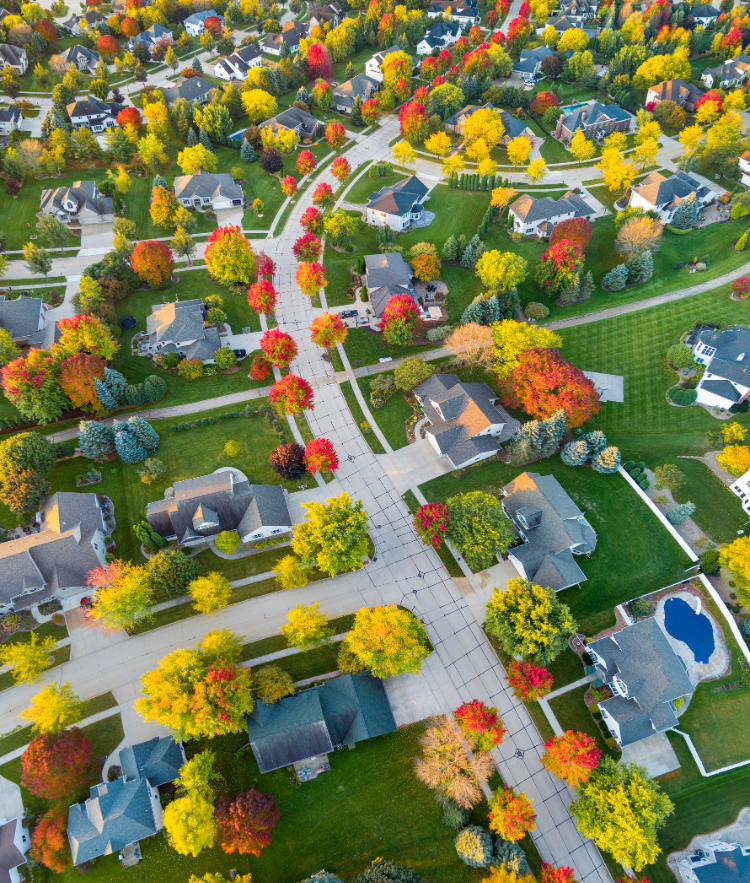
Over the past few years, suburban rental markets have experienced a noticeable surge—and the momentum shows no signs of slowing. As lifestyles evolve and priorities shift, renters are increasingly looking beyond crowded urban centers and discovering the advantages suburban living has to offer. For investors, landlords, and property owners, this trend presents a powerful opportunity. Why Renters Are Choosing the Suburbs Several key factors are driving the growing appeal of suburban rental markets:   1. More Space for the Money Renters are seeking larger floor plans, extra bedrooms, home offices, and outdoor space—often at a lower cost than comparable urban rentals. Suburban homes frequently offer better value per square foot, making them especially attractive to families and remote workers. 2. Remote and Hybrid Work Flexibility With remote and hybrid work now firmly established, proximity to a downtown office is no longer a necessity. This flexibility allows renters to prioritize comfort, space, and lifestyle over commute times. 3. Quality of Life Improvements Suburbs often provide quieter neighborhoods, access to parks, good schools, and a stronger sense of community. These lifestyle benefits appeal to long-term renters looking to settle in a place that feels like home. 4. Rising Urban Costs Higher rents, parking fees, and general living expenses in major cities are pushing renters outward. Suburban markets offer a more balanced cost of living without sacrificing convenience or amenities. What This Means for Property Owners and Investors   The rise in suburban rental demand has meaningful implications: Lower Vacancy Rates: Well-located suburban rentals are leasing faster due to high demand. Stable, Long-Term Tenants: Renters moving to the suburbs often plan to stay longer, reducing turnover. Strong Rental Growth Potential: As demand increases, rental rates in many suburban markets are steadily rising. Broader Tenant Pool: Families, professionals, retirees, and remote workers are all seeking suburban options. Investors who recognize this shift early can benefit from consistent cash flow and long-term appreciation, especially in suburbs near growing metro areas. What Renters Are Looking for in Suburban Rentals To stay competitive, suburban rental properties should focus on features renters value most: Updated kitchens and bathrooms Energy-efficient appliances Outdoor spaces or access to green areas Ample parking or garages Smart-home features and high-speed internet readiness Properties that align with these preferences are more likely to attract quality tenants and command premium rents. The Outlook for Suburban Rental Markets As housing affordability challenges persist and lifestyle priorities continue to evolve, suburban rental markets are expected to remain strong. For property owners and investors, adapting to this demand means positioning properties strategically, maintaining them well, and understanding the needs of today’s renters. Ready to explore suburban rental opportunities or optimize your existing properties?   Schedule an appointment now 📞 (843) 790-4522📧 info@lowcountrycharmed.com🌐 www.lowcountrycharmed.com

Suburban Rental Markets on the Rise: Why Demand Is Growing Beyond City Limits Read More »

Floor Plan Tweaks That Improve Daily Flow

A home doesn’t have to be bigger to feel better. Often, it’s the layout—not the square footage—that determines how comfortable and functional a space truly is. Small, thoughtful floor plan adjustments can dramatically improve how a home feels and how smoothly daily life flows. Whether you’re living in your home long-term or preparing it for future resale, these simple tweaks can make everyday routines easier and more enjoyable. 1. Open Up Key Sightlines You don’t need to remove every wall to create a sense of openness. Strategic changes can help rooms feel more connected without sacrificing structure. Widening doorways Adding interior windows or pass-throughs Removing partial walls that block light Better sightlines make spaces feel brighter, more inviting, and easier to navigate. 2. Improve Kitchen-to-Living Connections The kitchen is often the heart of the home—and its connection to nearby spaces matters. Add an island or peninsula to create gathering space Adjust cabinet placement to improve traffic flow Ensure clear pathways between the kitchen, dining, and living areas A kitchen that flows naturally into surrounding spaces supports both everyday life and entertaining. 3. Reduce Bottlenecks in High-Traffic Areas Pay attention to where people tend to pause or cross paths: Entryways Hallways Bathroom and laundry access Widening walkways, repositioning doors, or changing swing directions can eliminate daily friction you may not even realize is happening. 4. Rethink Underused Spaces Closets, nooks, or oversized hallways often hold untapped potential. Convert extra space into a pantry or mudroom Add built-in storage to dead zones Repurpose unused formal areas for flexible living When every square foot serves a purpose, the home instantly feels more efficient. 5. Improve Bedroom and Bathroom Privacy Flow isn’t just about movement—it’s also about comfort. Reposition doors to reduce direct sightlines Add pocket doors where space is tight Separate shared bathrooms from main living areas when possible These small changes create a more peaceful, balanced layout. 6. Make Laundry and Storage More Accessible Daily tasks are easier when they’re thoughtfully placed. Relocate laundry closer to bedrooms Add drop zones near entrances Improve storage access without blocking walkways Convenience is one of the most underrated aspects of good floor plan design. 7. Let Natural Light Guide Layout Decisions Natural light improves both flow and mood. Swap solid doors for glass-paneled options Open pathways toward windows Remove visual barriers that block daylight When light moves freely through a home, the entire layout feels more fluid. Why Floor Plan Tweaks Matter Homes that flow well feel calm, functional, and intuitive. Buyers notice it, guests feel it, and homeowners live it every day. Even modest layout improvements can: Enhance daily routines Increase perceived value Make a home feel more modern and livable Thinking About Improving Your Home’s Layout? Whether you’re planning updates, preparing to sell, or simply want your home to work better for your lifestyle, small changes can make a big difference. 📞 (843) 790-4522📧 info@lowcountrycharmed.com🌐 www.lowcountrycharmed.com Pairing a neutral base with a bold front door or dark trim creates contrast and instant sophistication—while still feeling timeless.

Floor Plan Tweaks That Improve Daily Flow Read More »

What’s Next in Real Estate: Key Insights for 2026

The real estate landscape continues to evolve. Understanding emerging trends can help homeowners, buyers, and investors make smarter decisions—and stay ahead of the curve. Here’s what to watch in the coming year. 1. Moderated Home Price Growth After several years of rapid appreciation, home price increases are expected to stabilize. Buyers may see more realistic listing prices, while sellers should be aware that market conditions reward well-maintained, move-in-ready homes. 2. Continued Focus on Affordability Financially cautious buyers are shaping the market, with many prioritizing: Smaller mortgages Larger down payments Homes that are energy-efficient and low-maintenance Homes that combine value with functionality are likely to attract strong interest. 3. Tech-Savvy Home Shopping Virtual tours, AI-driven property recommendations, and digital closings are becoming standard. Buyers increasingly expect a seamless online experience before ever stepping foot inside a home. 4. Sustainable and Energy-Efficient Features Matter More Eco-conscious buyers are actively seeking homes with: Solar panels or energy-efficient appliances Smart thermostats and automated systems Low-maintenance, drought-resistant landscaping Green upgrades can not only attract buyers but also increase long-term value. 5. Suburban and Lifestyle-Focused Demand As remote and hybrid work arrangements remain common, buyers continue to prioritize: Homes with dedicated office or flex spaces Outdoor living areas and private yards Communities that balance amenities with tranquility Lifestyle and convenience are increasingly key selling points. 6. Inventory Remains a Balancing Act Supply may slowly improve in 2026, but well-priced, quality homes will still move quickly. Sellers who prepare their homes thoughtfully and buyers who act decisively will benefit most. 7. Interest Rate Awareness While rates have moderated slightly, affordability remains a top concern. Buyers who lock in favorable rates early may gain a competitive advantage, and sellers should understand how rate trends affect market timing. Stay ahead of the market—connect with us for expert guidance. 📞 (843) 790-4522📧 info@lowcountrycharmed.com🌐 www.lowcountrycharmed.com

What’s Next in Real Estate: Key Insights for 2026 Read More »

2026 Real Estate Market Outlook: Key Trends to Watch

As we step into 2026, the real estate landscape continues to evolve. Understanding emerging trends can help homeowners, buyers, and investors make smarter decisions—and stay ahead of the curve. Here’s what to watch in the coming year. 1. Moderated Home Price Growth After several years of rapid appreciation, home price increases are expected to stabilize. Buyers may see more realistic listing prices, while sellers should be aware that market conditions reward well-maintained, move-in-ready homes. 2. Continued Focus on Affordability Financially cautious buyers are shaping the market, with many prioritizing: Smaller mortgages Larger down payments Homes that are energy-efficient and low-maintenance New hardware in brushed nickel or matte black adds a polished finishing touch. Homes that combine value with functionality are likely to attract strong interest. 3. Tech-Savvy Home Shopping Virtual tours, AI-driven property recommendations, and digital closings are becoming standard. Buyers increasingly expect a seamless online experience before ever stepping foot inside a home. 4. Sustainable and Energy-Efficient Features Matter More Eco-conscious buyers are actively seeking homes with: Solar panels or energy-efficient appliances Smart thermostats and automated systems Low-maintenance, drought-resistant landscaping Green upgrades can not only attract buyers but also increase long-term value. 5. Suburban and Lifestyle-Focused Demand Carriage-style doors with clean profiles Neutral or wood-look finishes Minimal hardware for a sleek appearance This single change can make the entire home feel newer. 6. Inventory Remains a Balancing Act Supply may slowly improve in 2026, but well-priced, quality homes will still move quickly. Sellers who prepare their homes thoughtfully and buyers who act decisively will benefit most. 7. Interest Rate Awareness While rates have moderated slightly, affordability remains a top concern. Buyers who lock in favorable rates early may gain a competitive advantage, and sellers should understand how rate trends affect market timing. Planning Your Real Estate Moves in 2026 Whether buying, selling, or simply evaluating your home’s value, understanding these trends can give you a strategic edge. Smart decisions today set the foundation for success tomorrow. 📞 (843) 790-4522📧 info@lowcountrycharmed.com🌐 www.lowcountrycharmed.com

2026 Real Estate Market Outlook: Key Trends to Watch Read More »

Modern Exterior Facelifts That Instantly Refresh Older Homes

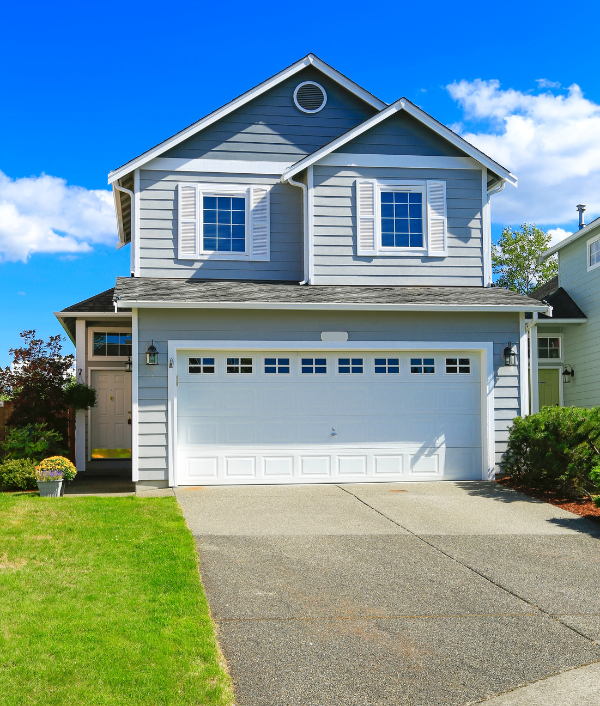
You don’t need a full renovation to give an older home a fresh, modern look. In fact, some of the most impactful updates happen right outside the front door. A few strategic exterior changes can dramatically improve curb appeal, boost perceived value, and help a home stand out—especially in today’s competitive market. Whether you’re preparing to sell or simply want to fall back in love with your home, these modern exterior facelifts deliver noticeable results without overwhelming cost or effort. 1. Updated Paint Colors That Feel Clean and Current One of the fastest ways to modernize an older home is with a fresh exterior paint palette. Today’s buyers gravitate toward: Soft whites and warm creams Greige, taupe, and muted earth tones Deep charcoal or navy for accents Pairing a neutral base with a bold front door or dark trim creates contrast and instant sophistication—while still feeling timeless. 2. A Statement Front Door The front door sets the tone before anyone steps inside. Swapping out an outdated door (or simply repainting it) can completely transform the home’s look. Popular modern choices include: Wood tones with clean lines Matte black or deep blue finishes Glass inserts for added light New hardware in brushed nickel or matte black adds a polished finishing touch. 3. Modern Lighting That Elevates the Entire Exterior Exterior lighting does more than improve safety—it adds style and architectural interest. Consider: Sleek wall-mounted sconces Oversized lantern-style fixtures Warm LED lighting for pathways and entryways Good lighting makes a home feel welcoming and upscale, especially during evening showings or drive-bys. 4. Clean Lines Through Trim and Details Older homes often have ornate or layered trim that can feel dated. Simplifying exterior details can instantly modernize the look: Streamlined window and door trim Painted brick or stone for a uniform finish Removing unnecessary decorative elements Less clutter visually allows the home’s structure to shine. 5. Garage Door Upgrades Garage doors take up a large portion of a home’s exterior—and updating them offers a high return on investment. Modern options include: Carriage-style doors with clean profiles Neutral or wood-look finishes Minimal hardware for a sleek appearance This single change can make the entire home feel newer. 6. Landscaping with Purpose Modern curb appeal doesn’t mean high maintenance. Buyers and homeowners alike appreciate landscaping that feels intentional and easy to care for: Defined walkways and borders Native plants and greenery Simple symmetry near the entry Even refreshed mulch and trimmed shrubs can dramatically enhance the overall presentation. 7. Small Touches That Make a Big Difference Often, it’s the details buyers and guests notice most: Updated house numbers Coordinated mailbox and fixtures Clean, well-maintained walkways and driveways These subtle upgrades signal pride of ownership and thoughtful care. Why Exterior Updates Matter Your home’s exterior creates the first impression—and in real estate, first impressions matter. A modernized exterior can: Increase buyer interest Improve perceived value Help an older home compete with newer builds Best of all, many of these updates are cost-effective and can be completed in stages. Ready to Enhance Your Home’s Curb Appeal? Whether you’re preparing to sell or simply planning your next update, the right exterior improvements can make a powerful impact. Thoughtful upgrades today can lead to stronger value tomorrow. 📞 (843) 790-4522📧 info@lowcountrycharmed.com🌐 www.lowcountrycharmed.com

Modern Exterior Facelifts That Instantly Refresh Older Homes Read More »