
ROTHRESTORATION

What to Look for When Choosing the Right Neighborhood in North Charleston, SC

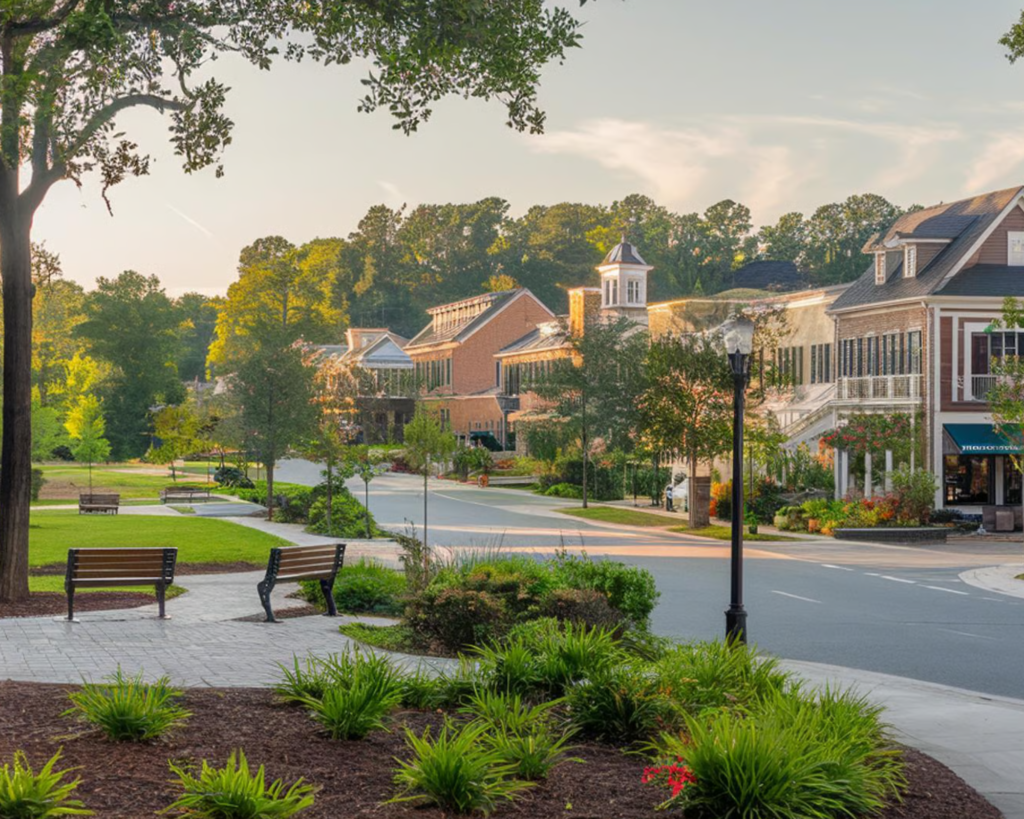
Choosing the right neighborhood is a significant decision when buying a home in North Charleston, SC. This vibrant city offers a variety of neighborhoods, each with its own unique charm and characteristics. Understanding what to look for can help ensure that you find a neighborhood that aligns with your lifestyle and preferences. From amenities and transportation options to community atmosphere and future growth potential, several factors can influence your choice. Proximity to Work and Transportation One of the first considerations when choosing a neighborhood in North Charleston is its proximity to your workplace and access to transportation. North Charleston is well-connected by major highways, including I-26 and I-526, making commuting relatively straightforward. If you prefer public transportation, check the availability of bus routes and stops near potential neighborhoods. Living close to your workplace or having easy access to transportation can significantly enhance your daily routine, reducing commute times and increasing convenience. Local Amenities and Services North Charleston boasts a variety of shopping centers, parks, and recreational facilities. Areas like Park Circle are known for their vibrant community centers and local shops. Consider what amenities are important to you, such as grocery stores, fitness centers, or medical facilities, and ensure they are easily accessible from your chosen neighborhood. Having essential services nearby can improve your quality of life and add convenience to your daily activities. Community Atmosphere and Lifestyle The community atmosphere and lifestyle of a neighborhood can greatly influence your living experience. North Charleston offers neighborhoods with different vibes, from the bustling energy of urban areas to the tranquility of suburban settings. Spend time in potential neighborhoods to get a feel for the community. Attend local events or visit community centers to observe the lifestyle and interactions among residents. Understanding the community atmosphere can help you determine if a neighborhood aligns with your personal preferences and lifestyle. Future Development and Growth Considering the future development and growth potential of a neighborhood is essential. North Charleston is a city experiencing growth, with ongoing developments and infrastructure projects. Research any planned developments or zoning changes in the area, as these can impact property values and the overall character of the neighborhood. A neighborhood with positive growth prospects can be a wise investment, potentially increasing the value of your property over time. Safety and Security While specific details about safety cannot be discussed, it’s important to feel secure in your chosen neighborhood. Consider visiting the area at different times of the day to gauge the overall sense of security. Speak with local residents to understand their experiences and perceptions of the neighborhood’s safety. Feeling comfortable and secure in your environment is crucial for peace of mind and overall satisfaction with your living situation. School Districts and Educational Opportunities For those with educational needs, the availability of quality educational opportunities is a key consideration. North Charleston offers various educational institutions, including public and private options. Research the reputation and performance of schools in the area to ensure they meet your expectations. Proximity to reputable educational facilities can be an important factor for those prioritizing education. Property Values and Market Trends Understanding property values and market trends in North Charleston can provide valuable insights into the neighborhood’s real estate market. Investigate recent sales data and trends in property values to assess the neighborhood’s stability and potential for appreciation. A neighborhood with stable or rising property values can be a sound investment, offering potential financial benefits in the long term. Access to Recreational Activities Access to recreational activities is an important aspect of choosing a neighborhood. North Charleston offers a range of recreational opportunities, from parks and nature trails to sports facilities and cultural attractions. Consider the availability of outdoor spaces and recreational amenities that align with your interests. Having access to recreational activities can enhance your lifestyle and provide opportunities for relaxation and enjoyment. Cultural and Social Opportunities Cultural and social opportunities can enrich your living experience in North Charleston. The city hosts various cultural events, festivals, and community gatherings throughout the year. Explore the cultural scene in potential neighborhoods to see if they offer activities and events that interest you. Engaging in cultural and social opportunities can help you connect with the community and create a fulfilling living experience. Environmental Considerations Environmental factors, such as green spaces and natural surroundings, can influence your choice of neighborhood. North Charleston is known for its beautiful landscapes and proximity to natural attractions. Consider the availability of parks, nature reserves, and waterfront areas when evaluating neighborhoods. Access to natural environments can provide a sense of tranquility and enhance your overall quality of life. Discover Your Ideal Neighborhood in North Charleston Choosing the right neighborhood in North Charleston, SC, is a crucial step in finding your perfect home. By considering factors like schools, amenities, and community vibe, you can make an informed decision that suits your lifestyle. Whether you’re drawn to the vibrant culture or the serene landscapes, North Charleston has something for everyone. For personalized guidance and expert advice, reach out to Lowcountry Charmed LLC and let them help you find your dream neighborhood today.

What to Look for When Choosing the Right Neighborhood in North Charleston, SC Read More »

Timeless Materials for Lowcountry Homes: Wood, Brick, and Stone That Last

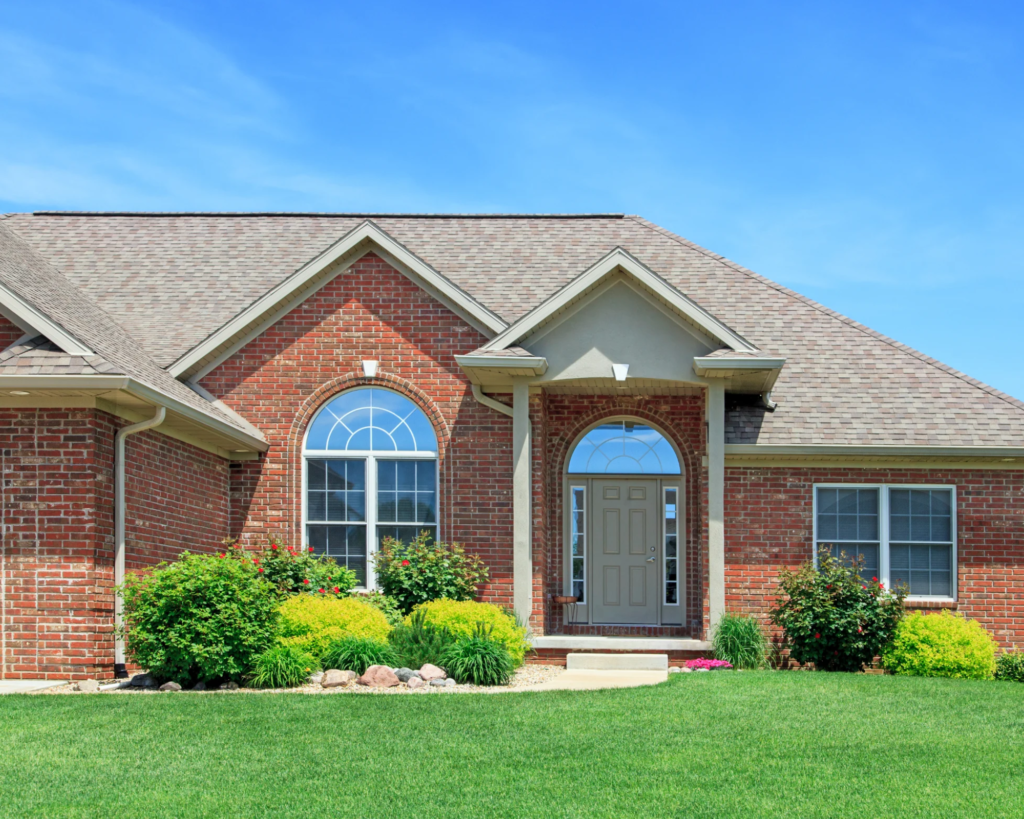
The beauty of a Lowcountry home lies not only in its charm and coastal elegance but in the materials that help it stand the test of time. In Charleston and throughout the surrounding region, homeowners have long relied on materials that can weather the elements, tell a story, and age gracefully. When building, renovating, or restoring a Lowcountry home, choosing timeless materials like wood, brick, and stone ensures your property stays beautiful and functional for generations. Let’s explore why these three core materials remain favorites in Southern architecture—and how you can incorporate them into your own home for lasting impact and value. 1. Wood: Warm, Classic, and Endlessly Versatile Why It Works in the Lowcountry: Wood has always been a staple in Southern homes. From grand porches wrapped in painted planks to wide pine floors that creak underfoot, wood brings warmth, texture, and an undeniable sense of comfort. It’s particularly well-suited to the Lowcountry climate when properly treated and maintained. Best Places to Use Wood: Exterior Siding: Think classic clapboard or board-and-batten for a timeless, coastal aesthetic. Porch Ceilings & Flooring: Painted porch ceilings (especially in “haint blue”) are a Lowcountry tradition that continues to charm today. Interior Flooring: Reclaimed pine, oak, and heart pine are popular choices that add history and durability. Beams & Trim Work: Exposed wood beams and detailed moldings give your home that quintessential Southern touch. Pro Tip: Use pressure-treated or rot-resistant wood species like cypress or cedar for outdoor applications to extend longevity in our humid coastal environment. 2. Brick: Southern Strength with Historic Roots Why It Works in the Lowcountry: Charleston’s iconic streets are lined with brick buildings that have stood for centuries—and for good reason. Brick is fire-resistant, low maintenance, and incredibly durable. It’s not just functional—it’s beautiful, adding texture, depth, and old-world charm to any home. Best Places to Use Brick: Home Foundations & Columns: Brick skirting or columns are perfect for elevating the appearance and strength of porches and crawlspace foundations. Fireplaces & Chimneys: A classic brick hearth adds character to any living space and complements both traditional and modern interiors. Accent Walls: Exposed brick inside offers warmth and visual interest, especially when paired with more modern or minimalist furnishings. Walkways & Garden Paths: Brick pavers are perfect for outdoor entertaining areas, patios, or charming garden paths. Pro Tip: Consider using historic or reclaimed brick when possible—it not only adds authenticity, but it’s also eco-friendly and carries a built-in story. 3. Stone: Natural Beauty That Lasts a Lifetime Why It Works in the Lowcountry: Though not as prevalent as brick and wood in early Charleston architecture, stone has become increasingly popular for its elegant durability and grounding presence. Whether used inside or out, natural stone brings sophistication and strength to Lowcountry homes. Best Places to Use Stone: Exterior Accents: Incorporate stone into columns, porch bases, or entryways for a refined, textured look. Kitchen Countertops: Granite, quartzite, and soapstone are timeless countertop materials that blend beauty with durability. Bathroom Surfaces: Marble or slate in showers and vanities add a spa-like touch and stand up well to daily use. Outdoor Living Areas: Use flagstone or bluestone for patios, fire pit areas, or pool decks for a natural, slip-resistant surface. Pro Tip: Choose locally sourced or regionally appropriate stone for a natural look that blends seamlessly with your home’s environment. Blending Materials for a Truly Southern Home What makes Lowcountry homes so special is how these materials come together in harmony. A porch with warm wood decking, framed by brick columns, and accented with stone pathways is not just beautiful—it’s built to last. By using a mix of these materials thoughtfully, you can create a home that feels rooted in tradition while meeting today’s needs for comfort and style. Sustainability and Value Timeless materials aren’t just about looks—they’re about smart investment. Brick, stone, and high-quality wood are durable, sustainable choices that add real value to your property and require less maintenance over time. And in a region where hurricanes, humidity, and salt air are regular visitors, choosing materials that can handle the weather is a must. These materials not only perform well—they also age beautifully, adding to the patina and story of your home. A home in the Lowcountry should reflect the spirit of the region—elegant yet grounded, rich in history yet ready for tomorrow. By choosing timeless materials like wood, brick, and stone, you’re building more than a home—you’re crafting a legacy. Whether you’re designing from the ground up or renovating a historic gem, our team at Lowcountry Charmed can help guide you through every design decision with local expertise and Southern flair. 📞 Let’s Build Something Beautiful Together Ready to start building or renovating your Lowcountry dream home with materials that last? Let’s chat! 📱 Phone: (843) 790-4522📧 Email: info@lowcountrycharmed.com We specialize in timeless, turn-key design and staging solutions tailored for Charleston and beyond. Let’s bring your vision to life—with charm, quality, and enduring beauty.  

Timeless Materials for Lowcountry Homes: Wood, Brick, and Stone That Last Read More »

Building a Porch for Southern Living: Must-Have Features for Your Home

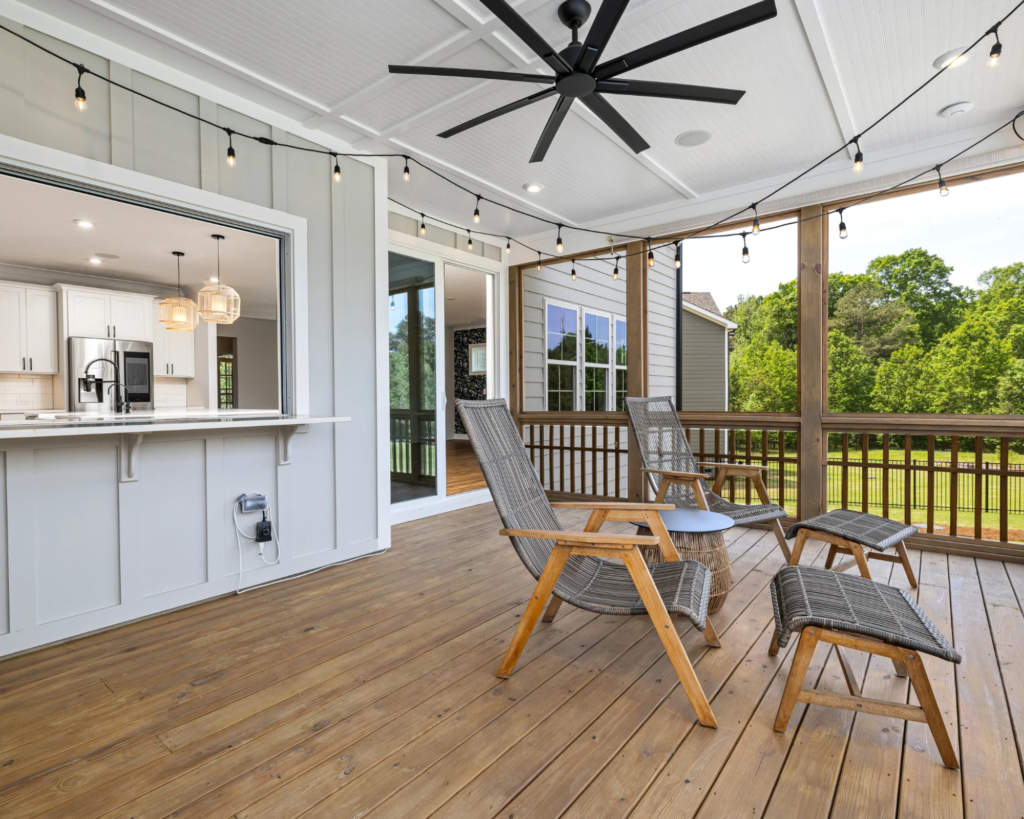
If you’ve ever visited Charleston, South Carolina, or spent time in the surrounding Lowcountry, you’ve likely noticed something that sets the tone for the region’s lifestyle: the porch. A porch isn’t just an addition to a house; it’s an essential part of Southern living. It’s where neighbors gather, where families relax after a long day, and where you get to enjoy Charleston’s signature breezes and views If you’re looking to build or renovate a porch that reflects the charm and warmth of Southern living, there are a few must-have features that will ensure your outdoor space is both functional and full of character. Here’s how you can design the perfect porch for your Charleston home. 1. Comfortable Seating for Relaxation and Socializing A Southern porch isn’t complete without cozy seating where you can unwind, entertain, or spend time with family and friends. The key to porch seating is comfort—after all, the porch is meant to be an inviting and relaxing retreat. Must-Have Features: Swing or Rocking Chairs: A porch swing or a couple of classic rocking chairs are essential for the Southern porch vibe. They evoke a sense of nostalgia and provide the perfect spot for enjoying Charleston’s warm evenings and cool breezes. Cushioned Furniture: Invest in comfortable, weather-resistant cushions for your seating. Think wicker chairs or a sectional sofa with soft pillows that invite you to lounge for hours. Plenty of Space: Make sure your seating area can accommodate multiple people. The porch is a place for gathering, so consider a larger arrangement with enough seating to host friends and family. 2. Classic Southern Style Flooring In Charleston, the aesthetic of the porch is just as important as its function. Flooring plays a significant role in setting the tone for your space. Traditional Southern homes often feature distinctive porch floors that are both beautiful and durable. Must-Have Features: Wooden Decking: For an authentic, timeless look, opt for wood decking—something like cypress, which is native to the region and resistant to moisture. Its warm tones and natural grain add rustic charm to your porch. Painted Floors: Many Southern homes feature painted porch floors in soft, pastel hues or traditional colors like deep green, blue, or gray. A painted floor is both charming and practical, protecting your wood from the elements while enhancing your porch’s character. Tile or Brick: For a more polished look, consider brick or tile flooring. These materials work well for more formal Southern homes and provide a hard, durable surface for high-traffic areas. 3. Ceiling Fans for Comfort and Style Given the warm climate of Charleston and the Lowcountry, no porch is complete without ceiling fans. They not only provide much-needed relief from the heat but also add an element of Southern style. Must-Have Features: Classic Ceiling Fans: Choose a ceiling fan with a traditional design, such as those with wooden blades or vintage metal finishes. Fans help keep the air circulating, making your porch a comfortable place even during summer’s hottest months. Multiple Fans for Large Porches: If you have a large porch or one that spans the length of your home, consider adding multiple ceiling fans to ensure even air circulation. 4. Thoughtful Lighting for Evening Ambiance One of the joys of Southern living is spending evenings outside, whether it’s for a family dinner, a quiet evening with a book, or casual gatherings with friends. The right lighting sets the mood and allows you to enjoy your porch well after the sun goes down. Must-Have Features: Hanging Lanterns or Pendant Lights: A Southern porch often features hanging lanterns or vintage-style pendant lights to add both light and character. These lights can be both functional and decorative, providing soft illumination without being overpowering. String Lights or Fairy Lights: For a charming, casual feel, string lights can create a magical atmosphere. Drape them across the ceiling or along the rails for a cozy, welcoming vibe. Wall Sconces: If you have porch walls or columns, wall sconces can be a great way to add ambient lighting and accent the architectural features of your home. 5. Ample Greenery and Landscaping Southern porches are not just about the structure; they’re about blending indoor and outdoor living. Adding greenery to your porch creates a welcoming, natural environment that enhances the beauty of your space and gives it that timeless Southern feel. Must-Have Features: Hanging Plants: Charleston homes are known for their lush greenery, and the porch is the perfect place to bring in that charm. Hang baskets of ferns, ivy, or flowering plants from the ceiling to add texture and color. Potted Plants: Place potted plants on the floor or along the railing for added beauty. Consider low-maintenance plants like geraniums, petunias, or even a few small citrus trees to bring vibrant color and fragrance to your porch. Climbing Vines: For a more romantic Southern look, consider planting climbing vines like wisteria or jasmine near the porch. These vines can grow up trellises, creating natural, leafy arches over the space. 6. Architectural Features with Southern Charm When building a porch for Southern living, it’s important to incorporate architectural elements that evoke a sense of charm and elegance. These features will not only enhance the look of your porch but will also help create the quintessential Southern aesthetic. Must-Have Features: Columned Railings: Columns are a hallmark of Southern homes and add a sense of grandeur to any porch. Whether they’re classic white columns or painted in a soft pastel, they’ll elevate your porch’s look and make it feel like a true Southern retreat. Gable Roof or Pergola: A gable roof or pergola is a popular architectural feature that provides shade and gives your porch a more open, airy feel. It’s also a great way to frame your porch and make it feel like an outdoor room. Lattice Work or Screened-In Porches: Lattice work along the bottom of your porch adds texture and can also prevent pets or small children from wandering off. Alternatively, consider a screened-in porch to keep bugs at

Building a Porch for Southern Living: Must-Have Features for Your Home Read More »

How to Choose the Right Lowcountry Realtor for Your Home Search

Finding the perfect home in the Lowcountry—whether it’s a historic Charleston townhouse, a cozy coastal cottage, or a sprawling estate in Mount Pleasant—requires more than just browsing listings and visiting open houses. It requires a professional who understands the nuances of the local market, knows the neighborhoods inside and out, and can guide you through the often complex buying process. Choosing the right Lowcountry realtor is crucial for making your home-buying experience smooth, efficient, and successful. Here’s a guide to help you select the best realtor to meet your needs and turn your dream home into a reality. 1. Local Expertise and Knowledge One of the most important qualities to look for in a Lowcountry realtor is deep local expertise. Charleston and its surrounding areas have unique neighborhoods, historic properties, and specific zoning regulations that require someone who knows the area well. When speaking with potential realtors, ask:  How long have you been working in the Lowcountry?  Do you specialize in particular areas or types of properties (e.g., historic homes, waterfront properties)? Do you specialize in particular areas or types of properties (e.g., historic homes, waterfront properties)? Can you provide insights into the best neighborhoods based on my needs (e.g., schools, commute times, lifestyle)? A realtor who knows the local market inside and out will help you navigate the nuances of Lowcountry living and find a property that truly fits your lifestyle. 2. Specialization in Your Desired Property Type Lowcountry real estate is incredibly diverse, from downtown Charleston’s historic homes to newly developed suburbs, beach houses, and country estates. Each type of property has different demands and considerations, so it’s important to find a realtor with experience in the specific property type you’re interested in. Ask your realtor: Have you worked with clients looking for historic homes, or is your focus on new construction? Are you familiar with the specific needs of buying a coastal property, such as flood zones and insurance? Do you have experience with luxury homes or gated communities? A realtor who specializes in your desired property type will ensure you get the best advice, avoid potential pitfalls, and have access to the right resources. 3. Strong Communication and Availability Communication is key when navigating a competitive real estate market like the Lowcountry’s. The best realtors are responsive, proactive, and keep you informed at every step of the process. Look for a realtor who: Responds quickly to emails, calls, and texts. Keeps you updated on new listings that match your criteria. Communicates clearly about the next steps in the buying process and any challenges that may arise. A realtor who communicates effectively and consistently will make the home search and buying process much easier. 4. Reputation and Reviews A great way to gauge a realtor’s expertise and trustworthiness is by checking their reputation and client reviews. Word-of-mouth referrals, online reviews, and testimonials from past clients can give you an honest look into what working with a particular realtor is like. Look for: Positive online reviews or testimonials from past clients. Recommendations from friends, family, or colleagues who have worked with the realtor in the past. An established reputation within the local community. Real estate is an inherently personal process, and choosing someone with a proven track record and strong reputation will provide you with peace of mind. 5. A Personalized Approach Every homebuyer has different needs, goals, and preferences, and the right realtor will tailor their approach to suit you. Whether you’re a first-time buyer or looking for a second home, a realtor should listen carefully to your wants and needs and provide you with options that match your lifestyle and budget. When meeting with potential realtors, ask:  How do you help buyers find the best home for their needs? Will you take time to understand my unique goals and preferences? Do you provide guidance on the entire home-buying process, including financing, inspections, and closing? The right realtor will offer personalized attention and will ensure your needs are met throughout the entire process. 6. Expertise in Negotiation A seasoned realtor is not just a guide to listings—they’re also your advocate when it comes to negotiating the price and terms of the sale. Whether it’s negotiating the final purchase price, contingencies, or deadlines, a skilled negotiator can help you get the best possible deal. Ask your realtor: Can you share examples of successful negotiations you’ve handled? How do you help clients navigate competitive bidding situations? How do you ensure my best interests are represented during negotiations? Have you earned any negotiation certifications? Strong negotiation skills are crucial for securing the best deal and avoiding overpaying for your home. The right Lowcountry realtor is not just a guide—they’re your partner in one of the most important financial decisions of your life. With their local expertise, personalized approach, and commitment to helping you achieve your goals, you’ll be well on your way to finding the perfect Lowcountry home. Whether you’re looking for a historic Charleston estate or a peaceful home in the suburbs, the right realtor will help you navigate the market and ensure a smooth, successful home purchase. 📞 Let’s Get Started on Your Lowcountry Home Search! At Lowcountry Charmed, we are passionate about helping homebuyers find their dream homes in Charleston and the surrounding areas. Our experienced team has extensive knowledge of the local market, and we are committed to providing personalized service to each of our clients. 📱 Call us at: (843) 790-4522📧 Email: info@lowcountrycharmed.com Let’s work together to make your Lowcountry home dreams come true. We’ll guide you every step of the way!  

How to Choose the Right Lowcountry Realtor for Your Home Search Read More »

Charleston Real Estate Market Update – May 2025

As we move into May 2025, the Charleston real estate market continues to navigate a landscape shaped by rising interest rates, cautious buyer behavior, and a modest uptick in inventory. After several years of rapid price appreciation and fierce competition, the market is showing signs of normalization—offering both challenges and opportunities for buyers, sellers, and investors alike. Market Overview The median home price in THE TRI-COUNTY AREA has remained relatively stable compared to earlier in the year, with modest month-over-month gains. Prices vary significantly by neighborhood—Downtown Charleston, DANIEL ISLAND ,Mount Pleasant remain high-demand areas with average prices well over $1M, while areas like West Ashley, North Charleston, SUMMERVILLE AND GOOSE CREEK offer more accessible options. Buyer & Seller Sentiment Buyers are adjusting to higher borrowing costs, which has tempered some of the urgency that defined the post-pandemic boom. However, with inflation slowing and talk of rate cuts on the horizon, some buyers are cautiously re-entering the market in anticipation of improved affordability later in the year. Sellers, meanwhile, are recognizing the need to price realistically. Overpriced homes are sitting on the market longer, prompting price adjustments and more room for negotiation. New Construction & Development New construction has slowed significantly due to higher interest rates and increased costs for labor and materials. Permitting for new builds has dropped compared to the same period last year, particularly for single-family homes. However, multifamily developments and infill projects are still active in areas like Daniel Island Wando, West Ashley and Summerville aimed at easing housing pressure and expanding rental availability. Rental Market Snapshot The rental market in Charleston has remained strong, with slight increases in monthly rents across most submarkets. Downtown Charleston and Mt. Pleasant continue to command premium prices, while areas like Hanahan and Goose Creek remain popular for more affordable rental options. Looking Ahead: What to Expect This Summer Interest Rates: While still elevated, rates are projected to dip slightly in the second half of the year. This could increase buyer activity but may also keep home prices firm. Inventory Growth: Modest gains in inventory should continue, offering more choices for buyers and softening upward pressure on prices. Affordability: The Tri-County area remains a competitive market, but slightly slower price growth and more negotiation power may benefit first-time buyers and move-up buyers. Final Thoughts The Tri-County housing market in May 2025 reflects a broader national trend toward normalization. While it’s no longer the red-hot seller’s market of 2021–2022, demand remains strong due to the area’s lifestyle appeal, job growth, and coastal charm. Whether you’re considering buying, selling, or investing, staying informed and working with a knowledgeable local real estate professional will be key to making smart moves in today’s evolving market.  

Charleston Real Estate Market Update – May 2025 Read More »

Top 5 Signs Your Home Needs Immediate Attention!

Top 5 Signs Your Home Needs Immediate Attention!  Don’t Ignore These Red Flags—Protect Your Investment and Peace of Mind Your home is likely one of the biggest investments you’ll ever make, and keeping it in good condition is essential for your comfort, safety, and financial well-being. While some issues may seem minor at first glance, they can quickly escalate into expensive repairs if not addressed promptly. If you’ve noticed anything unusual around the house lately, it might be time to pay closer attention. Here are the Top 5 Signs your home needs immediate attention—and what you should do next. 1. Leaking Roof Water stains on ceilings or walls Mold or mildew smell in the attic Missing, cracked, or curling shingles Dripping sounds during rainstorms A leaking roof is more than just a nuisance—it can lead to mold growth, wood rot, insulation damage, and even electrical hazards. If you notice discoloration on your ceilings or walls, or if your attic smells musty, your roof may be compromised. Ignoring the problem can lead to costly repairs or even the need for a full roof replacement. What to Do: Schedule a professional roof inspection as soon as possible. Temporary tarping can help prevent further water damage until repairs are made. 2. Plumbing Problems Warning Signs: Dripping faucets or running toilets Low water pressure Water pooling under sinks Unusual noises in the pipes Spike in your water bill Small leaks can become big headaches. Beyond wasting water, unchecked plumbing issues can cause water damage, promote mold growth, and lead to structural deterioration over time. A seemingly minor drip might be masking a larger issue in your pipes or water line. What to Do: Call a licensed plumber to inspect your system. Fixing small leaks now can prevent major pipe bursts or water damage in the future. 3. Electrical Malfunctions Warning Signs: Flickering or dimming lights Frequently tripped breakers or blown fuses Hot outlets or switches Buzzing sounds from electrical panels Outlets that don’t work Electrical issues are not only inconvenient—they can be dangerous. Faulty wiring or overloaded circuits can lead to electrical fires, which is why these symptoms should never be ignored. What to Do: Hire a licensed electrician to assess your home’s electrical system. Updating old wiring or circuits can greatly improve both safety and efficiency. 4. Pest Infestation Warning Signs: Droppings or chewed materials around the home Scratching sounds in the walls or attic Nests in hidden areas (like behind appliances or in the garage) Sudden increase in bugs, rodents, or other critters Pests like termites, rodents, and ants can cause extensive damage to your home’s structure and insulation. They can also pose health risks, especially if they get into your pantry or HVAC system. What to Do: Contact a pest control professional to inspect and treat the problem. Seal up entry points and maintain regular pest control to prevent future infestations. 5. Cracked Walls or Foundation Warning Signs: Cracks in drywall, especially around windows or doors Uneven or sloping floors Gaps between walls and ceilings Water pooling near the foundation Structural problems are some of the most serious issues a homeowner can face. Cracks in the foundation or walls may signal shifting soil, water damage, or deeper construction problems. Left unchecked, these can threaten the entire integrity of your home. What to Do: Consult a foundation or structural specialist. They can determine the cause of the issue and recommend solutions like underpinning or waterproofing. Final Thoughts: Stay Proactive, Stay Safe Your home “talks” to you—it’s up to you to listen. By catching these warning signs early, you can avoid major headaches and expenses down the road. Regular maintenance and inspections can go a long way in preserving the value, safety, and comfort of your home. If you’ve noticed any of the red flags above, don’t wait. Reach out to trusted local contractors, home inspectors, or specialists to get things back on track. Your future self—and your wallet—will thank you.  

Top 5 Signs Your Home Needs Immediate Attention! Read More »

The Advantages of Living in Charleston’s Suburbs

Discover the Charm, Space, and Serenity Just Beyond the City Limits Charleston, South Carolina, is well-loved for its rich history, cobblestone streets, and vibrant downtown—but just beyond the city center lies a hidden gem: Charleston’s suburbs. These surrounding communities offer a perfect blend of Southern charm, natural beauty, and modern convenience, making them ideal for families, professionals, and retirees alike. If you’re considering a move to the Lowcountry, here’s why Charleston’s suburbs might be the perfect place to call home. 1. More Space, More Value One of the biggest perks of suburban living is space—and Charleston’s suburbs deliver. Homes tend to have larger lots, more square footage, and outdoor space for gardens, play areas, or entertaining. Compared to the higher prices and limited space of downtown, suburban properties offer more bang for your buck. Whether you’re seeking a spacious family home or a peaceful retreat with a backyard, the suburbs offer room to breathe. 2. Family-Friendly Communities Suburban Charleston is known for its safe neighborhoods, good schools, and tight-knit communities. Towns like Mount Pleasant, West Ashley, James Island, and Summerville are popular choices for families thanks to their strong school systems, plentiful parks, and family-oriented events. With quiet streets, bike paths, and local playgrounds, kids can enjoy a safe and active lifestyle. 3. Accss to Nature and Outdoor Living Living in Charleston’s suburbs means you’re never far from the beauty of the Lowcountry. Many suburban communities are close to rivers, marshes, and beaches, offering endless opportunities for kayaking, fishing, paddleboarding, or just enjoying a sunset walk. Suburbs like Johns Island and Daniel Island combine upscale living with a deep connection to nature, making outdoor adventures a part of daily life. 4. Convenient Commutes & Growing Amenities Charleston’s suburban growth has led to improved infrastructure and easy access to the city. Many areas are within a 20–30 minute drive to downtown, and new highways, bridges, and public transport options make commuting more manageable. Plus, suburban hubs now offer everything from shopping centers and medical facilities to restaurants, breweries, and boutique gyms—no need to head into the city for every errand or night out. 5. Diverse Lifestyle Options From the historic charm of Summerville to the waterfront elegance of Mount Pleasant, Charleston’s suburbs cater to a range of lifestyles. Want to live on a golf course, own land for horses, or enjoy a walkable village vibe? You can find it here. The variety of neighborhoods means you can choose a suburb that fits your pace—whether it’s relaxed and rural or active and upscale. 6. Lower Cost of Living While Charleston itself has become a hot real estate market, many suburban areas offer more affordable housing options. Lower property taxes, reduced utility costs, and fewer fees for parking or city services can add up to big savings. For those looking to stretch their housing budget without compromising on quality of life, the suburbs offer a smart financial choice. Final Thoughts: Suburban Life with Southern Charm Living in Charleston’s suburbs gives you the best of both worlds—peaceful, spacious living with close proximity to the vibrant culture and charm of downtown. Whether you’re starting a family, looking for more space, or simply craving a slower pace, the suburbs surrounding Charleston have something for everyone. If you’re ready to explore your options, reach out to a local real estate expert who can help match your lifestyle with the perfect suburban neighborhood. Your dream home in the Lowcountry might be just a short drive from the city.  

The Advantages of Living in Charleston’s Suburbs Read More »

The Best Beaches Near Charleston for Your Dream Home!

Charleston, South Carolina, is known for its rich history, vibrant culture, and stunning coastal landscapes. If you’ve ever dreamed of living by the beach, you’re in luck—Charleston offers some of the best beachfront living options in the United States. Whether you’re looking for a peaceful retreat, an active lifestyle, or a luxurious beachfront property, these nearby beaches are perfect for finding your dream home. 1. Folly Beach Just 15 miles from downtown Charleston, Folly Beach offers a laid-back, quirky atmosphere perfect for those seeking a mix of beach living and a tight-knit community. Known for its surf culture, Folly Beach is a popular destination for outdoor enthusiasts. Whether you enjoy surfing, kayaking, or just relaxing on the sand, there’s something for everyone. Why It’s Great for Your Dream Home:    Proximity to Charleston: Only a short drive from downtown, you can easily enjoy the best of both beach and city living.    Vibrant Community: Folly Beach has a unique, fun vibe with local shops, restaurants, and events.    Coastal Lifestyle: Surfers, nature lovers, and families alike are drawn to this charming beach town. 2. Isle of Palms Located about 20 minutes from downtown Charleston, Isle of Palms is known for its beautiful wide sandy beaches and upscale living. This barrier island is home to luxurious beachfront properties, private clubs, and a relaxed atmosphere perfect for raising a family or retiring in style. Why It’s Great for Your Dream Home:      Upscale Amenities: Isle of Palms offers golf courses, private pools, and beachfront properties with stunning views.    Family-Friendly: The area is perfect for families looking for a safe and relaxing environment with top-rated schools and activities.    Easy Access to Charleston: It’s close enough to Charleston to enjoy the cultural amenities but far enough away to enjoy peace and tranquility. 3. Sullivan’s Island For those seeking an exclusive and more serene beachfront living experience, Sullivan’s Island is an excellent choice. Known for its quiet charm and historic significance, this small island is only a 10-minute drive from downtown Charleston. Sullivan’s Island offers a close-knit community and stunning historic homes, making it ideal for those seeking both elegance and privacy. Why It’s Great for Your Dream Home:    Historic Charm: Homes on Sullivan’s Island have a blend of traditional Southern elegance and modern luxury.    Low-key Vibe: Unlike more commercialized beaches, Sullivan’s Island offers a peaceful, slower pace of life.    Natural Beauty: The pristine beaches and coastal marshes offer breathtaking views and opportunities for outdoor adventures. 4. Kiawah Island If luxury is a priority, Kiawah Island is one of the most sought-after beach destinations in the area. Located about 30 miles from Charleston, Kiawah is known for its stunning resorts, golf courses, and oceanfront properties. The island is also a sanctuary for nature lovers, with miles of protected beaches and wildlife preserves. Why It’s Great for Your Dream Home:    World-Class Amenities: From championship golf courses to high-end resorts and spas, Kiawah is a hub for luxury living.    Private and Exclusive: Kiawah Island is gated, providing an extra level of privacy for homeowners.    Breathtaking Oceanfront Views: The island is known for its wide, expansive beaches and oceanfront estates. 5. Seabrook Island Nestled just next to Kiawah, Seabrook Island is an exclusive, private community that offers everything from equestrian facilities to golf courses and tennis courts. With a focus on outdoor living, Seabrook Island is perfect for those who want to experience the natural beauty of the Lowcountry without sacrificing luxury. Why It’s Great for Your Dream Home:    Exclusive Community: The gated nature of Seabrook Island means a more private and tranquil lifestyle.    Natural Beauty: The island is home to pristine beaches, tidal creeks, and lush forest areas, making it a perfect retreat for nature lovers.    Amenities for Active Living: Whether you’re into kayaking, horseback riding, or tennis, Seabrook has it all. 6. Edisto Beach For those looking for a more rustic and laid-back beach experience, Edisto Beach offers a peaceful and slower pace of life. Located about 45 minutes from Charleston, Edisto is perfect for those who prefer a quieter beach environment but still want access to Charleston’s amenities. Why It’s Great for Your Dream Home:    Unspoiled Beauty: Edisto has fewer crowds and a more natural environment, with fewer commercial developments.    Beachfront Living: The homes here are perfect for those who want to live right by the ocean without the high-end price tag of other nearby beaches.    Family-Oriented: It’s a great place to raise a family or enjoy a calm retreat. 7. Bull Island (Cape Romain National Wildlife Refuge) If you are an adventure seeker or nature enthusiast looking for a unique beach experience, Bull Island offers some of the most untouched natural beauty in the Charleston area. Though it is uninhabited by permanent residents, the island is accessible by boat and offers stunning views of the Atlantic. Why It’s Great for Your Dream Home:    True Wilderness: Bull Island offers a completely different kind of beach living—one that’s deeply connected to nature.    Access to the Wild: If you enjoy hiking, birdwatching, and exploring unspoiled coastal ecosystems, this is the ultimate natural retreat. Conclusion Charleston’s beaches offer a wide variety of living options, from quiet, unspoiled nature reserves to luxurious oceanfront estates. Whether you’re drawn to the laid-back vibes of Folly Beach or the high-end luxury of Kiawah Island, there’s a perfect beach for your dream home near Charleston. Exploring these coastal communities is the first step in finding your ideal beach lifestyle. If you’re considering a move to Charleston or any of its beautiful nearby beaches, contact a trusted real estate agent who can guide you through the process of finding the perfect home in one of these stunning locations. Let the waves of the Lowcountry inspire your dream home today!  

The Best Beaches Near Charleston for Your Dream Home! Read More »

How to Navigate Home Equity and Use It to Your Advantage When Selling

When selling a home, understanding your home equity is essential to making informed financial decisions. Home equity can be a powerful tool, giving you more financial flexibility, but it’s important to know how to leverage it correctly. Whether you’re moving to a new home, downsizing, or even considering investing in a new property, home equity can make all the difference in maximizing your financial outcome. In this post, we’ll break down what home equity is, how to calculate it, and how to use it strategically to your advantage when selling your home. What is Home Equity? Home equity refers to the portion of your home that you truly own, which is the difference between your home’s current market value and the outstanding balance on your mortgage(s). In simple terms, it’s the value of your property that you’ve built up through paying down the mortgage, as well as any appreciation in property value over time. Example: If your home is worth $400,000 and you still owe $250,000 on your mortgage, your home equity is $150,000 ($400,000 – $250,000). How to Calculate Your Home Equity To determine your home equity, follow this simple formula: Home Equity = Current Market Value of Home – Outstanding Mortgage Balance You can get an estimate of your home’s current market value by: •    Looking at recent comparable sales (comps) in your neighborhood.•    Getting a professional appraisal for a more accurate assessment.•    Asking your real estate agent for a market analysis. Once you know your home’s value, subtract the remaining balance on your mortgage(s) to determine your home equity. How to Use Home Equity to Your Advantage When Selling Once you understand your home equity, it’s time to make strategic decisions about how to use it. Here are some ways to leverage your equity during the home-selling process: 1. Use Equity to Fund Your Next Home Purchase If you’re planning to buy a new home, your home equity can provide a substantial down payment, reducing the amount you need to finance for your next property. The larger the down payment, the lower your monthly mortgage payments and interest rates could be. Tip: •    When you sell your home, the profit from the sale (i.e., your equity) can be rolled into your new home purchase. This allows you to purchase a more expensive home or avoid private mortgage insurance (PMI) if your down payment is 20% or more. 2. Pay Off Debt Selling your home and cashing in on your home equity can be an excellent way to pay off high-interest debt, like credit cards, personal loans, or student loans. This can reduce your financial burden and make it easier to qualify for a mortgage on your next home. Tip: •    Consider using the proceeds from your sale to pay off debt before buying your next home, which will increase your financial freedom and possibly improve your credit score. 3. Boost Your Negotiating Power Home equity can give you an advantage when negotiating offers. If you have a significant amount of equity, you may have more room to negotiate a lower sale price without taking a financial hit. Alternatively, you may be able to accept a slightly lower offer to move the sale quickly if you’re eager to close. Tip: •    Use your equity to be flexible with closing costs or offer incentives to buyers, such as covering some of their closing fees, making your home more attractive in a competitive market. 4. Consider Renting Out Your Property If you’re not in a rush to sell, you might want to leverage your home equity to hold onto your property and rent it out instead. Renting can provide passive income while allowing you to keep the property and build even more equity over time. Tip: •    If your home is in a desirable location, consider renting it out and using the rental income to pay down your mortgage or fund other investments. 5. Plan for Tax Implications When selling your home, any gain from the sale of your home (above the purchase price) may be subject to capital gains tax. However, the IRS allows homeowners to exclude up to $250,000 ($500,000 for married couples) of capital gains on the sale of their primary residence if they meet certain requirements. This can make your home equity even more valuable when selling. Tip: •    Consult a tax professional before selling to ensure you’re aware of any potential capital gains taxes and how to plan for them. What to Avoid When Using Home Equity While home equity can be a great asset, there are some common mistakes sellers should avoid: •    Using all your equity for another purchase: Don’t exhaust all your equity on your new home. Keeping a financial cushion can help you avoid unnecessary debt and financial strain.•    Skipping professional advice: Always consult with your financial advisor or real estate agent to ensure you’re using your home equity in the best possible way.•    Underestimating closing costs: Be sure to account for the costs involved in selling your home, including agent fees, repairs, and closing costs, which may reduce your expected equity payout. Understanding and using your home equity strategically when selling can make a significant impact on your financial outcome. Whether you use it to purchase your next home, pay off debt, or fund renovations, knowing how to leverage your equity will give you a competitive edge in the selling process. By planning ahead and working with professionals, you can maximize the value of your home and set yourself up for financial success in your next real estate venture.  

How to Navigate Home Equity and Use It to Your Advantage When Selling Read More »

EASY SPRING Home Refresh: Make Your Space Feel Cool, Calm, and Inviting

Spring is the season of fresh starts, and what better place to begin than at home? As the days get longer and the weather warms up, refreshing your living spaces can create a calm, inviting atmosphere that mirrors the beauty outside. Even better? You don’t have to do a major renovation to make a big impact. With a few easy updates — and a focus on creating seamless indoor-outdoor living — you can make your home feel light, airy, and ready for the season. Here’s how to bring a cool, calm, and inviting vibe to your home this spring — inside and out! 1. Lighten Up Your Color Palette Spring is all about soft, fresh tones. Swap out heavy, dark accents for lighter colors like soft blues, sage greens, pale yellows, and crisp whites. Swap pillow covers for lighter linen or cotton fabrics. Change out heavy curtains for sheer, breezy panels. Add light throws to sofas and chairs for cozy texture without the weight. Even small shifts in color can instantly transform the energy of a room. 2. Bring Nature Indoors Nothing says “spring” like fresh greenery! Incorporating natural elements will instantly lift your space: Fresh flowers like tulips, peonies, or daffodils in simple vases. Potted plants like snake plants, ferns, or peace lilies for easy maintenance. Herb gardens on a sunny kitchen windowsill for a fresh, functional touch. If you don’t have a green thumb, high-quality faux plants can still add that lush, natural feel without the upkeep. 3. Declutter and Simplify Spring is the perfect excuse to clear out the clutter. A calm, inviting home often starts with less stuff. Tidy surfaces like coffee tables, kitchen counters, and entryways. Donate or store winter decor and heavy textiles you no longer need. Reorganize closets to make warm-weather essentials easy to grab. Creating a clean, breathable space allows your home’s best features to shine. 4. Refresh Outdoor Living Spaces As the temperatures rise, it’s time to extend your living area beyond four walls. A few thoughtful updates can turn your porch, patio, or backyard into your favorite “room” this season: Add comfy seating with weatherproof cushions in light, cheerful colors. Layer outdoor rugs to define spaces and add texture. Hang string lights or add lanterns for a warm, inviting glow at night. Incorporate potted plants and herbs around your outdoor seating for a natural oasis feel. Create an outdoor dining area with a simple table setup — perfect for alfresco dinners, morning coffees, or weekend brunches. Tip: Even a tiny balcony or front porch can feel like a retreat with just a small bistro set and a couple of plants! 5. Update Your Entryway First impressions matter — even at home! Refresh your entryway to set a welcoming tone: Swap out your doormat for a bright, new design. Add a fresh coat of paint to the front door (navy, sage green, or even a sunny yellow are all trending this spring). Place potted flowers like hydrangeas or geraniums by the door for an instant pop of color. Your guests — and you — will feel the springtime energy from the moment they arrive. 6. Focus on Light and Airflow Let the outside in! Open your windows when the weather allows to encourage natural ventilation and freshen up your space. Place mirrors strategically to reflect natural light and make rooms feel larger. Switch to lighter bedding — think breathable cotton or linen sheets for a cooler, more comfortable sleep. Use diffusers with light, fresh scents like lavender, eucalyptus, or citrus to fill your home with springtime energy. Refreshing your home for spring doesn’t have to be complicated or expensive. With a few easy updates and some thoughtful touches — indoors and out — you can create a space that feels cool, calm, and welcoming for the months ahead. Spring is all about new beginnings. So, why not start with the place where you spend the most time?    

EASY SPRING Home Refresh: Make Your Space Feel Cool, Calm, and Inviting Read More »