ROTHRESTORATION

Fun Activities in Isle Of Palms, SC for All Ages

Isle of Palms, South Carolina, is a charming coastal destination that offers a wide range of activities for visitors of all ages. With its stunning beaches, rich history, and vibrant wildlife, this area provides endless opportunities for exploration and adventure. Whether you’re looking to relax by the ocean, learn about maritime history, or engage in thrilling outdoor activities, Isle of Palms and its surrounding areas have something to offer everyone. Here are some engaging activities to consider during your visit. Outdoor Adventures Wild Dunes Resort For those seeking a blend of relaxation and adventure, Wild Dunes Resort is a must-visit destination. Located on a picturesque barrier island, the resort offers a wide array of accommodations, from the luxurious Sweetgrass Inn to private vacation rentals. Guests can enjoy award-winning golf on two Tom Fazio-designed courses, unwind at the Spa at Sweetgrass, or explore the pristine 2.5 miles of coastline. With 12 unique dining experiences, Wild Dunes Resort is also a haven for culinary enthusiasts. The resort’s extensive amenities make it an idyllic escape for anyone looking to enjoy the coastal beauty of Isle of Palms. Coastal Expeditions For those interested in exploring the natural beauty of the Lowcountry, Coastal Expeditions offers a variety of water-based activities and tours. Whether you’re interested in a kayak tour, stand-up paddleboarding, or a boat excursion, Coastal Expeditions provides experiences suitable for all ages and experience levels. Their tours, which include fishing trips, dolphin tours, and island explorations, offer insights into the rich history and vibrant wildlife of the region. With a strong focus on conservation, Coastal Expeditions is committed to preserving the natural environments they explore, making it a rewarding choice for nature lovers. Charleston Fun Park Located nearby in Mt. Pleasant, Charleston Fun Park offers a wide range of activities for visitors of all ages. The park features exciting attractions such as Go-Karts, 36 holes of Mini-Golf, an Outdoor Axe Throwing Arena, and a Virtual Reality Roller Coaster. Visitors can also enjoy Bumper Cars and a comprehensive arcade. The unique OMNI VR Battle Arena provides an immersive gaming experience. Charleston Fun Park is a popular venue for group events and offers tailored packages to suit different needs, ensuring a fun-filled day for everyone. Historical and Educational Experiences   Patriots Point Naval & Maritime Museum History enthusiasts will find much to explore at the Patriots Point Naval & Maritime Museum, located on Charleston Harbor in Mount Pleasant. The museum’s centerpiece is the WWII aircraft carrier USS Yorktown, complemented by other iconic vessels such as the USS Laffey destroyer. Visitors can explore engaging exhibits, including the Vietnam Experience and the Medal of Honor Museum. Spanning nearly 1,000,000 square feet, the museum offers an interactive journey through maritime history. With tours and activities like a flight motion simulator, Patriots Point provides a captivating experience for anyone interested in naval history. South Carolina Aquarium A visit to the South Carolina Aquarium in downtown Charleston offers an enriching experience for all ages. The aquarium connects visitors with the wonders of water, wildlife, and wild places through a wide array of exhibits and experiences. Highlights include a Virtual Reality Experience and a dedicated Sea Turtle Care Center. The aquarium emphasizes conservation through various programs, making it a hub for education and a vital part of the Charleston community. Whether you’re interested in learning about marine life or supporting conservation efforts, the South Carolina Aquarium provides a meaningful visit. Relaxation and Leisure Beach Days on Isle of Palms The beautiful beaches of Isle of Palms offer the perfect setting for a day of relaxation and leisure. With soft sands and gentle waves, the beaches are ideal for sunbathing, swimming, or simply enjoying a leisurely stroll along the shore. The island’s beaches are easily accessible and provide a serene escape from the hustle and bustle of everyday life. Whether you’re looking to unwind with a good book or build sandcastles, the beaches of Isle of Palms offer a tranquil retreat. Spa at Sweetgrass For those seeking a rejuvenating experience, the Spa at Sweetgrass, located within Wild Dunes Resort, offers a range of luxurious treatments. Guests can indulge in massages, facials, and body treatments designed to relax and revitalize. The spa’s serene atmosphere and skilled therapists ensure a soothing experience, making it an ideal choice for anyone looking to pamper themselves during their visit to Isle of Palms. Dining Experiences at Wild Dunes Resort Culinary enthusiasts will appreciate the wide dining options available at Wild Dunes Resort. With 12 unique dining experiences, the resort offers a variety of cuisines to satisfy every palate. From casual beachfront eateries to elegant fine dining, guests can enjoy delicious meals in stunning settings. The resort’s commitment to quality and creativity ensures a memorable dining experience for all visitors. Isle of Palms, South Carolina, offers a wide range of activities and experiences for visitors of all ages. From outdoor adventures and historical explorations to relaxation and leisure, this charming coastal destination provides endless opportunities for enjoyment and discovery. Whether you’re seeking excitement or tranquility, Isle of Palms and its surrounding areas have something to offer everyone. Discover Isle of Palms with Ease With its blend of adventure, history, and relaxation, Isle of Palms is a perfect destination for families and travelers alike. Whether you’re exploring the natural beauty or indulging in local cuisine, there’s something for everyone to enjoy. 

Fun Activities in Isle Of Palms, SC for All Ages Read More »

Statement Lighting: Chandeliers, Pendants, and Sculptural Fixtures

Lighting does more than brighten a room — it defines it. In today’s homes, statement lighting has become a design focal point, transforming everyday spaces into memorable, elevated interiors. Whether you’re refreshing a single room or preparing a home for sale, the right lighting choice can instantly set the mood and add personality. Here’s how chandeliers, pendants, and sculptural fixtures are making a bold impact in modern homes. Chandeliers: Classic Drama, Reimagined Today’s chandeliers go far beyond traditional crystal designs. Modern styles blend clean lines, mixed metals, and organic shapes, making them perfect for both classic and contemporary homes. Chandeliers now shine in unexpected spaces — kitchens, bedrooms, even bathrooms — adding drama without overwhelming the room. They’re especially effective in dining areas and entryways, where first impressions matter most. Design Tip: Choose a chandelier that complements the scale of the room. Oversized fixtures create a designer look, while minimalist designs keep things airy and balanced. Pendants: Style Meets Function​ Pendant lighting is one of the most versatile ways to introduce style while maintaining functionality. From woven rattan to sleek glass or matte metal, pendants work beautifully over kitchen islands, breakfast nooks, and bar areas. Layering multiple pendants adds depth and visual interest, especially in open-concept spaces. They provide focused lighting while doubling as decorative accents. Design Tip: Use odd-number groupings (three pendants over an island) for a balanced, high-end look. Sculptural Fixtures: Lighting as Art Sculptural lighting turns illumination into a conversation piece. These fixtures blur the line between functional lighting and art, featuring unique shapes, curves, or asymmetrical designs. Perfect for living rooms, staircases, and entryways, sculptural fixtures create instant visual interest and help define a home’s personality. They’re ideal for homeowners who want something bold without changing furniture or layouts. Design Tip: Let sculptural lighting stand alone — keep surrounding décor simple so the fixture can shine. Why Statement Lighting Matters in Real Estate Statement lighting doesn’t just elevate daily living — it also enhances a home’s market appeal. Well-chosen fixtures photograph beautifully, highlight architectural features, and make spaces feel intentional and polished. For sellers, lighting upgrades are one of the most cost-effective ways to refresh a home. For buyers, statement fixtures often signal thoughtful design and move-in readiness. Whether you’re updating your home for everyday enjoyment or preparing it for the market, statement lighting can make all the difference. From chandeliers that wow to pendants that balance style and function, the right fixture can transform any room.  Thinking about smart updates that boost both style and value?Lowcountry Charmed helps you make design choices that increase your home’s sale value. 📞 (843) 790-4522📧 info@lowcountrycharmed.com🌐 www.lowcountrycharmed.com

Statement Lighting: Chandeliers, Pendants, and Sculptural Fixtures Read More »

Unexpected Neighborhood Amenities That Boost Your Home’s Resale Value

In Charleston, SC, the charm of historic streets and coastal beauty often draws homebuyers. However, beyond the picturesque scenery, unexpected neighborhood amenities can significantly enhance a home’s resale value. These hidden gems can make a property more appealing to potential buyers, offering unique advantages that might not be immediately obvious. Proximity to Green Spaces Charleston’s lush parks and gardens offer more than just scenic beauty. Proximity to green spaces like Hampton Park or the Battery can boost a home’s appeal. These areas provide recreational opportunities and a serene environment, making nearby properties more desirable. Buyers often appreciate the convenience of outdoor activities and the aesthetic value of living near well-maintained landscapes. Access to Waterways In a city surrounded by water, access to rivers and creeks can be a significant asset. Homes near the Ashley River or Charleston Harbor often see increased interest. Water access offers recreational opportunities such as boating and fishing, which can be a major draw for buyers seeking a coastal lifestyle. Additionally, waterfront views can enhance a property’s appeal, making it stand out in the market. Walkability to Cultural Landmarks Charleston is rich in history and culture, with landmarks like the Charleston Museum and historic churches. Homes within walking distance of these sites often attract buyers interested in cultural experiences. The ability to explore historic districts on foot adds a layer of convenience and charm, enhancing the overall living experience. Availability of Local Markets Access to local farmers’ markets, such as the Charleston Farmers Market, can be a unique selling point. These markets offer fresh produce and local goods, appealing to buyers who value healthy, sustainable living. The presence of a vibrant market scene can indicate a thriving community, which is attractive to potential homeowners. Presence of Community Events Neighborhoods that host regular community events, such as art walks or festivals, can be more appealing to buyers. These events foster a sense of community and provide entertainment options right at residents’ doorsteps. In Charleston, areas known for lively community activities often see increased interest from buyers seeking an engaging lifestyle. Nearby Public Transportation While Charleston is known for its historic charm, modern conveniences like public transportation can enhance a neighborhood’s appeal. Proximity to bus routes or the planned Lowcountry Rapid Transit can make commuting easier, attracting buyers who prioritize accessibility. Efficient transportation options can broaden the pool of potential buyers, including those who prefer not to drive. Quality of Local Dining Options Charleston is famous for its culinary scene. Neighborhoods with access to high-quality dining options, such as those in the French Quarter, can see increased property values. Proximity to renowned restaurants and cafes adds convenience and lifestyle appeal, making homes in these areas more attractive to food enthusiasts. Presence of Boutique Shops Unique shopping experiences can enhance a neighborhood’s charm. Areas with boutique shops and local artisans, like those found on King Street, offer a distinct shopping experience. Buyers often appreciate the convenience and character these shops bring, adding to the neighborhood’s allure and boosting home values. Access to Fitness Facilities Proximity to gyms, yoga studios, or fitness centers can be a significant draw for health-conscious buyers. In Charleston, neighborhoods with easy access to fitness facilities often attract buyers looking for a balanced lifestyle. The convenience of nearby workout options can enhance a property’s appeal, particularly for those prioritizing health and wellness. Availability of Pet-Friendly Amenities For pet owners, amenities such as dog parks or pet-friendly cafes can be a major selling point. Charleston neighborhoods that cater to pet owners often see increased interest from this demographic. The presence of pet-friendly amenities indicates a welcoming community, which can significantly boost a home’s resale value. Discover Hidden Gems in Your Neighborhood Exploring unexpected neighborhood amenities can significantly boost your home’s resale value. From community gardens to local art installations, these unique features can make a big difference. Keep an eye out for these hidden gems when choosing your next home. If you’re in the Lowcountry area and want expert advice, contact Lowcountry Charmed today!

Unexpected Neighborhood Amenities That Boost Your Home’s Resale Value Read More »

Statement Staircases and Unique Architectural Features: Elevating Your Home’s Design

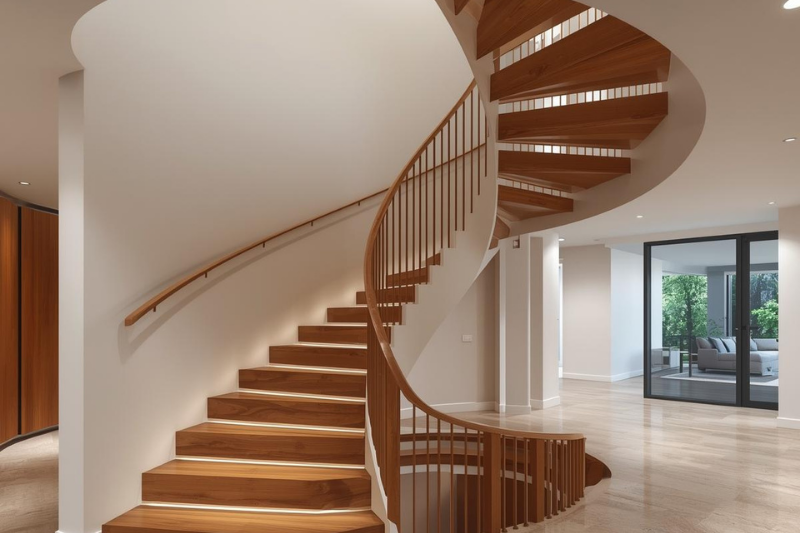
When it comes to making a lasting impression in a home, few elements capture attention quite like a statement staircase or a unique architectural feature. These design choices do more than connect floors — they define the style, character, and personality of your space. From sweeping curves to unexpected materials, bold features can transform an ordinary home into a showstopper. 1. The Staircase as a Centerpiece A staircase is no longer just functional; it’s an opportunity to showcase craftsmanship and style. Some trends gaining traction in modern homes include: Floating Staircases: Minimalist treads and hidden supports create an airy, open feel. Perfect for contemporary spaces that prioritize light and flow. Curved or Spiral Designs: Dramatic, elegant, and sculptural, these staircases often become the focal point of a foyer. Mixed Materials: Combining wood, metal, and glass adds texture and interest while complementing other design elements. Tip: Even small staircases can make a statement by introducing bold railing designs, unique finishes, or creative lighting. 2. Architectural Features That Wow  Beyond staircases, architectural details throughout your home can elevate its design: Exposed Beams and Trusses: Rustic charm meets modern elegance, highlighting craftsmanship and structure. Feature Walls and Niches: A textured wall, built-in shelving, or decorative niche can become an artful focal point. Custom Moldings and Ceiling Treatments: Coffered ceilings, tray designs, and crown molding bring sophistication and depth to rooms. These features not only enhance the visual appeal but can also increase perceived value — making your home memorable to visitors or potential buyers. 3. Marrying Function with Style The most successful statement features are those that combine beauty with practicality. For example: Integrated Storage: Under-stair cabinets or hidden drawers keep spaces tidy while showcasing innovative design. Lighting: Strategically placed LED strips, pendant lights, or wall sconces highlight architectural details and create mood. Material Choice: Durable, high-quality materials ensure your design choices remain stunning for years. When function meets style, every feature contributes to a cohesive and inviting home. 4. Tips for Making It Yours If you’re considering bold architectural choices: Start with a Plan: Identify the space and scale that works for your home. Hire Experienced Professionals: Skilled carpenters, architects, and designers can bring ambitious ideas to life safely and beautifully. Blend with Your Home’s Style: Statement features should complement, not clash with, your overall aesthetic. Even small touches — a floating shelf, a decorative railing, or a dramatic archway — can have a big impact when done thoughtfully. Statement staircases and unique architectural features transform everyday spaces into memorable, personal experiences. They create conversation starters, highlight your design sensibilities, and in many cases, boost resale appeal. Whether you’re planning a remodel or building a new home, considering these bold elements can elevate your living spaces from ordinary to extraordinary. Ready to Transform Your Home? At Lowcountry Charmed, we help homeowners envision spaces that are both beautiful and functional. We’re here to guide your home’s transformation every step of the way. 📞 843-790-4522 | ✉ info@lowcountrycharmed.com | 🌐 lowcountrycharmed.com

Statement Staircases and Unique Architectural Features: Elevating Your Home’s Design Read More »

Closing Costs For Buyers In South Carolina Explained

Are you trying to figure out how much cash you’ll need to close on a home in Charleston? You’re not alone. Closing costs can feel confusing when you’re also juggling down payment, inspections, and insurance. This guide breaks down what you’ll likely pay, local customs in South Carolina, and smart ways to estimate and reduce costs. Let’s dive in. What closing costs include Closing costs are one-time fees and prepaids required to complete your purchase and start your mortgage. They do not include your down payment. You’ll see lender fees, title and recording charges, prepaid interest and insurance, potential escrow deposits, and third-party inspection costs. Some items are negotiable, and some depend on your loan program. Typical total in Charleston Most buyers in the Charleston area can plan for about 2% to 5% of the purchase price in closing costs, excluding the down payment. Your number depends on your lender’s pricing, title premiums tied to price, insurance needs, and whether you receive seller concessions. Coastal properties may lean higher because of insurance and escrows. Lender fees to expect Origination and points. Your lender may charge an origination or processing fee. You can also choose to pay discount points to lower your rate. Rate Reduction: This usually lowers your rate by a quarter-point (0.25%), but can range from 0.125% to 0.25%. Underwriting and admin. These are typical processing charges and often total a few hundred to a little over a thousand dollars. Appraisal and credit report. Appraisals in the area often run about $450 to $900 depending on property type and complexity. Credit reports usually cost $25 to $60. Program-specific charges. FHA, VA, USDA, and conventional loans have different upfront costs and concession limits. Your lender will outline these on your Loan Estimate. Title and settlement charges Title insurance. Lenders require a lender’s title policy to protect the mortgage. In much of South Carolina, the owner’s title policy is often paid by the seller, but this is not guaranteed. Title insurance premiums are set by state regulation and vary with the purchase price. Settlement and search fees. Expect a settlement or closing fee from the title company or closing attorney, plus title search and exam fees. Together, these often total several hundred dollars to around $1,200. Recording Fees in South Carolina (Buyer Costs).  In South Carolina, recording fees are paid to the County Register of Deeds to officially record documents such as the deed and mortgage. Typical Recording Fees. While fees vary slightly by county, buyers can generally expect: Deed recording: ~$25–$35 Mortgage recording: ~$25–$40 Total recording fees: Approximately $50–$75 These fees are relatively modest compared to other closing costs and are usually itemized clearly on the settlement statement. Prepaids and escrow basics Prepaid interest. You’ll prepay daily interest from your closing date to the start of your first full mortgage month. Escrow deposits. Lenders commonly collect 2 to 3 months of property taxes and homeowners insurance, and flood insurance when required. These deposits can add up, especially on higher-priced or coastal homes. First-year insurance. You typically pay the first year of homeowners insurance at closing. Coastal homes may require higher premiums or specific wind/hurricane coverage. If the home lies in a Special Flood Hazard Area, your lender will require flood insurance. Inspections and third-party fees Home inspection. Budget roughly $300 to $700 depending on size and age. Additional inspections (pest/WDO, septic, well, radon, mold) range from about $75 to $500 each. Survey. Sometimes required or recommended, often $300 to $1,000 or more based on lot and location. HOA and condo documents. Expect $100 to $500 or more for document and transfer fees, especially in larger communities and condo associations. Government and county items Recording and transfer. You’ll pay to record the deed and mortgage with Charleston County. Check with your settlement agent for the current schedule. South Carolina’s transfer and recording practices differ from other states, so rely on your title professional for exact figures. Property tax proration. Taxes are paid in arrears in South Carolina and are prorated at closing. How to estimate costs early Use these steps to get accurate numbers well before closing: Ask your lender for a Loan Estimate within 3 business days of applying and compare at least 2 to 3 offers. Focus on Total Closing Costs, lender credits, and Estimated Cash to Close. Request a preliminary title fee estimate from a Charleston title company or closing attorney once you go under contract. Get homeowners and flood insurance quotes for the specific property and include the first-year premium and escrow seed. Plan for 2 to 3 months of escrow deposits for taxes and insurance at closing. Verify wire instructions through a trusted channel. Expect to bring certified funds or wire the amount due at closing. Ways to reduce out-of-pocket Compare lenders on both rate and fees. Lender credits can offset closing costs in exchange for a slightly higher rate. Negotiate seller concessions within loan program limits to cover some closing costs or prepaids. Consider whether to pay discount points. No-point options often reduce upfront cash but may raise your monthly payment. Compare title and settlement fees. Local providers can differ. Decide which inspections are essential for the property. Skipping inspections increases risk. Plan your cash to close You will receive a Loan Estimate early in the process and a Closing Disclosure with final numbers at least 3 business days before closing. Review both carefully. Confirm payoff amounts, credits, proration, and wire details with your closing team. Quick buyer checklist Ask your lender for a Loan Estimate and compare 2 to 3 offers. Request a title and closing estimate from a local Charleston provider. Get homeowners and flood insurance quotes for the property. Ask which closing costs sellers typically cover and confirm in writing. Budget 2% to 5% of the purchase price as a planning range. Local guidance and next steps Buying in the Lowcountry involves a few coastal-specific factors, from flood insurance to HOA transfer fees. A local team can help you price each line item early so there are no surprises at the closing table. If you are

Closing Costs For Buyers In South Carolina Explained Read More »

Storage Solutions That Don’t Compromise Style: Clever Ways to Hide Clutter While Enhancing Interiors

Clutter is one of the fastest ways to make even the most beautiful home feel chaotic. But organizing your belongings doesn’t have to come at the expense of style. With thoughtful design, storage solutions can blend seamlessly into your interiors — keeping your home tidy while enhancing its aesthetic appeal. 1. Built-In Storage: Sleek, Seamless, and Functional Built-ins are a designer favorite because they combine practicality with elegance: Window Seats with Hidden Compartments: Perfect for storing blankets, pillows, or toys, while creating cozy reading nooks. Custom Cabinets and Shelving: Tailored to your space, these solutions make use of awkward corners or walls while keeping items neatly tucked away. Integrated Entertainment Units: Conceal media equipment, books, and decor while maintaining a polished living room look. Tip: Choose finishes and materials that match your home’s style to make storage feel like a natural extension of the space. 2. Multi-Functional Furniture Furniture that doubles as storage is a stylish way to reduce clutter without adding extra pieces: Ottomans and Benches: Store throws, games, or magazines inside seating. Coffee Tables with Drawers or Lift Tops: Hide remotes, books, or kids’ toys while keeping surfaces clean. Beds with Under-Frame Storage: Perfect for off-season clothes, linens, or extra bedding. Pro Tip: Prioritize pieces that complement your existing décor — functionality doesn’t have to sacrifice aesthetics. 3. Clever Concealment Sometimes the most effective storage is the kind you barely notice: Decorative Baskets and Bins: Hide items while adding texture and warmth to a room. Sliding or Pocket Doors: Use these to conceal closets, laundry areas, or pantries without disrupting the flow. Hidden Compartments in Staircases or Cabinets: Utilize unexpected spaces for storing items you don’t use every day. These subtle touches keep your home feeling organized without overwhelming it with visible storage solutions. 4. Vertical and Overhead Storage Maximizing vertical space keeps clutter off floors while adding visual interest: Tall Shelving Units: Draw the eye upward and provide ample space for books, decor, and essentials. Wall-Mounted Cabinets: Ideal for kitchens, bathrooms, and mudrooms to keep counters clear. Hanging Storage: Hooks, pegboards, and overhead racks can hold everything from kitchen utensils to bicycles in style. Tip: Combine functionality with decorative elements — mix books, plants, and art with storage containers to create a curated look. 5. Style Meets Organization The key to successful storage solutions is balancing beauty with functionality: Choose materials that complement the room’s palette. Keep frequently used items easily accessible. Use hidden storage for clutter that doesn’t need to be seen daily. When executed thoughtfully, your storage solutions can elevate your interiors rather than detract from them. Why It Matters Homes that combine style with smart storage feel calm, inviting, and organized. From built-ins to multi-functional furniture, these solutions not only reduce clutter but also enhance your living spaces’ aesthetic value. Whether you’re designing a new home or updating your current space, clever storage is a key ingredient to creating interiors that are both beautiful and practical. Ready to Transform Your Home with Stylish Storage? At Lowcountry Charmed, we provide tips, design ideas, and resources to help you create homes that are both functional and stunning. Let us help you discover storage solutions that keep your home organized without compromising on style. 📞 843-790-4522 | ✉ info@lowcountrycharmed.com | 🌐 lowcountrycharmed.com

Storage Solutions That Don’t Compromise Style: Clever Ways to Hide Clutter While Enhancing Interiors Read More »

Year-End Market Snapshot: What the Holidays Reveal About the Coming Year in Real Estate

As the year winds down and the holiday season settles in, the pace of everyday life naturally slows. Homes are filled with gatherings, travel plans, and quiet moments of reflection. It’s also the time when many people pause to ask: What does the market look like right now—and what might next year bring? While real estate activity typically softens during the holidays, this slower season offers some of the clearest insights into where the market is headed. A Calmer Market — But Not a Stalled One Late fall and early winter traditionally see fewer listings and fewer buyers actively touring homes. This year is no exception. However, “slower” doesn’t mean stagnant. What we’re seeing instead is a more thoughtful market: Buyers are taking their time and making intentional decisions Sellers are pricing more realistically Homes that show well and are priced right continue to move The holiday market tends to filter out casual browsers, leaving behind serious buyers and sellers — which creates cleaner, more meaningful transactions. What Today’s Buyers Are Telling Us Even during the holidays, buyer priorities remain consistent: Move-in-ready homes are still in demand Functional layouts and comfortable living spaces matter more than ever Buyers are paying attention to long-term value, not just quick wins Many buyers active right now are planning ahead for the new year. They’re watching inventory, tracking prices, and preparing to act early — a strong indicator that demand will carry into the first quarter. Sellers: A Season of Strategy, Not Pressure For sellers, the end of the year offers an opportunity to step back and plan. Homes listed during the holidays often face less competition and attract buyers who are highly motivated. Key takeaways for sellers right now: Pricing accuracy matters more than ever Presentation and condition can make or break interest Flexibility in timing and negotiations can work in your favor Rather than rushing to list, many sellers are using this time to prepare — making small improvements, reviewing market data, and positioning themselves for a strong start in the new year. What the Holiday Market Signals for the Year Ahead Historically, the patterns we see in November and December help shape the tone for the months that follow. Right now, the signals are pointing toward: A more balanced market Steady (not rushed) buyer activity Continued focus on lifestyle-driven home choices This is a market that rewards preparation, patience, and good information — and that’s good news for both buyers and sellers. A Thoughtful Season for Big Decisions The holidays invite us to slow down, reflect, and think about what truly feels like home. Whether you’re dreaming about a fresh start, considering a move next year, or simply staying informed, this quieter season offers valuable clarity. Start Planning Your Next Move Today! 843-790-4522 | info@lowcountrycharmed.com | lowcountrycharmed.com

Year-End Market Snapshot: What the Holidays Reveal About the Coming Year in Real Estate Read More »

What Is A Regime Fee In Mount Pleasant?

Eyeing a Mount Pleasant condo or townhome and wondering what that “regime fee” really covers? You’re not alone. If you want low-maintenance living near beaches and shopping, understanding this cost is key to a smart purchase. In this guide, you’ll learn what a regime fee is, what it usually includes, how it differs from HOA dues, and how to judge whether it is worth it for your lifestyle and budget. Let’s dive in. What a regime fee means in Mount Pleasant In the Charleston area, including Mount Pleasant, the term “regime fee” is commonly used for the recurring assessments you pay to a condominium or similar association. You own your unit, and you share ownership and responsibility for common areas with other owners. The association is typically run by an elected board and may hire a professional manager. Each community’s recorded declaration and bylaws define owner responsibilities versus what the regime covers. Those documents control maintenance, insurance, budgets, and rules. Always review them for the specific property you are considering. What regime fees usually cover Regime fees commonly fund the care and operation of the building and grounds you share with your neighbors. While each community is different, fees often include: Exterior maintenance and repairs such as roofs, siding, and exterior painting Common area care like landscaping, irrigation, sidewalks, parking, and lighting Building systems for shared spaces, including elevators and common-area HVAC Master insurance for common areas and the building shell Reserve fund contributions for long-term repairs and replacements Professional management and administrative costs Amenities and services such as a pool, fitness center, clubhouse, security, and trash for common areas Sometimes, certain utilities such as water, sewer, or shared cable/internet What you usually pay separately Interior maintenance and finishes inside your unit, including appliances and interior painting Your personal property and interior improvements (often insured under an HO-6 policy) Individually metered utilities like electricity, gas, and internet if not included Flood insurance for your unit if required and not covered by the association’s policies Deductibles on association policies that might be assessed based on the governing documents Special assessments if reserves fall short for major repairs or litigation Coverage varies by community. Some include utilities and cable, while others only cover exterior common elements. Never assume—confirm in writing. Regime fees vs HOA dues In a typical condominium regime, you own your interior space and share common elements such as the exterior, roof, and land. The regime fee often covers exterior maintenance and structure-level insurance. This can provide a more hands-off ownership experience. In a single-family HOA, you usually own the house and lot. HOA dues often fund shared amenities and landscaping for common areas, while you handle your roof, siding, and exterior work unless the docs say otherwise. For buyers, regime fees are a trade-off. You may pay more each month, but you spend less time coordinating repairs and upkeep. If you want low-maintenance living near Isle of Palms or Sullivan’s Island, that trade can be worth it. How to judge value before you buy Think beyond the dollar amount. You want a clear picture of what you get for the fee and the health of the association behind it. Due diligence documents to request Current and prior year budgets Reserve study (if available) and current reserve balance Recent financial statements and bank statements Board meeting minutes for the past 12–24 months Declaration, bylaws, and rules and regulations Insurance certificates for master property and liability, including deductibles Resale certificate or condo questionnaire Special assessment history and any pending assessments Litigation disclosures Management contract and fees, if professionally managed Occupancy and rental profile, plus any rental restrictions Smart questions to ask What exactly is included in the regime fee, line by line? How often are fees collected and what are the late fee policies? When was the last special assessment and why? What is the reserve fund balance and when was the last reserve study? Any planned capital projects or expected fee increases? Any recent or ongoing insurance claims or insurer changes? What rental, pet, and parking rules could affect use or income? Any known structural issues or environmental exposures, including flooding? Compare the true monthly cost Look at total housing cost: mortgage plus regime fee plus utilities not included plus your insurance and property taxes, and flood insurance if applicable. Then compare that to a similar single-family home where you would handle exterior maintenance. This apples-to-apples view helps you decide if the fee fits your budget and lifestyle. Coastal factors that drive fees Mount Pleasant’s coastal setting shapes both costs and risk. Salt air, wind, and hurricanes can increase maintenance needs and insurance expenses. Associations may carry separate windstorm coverage and have hurricane-related deductibles. Ask how those deductibles are handled and whether flood insurance is carried for the structure. Amenities matter too. A marina, elevators, pools, fitness centers, gates, and on-site staff add convenience but also increase operating costs. Expect higher fees or occasional special assessments where maintenance is complex, such as seawalls, docks, or dredging. Local rules can also affect operations. Parking policies, storm preparation requirements, and short-term rental rules may impact budgets and association decisions. Make sure any rental goals align with community and town requirements. Real-world scenarios in Mount Pleasant Example A: A small inland midrise with limited amenities might have lower regime fees that cover exterior maintenance, landscaping, and master insurance. You would likely pay your unit utilities and interior upkeep. Example B: A waterfront complex with a marina, pool, and security has higher fees because of dock maintenance, landscaping, building insurance, and staffing. Periodic special assessments may occur for dredging or bulkhead projects. Example C: A townhome regime that includes building envelopes may cover roof, siding, and limited common elements. Fees vary based on age and condition of the buildings and the reserves needed for future work. Next steps for buyers Get the governing documents, budgets, reserve data, and insurance certificates before you make a final decision. 2) Map out your total monthly cost

What Is A Regime Fee In Mount Pleasant? Read More »

Earnest Money vs Due Diligence In South Carolina

Ever wondered why some offers in Charleston include both an earnest money deposit and a due diligence fee? If you mix them up, it can cost you thousands. Whether you are buying on Daniel Island, selling in Mount Pleasant, or eyeing an investment on the peninsula, you deserve simple, clear guidance. In this post, you will learn what each payment is, how refundability works, typical amounts in our market, and smart ways to negotiate your timelines and risk. Let’s dive in. Quick definitions you can trust Earnest money is a buyer deposit that shows good faith to close. It is held in escrow and, if the sale closes, it is applied to your purchase price. If you terminate under the contract’s allowed reasons, it can be refundable. Due diligence fee is a negotiated fee paid to the seller for your unrestricted right to terminate during a set due diligence period. It typically is non-refundable if you back out during that window. If you close, it is usually credited toward your purchase price. Earnest money vs due diligence: key differences Purpose Earnest money: Signals you are serious and performing under the contract. It protects both sides if used correctly. Due diligence fee: Compensates the seller for taking the home off the market while you investigate the property. When you pay Earnest money: Usually within a few days after the contract is signed, as the contract instructs. Due diligence fee: Often at contract signing or very soon after, based on the negotiated terms. Who holds it Earnest money: An escrow holder named in the contract, such as a closing attorney, title company, or brokerage trust account. Due diligence fee: Paid to the seller directly or delivered into escrow then released to the seller per the contract. Refundability at a glance Earnest money: Refundable if you properly terminate under the contract’s protections. If you default after protections expire, the seller may keep it as liquidated damages. Due diligence fee: Generally not refundable if you terminate during the due diligence period. If you close, it is typically credited toward the price. Typical amounts in Charleston Local custom varies by property type, price, and competition, but these ranges are common around Charleston: Earnest money: Often 1 percent of the purchase price, with many transactions falling between 1,000 and 10,000 dollars. Due diligence fee: Frequently 500 to 10,000 dollars, and sometimes more in hot, low-inventory situations. Charleston can be competitive. Sellers may push for shorter due diligence periods, higher due diligence fees, or fewer contingencies. As a buyer, that can help your offer stand out, but it also raises your risk if you change your mind. How the South Carolina timeline works A standard process in our market looks like this. Your contract will control the exact terms. Day 0: Contract is signed. You deliver the due diligence fee to the seller or escrow and send earnest money to the escrow agent within the time stated in the contract, often 1 to 3 business days. Due diligence period: Commonly 7, 10, or 14 calendar days, negotiated up front. You complete inspections, appraisal, loan steps, title review, and any HOA or condo document review. You can terminate for any lawful reason during this period by proper notice. If you do, you typically forfeit the due diligence fee and get earnest money back. After due diligence ends: You are bound to proceed unless another contingency applies. If you default after your protections expire, the seller may keep the earnest money. The seller already holds the due diligence fee. Closing: If the sale closes, both the due diligence fee and earnest money are usually credited toward your purchase price per the contract. What happens in common scenarios Example A: Terminate during due diligence Purchase price: 500,000 dollars Earnest money: 5,000 dollars Due diligence fee: 3,000 dollars Outcome: You terminate during the due diligence window. You forfeit the 3,000 dollars to the seller. The 5,000 dollars earnest money is returned to you. Example B: Proceed to closing Same numbers as above Outcome: You close. The 3,000 dollars due diligence fee and the 5,000 dollars earnest money are both credited at closing, reducing the cash you bring by 8,000 dollars. Example C: Back out after due diligence ends without a right to do so Outcome: You likely lose the earnest money, and the seller already kept the due diligence fee. You effectively paid both amounts. Smart negotiation tips for buyers Balance time and risk: A longer due diligence period gives you time for inspections and loan steps, but sellers prefer shorter windows. If you need more time, negotiate it up front. Coordinate lending: Work with your lender so financing milestones line up with your due diligence deadline. Avoid letting your protections end before you are ready. Book inspections fast: Schedule inspectors immediately after ratification to make the most of your due diligence days. Know your exposure: Offer only a due diligence fee amount you can afford to lose if you decide to walk away. Lock in escrow details: Confirm in writing who holds the earnest money and how funds are credited. Strategic tips for sellers Push for certainty: A higher due diligence fee and a shorter due diligence period can reduce your time off market and buyer uncertainty. Verify handling: Confirm where earnest money and due diligence funds will be held and how they will be disbursed at termination or closing. Require clear notices: Ensure the contract specifies how and when a buyer must give written notice to terminate. Charleston due diligence priorities Use your due diligence time wisely. In Charleston, a few items often deserve early attention. Inspections for age and coastal wear: Older or historic homes may reveal roofing, HVAC, moisture, flood, and coastal construction considerations. Flood zones and insurance: Review elevation certificates, flood zone status, and insurance availability and cost. These items can affect your overall budget and comfort level. HOA and condo documents: For properties in associations, review budgets, policies, and resale documents to understand fees,

Earnest Money vs Due Diligence In South Carolina Read More »

Seller Disclosures In SC: Getting It Right In Goose Creek

Selling your Goose Creek home? The seller disclosure can make or break your deal. Buyers want confidence, and you want a smooth closing with no surprises. When you complete South Carolina’s disclosure the right way, you set clear expectations and lower your risk. This guide walks you through what the law requires, local records to gather in Berkeley County, and a practical checklist so you feel prepared. Let’s dive in. What SC disclosures require South Carolina law requires most home sellers to give buyers a written Residential Property Condition Disclosure Statement that covers what you actually know about the property. The goal is simple: prevent surprises and reduce disputes later. You will answer questions about the home’s structure, systems, water and sewage, flooding, pest history, and any known legal or environmental issues. This disclosure reflects your knowledge. It is not a substitute for a professional inspection. If you are unsure about a condition, say so honestly and consider getting a qualified contractor or inspector to evaluate it before listing. Pre-1978 homes and lead paint If your home was built before 1978, federal law requires you to give buyers a lead-based paint information pamphlet and disclose any known lead hazards. You can review the requirements in EPA’s lead-based paint disclosure rules. Who must disclose Most residential properties designed for one to four families require the disclosure in South Carolina. Common exemptions may include transfers ordered by a court, sales by certain fiduciaries acting in their duties, some intrafamily transfers, foreclosure or trustee sales, and transfers involving government entities. Exemptions can be technical and fact-specific. If you think your sale might be exempt, confirm with your listing agent or a South Carolina real estate attorney. For the legal framework, see the South Carolina Residential Property Condition Disclosure Act. What the form covers Expect to answer questions in these areas: Ownership and occupancy history Roof, foundation, and structural issues or repairs Plumbing, electrical, heating and air conditioning condition and age Water supply and sewage: public, well, or septic, with permits and repairs Environmental hazards known to you, including lead-based paint for pre-1978 homes Termites and wood-destroying organisms: past reports, treatments, and bonds Flooding, drainage, water intrusion, and related insurance claims Zoning, easements, encroachments, or pending legal matters affecting the property Additions and alterations, including whether permits were pulled Built-in appliances and equipment, plus any warranties Answer honestly to the best of your knowledge. If you learn new information after providing the disclosure, update it and deliver the revised version promptly. When to deliver Best practice is to complete the disclosure before you go live on the market. In practice, buyers expect to review it before signing a binding agreement. Timing rules and buyer remedies get technical under state law, so coordinate with your agent and attorney for your specific contract. A smooth process looks like this: Complete the form at the listing stage and include it in your MLS documents Provide supporting records, like permits, inspection reports, and warranties Update the disclosure if conditions change during the listing period Keep dated proof of delivery, such as email receipts or signed acknowledgments Goose Creek factors to document Flooding and flood zones Parts of Goose Creek and Berkeley County are low-lying. Disclose any history of flooding, water intrusion, or flood-related claims. Buyers often verify the flood zone and request elevation certificates. You or your agent can confirm the property’s zone at the FEMA Flood Map Service Center. Your flood insurance provider can also share claim history related to your policy. Septic systems and wells If your property has a septic system or private well, gather permits, location information, repair history, pump and inspection records, and any water testing results. Buyers typically ask for age, service history, and the last pump date. If records are incomplete, consider scheduling a current inspection before listing. Permits and unpermitted work Collect building permit records, final inspections, and any certificates of occupancy for additions or major repairs. If work was completed without a permit, disclose it. You can work with your agent to request records from the City of Goose Creek Building and Codes office. Termites and wood-destroying organisms South Carolina’s climate supports active termite pressure. Keep any termite letters, inspection reports, treatment receipts, and bond documents. Disclose any known past infestation or treatments and provide copies when possible. HOAs and deed restrictions If your home is in an HOA, share the community name and management contact. Have governing documents available, including covenants, bylaws, rules, recent budgets, meeting minutes, and any pending assessments. Buyers will request official HOA packets during due diligence. Insurance history and storm repairs If your property had wind, hurricane, or flood damage, disclose the event, repairs, permits, and any related insurance claims. Keep receipts and contractor warranties together so buyers can review them easily. Your preparation checklist Set yourself up for a clean contract by pulling these items before you list: Completed South Carolina Residential Property Condition Disclosure Statement Lead-based paint disclosure and EPA pamphlet for pre-1978 homes Recent survey or plat, if available Title and ownership documentation; any related legal paperwork Building permits, final inspections, and certificates of occupancy for additions or repairs Septic permits and pump/inspection records; well permits or water test results Any recent inspection reports; termite letters, treatment receipts, and bond paperwork Roof, HVAC, plumbing, and electrical service receipts; active manufacturer warranties Insurance claim history and repair invoices, including flood or wind events HOA contact details and governing documents, or instructions for obtaining them Environmental reports or remediation documentation, if any A simple log of material repairs or replacements with dates Proof of disclosure delivery to the buyer Risk management basics Full and timely disclosure is the best way to reduce post-closing issues. If you are unsure about a condition, get it inspected before you hit the market and keep the report with your records. Document repairs with receipts and, when applicable, permits. Work with a local agent and, for complex situations, a South Carolina real estate attorney. How we help

Seller Disclosures In SC: Getting It Right In Goose Creek Read More »