Uncategorized

What to Look for When Choosing the Right Neighborhood in North Charleston, SC

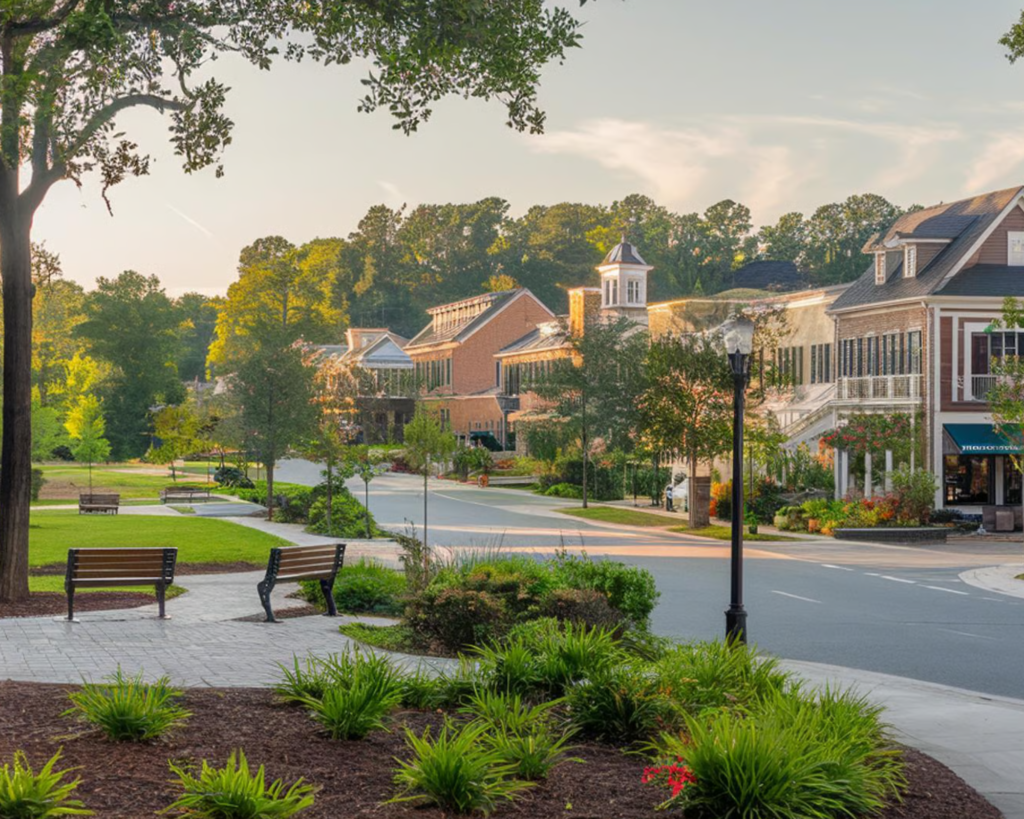
Choosing the right neighborhood is a significant decision when buying a home in North Charleston, SC. This vibrant city offers a variety of neighborhoods, each with its own unique charm and characteristics. Understanding what to look for can help ensure that you find a neighborhood that aligns with your lifestyle and preferences. From amenities and transportation options to community atmosphere and future growth potential, several factors can influence your choice. Proximity to Work and Transportation One of the first considerations when choosing a neighborhood in North Charleston is its proximity to your workplace and access to transportation. North Charleston is well-connected by major highways, including I-26 and I-526, making commuting relatively straightforward. If you prefer public transportation, check the availability of bus routes and stops near potential neighborhoods. Living close to your workplace or having easy access to transportation can significantly enhance your daily routine, reducing commute times and increasing convenience. Local Amenities and Services North Charleston boasts a variety of shopping centers, parks, and recreational facilities. Areas like Park Circle are known for their vibrant community centers and local shops. Consider what amenities are important to you, such as grocery stores, fitness centers, or medical facilities, and ensure they are easily accessible from your chosen neighborhood. Having essential services nearby can improve your quality of life and add convenience to your daily activities. Community Atmosphere and Lifestyle The community atmosphere and lifestyle of a neighborhood can greatly influence your living experience. North Charleston offers neighborhoods with different vibes, from the bustling energy of urban areas to the tranquility of suburban settings. Spend time in potential neighborhoods to get a feel for the community. Attend local events or visit community centers to observe the lifestyle and interactions among residents. Understanding the community atmosphere can help you determine if a neighborhood aligns with your personal preferences and lifestyle. Future Development and Growth Considering the future development and growth potential of a neighborhood is essential. North Charleston is a city experiencing growth, with ongoing developments and infrastructure projects. Research any planned developments or zoning changes in the area, as these can impact property values and the overall character of the neighborhood. A neighborhood with positive growth prospects can be a wise investment, potentially increasing the value of your property over time. Safety and Security While specific details about safety cannot be discussed, it’s important to feel secure in your chosen neighborhood. Consider visiting the area at different times of the day to gauge the overall sense of security. Speak with local residents to understand their experiences and perceptions of the neighborhood’s safety. Feeling comfortable and secure in your environment is crucial for peace of mind and overall satisfaction with your living situation. School Districts and Educational Opportunities For those with educational needs, the availability of quality educational opportunities is a key consideration. North Charleston offers various educational institutions, including public and private options. Research the reputation and performance of schools in the area to ensure they meet your expectations. Proximity to reputable educational facilities can be an important factor for those prioritizing education. Property Values and Market Trends Understanding property values and market trends in North Charleston can provide valuable insights into the neighborhood’s real estate market. Investigate recent sales data and trends in property values to assess the neighborhood’s stability and potential for appreciation. A neighborhood with stable or rising property values can be a sound investment, offering potential financial benefits in the long term. Access to Recreational Activities Access to recreational activities is an important aspect of choosing a neighborhood. North Charleston offers a range of recreational opportunities, from parks and nature trails to sports facilities and cultural attractions. Consider the availability of outdoor spaces and recreational amenities that align with your interests. Having access to recreational activities can enhance your lifestyle and provide opportunities for relaxation and enjoyment. Cultural and Social Opportunities Cultural and social opportunities can enrich your living experience in North Charleston. The city hosts various cultural events, festivals, and community gatherings throughout the year. Explore the cultural scene in potential neighborhoods to see if they offer activities and events that interest you. Engaging in cultural and social opportunities can help you connect with the community and create a fulfilling living experience. Environmental Considerations Environmental factors, such as green spaces and natural surroundings, can influence your choice of neighborhood. North Charleston is known for its beautiful landscapes and proximity to natural attractions. Consider the availability of parks, nature reserves, and waterfront areas when evaluating neighborhoods. Access to natural environments can provide a sense of tranquility and enhance your overall quality of life. Discover Your Ideal Neighborhood in North Charleston Choosing the right neighborhood in North Charleston, SC, is a crucial step in finding your perfect home. By considering factors like schools, amenities, and community vibe, you can make an informed decision that suits your lifestyle. Whether you’re drawn to the vibrant culture or the serene landscapes, North Charleston has something for everyone. For personalized guidance and expert advice, reach out to Lowcountry Charmed LLC and let them help you find your dream neighborhood today.

What to Look for When Choosing the Right Neighborhood in North Charleston, SC Read More »

PMI Demystified: Unlocking Homeownership

Thinking about buying a home but don’t have a 20% down payment saved up? Don’t worry—you’re not alone. That’s where Private Mortgage Insurance (PMI) comes in. While it’s often seen as a necessary evil, PMI might actually help you achieve your homeownership dreams faster than you thought possible. Let’s break it all down—what PMI is, why lenders require it, how you might avoid it, and whether paying it could actually work in your favor. 1. What Exactly Is PMI? Private Mortgage Insurance (PMI) is a monthly fee added to your mortgage payment if you put down less than 20% on a home. Why? Because your lender sees the loan as a higher risk. PMI doesn’t protect you—it protects your lender in case you default on the loan. It’s most common with government-backed loans like FHA or USDA, which are popular with first-time buyers. Before you close on your mortgage, your lender will arrange the PMI with a third-party insurer, and the details will be clearly outlined in your loan documents. 2. Can You Avoid PMI? Sometimes—Here’s How: While PMI is standard for loans with less than 20% down, there are a few ways around it: Explore First-Time Homebuyer Programs: Many local and state programs offer down payment assistance, which could help you meet the 20% threshold and avoid PMI altogether. Government-Backed Loans: FHA loans require PMI, but VA loans (for veterans) don’t. USDA loans also offer favorable terms for qualified buyers in rural areas. Negotiate with the Lender: Some lenders might waive PMI in exchange for a slightly higher interest rate. Run the numbers to see which option makes more financial sense. Leverage Strong Credit or Relationships: Credit unions and select banks may waive PMI if you have excellent credit or move your accounts to their institution. Use a Piggyback Loan: An 80-20 loan splits your mortgage into two parts—one covers 80% of the purchase, the other covers the remaining 20%, helping you bypass PMI (though that second loan may come with a higher interest rate). Consider Owner Financing: Some sellers offer creative financing, like rent-to-own, that doesn’t require PMI. Buy a Lower-Priced Home First: This can make it easier to hit the 20% mark and avoid PMI—and you can always trade up later. 3. How Much Does PMI Actually Cost? PMI is typically 0.5% to 1% of your total loan amount per year, split into monthly payments. On a $300,000 loan, that’s about $125 to $250 a month. Your exact rate will depend on: Your down payment amount Your credit score Your loan type Good credit = lower PMI = more money in your pocket over time. 4. How Long Do You Pay PMI? Good news: PMI doesn’t last forever—at least not always. Conventional Loans: Once you reach 20% equity in your home (through payments or rising home values), you can usually cancel PMI. FHA Loans: PMI typically sticks around for the life of the loan unless you refinance into a conventional loan down the road. 5. Surprising Benefits of Paying PMI Believe it or not, PMI can work in your favor: It Can Open the Door to Homeownership: Instead of waiting years to save up 20%, PMI lets you buy now—and start building equity sooner. It Can Help You Build Wealth Faster: By entering the market earlier, you benefit from potential home appreciation while your rent-paying peers stay on the sidelines. It Might Be Cheaper Than You Think: With a good credit score and solid financials, your PMI rate could be low enough that it barely dents your monthly budget. Bottom Line: PMI Isn’t the Enemy Sure, no one loves the idea of an extra monthly fee. But if PMI is what it takes to get you into your first home, it might be worth it. Do the math. Ask questions. Talk to a trusted lender. And most importantly—make the choice that fits your financial journey.

PMI Demystified: Unlocking Homeownership Read More »

Worth the Splurge? When to Upgrade Windows, Doors, and Insulation

When it comes to home improvements, some upgrades are purely cosmetic, while others have the power to change how your home feels, functions, and even how much you spend on utilities each month. So where do windows, doors, and insulation fit in? If you’ve been wondering whether it’s finally time to invest in these often-overlooked components of your home, here’s a breakdown of when to splurge—and why the right timing can make all the difference. Why These Upgrades Matter Windows, doors, and insulation form the thermal envelope of your home. They impact everything from indoor comfort and noise levels to your energy efficiency and protection during storms. Upgrading these elements can: •    Lower heating and cooling bills•    Improve indoor air quality•    Boost home resale value•    Increase storm resilience•    Reduce noise from outside•    Make your space more comfortable year-round But are they worth it for you right now? Let’s dig into the signs and benefits. When to Upgrade Your Windows Signs it’s time: •    Drafts near windows or fluctuating indoor temps•    Condensation or fog between glass panes•    Difficulty opening, closing, or locking•    Noticeably high energy bills•    Outdated single-pane glass Why it’s worth it: New, energy-efficient windows—especially those with double or triple glazing and Low-E coatings—can reduce your energy costs by up to 30%. In the Lowcountry, impact-rated windows also offer hurricane protection and may earn you a break on home insurance. Bonus: Modern windows often reduce UV damage to furniture and flooring and help buffer outdoor noise. When to Replace Exterior Doors Signs it’s time:•    You feel air or see light coming through gaps•    Warping, rust, or water damage•    Difficulty locking securely•    The door feels hot or cold to the touch Why it’s worth it:High-quality exterior doors do more than look pretty—they provide security, insulation, and weather resistance. Fiberglass and steel doors with energy-efficient cores are great options. And upgrading a front door is consistently one of the best ROI home projects, with potential returns of 60–75%. Pro tip: In hurricane zones like the Lowcountry, choose a door with a high wind-resistance rating. When to Upgrade Insulation Signs it’s time:•    You have uneven room temperatures•    Your HVAC system runs constantly•    Ice dams form in colder weather (if applicable)•    You live in an older home with unknown insulation levels Why it’s worth it:Proper insulation—especially in attics and crawlspaces—can cut heating and cooling costs significantly. It’s one of the most cost-effective ways to improve energy efficiency. In a humid climate, good insulation also helps regulate moisture and air quality. Did you know? Insulating your attic alone can save 10–20% on your energy bills annually. When to Bundle the Upgrades If you’re already replacing your windows or doors, it’s often more efficient (and cost-effective) to address insulation at the same time—especially if you need to open walls or ceilings. Bundling upgrades during a renovation or before listing your home can save time, money, and labor. Are These Upgrades a Good Investment?✅ Energy savings: Lower monthly bills✅ Home value: Buyers love move-in ready upgrades✅ Insurance discounts: Especially for impact-rated features✅ Comfort: Quieter, more stable indoor temperatures✅ Protection: Stronger defenses during hurricanes In short: yes, they’re worth it—but timing and budget matter. If your home is older, drafty, or overdue for improvements, upgrading these areas may be one of the smartest decisions you make. Ready to Make the Call? Not sure whether your home needs an upgrade or just a few quick fixes? That’s what I’m here for. I can help connect you with trusted contractors, guide you on which updates will boost resale value, and even walk you through energy-efficiency options that qualify for rebates or credits. Let’s make sure your home works for you—now and for years to come.📞 (843) 790-4522📧 info@lowcountrycharmed.com🌐 www.lowcountrycharmed.com

Worth the Splurge? When to Upgrade Windows, Doors, and Insulation Read More »

When to DIY vs. When to Call the Pros

Owning a home means repairs, upgrades, and projects will always pop up. Some are fun weekend jobs you can knock out with a little elbow grease, while others are complex, risky, or downright dangerous if you don’t know what you’re doing. The secret to saving money and protecting your investment is knowing the difference. Here’s a detailed guide to help you decide whether to DIY or call in the experts. ✅ When It’s Smart to DIY 1. Painting & Cosmetic Touch-Ups Painting walls, trim, or even cabinets can dramatically transform a room without draining your wallet. With the right prep—taping edges, priming surfaces, and using quality rollers—this is a satisfying DIY project. •    Easy wins: Accent walls, repainting a bedroom, freshening up baseboards.•    Avoid if: You’re dealing with high ceilings, lead paint in older homes, or intricate finishes 2. Landscaping & Outdoor Care Gardening, mulching, trimming shrubs, or planting flowers not only improves curb appeal but also helps you connect with your home. Even simple DIY landscaping can raise property value. •    Easy wins: Laying sod, planting a vegetable garden, installing flowerbeds.•    Avoid if: It involves major grading, irrigation systems, or tree removal (which can be dangerous). 3. Minor Repairs & Replacements These are the small fixes you can typically handle with a screwdriver and some YouTube guidance. Examples: o    Replacing cabinet knobso    Fixing a running toilet (flapper replacement)o    Swapping out a faucet aeratoro    Patching small drywall holes Avoid if: The repair reveals bigger underlying issues (like mold, wiring, or plumbing leaks). 4. Simple Flooring Projects Peel-and-stick tiles, click-lock vinyl, and laminate planks are designed for DIYers. With basic tools, you can tackle small spaces like laundry rooms or guest bedrooms. •    Easy wins: Replacing carpet in one room, updating kitchen backsplashes with peel-and-stick options.•    Avoid if: You’re dealing with hardwood sanding, tile setting, or large uneven subfloors—those require precision. 5. Decorating & Home Organization This is where you can be creative without risk. Hanging shelves, installing curtain rods, or building IKEA furniture adds personal flair to your home. •    Easy wins: Creating gallery walls, setting up closet organizers, updating light switch covers.•    Avoid if: Shelves or furniture need to anchor into tricky materials like brick or load-bearing walls.   🚫 When to Call the Pros 1. Electrical Work  Even small mistakes in electrical wiring can cause fires or electrocution. Unless you’re just changing a lightbulb or swapping a fixture with identical wiring, hire a licensed electrician. •    Pro jobs: Installing ceiling fans, adding outlets, rewiring panels, running new lines.•    Risk of DIY: Code violations, fire hazards, and safety risks. 2. Plumbing Beyond Basics 🚰 Tightening a leaky faucet? Sure. But anything that involves pipes, water heaters, or drains can quickly go from a drip to a flood. •    Pro jobs: Sewer line work, pipe replacements, water heater installation, major leaks.•    Risk of DIY: Water damage, mold, and expensive emergency repairs. 3. Roofing & Gutters 🏠 Roofing is dangerous work, and mistakes can lead to leaks and structural issues. Even gutter installation on two-story homes can be risky. •    Pro jobs: Replacing shingles, repairing flashing, installing skylights.•    Risk of DIY: Falls, improper sealing, water infiltration. 4. Structural & Load-Bearing Changes 🔨 Knocking down walls might look easy on TV, but it can compromise the structural integrity of your home. These projects require permits and engineering expertise. •    Pro jobs: Room additions, wall removal, foundation repair.•    Risk of DIY: Collapsing walls, costly damage, unsafe living conditions. 5. HVAC Systems  Your heating and cooling systems involve electrical components, refrigerants, and complex mechanics. Regular filter changes are DIY-friendly, but repairs should always be left to professionals. •    Pro jobs: AC repairs, furnace servicing, ductwork installation.•    Risk of DIY: Voiding warranties, carbon monoxide leaks, inefficient performance. The “Grey Area” Projects Some projects fall in between—where a handy homeowner could DIY, but may benefit from professional guidance. •    Tiling a bathroom floor: Doable with patience, but tricky cuts and waterproofing may require a pro.•    Installing doors/windows: You can attempt, but energy efficiency and sealing are critical.•    Exterior painting: Manageable on one-story homes, but risky on taller homes.7 DIY projects are a great way to save money and build confidence as a homeowner—but only when you know your limits. If a project risks your safety, your home’s structure, or your finances, that’s the moment to call in the pros. Think of it this way: DIY is for small wins; pros are for long-term value. 📞 (843) 790-4522✉ info@lowcountrycharmed.com🌐 www.lowcountrycharmed.com    

When to DIY vs. When to Call the Pros Read More »

Year-End Market Snapshot: What the Holidays Reveal About the Coming Year in Real Estate

As the year winds down and the holiday season settles in, the pace of everyday life naturally slows. Homes are filled with gatherings, travel plans, and quiet moments of reflection. It’s also the time when many people pause to ask: What does the market look like right now—and what might next year bring? While real estate activity typically softens during the holidays, this slower season offers some of the clearest insights into where the market is headed. A Calmer Market — But Not a Stalled One Late fall and early winter traditionally see fewer listings and fewer buyers actively touring homes. This year is no exception. However, “slower” doesn’t mean stagnant. What we’re seeing instead is a more thoughtful market: Buyers are taking their time and making intentional decisions Sellers are pricing more realistically Homes that show well and are priced right continue to move The holiday market tends to filter out casual browsers, leaving behind serious buyers and sellers — which creates cleaner, more meaningful transactions. What Today’s Buyers Are Telling Us Even during the holidays, buyer priorities remain consistent: Move-in-ready homes are still in demand Functional layouts and comfortable living spaces matter more than ever Buyers are paying attention to long-term value, not just quick wins Many buyers active right now are planning ahead for the new year. They’re watching inventory, tracking prices, and preparing to act early — a strong indicator that demand will carry into the first quarter. Sellers: A Season of Strategy, Not Pressure For sellers, the end of the year offers an opportunity to step back and plan. Homes listed during the holidays often face less competition and attract buyers who are highly motivated. Key takeaways for sellers right now: Pricing accuracy matters more than ever Presentation and condition can make or break interest Flexibility in timing and negotiations can work in your favor Rather than rushing to list, many sellers are using this time to prepare — making small improvements, reviewing market data, and positioning themselves for a strong start in the new year. What the Holiday Market Signals for the Year Ahead Historically, the patterns we see in November and December help shape the tone for the months that follow. Right now, the signals are pointing toward: A more balanced market Steady (not rushed) buyer activity Continued focus on lifestyle-driven home choices This is a market that rewards preparation, patience, and good information — and that’s good news for both buyers and sellers. A Thoughtful Season for Big Decisions The holidays invite us to slow down, reflect, and think about what truly feels like home. Whether you’re dreaming about a fresh start, considering a move next year, or simply staying informed, this quieter season offers valuable clarity. Start Planning Your Next Move Today! 843-790-4522 | info@lowcountrycharmed.com | lowcountrycharmed.com

Year-End Market Snapshot: What the Holidays Reveal About the Coming Year in Real Estate Read More »

Suburban Rental Markets on the Rise: Why Demand Is Growing Beyond City Limits

Over the past few years, suburban rental markets have experienced a noticeable surge—and the momentum shows no signs of slowing. As lifestyles evolve and priorities shift, renters are increasingly looking beyond crowded urban centers and discovering the advantages suburban living has to offer. For investors, landlords, and property owners, this trend presents a powerful opportunity. Why Renters Are Choosing the Suburbs Several key factors are driving the growing appeal of suburban rental markets:   1. More Space for the Money Renters are seeking larger floor plans, extra bedrooms, home offices, and outdoor space—often at a lower cost than comparable urban rentals. Suburban homes frequently offer better value per square foot, making them especially attractive to families and remote workers. 2. Remote and Hybrid Work Flexibility With remote and hybrid work now firmly established, proximity to a downtown office is no longer a necessity. This flexibility allows renters to prioritize comfort, space, and lifestyle over commute times. 3. Quality of Life Improvements Suburbs often provide quieter neighborhoods, access to parks, good schools, and a stronger sense of community. These lifestyle benefits appeal to long-term renters looking to settle in a place that feels like home. 4. Rising Urban Costs Higher rents, parking fees, and general living expenses in major cities are pushing renters outward. Suburban markets offer a more balanced cost of living without sacrificing convenience or amenities. What This Means for Property Owners and Investors   The rise in suburban rental demand has meaningful implications: Lower Vacancy Rates: Well-located suburban rentals are leasing faster due to high demand. Stable, Long-Term Tenants: Renters moving to the suburbs often plan to stay longer, reducing turnover. Strong Rental Growth Potential: As demand increases, rental rates in many suburban markets are steadily rising. Broader Tenant Pool: Families, professionals, retirees, and remote workers are all seeking suburban options. Investors who recognize this shift early can benefit from consistent cash flow and long-term appreciation, especially in suburbs near growing metro areas. What Renters Are Looking for in Suburban Rentals To stay competitive, suburban rental properties should focus on features renters value most: Updated kitchens and bathrooms Energy-efficient appliances Outdoor spaces or access to green areas Ample parking or garages Smart-home features and high-speed internet readiness Properties that align with these preferences are more likely to attract quality tenants and command premium rents. The Outlook for Suburban Rental Markets As housing affordability challenges persist and lifestyle priorities continue to evolve, suburban rental markets are expected to remain strong. For property owners and investors, adapting to this demand means positioning properties strategically, maintaining them well, and understanding the needs of today’s renters. Ready to explore suburban rental opportunities or optimize your existing properties?   Schedule an appointment now 📞 (843) 790-4522📧 info@lowcountrycharmed.com🌐 www.lowcountrycharmed.com

Suburban Rental Markets on the Rise: Why Demand Is Growing Beyond City Limits Read More »

blog4

Short Term Rental Management (AirBNB)

What we do! Short Term Rentals are a great way to optimize your investment property profits. However, managing the property requires a daily commitment and presence to be successful. Concierge offers you a headache-free way to take advantage of the profits without being involved in the day to day activities it takes to manage your Short Term Rental. Income Optimization: We use proprietary software to optimize pricing on a daily basis. Ensuring you the highest profits and lowest vacancy rate. Advertising is a key element in keeping your property at full occupancy. We advertise on Airbnb, Home Away, VRBO, Trip Advisor, FlipKey, and the Charleston Trident MLS System. First impressions really count! We use professional photos to enhance your listing and make it stand out from the crowd. Home and Guest Care Check-in and Check-out process is worry free for you and your Guests. Our staff is local and available for quick turn around and response time for any issues that arise. All inquiries and questions are answered in a prompt and professional manner. All Guests are verified. Contracts, deposits, and fees are collected on your behalf. We oversee ongoing maintenance issues to make sure your property is always guest-ready! Household supplies are restocked on a per-visit basis. Cleaning is a vital service and our local staff makes sure everything is in good order. Flexibility & No Stress Unlimited Owner Use. Just let us know when you plan on staying and your property will be ready. Damage Claim Processing. Damages are few but they do occur. Permitting and Tax Reporting. We help with any permits needed and provide the necessary information for reporting any taxes due.

Short Term Rental Management (AirBNB) Read More »

Local Housing Market Update for South Carolina in 2025

As we move into 2025, the local housing market update for South Carolina shows signs of transition. After years of an ultra-competitive seller’s market, the market is now becoming more balanced, offering homebuyers more options and slightly slower conditions. Sellers will need to adjust to the new dynamics, making this an exciting time for both parties. Homebuyers, particularly first-time buyers, can expect more options and a slightly slower pace, while sellers will need to adjust to new market dynamics. Let’s dive into the latest trends, challenges, and opportunities in South Carolina’s real estate market heading into 2025. Current Market Overview Home Sales and Inventory Trends: South Carolina saw a slight dip in home sales in late 2024, down 8.7% from the previous year. In September 2024, only 5,658 homes sold, signaling a cooling market. This shift has been attributed to rising mortgage rates and economic uncertainty. However, inventory levels have increased, with available homes rising by 16.9%, offering more options for buyers. This shift means that sellers will need to be more competitive and strategic, while buyers will benefit from increased inventory and a less frenzied market. Home Prices: Home prices in South Carolina continue to climb, but at a slower pace compared to previous years. Projections for 2025 suggest a modest national price increase of 2.5%, and South Carolina is expected to follow a similar trend. While prices won’t see drastic increases, buyers should prepare for relatively stable growth. Sellers, on the other hand, will need to price their homes competitively in order to stand out in the market. Regional Hotspots in South Carolina Myrtle Beach: Myrtle Beach continues to attract homebuyers, especially retirees. From 2020 to 2023, the city saw a 23% increase in residents aged 65 and older, making it the fastest-growing area in the U.S. in terms of senior citizens. This surge has affected the local housing market, with a notable demand for properties such as oceanfront condos and active-adult communities. Despite challenges, the Myrtle Beach real estate market remains strong and is expected to continue to grow in 2025. Greenville-Anderson: The Greenville-Anderson area is on the map as one of the hottest real estate markets heading into 2025. According to the National Association of REALTORS®, Greenville is listed among the top housing hot spots for 2025, due to the area’s strong economy, access to amenities, and increasing demand for both single-family homes and investment properties. As the market matures, expect this region to continue drawing interest from out-of-state buyers, especially those relocating for job opportunities. Charleston Area: The Charleston area is firmly positioned as one of the top real estate markets heading into 2025. Known for its vibrant history, coastal charm, and robust job market, Charleston continues to attract out-of-state buyers seeking lifestyle upgrades and lucrative investment opportunities. With a growing economy, world-class amenities, and increasing demand for single-family homes and rental properties, Charleston remains a primary focus for real estate activity. Looking Ahead to 2025: What’s Next? As we head into 2025, the South Carolina housing market is expected to become more balanced, with a slight shift toward a buyer-friendly environment. The cooling-off of the previously high-demand seller’s market means that more homes will be available at varying price points. Mortgage rates are projected to stabilize around 6%, which could entice more buyers to the market. Sellers will likely see less bidding competition, so it’s important to price homes appropriately and make sure they stand out in a more competitive field. Buyers should be aware of regional differences, as areas like Myrtle Beach, Greenville, and Charleston continue to experience strong demand. In contrast, other parts of the state may offer more affordable options or less competition. Whether you’re considering purchasing your first home or investing in rental properties, now is a great time to explore South Carolina’s real estate opportunities. Conclusion The South Carolina housing market in 2025 offers both challenges and opportunities. With increasing inventory and moderate price increases, buyers can expect more choices, while sellers will need to price their homes strategically. If you’re planning to buy or sell in South Carolina, it’s essential to stay informed about market shifts and trends. Whether you’re interested in the resort-style of Myrtle Beach, the economic boom of Greenville, the charm of Charleston, or another area of South Carolina, it’s a great time to make your move in the real estate market. Ready to Explore the South Carolina Housing Market? If you’re looking to buy or sell a home in South Carolina, our team at Lowcountry Charmed is here to guide you through the process. Book an appointment today to start your journey toward finding the perfect home in this thriving state! Book a FREE Consultation Now! Sources: Norada Real Estate The Litchfield Company The Wall Street Journal South Carolina Realtors

Local Housing Market Update for South Carolina in 2025 Read More »

Why Everyone is Moving to the Lowcountry: What Makes It So Special?

The Lowcountry has become one of the most desirable places to live, attracting newcomers from all over the country. But what is it about this region that makes people pack up and move here? From its breathtaking coastal views to its rich history and welcoming community, the Lowcountry offers an unparalleled lifestyle. Here’s why so many are calling it home. 1. Stunning Natural Beauty The Lowcountry is known for its picturesque landscapes—moss-draped oak trees, serene marshlands, and pristine beaches that create a dreamlike setting. Whether you’re looking for a peaceful escape or an active outdoor lifestyle, the region’s scenic beauty provides the perfect backdrop for both. 2. Coastal Living & Outdoor Adventures Living near the water has its perks! With easy access to beaches, rivers, and nature trails, residents can enjoy fishing, boating, kayaking, and paddleboarding year-round. Popular spots like Sullivan’s Island, Folly Beach, and Shem Creek offer stunning coastal experiences just minutes from home. 3. Rich History & Culture The Lowcountry is steeped in history, dating back to the 1600s. Historic Charleston, with its cobblestone streets, grand mansions, and well-preserved landmarks, offers a glimpse into the past. The region’s Gullah culture and traditions add to its unique charm, making it a fascinating place to live and explore. 4. A Thriving Food Scene Food lovers rejoice! The Lowcountry is famous for its incredible cuisine, especially fresh seafood and Southern comfort dishes. From world-class restaurants in downtown Charleston to hidden gems serving shrimp and grits, there’s no shortage of mouthwatering options. 5. Warm Community & Southern Hospitality One of the biggest draws of the Lowcountry is its welcoming atmosphere. The region’s strong sense of community and genuine Southern hospitality make it easy for newcomers to feel right at home. Whether you’re enjoying a local event or chatting with neighbors on the front porch, there’s a friendliness that sets the Lowcountry apart. 6. Strong Real Estate Market With its growing popularity, the Lowcountry’s real estate market continues to thrive. From historic homes in Charleston to waterfront properties and charming suburban neighborhoods, there are plenty of options for buyers looking for their dream home. 7. Mild Climate Year-Round Tired of harsh winters? The Lowcountry’s mild climate allows for outdoor activities all year. While summers can be warm, the coastal breeze keeps temperatures comfortable, making it an ideal place for those who love sunshine and fresh air. Conclusion The Lowcountry isn’t just a place to live—it’s a lifestyle. From its breathtaking scenery to its rich history and vibrant community, it’s no surprise that more and more people are choosing to call this region home. Whether you’re looking for a fresh start, a vacation home, or an investment opportunity, the Lowcountry has something to offer everyone. Ready to Make the Move? Let us help you find your dream home in the Lowcountry! Contact Lowcountry Charmed today for expert real estate advice and local insights.📞 Call Now:  843-790-4522   |  📧 Email Us: info@lowcountrycharmed.com📩 Stay Connected & Informed Follow us on social media for daily updates, home inspiration, and real estate tips.   

Why Everyone is Moving to the Lowcountry: What Makes It So Special? Read More »

Getting Ready To Sell: How To Get Your Home Ready For The Open House!

A successful open house can generate interest, create competition, and even lead to multiple offers. However, to truly stand out and make the best impression, preparation is key. Below is a detailed checklist to help homeowners get their homes ready for a successful open house. 1. Clean and Declutter Every Room First impressions matter. A clean, clutter-free home will feel more spacious and inviting, allowing buyers to visualize themselves living there. Deep Clean: Thoroughly clean every room, including floors, windows, carpets, and bathrooms. Don’t forget to clean high-traffic areas like door handles and light switches.  Declutter: Remove any unnecessary items to create a more organized space. This includes clearing countertops, tables, and closets. Buyers want to see the space, not your personal belongings. Odor Control: Ensure there are no unpleasant smells in the house. Use fresh flowers, candles, or air fresheners, but avoid overpowering scents. 2. Stage the Home to Highlight Its Best Features Staging can make a huge difference in how your home is perceived. The goal is to create an environment where potential buyers can envision themselves living comfortably    Furniture Arrangement: Arrange furniture in a way that highlights the flow of the space. Make sure rooms feel spacious and functional.  Neutralize Personal Items: Remove family photos and personal mementos to allow visitors to imagine their own lives in the home.  Highlight Key Features: Draw attention to the best features of the home, such as a fireplace, built-in bookshelves, or beautiful views. Use furniture and decor to emphasize these elements. Add Decorative Touches: Fresh flowers, a bowl of fruit, or simple decor can make the space feel inviting without being too over-the-top. 3. Ensure a Welcoming Exterior Curb appeal is the first thing potential buyers see, so make sure the exterior of your home is just as inviting as the insid    Lawn Maintenance: Mow the lawn, trim bushes, and remove any weeds. A neat yard shows that the home has been well-cared for.    Clean the Front Porch: Sweep the front porch, wash the front door, and add a fresh doormat. Consider adding a couple of outdoor plants to make the entryway more welcoming.  Lighting: Ensure outdoor lighting is working properly. Bright, welcoming lighting can make a big difference, especially for evening open houses. Paint Touch-Ups: Consider touching up areas of the house that may have chipped paint, especially the front door and window trim. 4. Set the Right Ambience The right atmosphere can help buyers connect emotionally with your home Lighting: Open the curtains or blinds to let in natural light, making the space feel bright and airy. If needed, turn on all the lights to ensure a well-lit environment. Temperature Control: Make sure the house is at a comfortable temperature, whether that means adjusting the thermostat for warmth on a chilly day or cooling it down in the summer. Music: Soft background music can help create a relaxed environment, but make sure it’s not too loud or distracting.  Aromatherapy: Freshen up the air with subtle scents, like a citrus diffuser or a lightly-scented candle, but avoid overpowering aromas. 5. Take Professional Photos for Marketing Quality photos are essential for attracting potential buyers before they even step foot in your home. These photos will be used in online listings, social media, and other marketing materials. Hire a Professional Photographer: A real estate photographer can capture your home in its best light, showcasing its unique features and making it stand out from the competition. Showcase Key Rooms: Ensure that important rooms, like the living room, kitchen, and master bedroom, are highlighted in the photos. Take Exterior Shots: Capture the front and back of the home, especially if the outdoor space is a selling point (e.g., a patio or landscaped garden). 6. Promote Your Open House Effective marketing is crucial to attracting the right buyers to your open house.    Online Listings: Make sure your open house is listed on real estate websites, social media, and local platforms. Provide clear details like the date, time, and any special features of the home.  Social Media: Use social media platforms like Facebook, Instagram, and Twitter to create buzz. Share photos and videos of the property and encourage friends and followers to spread the word. Flyers and Postcards: Distribute flyers or postcards to the neighborhood, nearby areas, and local businesses. This can increase visibility and attract potential buyers who may not be actively searching online. Real Estate Websites: If you’re working with an agent, ensure the open house is promoted on their website and through any online advertising they may use. 7. Prepare for the Day of the Open House The day of the open house is critical to ensuring everything runs smoothly and that potential buyers leave with a positive impression.    Be Flexible with Timing: Be prepared to adjust the time of your open house if you have scheduling conflicts. The goal is to accommodate as many visitors as possible. Provide Refreshments: A few light snacks and drinks (like cookies and bottled water) can create a welcoming atmosphere and encourage buyers to linger longer. Have Marketing Materials Ready: Have property brochures, floor plans, and other marketing materials available for visitors to take with them. These materials should highlight key features of the home and provide contact information. Be Prepared to Answer Questions: If you’re hosting the open house yourself, have answers ready for common buyer questions regarding the home, the neighborhood, and any recent updates or repairs. Bonus Tip: Consider Hosting a Virtual Open House In addition to a traditional in-person open house, consider offering a virtual tour for buyers who may not be able to attend in person. This can expand your pool of potential buyers and give remote clients an easy way to view the property. Ready to Make Your Home Stand Out? Hire an Expert to Handle the Details! Contact us today to schedule a consultation and let our expert team handle the hard work, so you can focus on what matters most—getting your home

Getting Ready To Sell: How To Get Your Home Ready For The Open House! Read More »