
Uncategorized

newsletter front photo (25)

Keeping Your Marble Beautiful: Essential Tips for Homeowners

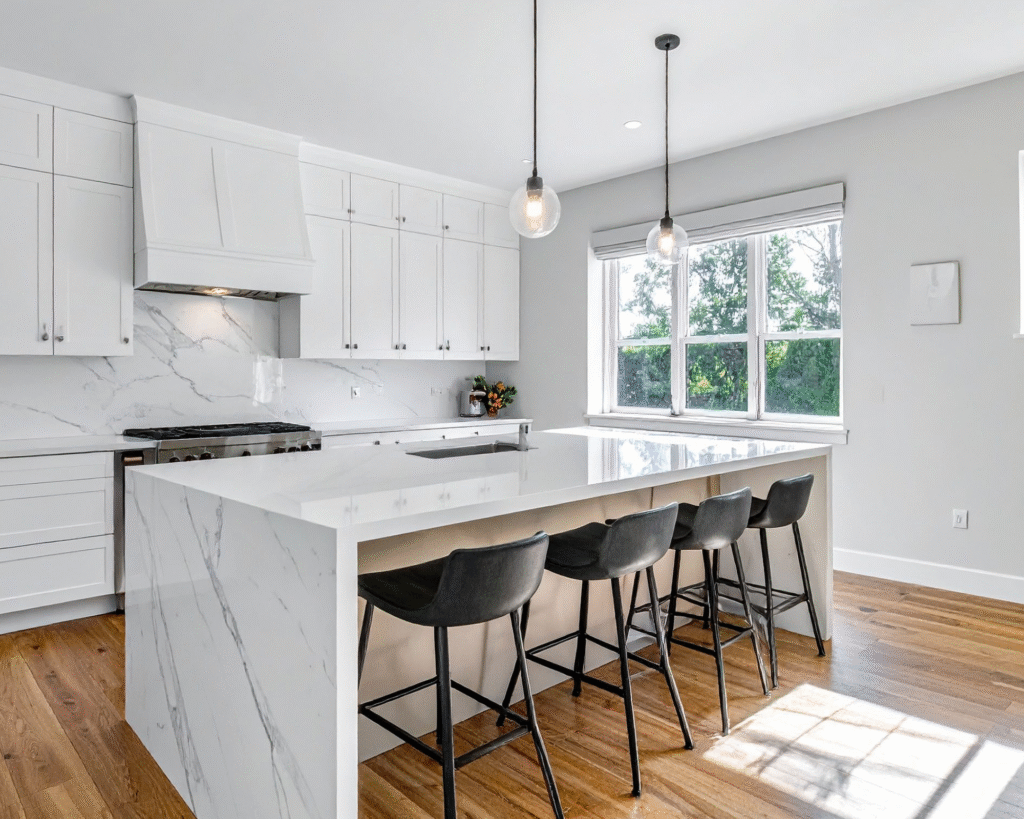
Marble is timeless. Its elegance and natural veining add sophistication to kitchens, bathrooms, and entryways, instantly elevating any home. But like all natural stone, marble requires proper care to maintain its shine and durability. With the right approach, your marble surfaces can remain stunning for years to come. 1. Daily Cleaning Done Right Marble is porous, which means it can absorb spills and stains if not treated carefully. Avoid harsh chemicals or acidic cleaners like vinegar and lemon, which can etch the surface. Instead, use a gentle pH-neutral stone cleaner or a soft microfiber cloth with warm water. Pro Tip: Wipe up spills immediately — especially coffee, wine, or citrus — to prevent permanent stains. 2. Protect from Scratches Even the most beautiful marble can be scratched by heavy pots, metal utensils, or abrasive cleaners. Place felt pads under decorative items and use cutting boards for food prep. For high-traffic areas, consider rugs or mats to reduce wear. 3. Seal for Long-Lasting Shine Sealing your marble is crucial for maintaining its luster and protecting it from stains. Depending on the type of marble, sealing should be done every 12 months. A good sealer forms an invisible barrier that makes cleaning easier and prolongs the stone’s life. 4. Polishing and Deep Care Over time, marble can lose its glossy finish. Professional polishing restores shine and removes minor scratches, bringing your surfaces back to their original beauty. For smaller touch-ups, gentle marble polishing powders or creams can help maintain the finish. 5. Avoid Common Mistakes Don’t use abrasive sponges or scrubbers. Avoid acidic cleaners. Don’t place hot pans directly on marble surfaces. By following these tips, your marble stays elegant, protected, and ready to impress guests for years to come. Discover Professional Marble Care Products For homeowners who want the best for their marble surfaces, thestonecarestore.com offers a full range of cleaners, sealers, and polishes designed for natural stone. From everyday maintenance to deep restoration, we help you protect your investment and keep your home looking pristine. Shop now and give your marble the care it deserves: thestonecarestore.com

Keeping Your Marble Beautiful: Essential Tips for Homeowners Read More »

The 2025 Real Estate Report

Experts Predict Home Values to Increase 1.5% to 3.6% in 2025. Top housing experts and economists give a glimpse of what mortgage rates, home values and the national real estate market will do in 2025. Key Takeaways Mortgages are forecasted to remain higher for longer, but there are things you can do to lower your rate. Home values are predicted to increase incrementally on a national level, and there are projects you can do to increase your home’s value. The national market will slightly favor sellers in negotiations; however, real estate is driven by local dynamics and may favor either buyers or sellers. Note: real estate is a dynamic market and forecasts made in this article will change as the year unfolds. Mortgage Rates Will Average 6.4% in 2025 In 2023, the average 30-year mortgage peaked at 7.79% following the pandemic. Rates came down from that peak in 2024. What will mortgage rates do in the next year? The Federal Reserve is predicted to lower the federal funds rate 6 to 8 times in 2025; but mortgage rates are not set by the Federal Reserve and may not drop significantly (National Association of REALTORS® ). Fannie Mae predicts mortgage rates to average 6.4% in 2025. Mortgage Bankers Association also predicts mortgage rates to average 6.4%, but with slightly higher rates compared to Fannie’s forecast. Sources: Fannie Mae Housing Forecast: November 2024 and Mortgage Bankers Association Mortgage Finance Forecast: November 2024 When Will Mortgage Rates Drop Back to 3%? Historically, rates have never been as low as the pandemic era interest rates. 30-Year mortgage rates averaged between 4% and 6% during & after the housing crisis and Great Recession. A return to a 3% range is very unlikely. Source: Federal Reserve of St. Louis Tips to get a better mortgage rate… While we can’t affect the average 30 year mortgage rate, you can improve your credit and get the best possible rate. Here’s an example of recent mortgage rates by credit score: Source: myFICO.com If you’re thinking of making a move, the earlier you talk to a mortgage finance professional, the more time you have to work on improving your credit to get a better rate. Need a recommendation to a trusted lender? Send me a message. Home Values Will Increase by 1.5% to 3.6% Since 2020, the average sales price of a home has gone up by $97,000 or 29.7% (Federal Reserve of St. Louis). Which indicates homeownership to be a great investment. But, what will home values do in the next year? On a national level, home price growth is predicted to slow down from 2024. However, home prices are predicted to increase in 2025. Fannie Mae predicts home prices to increase on average by 3.6%. MBA is predicting an average increase of 1.5%. Sources: Fannie Mae Housing Forecast: November 2024 and Mortgage Bankers Association Mortgage Finance Forecast: November 2024 Home values are influenced by local market dynamics. If you want to understand what home values are forecasted to do locally, consider talking to a real estate professional. Want to increase your home’s value? Consider these remodeling projects for the highest return on investment. Will Home Values Crash in 2025? For home values to drop significantly, a major influx of homes for sale would have to hit the market. Freddie Mac estimates the U.S. housing stock is 3.7 million units below what’s needed to meet demand. It will take time to build up inventory to meet demand. Which is why a major drop in home values and prices is unlikely. Will 2025 Be a Home Buyers or Sellers Market? Who will have the advantage in the 2025 housing market, buyers or sellers? One measure of the market is Months Supply and it shows who has the advantage. Months Supply is calculated by dividing the total number of homes for sale by the average number of homes sold each month. For example if there are 500 homes for sale in a particular area and an average of 100 homes are selling each month, the Months Supply is 5 months. Here’s a chart of month’s supply going back to November of 2023: Source: Federal Reserve of St. Louis 6 Months Supply is considered a balanced market. Over 6 months supply is considered a buyers’ market. Below 6 months supply is a sellers’ market. At 4 months supply on a national level, the market slightly favors sellers. Inventory is rising nationally, however, which could shift the market to favor buyers in the next year. With that said, all real estate is local and local markets will differ in favoring buyers versus sellers. If you want to know if your area favors buyers or sellers, send me a message. What This Means for Homeowners If you own a home, you will likely see a slight increase in your home’s value. If you want to increase your home’s value and enjoy the upgrades, consider making some home improvements. If you want advice on which features or projects are best suited for increasing your home’s value, consult with a professional. Tips for Potential Home Buyers If you’re thinking of purchasing a home, the sooner you start planning the better. Knowing your price range, optimizing your credit, and working towards your downpayment are steps you can take now. Even if you’re in the market to buy in the next 12 to 24 months, talking with a real estate professional early in the process will set you up for success. Tips for Potential Home Sellers Sellers need to prioritize their objectives. Is getting top dollar for your home the highest priority, is it moving within a specific timeframe? Do you have to sell a home prior to purchasing your next one? These objectives must be prioritized so that an effective plan and marketing strategy can be put into place. Thinking of making a move? Talk to a real estate professional!

The 2025 Real Estate Report Read More »

The Ultimate Moving Timeline: A Step-by-Step Guide for a Stress-Free Move

Moving to a new home is an exciting milestone, but without proper planning, it can become overwhelming. To help make your transition smooth and stress-free, we’ve outlined a strategic moving timeline. Follow this guide to stay organized and in control every step of the way. 8 Weeks Before: Declutter & Donate Unwanted Items Before you start packing, take this time to declutter your home. Moving is the perfect opportunity to get rid of items you no longer need or use. Checklist: ✔ Sort through each room and categorize items into “Keep,” “Donate,” and “Discard” piles. ✔ Sell valuable but unwanted items online or host a garage sale. ✔ Donate gently used clothes, furniture, or kitchenware to local charities. ✔ Schedule a pickup for large donations if needed.✔ Shred unnecessary documents and dispose of expired household products. 6 Weeks Before: Gather Packing Supplies & Book Movers Now that you’ve decluttered, it’s time to gather moving essentials and make necessary arrangements Checklist: ✔ Purchase moving boxes, bubble wrap, tape, and labels. ✔ Research and book a reliable moving company or rental truck. ✔ Measure doorways and hallways in your new home to ensure large furniture fits. ✔ Arrange transportation for pets or special items like pianos and artwork. ✔ Begin notifying schools, employers, and important contacts about your upcoming move. 4 Weeks Before: Start Packing Non-Essentials With just a month left, it’s time to start packing. Begin with items you don’t use daily to make moving day less stressful. Checklist: ✔ Pack seasonal clothing, extra linens, books, and décor items. ✔ Label each box by room and include a brief description of contents. ✔ Use suitcases for heavier items like books to make carrying easier. ✔ Set aside important documents, jewelry, and valuables in a separate bag for safekeeping. ✔ Confirm moving day logistics with movers or helpers. 2 Weeks Before: Transfer Utilities & Update Address Now is the time to handle important administrative tasks before your move. Checklist: ✔ Contact utility companies to schedule service transfers (electricity, water, gas, internet). ✔ Update your address with USPS, banks, insurance providers, and subscription services. ✔ Notify your employer and update payroll/tax information if needed. ✔ Refill prescriptions and transfer medical records if moving to a new area. ✔ Set up mail forwarding to your new home. Moving Day: Do a Final Walkthrough, Lock Up, & Start Fresh! The big day has arrived! Stay calm and focused by following this final checklist. Checklist: ✔ Do a final walkthrough to ensure nothing is left behind. ✔ Check closets, cabinets, the garage, and storage spaces. ✔ Ensure all windows and doors are locked before leaving. ✔ Hand over keys and necessary documents to the new homeowner or landlord. ✔ Unpack essential items first and take your time settling in. Final Thoughts By following this step-by-step guide, your move can be smooth and hassle-free. Proper planning will help you feel prepared, making the transition to your new home an exciting and enjoyable experience!  

The Ultimate Moving Timeline: A Step-by-Step Guide for a Stress-Free Move Read More »

How to Make Your Offer Stand Out in a Competitive Market!

In today’s fast-paced real estate market, getting your offer noticed can be challenging. Whether you’re a first-time homebuyer or an experienced investor, the competition is fierce. Multiple offers on homes are becoming increasingly common, and standing out in such a market requires strategy and a little creativity. Here’s how you can make your offer stand out and increase your chances of securing the home of your dreams! 1. Get Pre-Approved for a Mortgage Before you even start making offers, it’s crucial to get pre-approved for a mortgage. A pre-approval letter tells sellers that you are financially qualified to purchase their home. It gives them confidence that you won’t run into financing issues that could cause the sale to fall through. A pre-approval letter is more powerful than a pre-qualification letter, as it indicates that the lender has already verified your financial information. The stronger your pre-approval, the more attractive your offer will be. Pro Tip: If you can, try to get pre-approved by a local lender. Sellers often prefer working with lenders they know and trust. This can make your offer even more appealing. 2. Make a Competitive Offer Price The most straightforward way to make your offer stand out is by offering a competitive price. If the home is in a high-demand area, you may need to offer more than the asking price to win. While it may not always be feasible to bid higher than other offers, it’s important to consider the value of the property and the local market conditions. Ask your agent for advice on pricing strategy based on recent comparable sales in the area (comps). Pro Tip: Instead of offering the asking price or a small overbid, consider a strategically higher offer to show the seller you’re serious. 3. Consider a Larger Earnest Money Deposit An earnest money deposit shows that you’re committed to the purchase. While the standard earnest money deposit is usually between 1% and 2% of the purchase price, offering a larger deposit can help demonstrate your seriousness. If your offer price is competitive but the seller is unsure about your commitment, a larger earnest money deposit can help seal the deal. Sellers may be more likely to accept your offer because they see that you have skin in the game. Pro Tip: Ensure that your earnest money deposit is refundable if you back out due to contingencies. This gives you a little more flexibility while still demonstrating your commitment. 4. Be Flexible on the Closing Timeline Sellers often want to close quickly so they can move on with their plans. If you can be flexible with your closing timeline, it may make your offer stand out in a competitive market. Whether the seller needs more time to move out or prefers a fast closing, being adaptable to their needs can make your offer more attractive. If you’re in a position to close quickly, consider offering to close in as little as 14-21 days. Pro Tip: Always check with the seller’s agent to determine if they have a preferred timeline. Tailoring your offer to their needs can make a big difference. 5. Include an Escalation Clause An escalation clause is a provision that allows you to automatically increase your offer by a certain amount if another buyer submits a higher bid. This is a great tool to use when you know there will be multiple offers. It allows you to stay competitive without overpaying initially. For example, you could say you’ll increase your offer by $1,000 over any competing bid up to a maximum price of $350,000. This ensures you remain in the running, but also limits how much you’re willing to pay. Pro Tip: Make sure the escalation clause is clear and easy to understand so the seller isn’t confused by your offer. 6. Write a Personal Letter to the Seller In a competitive market, it’s easy to get caught up in the numbers. However, adding a personal touch to your offer can help you stand out. Writing a heartfelt letter to the seller can make your offer feel more personal and increase your chances of getting noticed. Tell the seller why you love their home and how it fits into your life. Share a bit about your family, your goals, and how excited you are about the property. While there’s no guarantee that the seller will choose you based on emotion, many sellers are more inclined to accept offers from buyers they feel a personal connection with. Pro Tip: Keep it short and sincere. A long letter can feel insincere, while a brief note that conveys your enthusiasm and genuine interest is more likely to make a positive impression. 7. Limit Contingencies Contingencies are conditions that must be met before the sale is finalized. Common contingencies include home inspections, financing, and appraisals. While it’s essential to protect yourself as a buyer, limiting the number of contingencies you include in your offer can make your proposal more attractive to sellers. For example, if you’re in a position to waive the home inspection contingency or offer an appraisal gap guarantee (where you agree to cover the difference if the appraisal comes in low), doing so can make your offer stand out. However, be sure to only waive contingencies if you’re comfortable doing so. You don’t want to put yourself at risk. Pro Tip: If you’re waiving contingencies, consult with your real estate agent and legal advisor to ensure you understand the risks involved. 8. Work with an Experienced Real Estate Agent A skilled real estate agent can be your greatest asset in a competitive market. They know the local market inside and out, can help you craft a competitive offer, and have experience negotiating on your behalf. An experienced agent will also help you navigate the entire buying process, from making an offer to closing the deal. They know how to make your offer stand out and can provide guidance on what’s working in your area and what isn’t. Pro Tip:

How to Make Your Offer Stand Out in a Competitive Market! Read More »

Tech Innovations in Simplifying Homebuying in Mt. Pleasant, SC

In the charming town of Mt. Pleasant, South Carolina, the home-buying process has been revolutionized by a wave of technological innovations. These advancements have streamlined the journey for prospective homeowners, making it more efficient and less daunting. From virtual tours to AI-driven analytics, technology is reshaping the way people buy homes in this picturesque locale. Understanding these innovations can empower buyers to make informed decisions and simplify their home-buying experience. Virtual Reality and 3D Tours Virtual reality and 3D tours have become essential tools in the home-buying process in Mt. Pleasant. These technologies allow potential buyers to explore properties from the comfort of their current homes. With the ability to virtually walk through a house, examine its features, and get a feel for the space, buyers can narrow down their options without the need for multiple physical visits. This is particularly beneficial in a town like Mt. Pleasant, where the real estate market is competitive and time is often of the essence. By leveraging virtual tours, buyers can efficiently shortlist properties, saving time and resources. AI-Powered Property Recommendations Artificial intelligence is playing a significant role in personalizing the home-buying experience. In Mt. Pleasant, AI-powered platforms analyze buyer preferences and behavior to suggest properties that align with their needs and desires. These systems consider factors such as location, budget, and desired amenities, providing tailored recommendations that enhance the search process. By using AI, buyers can discover properties they might not have considered otherwise, expanding their options and increasing the likelihood of finding the perfect home. Online Mortgage Applications The process of securing a mortgage has been greatly simplified through online applications. In Mt. Pleasant, many financial institutions offer digital platforms where buyers can apply for loans, submit necessary documents, and track their application status in real-time. This convenience eliminates the need for multiple in-person visits to banks or lenders, making the process more accessible and less time-consuming. Online mortgage applications also provide transparency, allowing buyers to compare different loan options and choose the one that best suits their financial situation. Digital Document Management Managing the paperwork involved in home-buying can be overwhelming, but digital document management systems have eased this burden. In Mt. Pleasant, these systems enable buyers to store, organize, and share important documents securely online. From purchase agreements to inspection reports, all essential paperwork can be accessed with a few clicks. This not only reduces the risk of losing critical documents but also facilitates seamless communication between buyers, real estate agents, and lenders. Blockchain for Secure Transactions Blockchain technology is enhancing the security and transparency of real estate transactions in Mt. Pleasant. By using blockchain, all parties involved in a transaction can access a secure, immutable ledger that records every step of the process. This reduces the risk of fraud and ensures that all information is accurate and up-to-date. Blockchain also speeds up the transaction process by eliminating the need for intermediaries, allowing buyers to close deals more quickly and confidently. Smart Home Technology Smart home technology is becoming increasingly popular among homebuyers in Mt. Pleasant. Features such as automated lighting, climate control, and security systems not only enhance the living experience but also add value to properties. Buyers are often drawn to homes equipped with these modern conveniences, as they offer increased comfort and energy efficiency. Real estate agents in Mt. Pleasant are leveraging this trend by highlighting smart home features in property listings, attracting tech-savvy buyers who prioritize innovation. Mobile Apps for Real Estate Search Mobile apps have transformed the way people search for homes in Mt. Pleasant. These apps provide users with instant access to property listings, complete with photos, descriptions, and pricing information. Buyers can set up alerts for new listings that match their criteria, ensuring they never miss an opportunity. The convenience of mobile apps allows buyers to conduct their property search on the go, making it easier to stay informed and act quickly in a fast-paced market. Big Data Analytics Big data analytics is providing valuable insights into the Mt. Pleasant real estate market. By analyzing large datasets, buyers can gain a deeper understanding of market trends, property values, and neighborhood dynamics. This information empowers buyers to make data-driven decisions, ensuring they invest in properties with strong potential for appreciation. Real estate agents also use big data to provide clients with comprehensive market analyses, enhancing their ability to negotiate favorable terms. Virtual Staging Virtual staging is a cost-effective way to showcase properties in Mt. Pleasant. By digitally furnishing and decorating a home, sellers can present an appealing vision to potential buyers. This technology allows buyers to visualize how a space can be utilized, making it easier to imagine themselves living there. Virtual staging is particularly useful for vacant properties, as it transforms empty rooms into inviting spaces that highlight the home’s potential. E-Signatures for Convenience E-signatures have streamlined the signing of contracts and agreements in the home-buying process. In Mt. Pleasant, buyers can sign documents electronically, eliminating the need for physical meetings and paper-based transactions. This convenience speeds up the process and reduces the likelihood of delays. E-signatures are legally binding and secure, providing peace of mind to all parties involved. By embracing e-signatures, the home-buying process becomes more efficient and accessible, aligning with the fast-paced lifestyle of modern buyers. Embrace the Future of Homebuying in Mt. Pleasant Technology is transforming the way we buy homes, making the process faster and more efficient in Mt. Pleasant, SC. From virtual tours to online mortgage applications, these innovations are simplifying the journey for homebuyers. If you’re ready to experience a seamless homebuying process, reach out to Lowcountry Charmed LLC today and let us help you find your dream home in Mt. Pleasant.

Tech Innovations in Simplifying Homebuying in Mt. Pleasant, SC Read More »

Inventory Is Growing — But Is It a Buyer’s Market Yet?

What Today’s Housing Supply Really Means for Buyers and Sellers in 2025 Over the past few years, the housing market has felt like a pressure cooker: record-low inventory, high demand, bidding wars, waived contingencies, and plenty of buyer fatigue. But in 2025, the landscape is finally shifting. Inventory is growing. More listings are hitting the market. Buyers are seeing more choices. But that doesn’t necessarily mean we’re in a buyer’s market—yet. Let’s take a closer look at what the increase in supply really means and what it could signal for your next move, whether you’re buying or selling. First, What Does “Inventory” Really Mean? Housing inventory refers to the number of homes for sale in a given market at a given time. When inventory is low, buyers compete for fewer homes—often leading to bidding wars and rising prices. When inventory is high, sellers may have to compete harder to attract buyers, often resulting in price reductions or more flexible terms. Right now in Charleston and many U.S. markets, we’re seeing a noticeable uptick in listings—especially compared to the scarcity of 2021–2023. But here’s the key: We’re recovering from historic lows. Even though more homes are available, supply is still tight by pre-pandemic standards, and the balance between buyers and sellers varies depending on location, price range, and property condition. What’s Driving the Rise in Inventory? A few key factors are contributing to the increase: 1. Interest Rates Are Settling (Somewhat) While still higher than buyers might like, mortgage rates have stopped climbing dramatically. This has encouraged some would-be sellers—many of whom were holding onto their ultra-low rates—to finally list. 2. Life Events Are Creating Movement People are relocating, retiring, downsizing, or moving up. After holding off during the volatility of recent years, many are moving forward with their plans despite the current rates. 3. New Construction Is Catching Up Builders have been ramping up over the past 18–24 months. Some new developments are now hitting the market, contributing to available housing options—especially in suburban and rural areas around Charleston. So, Is It a Buyer’s Market? Not quite. While conditions are improving for buyers, we’re not in a classic buyer’s market—defined by high inventory, longer time on market, and falling prices. Instead, we’re in what many experts are calling a “balanced market” in most areas. That means: Homes are no longer flying off the market in days—but they’re still selling at a healthy pace. Buyers have more options, but well-priced homes still draw competitive interest. Sellers aren’t slashing prices across the board—but they’re more open to negotiation than before. In some segments (like luxury homes or homes needing updates), we’re seeing more of a tilt toward buyer-friendliness. But in high-demand areas or turnkey properties, sellers still have an edge. What This Means If You’re a Buyer If you’ve been feeling sidelined by the market the past couple of years, this is your moment to re-enter with more confidence. Benefits of Buying in Today’s Market: More listings = more choices. You’re less likely to face bidding wars or waive important contingencies. Sellers may be open to rate buydowns, credits for repairs, or closing costs. But it’s still not a free-for-all. Homes in great condition, priced right, and in desirable areas are still moving quickly—especially in Charleston’s top neighborhoods and school districts. Buyer Strategy Tips: Get pre-approved so you’re ready to move when the right home hits. Be realistic about your must-haves vs. nice-to-haves. Don’t rule out slightly dated homes—cosmetic upgrades could give you more negotiating power and equity. What This Means If You’re a Seller Yes, there’s more competition. But don’t let that scare you—well-prepared homes are still selling quickly and for strong prices. Today’s buyers are savvy. They’re watching rates, comparing options, and not willing to overpay. But that doesn’t mean they’re walking away from good homes—they just want value. Seller Strategy Tips: Price your home strategically—not too high, not too low. Invest in presentation. This includes decluttering, professional photography, and light staging. Be flexible with terms. If you’re priced right but not getting offers, consider offering incentives like a home warranty or rate buydown. Timing the Market vs. Timing Your Life A lot of people wonder: Should I wait to buy until prices drop? Should I wait to sell until rates change? Here’s the reality: trying to time the market perfectly is nearly impossible. Instead, base your decision on what works for your life, your finances, and your long-term goals. If your home no longer fits your needs—or you’re ready to build equity instead of renting—it may be smarter to move now, rather than wait for the “perfect” market moment. Here’s what we’re seeing locally: Inventory has increased year-over-year, especially in outer suburban areas like Summerville and Moncks Corner. Downtown Charleston and Mount Pleasant remain competitive for turnkey homes. Homes priced over $1M are sitting longer, offering potential leverage for move-up buyers. Local knowledge is key right now. Market dynamics are shifting week-to-week in different zip codes, so working with an agent who knows the Charleston micro-markets can give you a serious advantage. Bottom Line Inventory is growing—and that’s good news. But calling it a buyer’s market? Not yet. Instead, we’re in a more balanced, more nuanced market—one where thoughtful planning, preparation, and local expertise make all the difference. Whether you’re buying or selling, this is a season of opportunity—if you know how to navigate it.  

Inventory Is Growing — But Is It a Buyer’s Market Yet? Read More »

Understanding Closing Costs: A Guide for Sellers

When you’re selling a home, it’s natural to focus on your sale price and the big picture—how much you’ll walk away with after the deal closes. But there’s a crucial piece of the puzzle many sellers underestimate: closing costs. These costs are the final expenses paid to complete the sale of your property, and while they may not be as exciting as your profit figure, they can make a substantial difference in your bottom line. If you’re not prepared, they can come as an unpleasant surprise at the closing table. This guide will help you understand what closing costs are, the typical expenses sellers face, and strategies to plan—and possibly reduce—those costs. What Exactly Are Closing Costs for Sellers? Closing costs are fees and charges paid when the ownership of a property transfers from the seller to the buyer. For sellers, these costs generally cover:    The services of the professionals who facilitated the sale•    Required taxes and fees for transferring ownership•    Any remaining debts or obligations tied to the home Unlike buyers—whose costs often include mortgage-related fees—seller closing costs are mostly tied to marketing, transferring, and legally clearing the property for sale. Typical Seller Closing Costs (Detailed Breakdown) Here’s what most sellers in the Charleston area (and similar markets) can expect:. Real Estate Agent Commissions•    Historical range: 5–6% of the sale price, split between your agent and the buyer’s agent.•    On a $500,000 sale, that’s $25,000–$30,000.•    This is often the largest single expense for sellers, and it covers marketing, negotiations, open houses, buyer outreach, agent commissions, and transaction management. However, this fee is negotiable initially when you list your home.  Title Insurance (Owner’s Policy)•    Protects the buyer from disputes over property ownership.•    In South Carolina, buyers may ask the seller to pay for the buyer’s title insurance as part of the negotiation.•    Typical cost: $1,000–$3,000, depending on the sale price. Prorated Property Taxes•    You’ll pay taxes for the portion of the year you owned the home.•    If annual taxes are $4,800, and you sell halfway through the year, expect to pay about $2,400 at closing. HOA or Condo Association Fees•    If your home is in a managed community, you’ll owe any unpaid dues.•    Some associations also charge a transfer fee which may be a fixed amount or a percentage of the sales price.  There may also be an estoppel fee—often $200–$500—to provide official records to the buyer. Outstanding Liens, Utility Bills, or Judgments•    Any debts tied to the property must be paid before closing.•    This could include unpaid contractor bills, old tax liens, or overdue utilities.•    These usually show up in the title search and are typically the responsibility of the seller. Attorney Fees•    South Carolina requires an attorney to oversee the closing.•    Seller’s attorney fees generally run $500–$1,000. Repairs or Buyer Credits•    If the home inspection reveals problems, you may pay for repairs or offer the buyer a credit.•    Credits can range from a few hundred to several thousand dollars, depending on the issue. Transfer Taxes and Recording Fees•    In South Carolina, the deed recording fee is $1.85 per $500 of the property’s value.•    On a $500,000 home, that’s about $1,850, typically paid for by the seller unless otherwise negotiated. Example: Closing Costs on a $500,000 Sale in Charleston Expense Category Estimated Cost Agent Commissions (6%) $30,000 Prorated Property Taxes $2,400 HOA Transfer Fee $300 Attorney Fees $750 Deed Stamps $1850 Misc. Credits/Repairs $2,000 Total Estimated Closing Costs $37,300 Net Proceeds Example:Sale price of $500,000 – $37,300 closing costs – remaining mortgage payoff = your final profit. How Much Should You Budget?Most sellers should plan for 6–10% of the sale price in total closing costs, including commissions. The exact number depends on your market, negotiations, and property condition. Tips to Reduce Seller Closing Costs1.    Negotiate Agent Commissions – Some agents may offer flexibility, especially on high-value homes.2.    Compare Service Providers – Title companies and/or attorneys may have different rates.3.    Make Repairs Before Listing – Having a pre-listing inspection done helps to address small issues early to avoid costly buyer demands.4.    Time Your Sale Strategically – Selling right after paying annual property taxes could reduce your prorated share.5.    Offer Non-Monetary Incentives – Instead of credits, you might leave behind appliances or furniture the buyer wants. Why Understanding Closing Costs Matters For sellers, closing costs aren’t just “extra fees”—they’re a predictable part of the transaction that directly impacts your net profit. Going into the process with a clear, realistic estimate helps you price your home effectively, negotiate with confidence, and avoid last-minute stress. 📞 Selling your Charleston-area home? GET FREE CONSULTATION NOW info@lowcountrycharmed.com | 🌐 www.lowcountrycharmed.com| 📱 (843) 790-4522

Understanding Closing Costs: A Guide for Sellers Read More »

Spotlight on the Charleston Peninsula: Living in the Beating Heart of the Lowcountry

When people think of Charleston, one image almost always comes to mind: the picturesque Charleston Peninsula. Surrounded by water and brimming with centuries of history, the Peninsula offers one of the most unique blends of historic charm, cultural energy, and modern convenience anywhere in the Lowcountry. If you’re considering a move to Charleston — or investing in real estate — the Peninsula deserves a closer look. Here’s why this community stands out. 1️. Historic Charm That Tells a Story Walking the Peninsula feels like stepping back in time. With cobblestone streets, antebellum homes, and iconic landmarks like Rainbow Row, the Battery, and the Charleston City Market, the area preserves a deep connection to its past. For many buyers, owning a home here is about more than real estate — it’s about being part of Charleston’s living history. 2️. A Hub of Culture and Convenience Beyond its historic beauty, the Peninsula is the heart of Charleston’s cultural life: •    Dining & Nightlife: From James Beard Award-winning restaurants to cozy cafés and rooftop bars, it’s a foodie’s paradise.•    Shopping: King Street offers everything from luxury brands to charming local boutiques.•    Arts & Festivals: Galleries, theaters, and annual events like Spoleto Festival USA bring world-class culture to the streets of Charleston. Living here means you’re always within walking distance of Charleston’s best experiences. 3️. Real Estate: High Demand, High Reward The Charleston Peninsula is one of the most sought-after — and competitive — markets in the Lowcountry. •    Historic Homes: Elegant single houses and centuries-old mansions are staples of the area.•    Modern Condos & Townhomes: For those seeking lower-maintenance living, luxury condos are rising in popularity.•    Investment Potential: Strong demand from buyers, renters, and short-term vacationers means properties often hold or grow in value quickly. 4️. Lifestyle: The Best of Both Worlds The Peninsula offers a rare combination: historic elegance with modern convenience. Residents enjoy walkability, waterfront views, and vibrant city energy — while still being just minutes from Charleston’s beaches and the charm of surrounding neighborhoods. Whether you’re a professional seeking city living, a family looking for a lively community, or an investor eyeing strong returns, the Charleston Peninsula provides opportunities for all. The Charleston Peninsula is more than just a neighborhood — it’s the beating heart of the Lowcountry. With unmatched history, culture, and real estate potential, it’s no wonder this community continues to attract homebuyers and investors from around the world.  Ready to Explore the Charleston Peninsula? At Lowcountry Charmed, we know the ins and outs of Charleston’s most iconic neighborhoods. Whether you’re buying, selling, or investing, our team can help you find the perfect property in this highly desirable market. 📞 (843) 790-4522📧 info@lowcountrycharmed.com🌐 www.lowcountrycharmed.com

Spotlight on the Charleston Peninsula: Living in the Beating Heart of the Lowcountry Read More »

Statement Staircases and Unique Architectural Features: Elevating Your Home’s Design

When it comes to making a lasting impression in a home, few elements capture attention quite like a statement staircase or a unique architectural feature. These design choices do more than connect floors — they define the style, character, and personality of your space. From sweeping curves to unexpected materials, bold features can transform an ordinary home into a showstopper. 1. The Staircase as a Centerpiece A staircase is no longer just functional; it’s an opportunity to showcase craftsmanship and style. Some trends gaining traction in modern homes include: Floating Staircases: Minimalist treads and hidden supports create an airy, open feel. Perfect for contemporary spaces that prioritize light and flow. Curved or Spiral Designs: Dramatic, elegant, and sculptural, these staircases often become the focal point of a foyer. Mixed Materials: Combining wood, metal, and glass adds texture and interest while complementing other design elements. Tip: Even small staircases can make a statement by introducing bold railing designs, unique finishes, or creative lighting. 2. Architectural Features That Wow  Beyond staircases, architectural details throughout your home can elevate its design: Exposed Beams and Trusses: Rustic charm meets modern elegance, highlighting craftsmanship and structure. Feature Walls and Niches: A textured wall, built-in shelving, or decorative niche can become an artful focal point. Custom Moldings and Ceiling Treatments: Coffered ceilings, tray designs, and crown molding bring sophistication and depth to rooms. These features not only enhance the visual appeal but can also increase perceived value — making your home memorable to visitors or potential buyers. 3. Marrying Function with Style The most successful statement features are those that combine beauty with practicality. For example: Integrated Storage: Under-stair cabinets or hidden drawers keep spaces tidy while showcasing innovative design. Lighting: Strategically placed LED strips, pendant lights, or wall sconces highlight architectural details and create mood. Material Choice: Durable, high-quality materials ensure your design choices remain stunning for years. When function meets style, every feature contributes to a cohesive and inviting home. 4. Tips for Making It Yours If you’re considering bold architectural choices: Start with a Plan: Identify the space and scale that works for your home. Hire Experienced Professionals: Skilled carpenters, architects, and designers can bring ambitious ideas to life safely and beautifully. Blend with Your Home’s Style: Statement features should complement, not clash with, your overall aesthetic. Even small touches — a floating shelf, a decorative railing, or a dramatic archway — can have a big impact when done thoughtfully. Statement staircases and unique architectural features transform everyday spaces into memorable, personal experiences. They create conversation starters, highlight your design sensibilities, and in many cases, boost resale appeal. Whether you’re planning a remodel or building a new home, considering these bold elements can elevate your living spaces from ordinary to extraordinary. Ready to Transform Your Home? At Lowcountry Charmed, we help homeowners envision spaces that are both beautiful and functional. We’re here to guide your home’s transformation every step of the way. 📞 843-790-4522 | ✉ info@lowcountrycharmed.com | 🌐 lowcountrycharmed.com

Statement Staircases and Unique Architectural Features: Elevating Your Home’s Design Read More »

Predicting Hot Markets From Migration Data

Over the past several years, the Lowcountry has experienced consistent population growth as people relocate from larger metropolitan areas across the country. Understanding where people are moving—and why—can provide valuable insight into future property values, rental demand, and investment opportunities. Migration patterns reveal how populations change over time. When more people move into a region than leave it, the area experiences net population growth, which often leads to increased housing demand. As demand rises, several things typically happen: Home prices begin to climb Rental demand increases New construction and development accelerate Local economies grow and attract additional residents For real estate investors and buyers, recognizing these patterns early can mean the difference between buying before a market boom or after prices have already surged. Key Drivers Behind Migration Trends Understanding what motivates people to move helps explain why certain areas become housing hotspots. Job Opportunities Strong job markets attract new residents. Cities with expanding industries, new corporate offices, or growing technology and healthcare sectors often experience population inflows. When employment opportunities increase, housing demand typically follows. Cost of Living Many people relocate from expensive metropolitan areas to more affordable cities where they can enjoy more space, lower housing costs, and an improved quality of life. Buyers who sell homes in high-priced markets often find they can purchase larger homes in growing regions for less money. Lifestyle and Climate Lifestyle preferences also play a significant role in migration patterns. Access to outdoor recreation, coastal living, warmer climates, and vibrant local communities can make certain destinations especially appealing. Remote Work Flexibility Remote work has dramatically reshaped migration patterns. Many professionals are no longer required to live near major corporate offices, allowing them to move to smaller cities, suburbs, or coastal communities that offer a better balance between work and lifestyle. Signs a Market May Be Heating Up Migration data often reveals early indicators of a growing housing market. Watch for these signals: Increasing population growth rates in specific regions Higher rental demand and decreasing vacancy rates New residential construction projects and development permits Expanding infrastructure and local business growth Rising home prices combined with strong sales activity When these factors appear together, they often signal that a market is gaining momentum. The Lowcountry provides a clear example of how migration patterns can influence housing demand. Over the past several years, the Charleston region has experienced consistent population growth as people relocate from larger metropolitan areas across the country. Many newcomers are arriving from states such as New York, New Jersey, California, and Illinois. These moves are often driven by a desire for a more relaxed lifestyle, coastal living, and a lower overall cost of living compared to major cities. Communities such as Charleston, North Charleston, and Summerville continue to attract buyers looking for strong job markets, growing infrastructure, and access to the coast. Suburban areas like Mount Pleasant and Goose Creek have also seen significant interest from families and remote workers seeking larger homes, newer developments, and convenient commuting options. Meanwhile, coastal communities such as Isle of Palms and Sullivan’s Island remain highly desirable for buyers searching for waterfront living, vacation homes, or luxury properties near the beach. As more people continue to relocate to the Charleston region, these communities are experiencing steady housing demand, rising property values, and continued residential development. Why Timing Matters for Investors and Buyers Entering a growing market early can provide significant advantages. Investors and buyers who recognize migration trends before they become widely discussed often benefit from: Lower purchase prices Strong appreciation potential Increased rental demand from incoming residents By the time a market is widely labeled as “hot,” many of the best opportunities may already be gone. Monitoring migration patterns can help buyers and investors make informed decisions about where the next wave of housing demand may occur. Population movement will continue to shape the future of housing markets. As economic conditions, lifestyle preferences, and work flexibility evolve, migration patterns remain one of the most reliable indicators of real estate growth. For buyers, renters, and investors, paying attention to these trends can reveal promising markets and guide smarter real estate decisions. Looking for opportunities in growing housing markets? 📞 Call us today: (843) 790-4522✉ Email: info@lowcountrycharmed.com🌐 Explore available homes and rentals: www.lowcountrycharmed.com Our team can help you understand market trends, identify emerging opportunities, and find the right property in today’s evolving real estate landscape.

Predicting Hot Markets From Migration Data Read More »