
August 2025

The 2025 Real Estate Report

Experts Predict Home Values to Increase 1.5% to 3.6% in 2025. Top housing experts and economists give a glimpse of what mortgage rates, home values and the national real estate market will do in 2025. Key Takeaways Mortgages are forecasted to remain higher for longer, but there are things you can do to lower your rate. Home values are predicted to increase incrementally on a national level, and there are projects you can do to increase your home’s value. The national market will slightly favor sellers in negotiations; however, real estate is driven by local dynamics and may favor either buyers or sellers. Note: real estate is a dynamic market and forecasts made in this article will change as the year unfolds. Mortgage Rates Will Average 6.4% in 2025 In 2023, the average 30-year mortgage peaked at 7.79% following the pandemic. Rates came down from that peak in 2024. What will mortgage rates do in the next year? The Federal Reserve is predicted to lower the federal funds rate 6 to 8 times in 2025; but mortgage rates are not set by the Federal Reserve and may not drop significantly (National Association of REALTORS® ). Fannie Mae predicts mortgage rates to average 6.4% in 2025. Mortgage Bankers Association also predicts mortgage rates to average 6.4%, but with slightly higher rates compared to Fannie’s forecast. Sources: Fannie Mae Housing Forecast: November 2024 and Mortgage Bankers Association Mortgage Finance Forecast: November 2024 When Will Mortgage Rates Drop Back to 3%? Historically, rates have never been as low as the pandemic era interest rates. 30-Year mortgage rates averaged between 4% and 6% during & after the housing crisis and Great Recession. A return to a 3% range is very unlikely. Source: Federal Reserve of St. Louis Tips to get a better mortgage rate… While we can’t affect the average 30 year mortgage rate, you can improve your credit and get the best possible rate. Here’s an example of recent mortgage rates by credit score: Source: myFICO.com If you’re thinking of making a move, the earlier you talk to a mortgage finance professional, the more time you have to work on improving your credit to get a better rate. Need a recommendation to a trusted lender? Send me a message. Home Values Will Increase by 1.5% to 3.6% Since 2020, the average sales price of a home has gone up by $97,000 or 29.7% (Federal Reserve of St. Louis). Which indicates homeownership to be a great investment. But, what will home values do in the next year? On a national level, home price growth is predicted to slow down from 2024. However, home prices are predicted to increase in 2025. Fannie Mae predicts home prices to increase on average by 3.6%. MBA is predicting an average increase of 1.5%. Sources: Fannie Mae Housing Forecast: November 2024 and Mortgage Bankers Association Mortgage Finance Forecast: November 2024 Home values are influenced by local market dynamics. If you want to understand what home values are forecasted to do locally, consider talking to a real estate professional. Want to increase your home’s value? Consider these remodeling projects for the highest return on investment. Will Home Values Crash in 2025? For home values to drop significantly, a major influx of homes for sale would have to hit the market. Freddie Mac estimates the U.S. housing stock is 3.7 million units below what’s needed to meet demand. It will take time to build up inventory to meet demand. Which is why a major drop in home values and prices is unlikely. Will 2025 Be a Home Buyers or Sellers Market? Who will have the advantage in the 2025 housing market, buyers or sellers? One measure of the market is Months Supply and it shows who has the advantage. Months Supply is calculated by dividing the total number of homes for sale by the average number of homes sold each month. For example if there are 500 homes for sale in a particular area and an average of 100 homes are selling each month, the Months Supply is 5 months. Here’s a chart of month’s supply going back to November of 2023: Source: Federal Reserve of St. Louis 6 Months Supply is considered a balanced market. Over 6 months supply is considered a buyers’ market. Below 6 months supply is a sellers’ market. At 4 months supply on a national level, the market slightly favors sellers. Inventory is rising nationally, however, which could shift the market to favor buyers in the next year. With that said, all real estate is local and local markets will differ in favoring buyers versus sellers. If you want to know if your area favors buyers or sellers, send me a message. What This Means for Homeowners If you own a home, you will likely see a slight increase in your home’s value. If you want to increase your home’s value and enjoy the upgrades, consider making some home improvements. If you want advice on which features or projects are best suited for increasing your home’s value, consult with a professional. Tips for Potential Home Buyers If you’re thinking of purchasing a home, the sooner you start planning the better. Knowing your price range, optimizing your credit, and working towards your downpayment are steps you can take now. Even if you’re in the market to buy in the next 12 to 24 months, talking with a real estate professional early in the process will set you up for success. Tips for Potential Home Sellers Sellers need to prioritize their objectives. Is getting top dollar for your home the highest priority, is it moving within a specific timeframe? Do you have to sell a home prior to purchasing your next one? These objectives must be prioritized so that an effective plan and marketing strategy can be put into place. Thinking of making a move? Talk to a real estate professional!

The 2025 Real Estate Report Read More »

Spring is Coming—Time to Prepare Your Property!

Spring is just around the corner! As the days get longer and the weather warms up, it’s the perfect time to give your property some much-needed attention after the long winter months. A little preparation now will ensure your home is ready to bloom with the season and provide a welcoming environment for you, your family, and guests. Here are some essential steps to get your property spring-ready. 1. Inspect Your Property for Winter Damage Winter weather can take a toll on your property. Start by walking around your home to check for any signs of damage. Look for: Roof and gutter issues: Check for loose or missing shingles and clean out gutters to prevent water buildup. Foundation cracks: These can expand during freeze-thaw cycles and should be repaired promptly. Exterior surfaces: Peeling paint or siding damage may need attention to maintain curb appeal and protect your home. 2. Refresh Your Landscape Spring is synonymous with blooming flowers and lush greenery. Refresh your yard by: Raking up debris: Remove leaves, branches, and dead plants to give your yard a fresh start. Pruning and trimming: Shape trees and shrubs to encourage healthy growth. Planting flowers: Add seasonal blooms like tulips or daffodils for a vibrant pop of color. Fertilizing your lawn: Use a high-quality fertilizer to revive grass and fill in bare patches. 3. Service Your HVAC System With warmer weather on the horizon, you’ll soon rely on your air conditioning system. Schedule a professional maintenance check to ensure it’s running efficiently. Replace filters and clean vents to improve air quality and energy efficiency. 4. Wash Windows and Screens Let the sunshine in! Clean your windows and screens to make the most of the beautiful spring weather. Use a gentle cleanser to remove winter grime, and inspect for any holes or tears in screens that need repair. 5. Check Outdoor Fixtures Winter can be harsh on outdoor structures and fixtures. Inspect: Decks and patios: Look for loose boards, nails, or cracks that might need fixing. Fencing: Tighten or replace any loose boards or posts. Outdoor lighting: Replace bulbs and check wiring to keep pathways safe and well-lit. 6. Clean and Organize Outdoor Furniture If your patio furniture has been in storage, now’s the time to bring it out. Wash cushions, wipe down surfaces, and inspect for any wear or damage. Arrange your outdoor space for relaxation and entertaining. 7. Plan Spring Projects Spring is the ideal time to take on property upgrades. Whether it’s adding a new garden bed, repainting the exterior, or installing a fire pit, start planning these projects early to enjoy them throughout the season. 8. Safety First As part of your spring preparations, test your smoke detectors, carbon monoxide alarms, and fire extinguishers. Replace batteries and ensure everything is in working order for peace of mind. A Fresh Start for a New Season Spring is a time of renewal, and preparing your property for the season is the perfect way to embrace the change. By tackling these tasks now, you’ll set the stage for a season filled with outdoor enjoyment and a home that’s both beautiful and functional. Subscribe to our newsletter for more tips!

Spring is Coming—Time to Prepare Your Property! Read More »

Local Housing Market Update for South Carolina in 2025

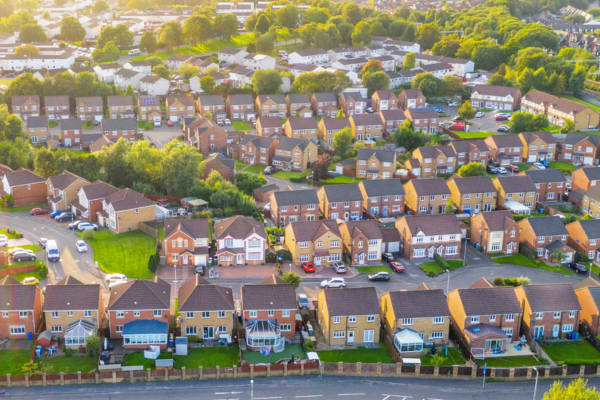
As we move into 2025, the local housing market update for South Carolina shows signs of transition. After years of an ultra-competitive seller’s market, the market is now becoming more balanced, offering homebuyers more options and slightly slower conditions. Sellers will need to adjust to the new dynamics, making this an exciting time for both parties. Homebuyers, particularly first-time buyers, can expect more options and a slightly slower pace, while sellers will need to adjust to new market dynamics. Let’s dive into the latest trends, challenges, and opportunities in South Carolina’s real estate market heading into 2025. Current Market Overview Home Sales and Inventory Trends: South Carolina saw a slight dip in home sales in late 2024, down 8.7% from the previous year. In September 2024, only 5,658 homes sold, signaling a cooling market. This shift has been attributed to rising mortgage rates and economic uncertainty. However, inventory levels have increased, with available homes rising by 16.9%, offering more options for buyers. This shift means that sellers will need to be more competitive and strategic, while buyers will benefit from increased inventory and a less frenzied market. Home Prices: Home prices in South Carolina continue to climb, but at a slower pace compared to previous years. Projections for 2025 suggest a modest national price increase of 2.5%, and South Carolina is expected to follow a similar trend. While prices won’t see drastic increases, buyers should prepare for relatively stable growth. Sellers, on the other hand, will need to price their homes competitively in order to stand out in the market. Regional Hotspots in South Carolina Myrtle Beach: Myrtle Beach continues to attract homebuyers, especially retirees. From 2020 to 2023, the city saw a 23% increase in residents aged 65 and older, making it the fastest-growing area in the U.S. in terms of senior citizens. This surge has affected the local housing market, with a notable demand for properties such as oceanfront condos and active-adult communities. Despite challenges, the Myrtle Beach real estate market remains strong and is expected to continue to grow in 2025. Greenville-Anderson: The Greenville-Anderson area is on the map as one of the hottest real estate markets heading into 2025. According to the National Association of REALTORS®, Greenville is listed among the top housing hot spots for 2025, due to the area’s strong economy, access to amenities, and increasing demand for both single-family homes and investment properties. As the market matures, expect this region to continue drawing interest from out-of-state buyers, especially those relocating for job opportunities. Charleston Area: The Charleston area is firmly positioned as one of the top real estate markets heading into 2025. Known for its vibrant history, coastal charm, and robust job market, Charleston continues to attract out-of-state buyers seeking lifestyle upgrades and lucrative investment opportunities. With a growing economy, world-class amenities, and increasing demand for single-family homes and rental properties, Charleston remains a primary focus for real estate activity. Looking Ahead to 2025: What’s Next? As we head into 2025, the South Carolina housing market is expected to become more balanced, with a slight shift toward a buyer-friendly environment. The cooling-off of the previously high-demand seller’s market means that more homes will be available at varying price points. Mortgage rates are projected to stabilize around 6%, which could entice more buyers to the market. Sellers will likely see less bidding competition, so it’s important to price homes appropriately and make sure they stand out in a more competitive field. Buyers should be aware of regional differences, as areas like Myrtle Beach, Greenville, and Charleston continue to experience strong demand. In contrast, other parts of the state may offer more affordable options or less competition. Whether you’re considering purchasing your first home or investing in rental properties, now is a great time to explore South Carolina’s real estate opportunities. Conclusion The South Carolina housing market in 2025 offers both challenges and opportunities. With increasing inventory and moderate price increases, buyers can expect more choices, while sellers will need to price their homes strategically. If you’re planning to buy or sell in South Carolina, it’s essential to stay informed about market shifts and trends. Whether you’re interested in the resort-style of Myrtle Beach, the economic boom of Greenville, the charm of Charleston, or another area of South Carolina, it’s a great time to make your move in the real estate market. Ready to Explore the South Carolina Housing Market? If you’re looking to buy or sell a home in South Carolina, our team at Lowcountry Charmed is here to guide you through the process. Book an appointment today to start your journey toward finding the perfect home in this thriving state! Book a FREE Consultation Now! Sources: Norada Real Estate The Litchfield Company The Wall Street Journal South Carolina Realtors

Local Housing Market Update for South Carolina in 2025 Read More »

Keeping Pests Out of Your Home While You’re Away: Top 10 Tips for a Pest-Free Property

As a homeowner, one of your primary concerns when leaving your house vacant is ensuring it remains safe and pest-free. Unwanted critters can cause damage, create unsanitary conditions, and lead to costly repairs. By taking preventive measures, you can protect your home from infestations and enjoy peace of mind while you’re away. Here are 10 go-to tips for keeping pests out of your home: 1. Keep the Home Clean Remove all trash, food items, and debris before leaving the home vacant. Clean countertops, floors, and cabinets thoroughly to eliminate crumbs and residues that attract pests. 2. Seal Entry Points Inspect the home for cracks, gaps, or holes in walls, windows, doors, and the foundation. Use caulk, weather stripping, or steel wool to seal any openings that pests could use to enter. 3. Use Pest Deterrents Place natural deterrents like peppermint oil, cedar blocks, or diatomaceous earth in problem areas. Install traps or bait stations for rodents and insects as a precaution. 4. Eliminate Standing Water Drain water from sinks, tubs, and appliances like washing machines or dishwashers. Check for leaks in plumbing and repair them promptly to prevent moisture buildup. 5. Maintain Landscaping Trim bushes, trees, and grass around the home to prevent pests from nesting near the house. Keep mulch and firewood away from the foundation. 6. Inspect and Protect the HVAC System Ensure that vents and ductwork are clean and sealed. Use mesh screens on external vents to keep pests from entering. 7. Use Secure Storage Store belongings in plastic bins with tight-fitting lids rather than cardboard boxes, which can attract pests like cockroaches and silverfish. 8. Monitor the Home Regularly Visit the property periodically to check for signs of pests. If you can’t visit often, consider hiring a home watch service like Holy City Home Watch to conduct regular inspections and address issues promptly. 9. Install Pest-Resistant Features Add chimney caps and rodent-proof screens to protect openings. Use tight-fitting door sweeps and ensure windows have intact screens. 10. Professional Pest Control Have the home treated by a professional pest control service before it becomes vacant. Consider setting up routine pest control treatments if the home will be vacant long-term. Protect Your Home with Holy City Home Watch Keeping your home pest-free is an essential part of maintaining its value and safety. If you’re unable to monitor your property regularly, Holy City Home Watch can help. We provide reliable home watch services, ensuring your home stays in top shape while you’re away. Schedule Your Home Watch Service Today! Taking small preventive steps now can save you from big headaches later. Let’s work together to protect your home and keep it pest-free!

Keeping Pests Out of Your Home While You’re Away: Top 10 Tips for a Pest-Free Property Read More »

Improving Your Credit for Buying a Home: A Step-by-Step Guide

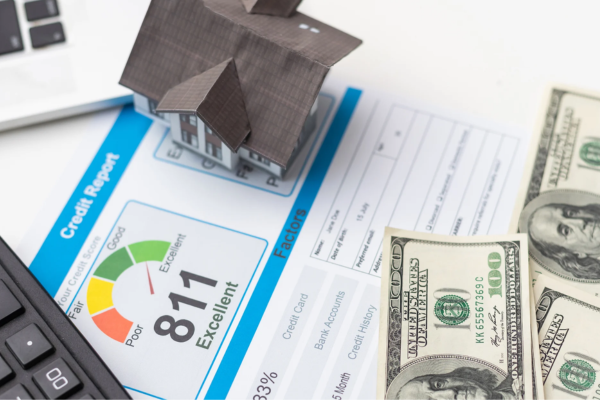
Your credit score plays a pivotal role in the home-buying process. A good credit score can help you secure a favorable mortgage rate, saving you thousands of dollars over the life of the loan. On the other hand, a poor credit score may limit your options or lead to higher interest rates, making it more difficult to achieve your dream of homeownership. If you’re looking to buy a home in the near future, improving your credit is one of the most important steps you can take to ensure a smooth and successful purchase. In this blog, we’ll cover key strategies to help you improve your credit score and increase your chances of securing the best mortgage terms. Why Your Credit Score Matters in Home Buying Your credit score is a numerical representation of your creditworthiness, showing lenders how likely you are to repay borrowed money. It ranges from 300 to 850, with higher scores indicating lower risk to lenders. Here’s how your credit score impacts your ability to buy a home: Mortgage Approval: Lenders use your credit score to determine whether or not you qualify for a mortgage. A higher score increases the likelihood of approval. Interest Rates: A better credit score can help you secure a lower interest rate, which can save you money over time. Even a small difference in your rate can add up to significant savings over the life of the loan. Loan Terms: With a higher credit score, you may qualify for more favorable loan terms, including lower down payment requirements and reduced fees. Steps to Improve Your Credit Score Before Buying a Home Improving your credit for a home purchase takes time and effort, but the rewards are well worth it. Follow these key steps to boost your credit score and improve your financial position before applying for a mortgage. 1. Check Your Credit Report The first step in improving your credit is to know where you stand. You’re entitled to one free credit report per year from each of the three major credit bureaus: Equifax, Experian, and TransUnion. Review your reports carefully for any inaccuracies, such as errors or fraudulent activity. If you spot any mistakes, dispute them with the credit bureau to have them corrected. Tip: You can request a free credit report at AnnualCreditReport.com. 2. Pay Your Bills on Time Your payment history accounts for 35% of your credit score, making it one of the most important factors in determining your score. Late or missed payments can significantly lower your score, and if a payment is 30 days or more late, it can stay on your credit report for up to seven years. To improve your credit score, make sure to pay all your bills on time, including credit cards, loans, utilities, and any other monthly payments. If you have trouble remembering due dates, set up automatic payments or use a budgeting app to track them. Tip: If you’ve missed a payment one time call the vendor and ask for forgiveness and removal from the credit report. 3. Reduce Your Credit Card Balances Credit utilization—the amount of credit you’re using compared to your total credit limit—makes up about 30% of your credit score. Aim to keep your utilization below 30%, meaning you should use no more than 30% of your available credit limit on each card. If your credit card balances are high, work on paying them down. Start with the cards that have the highest interest rates, as paying them off will save you money in the long run. Tip: If possible, avoid making large purchases on your credit cards while you’re working to improve your score. 4. Avoid Opening New Credit Accounts Each time you apply for credit, a hard inquiry is made on your credit report. While a few inquiries won’t drastically affect your credit score, too many can lower it temporarily. Additionally, opening new credit accounts can lower your average account age, which also impacts your score. If you’re planning to buy a home soon, try to avoid opening any new credit accounts or making large purchases on credit. Instead, focus on paying down existing balances and maintaining good credit habits. 5. Settle Any Outstanding Debts If you have outstanding collections or accounts that are in default, it’s important to address them before applying for a mortgage. Contact your creditors to negotiate a payment plan, or consider paying off the debt in full to have it removed from your report. Settling any outstanding debts and paying off collections will positively affect your credit score and show lenders that you’re serious about your financial responsibilities. Tip: If you settle a debt, request written confirmation that the account will be marked as “paid” or “settled” on your credit report. 6. Become an Authorized User If you have a family member or friend with excellent credit, ask if you can become an authorized user on one of their credit cards. As an authorized user, you’ll benefit from their positive payment history, which can help boost your credit score. Keep in mind that not all credit card issuers report authorized users to the credit bureaus, so make sure to check with the card issuer beforehand. Tip: Be sure the primary cardholder maintains a low balance and pays on time to avoid any negative impact on your credit score. 7. Keep Old Accounts Open The length of your credit history accounts for about 15% of your score. Keeping older accounts open—especially those with a positive payment history—can help boost your credit score. Closing old accounts may shorten your credit history, which could lower your score. Even if you’re not using an old credit card, consider keeping it open with a small balance or even just an annual fee to help maintain your credit history. 8. Consider a Credit Builder Loan If you have limited credit or are rebuilding after past mistakes, a credit builder loan can help you improve your credit score. These loans are specifically designed to help individuals build

Improving Your Credit for Buying a Home: A Step-by-Step Guide Read More »

How to Find Your Perfect Home This Valentine’s Day

Valentine’s Day isn’t just for romantic dates and sweet gestures—it’s also a reminder of how wonderful it feels to find the one. Whether you’re searching for your first home, an investment property, or a place to start fresh with loved ones, finding your perfect home can feel just like falling in love. This Valentine’s Day, let’s explore how to find a home that makes your heart skip a beat! 1. Love at First Sight: What Makes a Home Your Dream Home?  Much like meeting someone special, the right home will speak to you in ways that are hard to describe. Is it the charming curb appeal, the cozy interior, or the ideal location that makes your heart race? Just like with a relationship, you’ll know when you’ve found “the one”. a. Location     The neighborhood and surrounding area play a huge role in long-term happiness. Ask yourself: Is it close to work, schools, or favorite hangout spots? Does it have the amenities you love—parks, restaurants, or a vibrant social scene? Is it a quiet retreat or a lively community that suits your personality?     Finding the right location is like finding a partner with shared interests—it makes everything flow effortlessly. b. Curb Appeal & First Impressions     Just like a first date, the initial look and feel of a home can be telling. What draws you in? A welcoming front porch with charming details? A well-maintained exterior that signals care and attention? Beautiful landscaping that invites you to imagine sunny afternoons outside?     A home that makes you smile when you pull into the driveway is one worth considering. c. The Perfect Layout for Your Lifestyle     Your dream home should complement your daily routine and future goals. Think about: Space & Functionality: Does it have the right number of bedrooms and bathrooms? Entertaining Potential: Is the kitchen open and inviting? Is there a cozy living room for gatherings? Work & Relaxation: If you work remotely, is there a dedicated space for productivity? Room to Grow: Will this home accommodate future life changes, such as kids, pets, or aging in place?     The right layout ensures that your home isn’t just beautiful—it’s livable. d. Emotional Connection: The X-Factor     Sometimes, you can’t quite explain why a home feels right—it just does. Pay attention to: That cozy feeling when you walk through the door. The way natural light streams through the windows. The sense of peace or excitement that tells you, “I could live here.” 2. The Perfect Match: Matching Your Home with Your Needs   When you’re in love, you want to make sure your partner fits your life perfectly. The same goes for your home! Whether it’s space for a growing family,            a convenient location, or an investment property with high returns, you’ll want to ensure your new space meets your needs. How do you decide what’s truly essential in your home search? 3. How to Keep the Romance Alive: Finding Long-Term Happiness with Your Property  It’s easy to be in love when everything’s new and exciting, but just like relationships, homes require maintenance and care. Whether it’s regular upkeep or future improvements, taking care of your property ensures it remains as lovable as ever. 4.    Couples and Co-Buying: When Two Hearts and Bank Accounts Collide  For couples looking to buy together, this section can cover tips for navigating the home-buying process as a team. From setting budgets to deciding on shared priorities, it’s important to be in sync as you embark on your home-buying journey together. 5.    Love Your Investment: How Real Estate Can Be a Gift That Keeps on Giving  Real estate isn’t just about finding a home—it’s about investing in your future. This Valentine’s Day, consider the long-term benefits of owning property, whether it’s for financial growth or for the peace of mind that comes with homeownership. Conclusion: Just like love, finding the perfect home takes time and patience, but when you finally find it, the rewards are worth it. Whether you’re looking to buy, sell, or invest, remember: the right home can change everything.  Happy Valentine’s Day from Lowcountry Charmed, and may your next real estate journey be full of love and lasting happiness.  Book a call now for expert guidance in finding your dream home this Valentine’s Day!

How to Find Your Perfect Home This Valentine’s Day Read More »

Charleston’s Real Estate Market: Tips for a Smooth Transition

Charleston’s fastest-growing neighborhoods in 2025 are seeing smooth transitions in development. Relocating to a new city can feel overwhelming, especially when it involves finding the right home in a competitive real estate market. Charleston, South Carolina, is one of the most sought-after destinations for its rich history, coastal charm, and welcoming communities. Whether you’re moving for work, lifestyle changes, or a fresh start, understanding Charleston’s real estate market can make all the difference. This guide provides essential tips to help you navigate Charleston’s housing market, choose the right neighborhood, and transition seamlessly into life in the Lowcountry.  1. Get to Know Charleston’s Real Estate Market Charleston offers a wide variety of housing options, from historic homes to modern townhouses, waterfront properties, and suburban developments. Desirable areas such as Mount Pleasant, James Island, and West Ashley often see competitive markets, with rising demand and increasing home prices. In 2025, Charleston’s real estate market continues to experience growth, with heightened interest from newcomers seeking its unmatched blend of history and modern amenities. Before starting your home search, familiarize yourself with market trends, set a clear budget, and be prepared for competitive bidding in high-demand neighborhoods. Tip: Partner with a local real estate expert who can provide valuable insights into the market and guide you through the buying process.  2. Define Your Priorities Before diving into your search, identify the features most important to you, such as proximity to work, outdoor activities, or access to cultural events. Key considerations when choosing a neighborhood include:  Lifestyle Fit: Charleston offers everything from vibrant downtown living to serene waterfront communities. Explore neighborhoods that align with your lifestyle. Convenience: Consider commute times, access to public transportation, and nearby amenities such as grocery stores, gyms, and healthcare facilities. Outdoor Opportunities: Love the outdoors? Choose neighborhoods with easy access to beaches, parks, or hiking trails. Safety: Research crime rates and visit areas of interest to get a feel for their atmosphere. Use resources like CrimeGrade.org for detailed crime data. 3. Research Neighborhoods Charleston is known for its distinctive neighborhoods, each offering unique benefits:  Mount Pleasant: Family-friendly with excellent schools, shopping, and outdoor activities. Downtown Charleston: Historic charm with walkable streets, dining, and cultural landmarks. James Island: Close to the beach and downtown, offering a blend of suburban and coastal living. West Ashley: Known for its affordable housing options and proximity to green spaces. Daniel Island: Upscale with modern amenities and an active, community-oriented vibe. 4. Plan Moving Logistics Efficient planning is crucial for a smooth move to Charleston:  Hire Movers Early: With Charleston’s popularity, booking a reliable moving company in advance can prevent delays. Update Essentials: Change your address with the post office, utility companies, and subscription services. Explore Your Area: Spend time getting to know your new neighborhood by visiting parks, local markets, and community hotspots. 5. Engage with the Local Community One of Charleston’s greatest assets is its welcoming and vibrant community. Immersing yourself in local events and activities will help you feel at home faster.  Attend festivals, outdoor concerts, and farmers markets to meet people and explore the culture. Check out sports leagues, volunteer opportunities, or local clubs for networking and socializing. Charleston’s charm, culture, and opportunities make it an incredible place to call home. By understanding the real estate market, prioritizing your needs, and immersing yourself in the local community, you can create a seamless and enjoyable transition into life in the Lowcountry. At Lowcountry Charmed, we’re here to help you find the perfect home and navigate every step of the relocation process. Reach out today and let us make your move to Charleston stress-free and successful.

Charleston’s Real Estate Market: Tips for a Smooth Transition Read More »

Budget-Friendly Ways to Refresh Your Home’s Interior Design

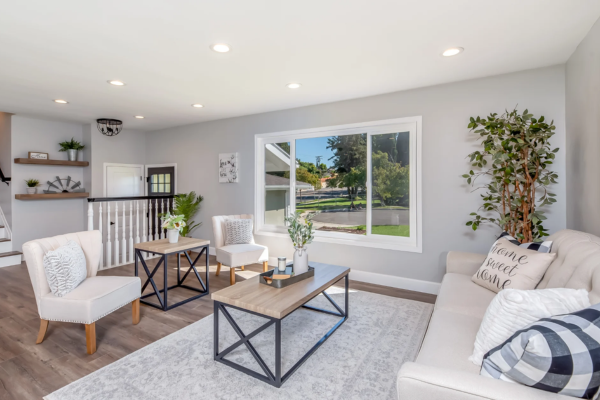
Home design doesn’t have to be expensive to be beautiful. Whether you’re looking to update your space or refresh a few key rooms, there are plenty of budget-friendly ways to give your home a fresh new look without breaking the bank. In this blog, we’ll explore some easy and affordable ways to revitalize your home’s interior design and make it feel brand new.  1. Rearrange Your Furniture One of the quickest and easiest ways to refresh a room is by rearranging the furniture. A new layout can completely change the flow and feel of a space without any cost at all. Try to experiment with different arrangements to make the room feel more spacious or cozy, depending on your preferences. This is especially effective in living rooms and bedrooms.  Pro Tip: Move larger pieces like couches and beds first, and then arrange smaller items like coffee tables, chairs, and lamps around them. Consider creating a focal point, like a fireplace or large window, to guide your arrangement. 2. Add Fresh Paint A fresh coat of paint can instantly brighten up any space and give your room a new vibe. Choose lighter, neutral shades to make rooms feel more spacious, or go bold with accent walls to add a pop of color. Paint is one of the most cost-effective ways to update your home’s look.  Pro Tip: If you’re hesitant about painting an entire room, start with smaller areas like accent walls, trim, or furniture pieces. Consider experimenting with peel-and-stick wallpaper for a fun twist. 3. Update Your Lighting Fixtures Lighting is essential for setting the tone of a room, and updating your fixtures is an easy way to refresh a space. Swap out dated or mismatched light fixtures for something more modern or cohesive. You can find stylish options at affordable prices at stores like IKEA, HomeGoods, or even secondhand stores.  Pro Tip: Adding dimmer switches can change the ambiance of the room instantly. Consider using warm LED bulbs for a cozy and inviting atmosphere. 4. Incorporate Textiles Introducing new textiles like throw pillows, blankets, curtains, and rugs can make a huge difference in the overall feel of a room. These soft furnishings bring comfort and warmth while adding color and texture. Opt for affordable options that can easily be switched out seasonally or as your style changes.  Pro Tip: Mix and match patterns and textures, like a velvet pillow on a linen sofa, to create visual interest without overwhelming the space. If you’re looking for a bigger change, try updating your curtains for a fresher, more contemporary look. 5. DIY Art and Decor You don’t need to spend a fortune on art to make a statement. You can create your own artwork by framing inexpensive prints, posters, or even fabric that matches your home’s color scheme. You can also try DIY projects like creating your own wall hangings, sculptures, or even painted canvases for a personal touch.  Pro Tip: Use gallery-style frames for a more professional look, or group multiple smaller pieces together to make a larger impact. 6. Thrift Shop and Secondhand Finds Thrift stores, flea markets, and online secondhand marketplaces are great places to find unique, budget-friendly decor. You can often find vintage furniture, mirrors, artwork, and other home accessories at a fraction of the price of new items. Plus, buying secondhand is a sustainable way to refresh your home.  Pro Tip: Look for pieces that can be easily updated with a fresh coat of paint or new fabric. For example, old chairs or dressers can be reupholstered or refinished to fit into your current design. 7. Embrace Minimalism Sometimes, less really is more. If your space feels crowded or cluttered, consider embracing a minimalist approach. Start by decluttering your home, getting rid of items you no longer need, and focusing on quality pieces that have a purpose.  Pro Tip: Organize your belongings in stylish storage baskets or bins to keep things tidy without sacrificing aesthetics. A cleaner, simpler space will feel more spacious and inviting. 8. Use Plants and Greenery Plants can breathe life into any room, and they’re an inexpensive way to add natural beauty. Whether you prefer low-maintenance succulents, leafy houseplants, or hanging planters, greenery can help create a fresh and calming atmosphere.  Pro Tip: If you don’t have a green thumb, opt for low-maintenance plants like snake plants or pothos that thrive in various lighting conditions and require minimal care. 9. Add Mirrors to Open Up the Space Mirrors are a fantastic way to make a small room feel larger and more open. They reflect light and add depth to a space. Look for budget-friendly mirrors in unique shapes or frames that complement your existing design.  Pro Tip: A large mirror can serve as a statement piece in your entryway or living room, while smaller mirrors can be grouped together to create a gallery-style wall. 10. Swap Out Hardware and Fixtures Small changes can have a big impact. Consider swapping out old hardware on cabinets, drawers, and doors for something more modern. Updating faucet handles, light switches, or doorknobs is an easy, low-cost way to refresh your home’s interior.  Pro Tip: Choose hardware that matches your overall style, whether it’s sleek and modern, rustic, or vintage-inspired. Refreshing your home’s interior design doesn’t have to involve costly renovations. By incorporating a few budget-friendly updates, like rearranging furniture, adding textiles, and embracing secondhand finds, you can give your home a stylish makeover that reflects your personality and style. Don’t be afraid to experiment with small changes until you find what works best for your space. Ready to refresh your home’s design? Contact Lowcountry Charmed today for expert advice and tips on making your space feel like new! Whether you’re looking for inspiration or guidance, we’re here to help you create a home that’s both beautiful and functional.

Budget-Friendly Ways to Refresh Your Home’s Interior Design Read More »

Maximizing Natural Light: Design Tips for a Bright, Airy Home

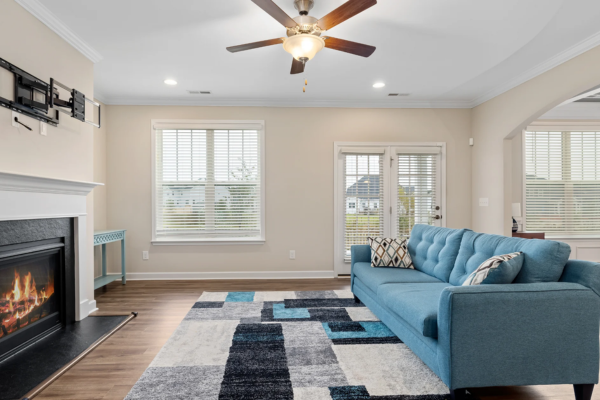
Maximizing natural light can transform your home into a brighter, more inviting space. With simple design tips, you can enhance your space’s light, mood, and energy efficiency. Beyond aesthetics, increased exposure to natural light can boost your mood, improve productivity, and even reduce energy costs. Whether you’re designing a new home or updating your current space, incorporating natural light into your interiors is a game-changer.   In this blog, we’ll share practical and stylish design tips to help you maximize natural light and create a bright, airy home you’ll love spending time in.   1. Choose Light, Reflective Colors The color palette of your home plays a significant role in how light travels through a room. opt for lighter shades like white, cream, pale gray, or pastel tones for walls and ceilings. These colors reflect natural light better than darker hues, making the space appear larger and brighter.   Pro Tip: Use matte paint finishes to reduce glare and amplify the soft diffusion of light.   2. Install Large, Open Windows Windows are your primary source of natural light. Consider installing large picture windows or floor-to-ceiling glass panels to let in as much sunlight as possible.   If new installations aren’t an option, maximize existing windows by:   Keeping them clean to avoid obstructing light. Using sheer curtains or blinds to diffuse sunlight without blocking it entirely. 3. Incorporate Mirrors Strategically Mirrors are an excellent tool for amplifying natural light. Position mirrors opposite or adjacent to windows to reflect sunlight throughout the room. This simple design trick can double the brightness in your space and add a sense of depth.   Idea: Choose oversized mirrors with elegant frames to make them both functional and decorative.   4. Opt for Glass Doors and Partitions Replacing solid doors or walls with glass alternatives is a modern way to enhance natural light flow. Sliding glass doors, French doors, or glass partitions can brighten interiors while maintaining privacy and function.   Bonus Tip: Frosted or textured glass can diffuse light while adding a stylish touch to your design.   5. Use Light, Airy Textiles Heavy, dark fabrics can absorb light and make a space feel smaller. Instead, choose lightweight textiles like sheer curtains, linen upholstery, and cotton rugs. These materials allow light to pass through and create a fresh, breezy atmosphere.   6. Install Skylights or Solar Tubes If wall windows are limited, look up! Skylights and solar tubes can bring sunlight into areas where traditional windows may not fit, such as bathrooms, hallways, or attics.   Skylight Tip: Add motorized shades to control the amount of light coming in during peak sun hours.   7. Declutter and Opt for Minimalism Excess furniture and décor can block light and make a space feel cramped. Adopting a minimalist approach allows sunlight to reach more areas of your home, enhancing the feeling of openness.   Quick Tip: Arrange furniture to avoid blocking windows or light sources.   8. Choose Reflective Surfaces and Materials Furniture and finishes that reflect light can brighten your space even further. Look for materials such as:   Glossy tiles for kitchen backsplashes or bathrooms. Metallic or chrome light fixtures. Glass or acrylic furniture for a sleek, modern vibe. 9. Maximize Outdoor Light Sources Landscaping can also affect how much sunlight reaches your home. Trim overgrown trees or bushes that block windows and use outdoor reflective surfaces, like white-painted fences or stone pathways, to bounce light into your home.   Bring Your Home to Life with Natural Light   Designing a bright, airy home starts with thoughtful changes that let natural light shine through. From strategic color choices to innovative architectural features, these tips will help you transform your space into a luminous retreat.   Ready to Elevate Your Space?  843-790-4522 info@lowcountrycharmed.com www.lowcountrycharmed.com

Maximizing Natural Light: Design Tips for a Bright, Airy Home Read More »

Earnest Money vs Due Diligence In South Carolina

Ever wondered why some offers in Charleston include both an earnest money deposit and a due diligence fee? If you mix them up, it can cost you thousands. Whether you are buying on Daniel Island, selling in Mount Pleasant, or eyeing an investment on the peninsula, you deserve simple, clear guidance. In this post, you will learn what each payment is, how refundability works, typical amounts in our market, and smart ways to negotiate your timelines and risk. Let’s dive in. Quick Definitions you can trust Earnest money is a buyer deposit that shows good faith to close. It is held in escrow and, if the sale closes, it is applied to your purchase price. If you terminate under the contract’s allowed reasons, it can be refundable.  Due diligence fee is a negotiated fee paid to the seller for your unrestricted right to terminate during a set due diligence period. It typically is non-refundable if you back out during that window. If you close, it is usually credited toward your purchase price. Earnest money vs due diligence: key differences Purpose Earnest money: Signals you are serious and performing under the contract. It protects both sides if used correctly. Due diligence fee: Compensates the seller for taking the home off the market while you investigate the property. When you pay Earnest money: Usually within a few days after the contract is signed, as the contract instructs. Due diligence fee: Often at contract signing or very soon after, based on the negotiated terms. Who holds it Earnest money: An escrow holder named in the contract, such as a closing attorney, title company, or brokerage trust account. Due diligence fee: Paid to the seller directly or delivered into escrow then released to the seller per the contract. Refundability at a glance Earnest money: Refundable if you properly terminate under the contract’s protections. If you default after protections expire, the seller may keep it as liquidated damages. Due diligence fee: Generally not refundable if you terminate during the due diligence period. If you close, it is typically credited toward the price. Typical amounts in Charleston Local custom varies by property type, price, and competition, but these ranges are common around Charleston: Earnest money: Often 1 percent of the purchase price, with many transactions falling between 1,000 and 10,000 dollars. Due diligence fee: Frequently 500 to 10,000 dollars, and sometimes more in hot, low-inventory situations. Charleston can be competitive. Sellers may push for shorter due diligence periods, higher due diligence fees, or fewer contingencies. As a buyer, that can help your offer stand out, but it also raises your risk if you change your mind. 2. How the South Carolina timeline works A standard process in our market looks like this. Your contract will control the exact terms. Day 0: Contract is signed. You deliver the due diligence fee to the seller or escrow and send earnest money to the escrow agent within the time stated in the contract, often 1 to 3 business days. Due diligence period: Commonly 7, 10, or 14 calendar days, negotiated up front. You complete inspections, appraisal, loan steps, title review, and any HOA or condo document review. You can terminate for any lawful reason during this period by proper notice. If you do, you typically forfeit the due diligence fee and get earnest money back. After due diligence ends: You are bound to proceed unless another contingency applies. If you default after your protections expire, the seller may keep the earnest money. The seller already holds the due diligence fee. Closing: If the sale closes, both the due diligence fee and earnest money are usually credited toward your purchase price per the contract. What happens in common scenarios Example A: Terminate during due diligence Purchase price: 500,000 dollars Earnest money: 5,000 dollars Due diligence fee: 3,000 dollars Outcome: You terminate during the due diligence window. You forfeit the 3,000 dollars to the seller. The 5,000 dollars earnest money is returned to you. Example B: Proceed to closing Same numbers as above Outcome: You close. The 3,000 dollars due diligence fee and the 5,000 dollars earnest money are both credited at closing, reducing the cash you bring by 8,000 dollars. Example C: Back out after due diligence ends without a right to do so Outcome: You likely lose the earnest money, and the seller already kept the due diligence fee. You effectively paid both amounts. Smart negotiation tips for buyers Balance time and risk: A longer due diligence period gives you time for inspections and loan steps, but sellers prefer shorter windows. If you need more time, negotiate it up front. Coordinate lending: Work with your lender so financing milestones line up with your due diligence deadline. Avoid letting your protections end before you are ready. Book inspections fast: Schedule inspectors immediately after ratification to make the most of your due diligence days. Know your exposure: Offer only a due diligence fee amount you can afford to lose if you decide to walk away. Lock in escrow details: Confirm in writing who holds the earnest money and how funds are credited. Strategic tips for sellers Push for certainty: A higher due diligence fee and a shorter due diligence period can reduce your time off market and buyer uncertainty. Verify handling: Confirm where earnest money and due diligence funds will be held and how they will be disbursed at termination or closing. Require clear notices: Ensure the contract specifies how and when a buyer must give written notice to terminate. Charleston due diligence priorities Use your due diligence time wisely. In Charleston, a few items often deserve early attention. Inspections for age and coastal wear: Older or historic homes may reveal roofing, HVAC, moisture, flood, and coastal construction considerations. Flood zones and insurance: Review elevation certificates, flood zone status, and insurance availability and cost. These items can affect your overall budget and comfort level. HOA and condo documents: For properties in associations, review budgets, policies, and resale documents to understand fees,

Earnest Money vs Due Diligence In South Carolina Read More »