August 2025

Re‑Roofing In Goose Creek: Cost, Code And Paperwork

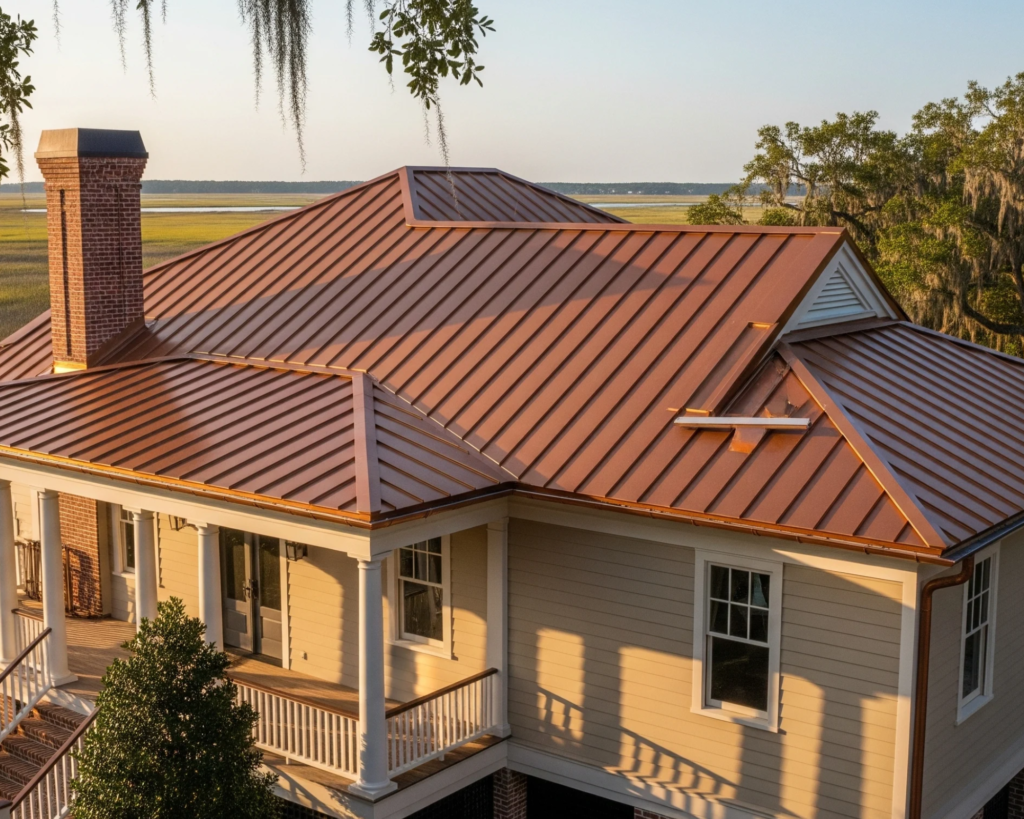
Planning a roof replacement in Goose Creek? Between permits, code rules, fees, and insurance paperwork, it is easy to miss a step that can delay work or cost you more. You want a smooth project that protects your home, meets wind requirements, and preserves resale value. In this guide, you will learn what permits you need, how fees are calculated, which codes apply, typical costs in the Charleston area, and your rights if insurance is involved. Let’s dive in. Permit rules in Goose Creek If a contractor is reroofing your single‑family home in Goose Creek, a building permit is required and must be posted where it is visible from the street. City guidance lists reroofing as a permit‑required activity and notes that contractors must remove roofing debris. Goose Creek also states that no routine inspections are required for standard single‑family reroofing, though you should confirm special cases with the Building Officials Office. See the city’s inspection guidance for details on permit posting and inspection notes in the Inspection Guidelines. How to submit your permit Goose Creek requires electronic submissions through its permitting portal. The city moved to electronic submittals in 2025, so plan to upload documents rather than walk in paper forms. For portal access and submittal steps, start at Residential Permits on the city website and contact the Permits Division if you need help with the portal checklist. Learn more in the city’s note on electronic submissions and the Residential Permits page for process and contacts. What to include with your application Most residential reroof applications include: Completed Building Permit Application. Signed roofing contract if you are using a contractor. Proof of the contractor’s state license if required by scope or value. Any additional documents the portal requests for your specific project. The portal will indicate if further documentation or plan review is needed. Post the issued permit on site before work starts. Permit fees and how they are calculated Goose Creek calculates building permit fees using ICC Building Valuation Data. Expect a small application fee and a technology fee, plus a valuation‑based fee that scales with project size. For the current fee structure and tiered tables, review the city’s FY2025 Master Fee Schedule and check your final amount in the permitting portal before payment. Code and wind basics for the Lowcountry South Carolina enforces the state‑adopted, modified 2021 International Codes, which local jurisdictions use as the basis for enforcement. Your contractor should confirm the design wind speed and fastening requirements for your address with the local authority having jurisdiction. For state adoption details, see the Building Codes Council’s code adoption overview. Materials and warranty considerations Goose Creek’s coastal wind exposure makes product selection and installation details important. Shingle manufacturers publish wind ratings and special installation conditions for higher wind coverage. For example, certain GAF warranties increase wind coverage when specific accessories and fastening patterns are used. Review your chosen product’s warranty terms and installation requirements in the manufacturer’s guidance, such as GAF residential warranties, and have your contractor confirm compliance in writing. Overlay vs tear‑off An overlay can save time and money, but it is not always appropriate. Manufacturers may limit overlays for warranty coverage, and damaged or water‑soaked decking requires a tear‑off and repair. Goose Creek’s public pages do not publish a specific layer limit, so confirm overlay eligibility with the Building Inspection Division and the shingle manufacturer before you decide. What a new roof costs in Goose Creek Regional estimates for Goose Creek and the greater Charleston area show a broad range for complete asphalt shingle replacements. Smaller, simpler projects may fall around 4,000 to 7,000 dollars, typical single‑family homes often range from about 6,000 to 18,000 dollars, and larger homes or premium materials like architectural shingles, metal, or tile can reach 15,000 to 30,000 dollars or more. For localized examples and averages, review Goose Creek project data from HomeYou and then get written quotes for your specific roof. Key cost drivers include roof size, pitch and complexity, tear‑off vs overlay, decking repairs discovered during tear‑off, material choice, access and safety needs, code‑required upgrades like underlayment or drip edge, and any manufacturer‑required accessories to meet warranty terms. Insurance claims and your rights in South Carolina If you sign a roofing contract that will be paid from insurance proceeds and your insurer later denies all or part of the claim in writing, South Carolina law gives you the right to cancel the contract up to midnight on the fifth business day after you receive the denial. Contractors must include a bold 10‑point cancellation notice, provide a detachable cancellation form, and they may not require payment until that five‑day window expires, except for written emergency services. Review the protections in SC Code Section 40‑59‑25. Practical steps if insurance is involved: Keep insurer communications in writing and filed. Verify whether your contractor will communicate with the insurer and whether they are permitted to do so. Do not make payments that conflict with your cancellation window if a denial occurs. Step‑by‑step checklist Verify your roofer’s state license and insurance through the SC LLR lookup and request a certificate of insurance. Start with the LLR’s licensing and registration resources. Decide whether the job is a full tear‑off or an overlay, and get the manufacturer’s warranty requirements in writing. Complete and submit your building permit through Goose Creek’s permitting portal, then post it where it is visible from the street. Confirm debris handling and place any dumpster on private property. If any street or sidewalk could be blocked, call the Permits Division to ask about right‑of‑way authorization. If insurance is paying, track your claim dates and know your five‑business‑day cancellation right if coverage is denied in whole or in part. Common mistakes to avoid Starting work without a posted permit or assuming inspections will happen automatically. Skipping license and insurance verification for your contractor. Choosing materials without checking wind ratings and installation requirements for warranty coverage. Blocking the public right‑of‑way with a dumpster or equipment without checking city requirements. Assuming overlays

Re‑Roofing In Goose Creek: Cost, Code And Paperwork Read More »
Front Door Refresh: The Simple Update That Can Make or Break a Sale

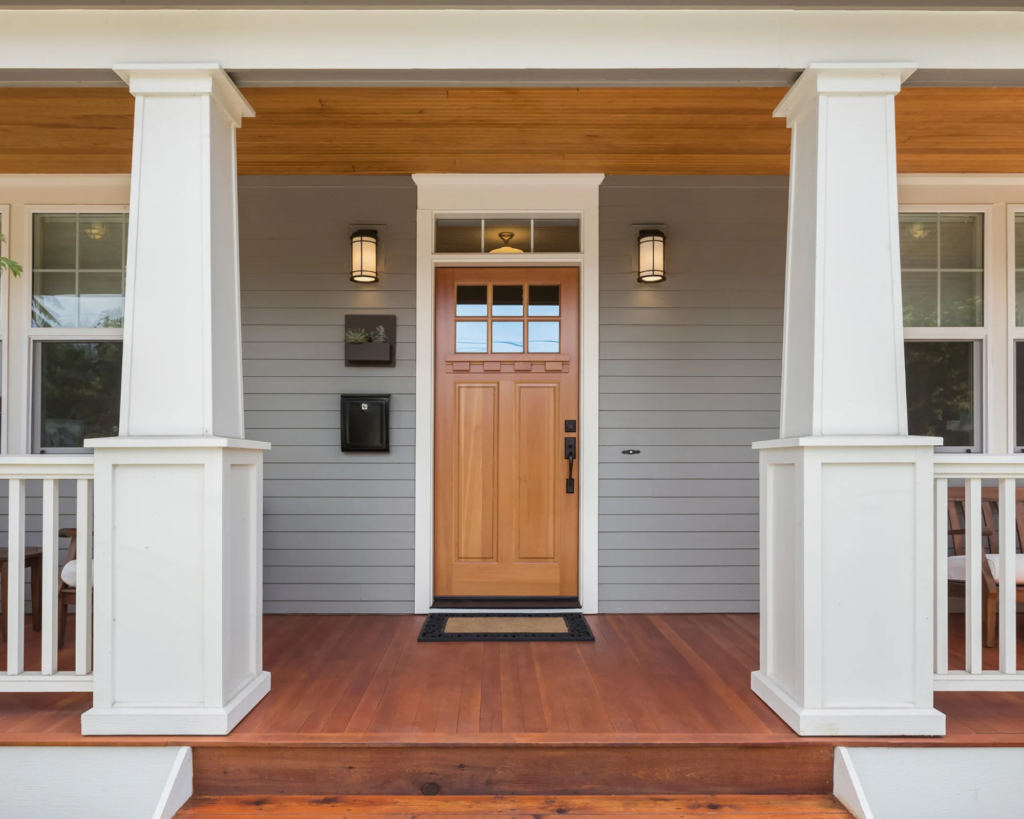
When selling a home, it’s easy to get caught up in major renovations — kitchen remodels, bathroom upgrades, or landscaping overhauls. But there’s one often-overlooked update that can instantly boost your home’s curb appeal and catch buyers’ attention: your front door. Think about it: the front door is the first thing buyers see. It sets the tone for the rest of the home and can influence how they perceive the property long before they step inside. A well-chosen, freshly updated door isn’t just cosmetic — it sends a powerful message: this home is cared for, stylish, and move-in ready. Here’s why a front door refresh is a small investment with big impact. 1️. Make a First Impression That Lasts Your front door is your home’s “welcome mat” in the truest sense. A vibrant coat of paint, modern hardware, or updated style can immediately: •    Signal that the home is well-maintained•    Create warmth and a sense of hospitality•    Draw buyers in confidently Pro Tip: Bold, timeless colors like deep navy, classic red, or forest green are eye-catching while remaining elegant. 2️. Upgrade Hardware and Fixtures Even minor updates can make your entryway feel modern and polished: •    Door Handles & Knobs: Swapping worn or outdated hardware for sleek, contemporary options instantly elevates the look.•    Lighting: A new pendant or wall-mounted fixture highlights the entryway and improves safety.•    House Numbers & Mailboxes: Coordinated, stylish fixtures create a cohesive and sophisticated first impression. 3️. Choose the Right Door Materials The material of your front door matters almost as much as its appearance: •    Solid Wood Doors: Classic, durable, and full of charm.•    Fiberglass Doors: Low maintenance, energy-efficient, and available in a wide variety of styles.•    Glass Insets: Let natural light into your foyer, creating a bright, inviting ambiance.  Pro Tip: Select a door that complements your home’s architecture while feeling fresh and welcoming. 4️. Don’t Forget the Surroundings A door doesn’t exist in isolation — the surrounding entryway matters too: •    Landscaping: Fresh flowers, potted plants, and trimmed hedges create an inviting path to your door.•    Doormat & Seating: A stylish doormat or small bench adds character and charm.•    Trim & Siding: Touch up paint and clean siding to make your door stand out at its best. Compared to major renovations, a front door refresh is affordable — yet its effect on resale value can be surprisingly high. Real estate experts agree: a well-updated entryway can increase buyer interest, improve first impressions, and even influence offers. When preparing your home for sale, never underestimate the power of the front door. A few thoughtful updates — from paint and hardware to lighting and landscaping — can make your home stand out, attract more buyers, and create a lasting, positive impression. Ready to Make Your Home Irresistible? Whether you’re selling or simply looking to enhance your Charleston home, Lowcountry Charmed can help you prioritize the updates that truly add value and appeal. Don’t leave buyers’ first impressions to chance — start with your front door today! 📞 (843) 790-4522📧 info@lowcountrycharmed.com🌐 www.lowcountrycharmed.com    

Front Door Refresh: The Simple Update That Can Make or Break a Sale Read More »

What Is the Truth Behind Terminated Contracts and Distressed Sales Numbers?

When analyzing the real estate market, it’s easy to get caught up in headlines about “terminated contracts” or rising “distressed sales.” But what do these numbers really mean for buyers, sellers, and investors in Charleston and the Lowcountry? Understanding the facts can help you make smarter decisions. Terminated Contracts: More Than Meets the Eye A terminated contract simply means that a buyer or seller walked away from a transaction before closing. While it may sound alarming, the reasons are often routine:    Financing Issues: Buyers couldn’t secure a mortgage or funding fell through.•    Inspection & Appraisal Concerns: Unexpected repairs or appraised value discrepancies.•    Change in Circumstances: Job relocations, family changes, or personal reasons. Key Insight: Not all terminated contracts indicate a failing market — in fact, many are part of normal real estate cycles. Distressed Sales: Understanding the Context Distressed properties — including foreclosures, short sales, and REO (Real Estate Owned) properties — can appear more frequently in market reports. However:    Distressed sales often represent a small portion of overall transactions in Charleston and the Lowcountry.•    They can present opportunities for investors, but also come with unique risks, like hidden repairs or extended closing timelines.•    Market shifts or economic changes can temporarily increase these sales, but they rarely dominate the market long-term. Tip: Always verify the reason behind distressed sales before assuming a trend. Context matters more than numbers alone. 3️. What This Means for Buyers    Opportunities Exist: Distressed properties may offer below-market prices, but require careful inspection and financing preparation.•    Market Stability: A few terminated contracts or distressed sales don’t signal a declining market — Charleston remains a desirable location with steady demand.•    Work with Experts: Local agents can help identify which opportunities are worth pursuing and avoid risky transactions. What This Means for Sellers    Proper Pricing & Preparation: Homes priced fairly with good inspections are less likely to result in terminated contracts.•    Transparency Matters: Providing clear disclosures and addressing issues proactively can reduce cancellations.•    Market Advantage: In a competitive market, well-prepared homes still sell quickly, even with occasional contract terminations elsewhere. Terminated contracts and distressed sales are not inherently bad — they are indicators that require context. For buyers, they can highlight opportunities; for sellers, they underscore the importance of preparation and strategic pricing. Understanding the story behind the numbers is key to navigating Charleston’s market confidently. Ready to Make Informed Decisions? Whether you’re buying, selling, or investing in the Lowcountry, expert guidance helps you separate market noise from opportunity. Contact Lowcountry Charmed today for insights that give you a competitive edge. 📞(843) 790-4522📧 info@lowcountrycharmed.com🌐 www.lowcountrycharmed.com  

What Is the Truth Behind Terminated Contracts and Distressed Sales Numbers? Read More »

Lowcountry Kitchen Secrets: Easy Upgrades Inspired by Coastal Cuisine & Hospitality

The kitchen is more than just a place to cook — in the Lowcountry, it’s where stories are shared, seafood boils bring friends together, and every meal feels like an extension of Southern hospitality. If you’ve been dreaming of giving your kitchen a refresh without a full remodel, here are a few Lowcountry-inspired upgrades that make a big impact: 1. Open Shelving with Local Flair Swap a few upper cabinets for open shelving to display handmade pottery, glass jars of grits, or even baskets of fresh herbs. It’s functional, but it also gives your space a warm, welcoming look. 2. Oyster Shell Accents Oyster roasts are a Lowcountry staple — and oyster shells can be repurposed into unique kitchen details. Think: shell inlays in a backsplash, decorative drawer pulls, or even framed oyster art for a coastal touch. 3. Butcher Block Meets Coastal Colors Pair natural wood counters or butcher block islands with seafoam green or pale blue cabinetry. The combination creates a timeless, coastal-chic feel while keeping things light and airy. 4. Statement Lighting Over the Island A woven rattan pendant or lantern-style fixture over your island or dining table channels that “beach cottage meets Southern charm” vibe instantly. Bonus: it’s one of the easiest swaps you can make. 5. The Hospitality Corner Create a “hospitality station” in one corner with a coffee maker, sweet tea dispenser, and a tray of Lowcountry snacks. It makes every guest feel right at home — and it’s an everyday reminder to enjoy life’s simple pleasures. The Secret: You don’t need a huge budget to make your kitchen feel like the heart of the home. Small, thoughtful details inspired by Lowcountry living can transform your space into a warm, welcoming retreat. Ready to Charm Your Kitchen? Start with one upgrade this month — whether it’s swapping your lights, painting cabinets, or setting up a hospitality corner — and see how it transforms the energy of your home. Looking for more inspiration or tips on boosting your home’s value with smart updates? Contact Lowcountry Charmed today, and let’s talk about how your home can shine. 📞 (843) 790-4522📧 info@lowcountrycharmed.com🌐 www.lowcountrycharmed.com    

Lowcountry Kitchen Secrets: Easy Upgrades Inspired by Coastal Cuisine & Hospitality Read More »

Spotlight on the Charleston Peninsula: Living in the Beating Heart of the Lowcountry

When people think of Charleston, one image almost always comes to mind: the picturesque Charleston Peninsula. Surrounded by water and brimming with centuries of history, the Peninsula offers one of the most unique blends of historic charm, cultural energy, and modern convenience anywhere in the Lowcountry. If you’re considering a move to Charleston — or investing in real estate — the Peninsula deserves a closer look. Here’s why this community stands out. 1️. Historic Charm That Tells a Story Walking the Peninsula feels like stepping back in time. With cobblestone streets, antebellum homes, and iconic landmarks like Rainbow Row, the Battery, and the Charleston City Market, the area preserves a deep connection to its past. For many buyers, owning a home here is about more than real estate — it’s about being part of Charleston’s living history. 2️. A Hub of Culture and Convenience Beyond its historic beauty, the Peninsula is the heart of Charleston’s cultural life: •    Dining & Nightlife: From James Beard Award-winning restaurants to cozy cafés and rooftop bars, it’s a foodie’s paradise.•    Shopping: King Street offers everything from luxury brands to charming local boutiques.•    Arts & Festivals: Galleries, theaters, and annual events like Spoleto Festival USA bring world-class culture to the streets of Charleston. Living here means you’re always within walking distance of Charleston’s best experiences. 3️. Real Estate: High Demand, High Reward The Charleston Peninsula is one of the most sought-after — and competitive — markets in the Lowcountry. •    Historic Homes: Elegant single houses and centuries-old mansions are staples of the area.•    Modern Condos & Townhomes: For those seeking lower-maintenance living, luxury condos are rising in popularity.•    Investment Potential: Strong demand from buyers, renters, and short-term vacationers means properties often hold or grow in value quickly. 4️. Lifestyle: The Best of Both Worlds The Peninsula offers a rare combination: historic elegance with modern convenience. Residents enjoy walkability, waterfront views, and vibrant city energy — while still being just minutes from Charleston’s beaches and the charm of surrounding neighborhoods. Whether you’re a professional seeking city living, a family looking for a lively community, or an investor eyeing strong returns, the Charleston Peninsula provides opportunities for all. The Charleston Peninsula is more than just a neighborhood — it’s the beating heart of the Lowcountry. With unmatched history, culture, and real estate potential, it’s no wonder this community continues to attract homebuyers and investors from around the world.  Ready to Explore the Charleston Peninsula? At Lowcountry Charmed, we know the ins and outs of Charleston’s most iconic neighborhoods. Whether you’re buying, selling, or investing, our team can help you find the perfect property in this highly desirable market. 📞 (843) 790-4522📧 info@lowcountrycharmed.com🌐 www.lowcountrycharmed.com

Spotlight on the Charleston Peninsula: Living in the Beating Heart of the Lowcountry Read More »

September 2025 Lowcountry Real Estate Market Update

Here’s your professional snapshot of real estate activity across the Lowcountry this month. As we move into early fall, the market continues its steady shift toward balance—still active, but with more breathing room for buyers and strategic opportunities for sellers. Whether you’re a homeowner, investor, or prospective buyer, keeping up with these trends will help you make confident decisions. Key Developments:• Median prices up +3.6% YoY, holding strong above $600K• Days on Market stretched to 60 days, showing buyer caution• Inventory up nearly +20% YoY, giving buyers more options Market Insight:Charleston County is still seller-friendly, but balance is creeping in. The luxury segment on Sullivan’s Island and downtown Charleston continues to draw high demand, but even premium homes are sitting longer. Well-prepared buyers now have more negotiating power. Highlights:• Median home price rose slightly, up +1.2% YoY• Homes are taking longer to sell, averaging 66 days• Inventory is building steadily, creating leverage for buyers Market Insight:Berkeley County’s steady, affordable appeal remains strong, particularly in Goose Creek. First-time buyers and investors continue to find opportunities here. The extra time on market favors buyers, who can now compare properties and negotiate. By-the-Numbers:• Median sale price up only +0.5% YoY—growth slowing• Days on Market climbed to 63 days• Supply rose to 3.8 months, giving buyers more breathing space• Closed sales dipped ~18% compared to last September Market Insight:Dorchester County is clearly cooling. Summerville continues to attract families for its schools and community feel, but sellers are adjusting to longer timelines and fewer multiple-offer scenarios. Buyers benefit from improved leverage, though move-in-ready homes are still in demand.   Market Takeaways•    Charleston County: Still leaning seller-friendly, but balance is coming—higher prices, longer timelines, and more inventory.•    Berkeley County: Affordable and steady—value markets like Goose Creek offer buyers more negotiating room.•    Dorchester County: Cooling fastest—slower sales, rising supply, and opportunities for patient buyers. What This Means for You •    Buyers: More homes, less rush. Take time to compare, negotiate, and shop smart.•    Sellers: Competitive pricing and strong staging are now critical to stand out.•    Investors: Goose Creek and Summerville remain hotspots for long-term appreciation and rental demand. Want neighborhood-specific insights—like Mt. Pleasant, Goose Creek, or Summerville breakdowns with detailed charts?Schedule Your FREE Consultation Today: 📞 (843) 790-4522📧 info@lowcountrycharmed.com🌐 www.lowcountrycharmed.com

September 2025 Lowcountry Real Estate Market Update Read More »

The Best Layouts for Open-Concept Living

Open-concept living has become a hallmark of modern home design—and for good reason. By removing walls and blending spaces, you create a home that feels larger, brighter, and more connected. But not all open layouts are created equal. To truly enjoy the benefits, your home needs flow, function, and thoughtful design. Here are some of the best layouts and ideas to make open-concept living work beautifully in the Lowcountry. Why Homeowners Love Open-Concept Living •    Natural Light – Fewer walls mean more sunlight flooding through your home.•    Entertaining Made Easy – Host guests without feeling separated in the kitchen.•    Family Connection – Stay connected across spaces—whether cooking, doing homework, or relaxing.•    Flexible Design – Create zones that adapt to your lifestyle, from dining nooks to reading corners. The Best Layout Ideas 1. The Kitchen-Centric Layout At the heart of many open-concept homes is the kitchen. By centering your layout around an island, you create a natural gathering spot that blends seamlessly with the dining and living areas. •    Large islands with seating double as dining tables.•    Open shelving and statement lighting keep the space stylish.•    Ideal for entertaining and busy family life. 2. Defined Zones Without Walls Open doesn’t have to mean one big box. Smart furniture placement and design cues can define spaces while maintaining flow. •    Area rugs to visually anchor living and dining zones.•    Lighting fixtures that distinguish spaces (chandelier over dining, pendants over island).•    Sofas or shelving units acting as “soft dividers.” 3. The L-Shaped Layout Perfect for smaller or rectangular homes, the L-shape creates a sense of separation while keeping sightlines open. •    Kitchen in one corner with living/dining flowing around it.•    Allows for cozy corners while still feeling airy.•    Great for homes where full open space might feel too vast. 4. Indoor-Outdoor Flow In the Lowcountry, open-concept often extends beyond the walls. French doors, sliding glass walls, or screened porches blur the line between indoors and outdoors. •    Living area opens directly to a porch or patio.•    Outdoor kitchens complement indoor ones.•    Perfect for year-round entertaining. 5. The Great Room Concept For larger homes, a great room combines living, dining, and kitchen into one grand space. High ceilings, large windows, and minimal barriers create a stunning effect. •    Works well with vaulted ceilings or exposed beams.•    Creates a “wow” factor while remaining functional.•    Often paired with a statement fireplace or central feature wall. Tips for Making It Work •    Keep a Cohesive Style – Choose a consistent color palette and finishes to avoid a cluttered look.•    Mind the Acoustics – Open spaces can echo; rugs, curtains, and textiles soften sound.•    Plan Storage – Without walls, you lose closets. Built-ins and smart furniture solve the problem.•    Lighting Layers – Combine recessed, task, and accent lighting to keep the space versatile. Open-concept living is about more than knocking down walls—it’s about designing a home that feels connected, functional, and full of light. With the right layout, your space will be perfect for both everyday living and Lowcountry entertaining. Let’s talk about layouts that make sense for your home and add value in the Charleston market. 📞 (843) 790-4522✉ info@lowcountrycharmed.com🌐 www.lowcountrycharmed.com    

The Best Layouts for Open-Concept Living Read More »

When to DIY vs. When to Call the Pros

Owning a home means repairs, upgrades, and projects will always pop up. Some are fun weekend jobs you can knock out with a little elbow grease, while others are complex, risky, or downright dangerous if you don’t know what you’re doing. The secret to saving money and protecting your investment is knowing the difference. Here’s a detailed guide to help you decide whether to DIY or call in the experts. ✅ When It’s Smart to DIY 1. Painting & Cosmetic Touch-Ups Painting walls, trim, or even cabinets can dramatically transform a room without draining your wallet. With the right prep—taping edges, priming surfaces, and using quality rollers—this is a satisfying DIY project. •    Easy wins: Accent walls, repainting a bedroom, freshening up baseboards.•    Avoid if: You’re dealing with high ceilings, lead paint in older homes, or intricate finishes 2. Landscaping & Outdoor Care Gardening, mulching, trimming shrubs, or planting flowers not only improves curb appeal but also helps you connect with your home. Even simple DIY landscaping can raise property value. •    Easy wins: Laying sod, planting a vegetable garden, installing flowerbeds.•    Avoid if: It involves major grading, irrigation systems, or tree removal (which can be dangerous). 3. Minor Repairs & Replacements These are the small fixes you can typically handle with a screwdriver and some YouTube guidance. Examples: o    Replacing cabinet knobso    Fixing a running toilet (flapper replacement)o    Swapping out a faucet aeratoro    Patching small drywall holes Avoid if: The repair reveals bigger underlying issues (like mold, wiring, or plumbing leaks). 4. Simple Flooring Projects Peel-and-stick tiles, click-lock vinyl, and laminate planks are designed for DIYers. With basic tools, you can tackle small spaces like laundry rooms or guest bedrooms. •    Easy wins: Replacing carpet in one room, updating kitchen backsplashes with peel-and-stick options.•    Avoid if: You’re dealing with hardwood sanding, tile setting, or large uneven subfloors—those require precision. 5. Decorating & Home Organization This is where you can be creative without risk. Hanging shelves, installing curtain rods, or building IKEA furniture adds personal flair to your home. •    Easy wins: Creating gallery walls, setting up closet organizers, updating light switch covers.•    Avoid if: Shelves or furniture need to anchor into tricky materials like brick or load-bearing walls.   🚫 When to Call the Pros 1. Electrical Work  Even small mistakes in electrical wiring can cause fires or electrocution. Unless you’re just changing a lightbulb or swapping a fixture with identical wiring, hire a licensed electrician. •    Pro jobs: Installing ceiling fans, adding outlets, rewiring panels, running new lines.•    Risk of DIY: Code violations, fire hazards, and safety risks. 2. Plumbing Beyond Basics 🚰 Tightening a leaky faucet? Sure. But anything that involves pipes, water heaters, or drains can quickly go from a drip to a flood. •    Pro jobs: Sewer line work, pipe replacements, water heater installation, major leaks.•    Risk of DIY: Water damage, mold, and expensive emergency repairs. 3. Roofing & Gutters 🏠 Roofing is dangerous work, and mistakes can lead to leaks and structural issues. Even gutter installation on two-story homes can be risky. •    Pro jobs: Replacing shingles, repairing flashing, installing skylights.•    Risk of DIY: Falls, improper sealing, water infiltration. 4. Structural & Load-Bearing Changes 🔨 Knocking down walls might look easy on TV, but it can compromise the structural integrity of your home. These projects require permits and engineering expertise. •    Pro jobs: Room additions, wall removal, foundation repair.•    Risk of DIY: Collapsing walls, costly damage, unsafe living conditions. 5. HVAC Systems  Your heating and cooling systems involve electrical components, refrigerants, and complex mechanics. Regular filter changes are DIY-friendly, but repairs should always be left to professionals. •    Pro jobs: AC repairs, furnace servicing, ductwork installation.•    Risk of DIY: Voiding warranties, carbon monoxide leaks, inefficient performance. The “Grey Area” Projects Some projects fall in between—where a handy homeowner could DIY, but may benefit from professional guidance. •    Tiling a bathroom floor: Doable with patience, but tricky cuts and waterproofing may require a pro.•    Installing doors/windows: You can attempt, but energy efficiency and sealing are critical.•    Exterior painting: Manageable on one-story homes, but risky on taller homes.7 DIY projects are a great way to save money and build confidence as a homeowner—but only when you know your limits. If a project risks your safety, your home’s structure, or your finances, that’s the moment to call in the pros. Think of it this way: DIY is for small wins; pros are for long-term value. 📞 (843) 790-4522✉ info@lowcountrycharmed.com🌐 www.lowcountrycharmed.com    

When to DIY vs. When to Call the Pros Read More »

10 Reasons Buyers Can’t Resist Charleston Homes

You’ve cleaned, decluttered, and priced your home just right. You’re confident buyers will fall in love the second they walk through the door. But here’s the truth: sometimes it’s the little things that make—or break—the deal. Think of selling your home like going on a first date. Big qualities matter, but tiny details—like food stuck in your teeth or a wrinkled shirt—can ruin the impression before it even begins. Buyers are the same way. They may adore your floor plan, but a small, negative detail can plant doubt and keep them from making an offer. Let’s dive into 9 little things that can quietly sabotage a home sale—and how to fix them before buyers even notice. 1. Lingering Odors Smells are powerful. If buyers walk in and catch a whiff of last night’s dinner, pets, or cigarette smoke, they’ll remember it—not your beautiful kitchen.Pro tip: Bake cookies or simmer cinnamon on the stove for showings. It creates a warm, “homey” vibe that makes buyers want to linger. 2. Too Much “You” Your wall of family portraits, the neon-green nursery, or the collection of vintage teapots—these reflect your life, not theirs. Buyers need to imagine themselves in the space.Pro tip: Think model home. Neutral walls, clean surfaces, and just a few tasteful décor pieces let buyers fill in their own story. 3. Outdated Fixtures That brass chandelier might have been the height of style in 1998, but today it whispers “this house needs work.” Buyers notice details like faucets, cabinet pulls, and light fixtures more than you think.Pro tip: A quick weekend update with modern finishes instantly freshens your home—and it’s surprisingly affordable. 4. Bad Lighting A dim room feels smaller, colder, and less welcoming. If buyers can’t see your home, they won’t fall in love with it.Pro tip: Switch to daylight bulbs, open curtains, and add mirrors to bounce natural light. Bright homes sell faster—period. 5. Curb Appeal Neglect The yard is the handshake before buyers even step inside. Overgrown grass, weeds, or peeling paint on the front door tell buyers: “This home hasn’t been cared for.”Pro tip: Fresh mulch, trimmed bushes, and a pop of color (like a potted plant by the entryway) make a world of difference. 6. Unfinished Repairs That squeaky door or dripping faucet might seem small, but to buyers it’s a flashing neon sign: maintenance alert. If you skipped fixing this, what else did you skip?Pro tip: Walk through your house like a buyer would. Tighten, patch, polish, and fix the little things before they see them. 7. Clutter Creep Every home collects “stuff”—but buyers aren’t there to see your belongings. Crowded countertops and overflowing closets make homes feel smaller.Pro tip: Less is more. Think: 30% of your stuff in storage, 70% neatly displayed. 8. Pets on Parade We love our furry friends, but not all buyers do. Seeing pet hair, litter boxes, or even meeting your sweet pup during a showing can be an instant deal-killer.Pro tip: During showings, whisk pets (and their accessories) out of the house. Buyers will focus on the home, not your four-legged family member. 9. Paint Problems Your bold red dining room or neon-blue bedroom may express personality, but to buyers it screams “repaint.” Strong colors can feel like extra work. Pro tip: Stick with warm neutrals. They photograph better, brighten spaces, and appeal to the widest audience.   Little details matter—sometimes more than the big ones. Fixing these small issues doesn’t just make your home more appealing; it gives buyers confidence that your home has been well-cared for. Selling a home is like setting the stage. When the spotlight shines, you want buyers to imagine their life there, not get distracted by a squeaky hinge or funny smell. Ready to sell your home with confidence? At Lowcountry Charmed, we help sellers prepare, stage, and market their homes so the little things never stand in the way of a big sale. 📞 (843) 790-4522✉ info@lowcountrycharmed.com🌐 www.lowcountrycharmed.com

10 Reasons Buyers Can’t Resist Charleston Homes Read More »

The Complete Home Buying Process: Step-by-Step Guide

  Buying a home is more than just a transaction — it’s a journey filled with important decisions, negotiations, and milestones. Whether you’re a first-time buyer or purchasing your next investment, understanding the process will help you move forward with confidence. Here’s a detailed look at the 14 essential steps of the home buying process: 1. Consultation: Defining Your Vision The journey begins with a consultation with your real estate agent. This is where you get crystal clear on what you’re looking for. Together, you’ll discuss: •    Your needs and lifestyle: Do you need extra bedrooms, a home office, or a big backyard?•    Preferred locations: Neighborhoods, school districts, proximity to work, or community amenities.•    Timeline: Are you hoping to buy within the next 30 days, or do you have more flexibility?•    Must-haves vs. nice-to-haves: Separating essentials (like number of bedrooms) from preferences (like a pool). This step is about creating a roadmap that ensures your home search is targeted and efficient. 2. Pre-Approval: Establishing Your Budget Before touring homes, it’s crucial to understand your financial position. A mortgage pre-approval will: •    Determine your monthly payment comfort zone based on income, credit, and debt.•    Set your price range so you don’t waste time on homes outside your budget.•    Show sellers you’re serious, since a pre-approval letter strengthens your offer.•    Lock in interest rates (in some cases) so you’re protected if rates rise. Pro tip: Avoid making big financial moves (like buying a car or changing jobs) until after closing. 3. Searching for Homes: Exploring Your Options With your budget set, the home search begins! You and your agent will: •    Browse MLS listings and other online platforms.•    Tour off-market homes and attend private showings.•    Compare different neighborhoods for commute times, schools, and amenities.•    Use tools like Zillow or your agent’s website to track and save favorites. This is the exciting part — where you begin to see your dream home take shape. 4. Identifying Properties: Doing the Homework Once you’ve found homes you love, your agent will dig deeper by: •    Pulling comparable sales (comps): What have similar homes in the area recently sold for?•    Crafting pricing strategies so you don’t overpay in a competitive market.•    Reviewing the home’s history (days on market, past sales, or price reductions). This step ensures your offer is backed by data, not emotions. 5. Writing the Purchase Offer: Making Your Move When you’re ready to buy, your agent will prepare and submit an offer that includes: •    Purchase price and terms (closing date, contingencies, etc.).•    Pre-approval letter and proof of funds (for the down payment).•    E-signatures to speed up the process.•    Negotiation strategies to increase your chances of acceptance.  A strong offer balances competitiveness with protection of your interests. 6. Contract Acceptance: Entering Escrow If the seller accepts your offer, you move into escrow — a neutral stage where a third party manages funds and documents. During this time: •    Escrow is officially opened.•    Earnest money deposit (EMD) is submitted, showing good faith.•    Timelines begin, starting the countdown to inspections, disclosures, and closing. Escrow acts as a safety net for both buyer and seller. 7. Disclosures: Reviewing the Details Sellers are legally required to disclose important information about the property. You’ll receive: •    Title report: Confirms ownership and identifies liens or issues.•    Seller’s disclosures: Known repairs, renovations, or property conditions.•    Physical contingency: Opportunity to withdraw if major problems are found.  Read disclosures carefully — they give you a full picture of the home before moving forward. 8. Inspections: Looking Under the Hood Inspections help uncover hidden issues that may not be visible during a tour. This typically includes: •    General home inspection (roof, plumbing, electrical, foundation, etc.).•    Specialty inspections (pest, mold, radon, or sewer, depending on location).•    Repair requests: If issues are found, you can negotiate repairs or credits. This step gives you peace of mind and protects your investment. 9. Appraisal: Confirming Value Your lender requires an appraisal to ensure the home’s price is fair. The appraiser will: •    Compare the home to recent sales in the area.•    Evaluate its condition, location, and features.•    Provide an estimated market value.  If the appraisal comes in lower than the offer price, renegotiation may be necessary. 10. Loan Status: Securing Financing Your loan enters its final stages of approval, including: •    Underwriting: A detailed financial review.•    Meeting conditions: Providing extra documents if requested.•    Full approval: The lender gives the green light to proceed.  Reminder: Do not take on new debt or make big purchases until after closing! 11. Removing Contingencies: Committing Fully Once inspections, appraisal, and financing are settled, you’ll remove all contingencies. This signals you’re fully committed to completing the purchase. 12. Escrow Documents & Signing: The Legal Wrap-Up Next, you’ll review and sign the final escrow paperwork. This includes: •    Loan documents•    Closing disclosure (final breakdown of costs)•    Title transfer papers  This step makes everything official — you’re almost at the finish line. 13. Closing: Making It Official On closing day: •    Your lender funds the loan.•    Escrow distributes funds to the seller.•    The sale is recorded with the county.  At this point, you are legally the homeowner! 14. Keys + Possession: Welcome Home! The final (and most exciting) step: you receive your keys and can move into your new home.    The home buying process may feel like a marathon, but every step serves an important purpose. From pre-approval to closing, your agent and lender are there to guide you, protect your interests, and make sure the journey ends with you walking into the perfect home. Buying a home isn’t just a financial transaction — it’s about creating a foundation for your future. With the right guidance and preparation, the process can be smooth, successful, and even enjoyable.   Ready to buy a

The Complete Home Buying Process: Step-by-Step Guide Read More »