ROTHRESTORATION

How to Find Your Perfect Home This Valentine’s Day

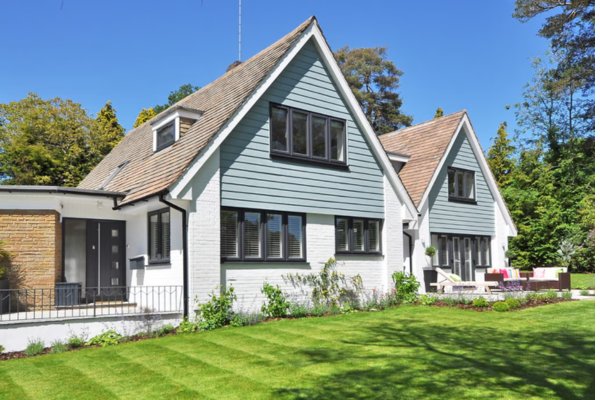
Valentine’s Day isn’t just for romantic dates and sweet gestures—it’s also a reminder of how wonderful it feels to find the one. Whether you’re searching for your first home, an investment property, or a place to start fresh with loved ones, finding your perfect home can feel just like falling in love. This Valentine’s Day, let’s explore how to find a home that makes your heart skip a beat! 1. Love at First Sight: What Makes a Home Your Dream Home?  Much like meeting someone special, the right home will speak to you in ways that are hard to describe. Is it the charming curb appeal, the cozy interior, or the ideal location that makes your heart race? Just like with a relationship, you’ll know when you’ve found “the one”. a. Location     The neighborhood and surrounding area play a huge role in long-term happiness. Ask yourself: Is it close to work, schools, or favorite hangout spots? Does it have the amenities you love—parks, restaurants, or a vibrant social scene? Is it a quiet retreat or a lively community that suits your personality?     Finding the right location is like finding a partner with shared interests—it makes everything flow effortlessly. b. Curb Appeal & First Impressions     Just like a first date, the initial look and feel of a home can be telling. What draws you in? A welcoming front porch with charming details? A well-maintained exterior that signals care and attention? Beautiful landscaping that invites you to imagine sunny afternoons outside?     A home that makes you smile when you pull into the driveway is one worth considering. c. The Perfect Layout for Your Lifestyle     Your dream home should complement your daily routine and future goals. Think about: Space & Functionality: Does it have the right number of bedrooms and bathrooms? Entertaining Potential: Is the kitchen open and inviting? Is there a cozy living room for gatherings? Work & Relaxation: If you work remotely, is there a dedicated space for productivity? Room to Grow: Will this home accommodate future life changes, such as kids, pets, or aging in place?     The right layout ensures that your home isn’t just beautiful—it’s livable. d. Emotional Connection: The X-Factor     Sometimes, you can’t quite explain why a home feels right—it just does. Pay attention to: That cozy feeling when you walk through the door. The way natural light streams through the windows. The sense of peace or excitement that tells you, “I could live here.” 2. The Perfect Match: Matching Your Home with Your Needs   When you’re in love, you want to make sure your partner fits your life perfectly. The same goes for your home! Whether it’s space for a growing family,            a convenient location, or an investment property with high returns, you’ll want to ensure your new space meets your needs. How do you decide what’s truly essential in your home search? 3. How to Keep the Romance Alive: Finding Long-Term Happiness with Your Property  It’s easy to be in love when everything’s new and exciting, but just like relationships, homes require maintenance and care. Whether it’s regular upkeep or future improvements, taking care of your property ensures it remains as lovable as ever. 4.    Couples and Co-Buying: When Two Hearts and Bank Accounts Collide  For couples looking to buy together, this section can cover tips for navigating the home-buying process as a team. From setting budgets to deciding on shared priorities, it’s important to be in sync as you embark on your home-buying journey together. 5.    Love Your Investment: How Real Estate Can Be a Gift That Keeps on Giving  Real estate isn’t just about finding a home—it’s about investing in your future. This Valentine’s Day, consider the long-term benefits of owning property, whether it’s for financial growth or for the peace of mind that comes with homeownership. Conclusion: Just like love, finding the perfect home takes time and patience, but when you finally find it, the rewards are worth it. Whether you’re looking to buy, sell, or invest, remember: the right home can change everything.  Happy Valentine’s Day from Lowcountry Charmed, and may your next real estate journey be full of love and lasting happiness.  Book a call now for expert guidance in finding your dream home this Valentine’s Day!

How to Find Your Perfect Home This Valentine’s Day Read More »

Charleston’s Real Estate Market: Tips for a Smooth Transition

Charleston’s fastest-growing neighborhoods in 2025 are seeing smooth transitions in development. Relocating to a new city can feel overwhelming, especially when it involves finding the right home in a competitive real estate market. Charleston, South Carolina, is one of the most sought-after destinations for its rich history, coastal charm, and welcoming communities. Whether you’re moving for work, lifestyle changes, or a fresh start, understanding Charleston’s real estate market can make all the difference. This guide provides essential tips to help you navigate Charleston’s housing market, choose the right neighborhood, and transition seamlessly into life in the Lowcountry.  1. Get to Know Charleston’s Real Estate Market Charleston offers a wide variety of housing options, from historic homes to modern townhouses, waterfront properties, and suburban developments. Desirable areas such as Mount Pleasant, James Island, and West Ashley often see competitive markets, with rising demand and increasing home prices. In 2025, Charleston’s real estate market continues to experience growth, with heightened interest from newcomers seeking its unmatched blend of history and modern amenities. Before starting your home search, familiarize yourself with market trends, set a clear budget, and be prepared for competitive bidding in high-demand neighborhoods. Tip: Partner with a local real estate expert who can provide valuable insights into the market and guide you through the buying process.  2. Define Your Priorities Before diving into your search, identify the features most important to you, such as proximity to work, outdoor activities, or access to cultural events. Key considerations when choosing a neighborhood include:  Lifestyle Fit: Charleston offers everything from vibrant downtown living to serene waterfront communities. Explore neighborhoods that align with your lifestyle. Convenience: Consider commute times, access to public transportation, and nearby amenities such as grocery stores, gyms, and healthcare facilities. Outdoor Opportunities: Love the outdoors? Choose neighborhoods with easy access to beaches, parks, or hiking trails. Safety: Research crime rates and visit areas of interest to get a feel for their atmosphere. Use resources like CrimeGrade.org for detailed crime data. 3. Research Neighborhoods Charleston is known for its distinctive neighborhoods, each offering unique benefits:  Mount Pleasant: Family-friendly with excellent schools, shopping, and outdoor activities. Downtown Charleston: Historic charm with walkable streets, dining, and cultural landmarks. James Island: Close to the beach and downtown, offering a blend of suburban and coastal living. West Ashley: Known for its affordable housing options and proximity to green spaces. Daniel Island: Upscale with modern amenities and an active, community-oriented vibe. 4. Plan Moving Logistics Efficient planning is crucial for a smooth move to Charleston:  Hire Movers Early: With Charleston’s popularity, booking a reliable moving company in advance can prevent delays. Update Essentials: Change your address with the post office, utility companies, and subscription services. Explore Your Area: Spend time getting to know your new neighborhood by visiting parks, local markets, and community hotspots. 5. Engage with the Local Community One of Charleston’s greatest assets is its welcoming and vibrant community. Immersing yourself in local events and activities will help you feel at home faster.  Attend festivals, outdoor concerts, and farmers markets to meet people and explore the culture. Check out sports leagues, volunteer opportunities, or local clubs for networking and socializing. Charleston’s charm, culture, and opportunities make it an incredible place to call home. By understanding the real estate market, prioritizing your needs, and immersing yourself in the local community, you can create a seamless and enjoyable transition into life in the Lowcountry. At Lowcountry Charmed, we’re here to help you find the perfect home and navigate every step of the relocation process. Reach out today and let us make your move to Charleston stress-free and successful.

Charleston’s Real Estate Market: Tips for a Smooth Transition Read More »

Budget-Friendly Ways to Refresh Your Home’s Interior Design

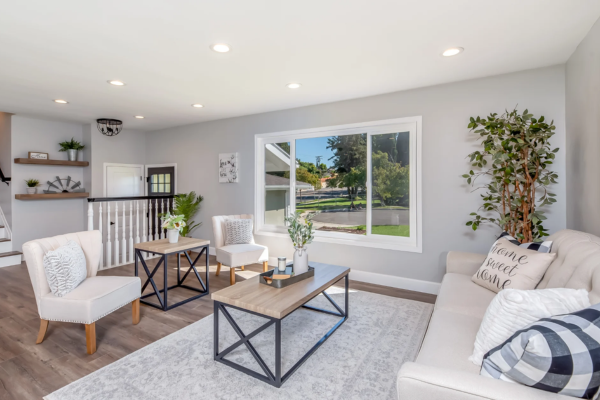
Home design doesn’t have to be expensive to be beautiful. Whether you’re looking to update your space or refresh a few key rooms, there are plenty of budget-friendly ways to give your home a fresh new look without breaking the bank. In this blog, we’ll explore some easy and affordable ways to revitalize your home’s interior design and make it feel brand new.  1. Rearrange Your Furniture One of the quickest and easiest ways to refresh a room is by rearranging the furniture. A new layout can completely change the flow and feel of a space without any cost at all. Try to experiment with different arrangements to make the room feel more spacious or cozy, depending on your preferences. This is especially effective in living rooms and bedrooms.  Pro Tip: Move larger pieces like couches and beds first, and then arrange smaller items like coffee tables, chairs, and lamps around them. Consider creating a focal point, like a fireplace or large window, to guide your arrangement. 2. Add Fresh Paint A fresh coat of paint can instantly brighten up any space and give your room a new vibe. Choose lighter, neutral shades to make rooms feel more spacious, or go bold with accent walls to add a pop of color. Paint is one of the most cost-effective ways to update your home’s look.  Pro Tip: If you’re hesitant about painting an entire room, start with smaller areas like accent walls, trim, or furniture pieces. Consider experimenting with peel-and-stick wallpaper for a fun twist. 3. Update Your Lighting Fixtures Lighting is essential for setting the tone of a room, and updating your fixtures is an easy way to refresh a space. Swap out dated or mismatched light fixtures for something more modern or cohesive. You can find stylish options at affordable prices at stores like IKEA, HomeGoods, or even secondhand stores.  Pro Tip: Adding dimmer switches can change the ambiance of the room instantly. Consider using warm LED bulbs for a cozy and inviting atmosphere. 4. Incorporate Textiles Introducing new textiles like throw pillows, blankets, curtains, and rugs can make a huge difference in the overall feel of a room. These soft furnishings bring comfort and warmth while adding color and texture. Opt for affordable options that can easily be switched out seasonally or as your style changes.  Pro Tip: Mix and match patterns and textures, like a velvet pillow on a linen sofa, to create visual interest without overwhelming the space. If you’re looking for a bigger change, try updating your curtains for a fresher, more contemporary look. 5. DIY Art and Decor You don’t need to spend a fortune on art to make a statement. You can create your own artwork by framing inexpensive prints, posters, or even fabric that matches your home’s color scheme. You can also try DIY projects like creating your own wall hangings, sculptures, or even painted canvases for a personal touch.  Pro Tip: Use gallery-style frames for a more professional look, or group multiple smaller pieces together to make a larger impact. 6. Thrift Shop and Secondhand Finds Thrift stores, flea markets, and online secondhand marketplaces are great places to find unique, budget-friendly decor. You can often find vintage furniture, mirrors, artwork, and other home accessories at a fraction of the price of new items. Plus, buying secondhand is a sustainable way to refresh your home.  Pro Tip: Look for pieces that can be easily updated with a fresh coat of paint or new fabric. For example, old chairs or dressers can be reupholstered or refinished to fit into your current design. 7. Embrace Minimalism Sometimes, less really is more. If your space feels crowded or cluttered, consider embracing a minimalist approach. Start by decluttering your home, getting rid of items you no longer need, and focusing on quality pieces that have a purpose.  Pro Tip: Organize your belongings in stylish storage baskets or bins to keep things tidy without sacrificing aesthetics. A cleaner, simpler space will feel more spacious and inviting. 8. Use Plants and Greenery Plants can breathe life into any room, and they’re an inexpensive way to add natural beauty. Whether you prefer low-maintenance succulents, leafy houseplants, or hanging planters, greenery can help create a fresh and calming atmosphere.  Pro Tip: If you don’t have a green thumb, opt for low-maintenance plants like snake plants or pothos that thrive in various lighting conditions and require minimal care. 9. Add Mirrors to Open Up the Space Mirrors are a fantastic way to make a small room feel larger and more open. They reflect light and add depth to a space. Look for budget-friendly mirrors in unique shapes or frames that complement your existing design.  Pro Tip: A large mirror can serve as a statement piece in your entryway or living room, while smaller mirrors can be grouped together to create a gallery-style wall. 10. Swap Out Hardware and Fixtures Small changes can have a big impact. Consider swapping out old hardware on cabinets, drawers, and doors for something more modern. Updating faucet handles, light switches, or doorknobs is an easy, low-cost way to refresh your home’s interior.  Pro Tip: Choose hardware that matches your overall style, whether it’s sleek and modern, rustic, or vintage-inspired. Refreshing your home’s interior design doesn’t have to involve costly renovations. By incorporating a few budget-friendly updates, like rearranging furniture, adding textiles, and embracing secondhand finds, you can give your home a stylish makeover that reflects your personality and style. Don’t be afraid to experiment with small changes until you find what works best for your space. Ready to refresh your home’s design? Contact Lowcountry Charmed today for expert advice and tips on making your space feel like new! Whether you’re looking for inspiration or guidance, we’re here to help you create a home that’s both beautiful and functional.

Budget-Friendly Ways to Refresh Your Home’s Interior Design Read More »

Maximizing Natural Light: Design Tips for a Bright, Airy Home

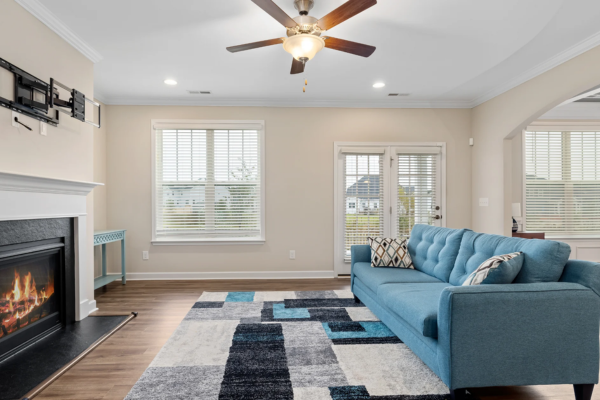
Maximizing natural light can transform your home into a brighter, more inviting space. With simple design tips, you can enhance your space’s light, mood, and energy efficiency. Beyond aesthetics, increased exposure to natural light can boost your mood, improve productivity, and even reduce energy costs. Whether you’re designing a new home or updating your current space, incorporating natural light into your interiors is a game-changer.   In this blog, we’ll share practical and stylish design tips to help you maximize natural light and create a bright, airy home you’ll love spending time in.   1. Choose Light, Reflective Colors The color palette of your home plays a significant role in how light travels through a room. opt for lighter shades like white, cream, pale gray, or pastel tones for walls and ceilings. These colors reflect natural light better than darker hues, making the space appear larger and brighter.   Pro Tip: Use matte paint finishes to reduce glare and amplify the soft diffusion of light.   2. Install Large, Open Windows Windows are your primary source of natural light. Consider installing large picture windows or floor-to-ceiling glass panels to let in as much sunlight as possible.   If new installations aren’t an option, maximize existing windows by:   Keeping them clean to avoid obstructing light. Using sheer curtains or blinds to diffuse sunlight without blocking it entirely. 3. Incorporate Mirrors Strategically Mirrors are an excellent tool for amplifying natural light. Position mirrors opposite or adjacent to windows to reflect sunlight throughout the room. This simple design trick can double the brightness in your space and add a sense of depth.   Idea: Choose oversized mirrors with elegant frames to make them both functional and decorative.   4. Opt for Glass Doors and Partitions Replacing solid doors or walls with glass alternatives is a modern way to enhance natural light flow. Sliding glass doors, French doors, or glass partitions can brighten interiors while maintaining privacy and function.   Bonus Tip: Frosted or textured glass can diffuse light while adding a stylish touch to your design.   5. Use Light, Airy Textiles Heavy, dark fabrics can absorb light and make a space feel smaller. Instead, choose lightweight textiles like sheer curtains, linen upholstery, and cotton rugs. These materials allow light to pass through and create a fresh, breezy atmosphere.   6. Install Skylights or Solar Tubes If wall windows are limited, look up! Skylights and solar tubes can bring sunlight into areas where traditional windows may not fit, such as bathrooms, hallways, or attics.   Skylight Tip: Add motorized shades to control the amount of light coming in during peak sun hours.   7. Declutter and Opt for Minimalism Excess furniture and décor can block light and make a space feel cramped. Adopting a minimalist approach allows sunlight to reach more areas of your home, enhancing the feeling of openness.   Quick Tip: Arrange furniture to avoid blocking windows or light sources.   8. Choose Reflective Surfaces and Materials Furniture and finishes that reflect light can brighten your space even further. Look for materials such as:   Glossy tiles for kitchen backsplashes or bathrooms. Metallic or chrome light fixtures. Glass or acrylic furniture for a sleek, modern vibe. 9. Maximize Outdoor Light Sources Landscaping can also affect how much sunlight reaches your home. Trim overgrown trees or bushes that block windows and use outdoor reflective surfaces, like white-painted fences or stone pathways, to bounce light into your home.   Bring Your Home to Life with Natural Light   Designing a bright, airy home starts with thoughtful changes that let natural light shine through. From strategic color choices to innovative architectural features, these tips will help you transform your space into a luminous retreat.   Ready to Elevate Your Space?  843-790-4522 info@lowcountrycharmed.com www.lowcountrycharmed.com

Maximizing Natural Light: Design Tips for a Bright, Airy Home Read More »

Earnest Money vs Due Diligence In South Carolina

Ever wondered why some offers in Charleston include both an earnest money deposit and a due diligence fee? If you mix them up, it can cost you thousands. Whether you are buying on Daniel Island, selling in Mount Pleasant, or eyeing an investment on the peninsula, you deserve simple, clear guidance. In this post, you will learn what each payment is, how refundability works, typical amounts in our market, and smart ways to negotiate your timelines and risk. Let’s dive in. Quick Definitions you can trust Earnest money is a buyer deposit that shows good faith to close. It is held in escrow and, if the sale closes, it is applied to your purchase price. If you terminate under the contract’s allowed reasons, it can be refundable.  Due diligence fee is a negotiated fee paid to the seller for your unrestricted right to terminate during a set due diligence period. It typically is non-refundable if you back out during that window. If you close, it is usually credited toward your purchase price. Earnest money vs due diligence: key differences Purpose Earnest money: Signals you are serious and performing under the contract. It protects both sides if used correctly. Due diligence fee: Compensates the seller for taking the home off the market while you investigate the property. When you pay Earnest money: Usually within a few days after the contract is signed, as the contract instructs. Due diligence fee: Often at contract signing or very soon after, based on the negotiated terms. Who holds it Earnest money: An escrow holder named in the contract, such as a closing attorney, title company, or brokerage trust account. Due diligence fee: Paid to the seller directly or delivered into escrow then released to the seller per the contract. Refundability at a glance Earnest money: Refundable if you properly terminate under the contract’s protections. If you default after protections expire, the seller may keep it as liquidated damages. Due diligence fee: Generally not refundable if you terminate during the due diligence period. If you close, it is typically credited toward the price. Typical amounts in Charleston Local custom varies by property type, price, and competition, but these ranges are common around Charleston: Earnest money: Often 1 percent of the purchase price, with many transactions falling between 1,000 and 10,000 dollars. Due diligence fee: Frequently 500 to 10,000 dollars, and sometimes more in hot, low-inventory situations. Charleston can be competitive. Sellers may push for shorter due diligence periods, higher due diligence fees, or fewer contingencies. As a buyer, that can help your offer stand out, but it also raises your risk if you change your mind. 2. How the South Carolina timeline works A standard process in our market looks like this. Your contract will control the exact terms. Day 0: Contract is signed. You deliver the due diligence fee to the seller or escrow and send earnest money to the escrow agent within the time stated in the contract, often 1 to 3 business days. Due diligence period: Commonly 7, 10, or 14 calendar days, negotiated up front. You complete inspections, appraisal, loan steps, title review, and any HOA or condo document review. You can terminate for any lawful reason during this period by proper notice. If you do, you typically forfeit the due diligence fee and get earnest money back. After due diligence ends: You are bound to proceed unless another contingency applies. If you default after your protections expire, the seller may keep the earnest money. The seller already holds the due diligence fee. Closing: If the sale closes, both the due diligence fee and earnest money are usually credited toward your purchase price per the contract. What happens in common scenarios Example A: Terminate during due diligence Purchase price: 500,000 dollars Earnest money: 5,000 dollars Due diligence fee: 3,000 dollars Outcome: You terminate during the due diligence window. You forfeit the 3,000 dollars to the seller. The 5,000 dollars earnest money is returned to you. Example B: Proceed to closing Same numbers as above Outcome: You close. The 3,000 dollars due diligence fee and the 5,000 dollars earnest money are both credited at closing, reducing the cash you bring by 8,000 dollars. Example C: Back out after due diligence ends without a right to do so Outcome: You likely lose the earnest money, and the seller already kept the due diligence fee. You effectively paid both amounts. Smart negotiation tips for buyers Balance time and risk: A longer due diligence period gives you time for inspections and loan steps, but sellers prefer shorter windows. If you need more time, negotiate it up front. Coordinate lending: Work with your lender so financing milestones line up with your due diligence deadline. Avoid letting your protections end before you are ready. Book inspections fast: Schedule inspectors immediately after ratification to make the most of your due diligence days. Know your exposure: Offer only a due diligence fee amount you can afford to lose if you decide to walk away. Lock in escrow details: Confirm in writing who holds the earnest money and how funds are credited. Strategic tips for sellers Push for certainty: A higher due diligence fee and a shorter due diligence period can reduce your time off market and buyer uncertainty. Verify handling: Confirm where earnest money and due diligence funds will be held and how they will be disbursed at termination or closing. Require clear notices: Ensure the contract specifies how and when a buyer must give written notice to terminate. Charleston due diligence priorities Use your due diligence time wisely. In Charleston, a few items often deserve early attention. Inspections for age and coastal wear: Older or historic homes may reveal roofing, HVAC, moisture, flood, and coastal construction considerations. Flood zones and insurance: Review elevation certificates, flood zone status, and insurance availability and cost. These items can affect your overall budget and comfort level. HOA and condo documents: For properties in associations, review budgets, policies, and resale documents to understand fees,

Earnest Money vs Due Diligence In South Carolina Read More »

Kitchen Trends 2026: Open Layouts, Statement Islands, and Tech Upgrades

The kitchen has always been the heart of the home, but in 2026, it’s evolving beyond functionality into a space that blends style, innovation, and lifestyle. Homeowners are seeking kitchens that are not just beautiful, but smart, social, and highly adaptable. Here’s what’s shaping the kitchens of the year ahead. 1. Open Layouts: Connecting Spaces Open floor plans are no longer just a trend—they’re a lifestyle choice. Removing barriers between kitchens, dining rooms, and living spaces creates a seamless flow that encourages interaction, entertaining, and family togetherness. Why it matters: Enhances natural light and makes spaces feel larger Encourages socialization while cooking Increases flexibility for multi-use areas 2026 twist: Homes are embracing partial partitions, kitchen islands that double as dining areas, and furniture-like cabinetry to subtly define zones without closing off the room. 2. Statement Islands: The Kitchen’s Focal Point The island has become more than a prep area—it’s the centerpiece of design and functionality. In 2026, expect to see bold materials, mixed textures, and dramatic shapes. Design ideas include: Marble or quartz countertops with contrasting cabinetry Curved or multi-level islands for seating, cooking, and display Integrated appliances, from wine coolers to prep sinks A statement island not only elevates aesthetics but also enhances workflow, offering more storage, seating, and work surfaces. 3. Tech Upgrades: Smart Kitchens for Modern Living Technology continues to transform how we cook, entertain, and interact in the kitchen. From smart appliances to app-controlled systems, the modern kitchen is a hub of convenience and efficiency. Trending upgrades: Smart refrigerators that track groceries, suggest recipes, and manage expiration dates Voice-activated faucets and lighting Induction cooktops with precise temperature controls Connected ovens with remote monitoring for multitasking homeowners These upgrades are not just flashy—they save time, reduce waste, and make cooking a more enjoyable experience. 4. Sustainable & Functional Design Sustainability remains a top priority for 2026 kitchens. Homeowners are choosing eco-friendly materials, energy-efficient appliances, and durable finishes that reduce environmental impact. Examples: Reclaimed wood cabinetry Low-VOC paints and finishes Water-saving fixtures and energy-efficient lighting Durable materials paired with thoughtful design help kitchens stand the test of time while appealing to eco-conscious buyers. 5. Personalization and Mixed Materials Finally, 2026 kitchens are all about personality. Mixing metals, textures, and colors allows homeowners to make a statement while keeping the space functional. Think bold pendant lighting, contrasting countertops and cabinets, or unique backsplash patterns that reflect your style. Pro tip: Keep the layout practical while experimenting with textures and colors, so the kitchen remains inviting and easy to maintain. The kitchen in 2026 is a harmonious mix of style, tech, and practicality. Open layouts foster connection, statement islands create visual impact, and smart appliances streamline everyday life. By embracing these trends, homeowners can design a kitchen that’s both beautiful and functional—a true centerpiece of the home. Ready to Upgrade Your Kitchen? If you’re looking to renovate, sell, or simply elevate your home’s style, Lowcountry Charmed can guide you with insights, design tips, and trusted local contractors. Make your kitchen a space you love while increasing your home’s value. 📞 843-790-4522✉ info@lowcountrycharmed.com🌐 www.lowcountrycharmed.com

Kitchen Trends 2026: Open Layouts, Statement Islands, and Tech Upgrades Read More »

Transform Your Home: Lowcountry-Inspired Updates That Make a Big Impact

The charm of Lowcountry living isn’t just in the landscape—it’s in the way homes feel. From breezy coastal vibes to warm Southern hospitality, a few thoughtful upgrades can instantly elevate a space without the cost of a full renovation. Whether you’re preparing your home to sell or simply want to refresh your living areas, these tips will help your home feel more inviting, stylish, and distinctly Lowcountry. 1. Open Shelving With Local Flair Open shelving is more than a trend—it’s a functional way to showcase personality. In the Lowcountry, it’s common to see shelves adorned with handmade pottery, jars of local spices, or baskets of fresh herbs. Open shelving: Adds warmth and visual interest Encourages organization and decluttering Highlights the unique style of your home Pro Tip: Mix materials like wood and metal for a layered, timeless look. 2. Coastal Accents That Tell a Story Incorporating elements like oyster shells, driftwood, or coral-inspired decor can bring the Lowcountry indoors. These small touches: Connect your home to the region’s maritime history Serve as conversation starters for guests Can be swapped seasonally to keep your decor fresh For example, a shell inlay on a backsplash or a driftwood centerpiece instantly adds character without a major remodel. 3. Butcher Block Meets Coastal Colors Pairing natural wood counters or butcher block islands with seafoam green, pale blue, or sandy beige cabinetry creates a relaxed coastal-chic feel. This combination: Keeps kitchens light and airy Balances rustic and modern elements Adds timeless appeal that resonates with buyers and guests alike 4. Statement Lighting Coastal Colors Replacing a standard fixture with a woven rattan pendant or lantern-style light can completely transform a room. Statement lighting: Draws the eye and becomes a focal point Enhances the ambiance, making spaces feel warmer Is an affordable swap with high impact Whether over an island, dining table, or living area, thoughtful lighting elevates the entire home. 5. Create a Hospitality Corner Create a Hospitality Corner Lowcountry living is all about welcoming guests. Designate a small area for refreshments, snacks, or coffee: A tray with tea, coffee, or lemonade creates a sense of hospitality Encourages relaxation and socializing Highlights how your home can accommodate gatherings Even a corner of your kitchen or living room can serve as this inviting touchpoint. The Secret: Small Details, Big Impact   You don’t need to gut your home or spend thousands to make a difference. It’s the small, thoughtful details—open shelving, coastal accents, statement lighting, and hospitality touches—that make a space feel curated, warm, and memorable. ✅ Ready to Transform Your Home?Start with one upgrade this month and see how it changes the energy of your space. Lowcountry Charmed is here to guide you with inspiration, tips, and expert advice to help your home shine. 📞 843-790-4522 | ✉ info@lowcountrycharmed.com | 🌐 www.lowcountrycharmed.com  

Transform Your Home: Lowcountry-Inspired Updates That Make a Big Impact Read More »

The Resurgence of Walkable Neighborhoods

In today’s real estate market, location has never been more important — and walkability is emerging as a top priority for buyers. Neighborhoods that combine convenient access to shops, restaurants, parks, and other amenities are experiencing a resurgence in demand, reshaping the way people think about where they live. Why Walkable Neighborhoods Are Trending   The appeal of walkable communities goes beyond convenience. Residents increasingly value lifestyle benefits that a pedestrian-friendly environment provides: Health and Wellness: Walking or biking to daily destinations encourages physical activity and reduces reliance on cars. Community Connection: Sidewalks, parks, and local businesses foster interaction and strengthen neighborhood bonds. Time-Saving Convenience: Easy access to grocery stores, coffee shops, and entertainment allows residents to spend less time commuting and more time enjoying life. Sustainability: Fewer car trips mean lower carbon emissions and a smaller environmental footprint. Key Features Buyers Are Looking For Modern buyers are seeking neighborhoods that prioritize accessibility, charm, and lifestyle. Some of the features that drive demand include:   Mixed-Use Developments: Combining residential spaces with retail, dining, and services in close proximity. Parks and Green Spaces: Community parks, trails, and playgrounds encourage outdoor activity and family-friendly living. Local Cafes and Restaurants: Walkable access to coffee shops, casual eateries, and unique dining experiences adds character to a neighborhood. Cultural and Entertainment Options: Galleries, theaters, and events within walking distance enhance a vibrant community atmosphere. Real Estate Implications Walkable neighborhoods tend to maintain strong property values due to high demand. Homes in these areas often sell faster and at a premium, particularly in regions where lifestyle-driven buyers dominate the market. Investors also notice that properties in walkable areas attract renters willing to pay more for convenience, safety, and amenities. Moreover, the trend toward remote work and flexible schedules has increased the importance of living in neighborhoods where daily essentials are easily accessible. People want the best of both worlds: a home that feels connected to the community while still offering privacy and comfort. Tips for Buyers If you’re considering a move to a walkable neighborhood, here’s what to keep in mind: Evaluate Daily Essentials: How close are grocery stores, pharmacies, and fitness centers? Check Public Transit Options: Even if you drive, access to buses or trains adds convenience and value. Observe Community Vibe: Spend time walking the neighborhood to get a feel for safety, friendliness, and activity. Consider Long-Term Appreciation: Homes in highly walkable areas tend to retain value better, even during market fluctuations. Walkable neighborhoods are no longer just a trend—they’re a lifestyle choice. From health and convenience to social connection and property value, the benefits are clear. As more buyers prioritize quality of life over purely square footage, homes in pedestrian-friendly areas will continue to see high demand. ✅ Ready to find your dream home in a walkable community? Let Lowcountry Charmed help you discover neighborhoods that offer the perfect balance of convenience, charm, and lifestyle. 📞 843-790-4522 | ✉ info@lowcountrycharmed.com | 🌐 www.lowcountrycharmed.com

The Resurgence of Walkable Neighborhoods Read More »

2026 Forecast: Buyer vs. Seller Market Predictions

As we look ahead to 2026, the real estate landscape is showing signs of evolution. Shifts in interest rates, buyer demand, and inventory levels are creating a dynamic environment where both buyers and sellers need to be strategic. Understanding the trends can help homeowners, investors, and prospective buyers make confident decisions in the coming year. The Buyer’s Perspective   1. More Inventory Means More Choice   Across many regions, inventory is expected to gradually rise, giving buyers a wider range of options. This is particularly important in historically competitive markets where bidding wars have been common. What buyers can expect: Longer decision-making windows with less pressure to act immediately Increased negotiating power on price and contingencies More opportunities in neighborhoods that were previously out of reach 2. Affordability and Financing Remain Key   Interest rates are predicted to stabilize in 2026, creating a more predictable financing environment. Buyers will continue to weigh affordability carefully and may prioritize homes that balance location, features, and value. Tips for buyers: Get pre-approved early to strengthen offers Focus on long-term value, not just short-term trends Explore first-time buyer programs or incentives for investment properties The Seller’s Perspective 1. Pricing Strategically is More Important Than Ever While inventory increases give buyers leverage, sellers with well-priced, move-in-ready homes can still command strong offers. Overpricing, however, could lead to longer days on market. Tips for sellers: Invest in high-impact improvements like fresh paint, curb appeal, and staging Price based on current market comps and neighborhood trends Highlight unique features that make your home stand out 2. Timing and Market Awareness Matter Sellers will need to monitor market activity closely. Homes that align with buyer preferences—open layouts, modern kitchens, and functional spaces—will continue to sell faster. Pro tip: List strategically during periods of higher buyer activity, like spring and early summer, while considering local market dynamics. Market Outlook: Balancing the Scales 2026 is expected to be a more balanced year, shifting slightly away from the intense seller-favored markets of the past few years. Key factors shaping this balance include: Gradual inventory growth across popular regions Continued demand for lifestyle-oriented properties (walkable neighborhoods, upgraded kitchens, and family-friendly communities) Economic indicators like interest rates, inflation, and job growth This balanced environment benefits both buyers and sellers. Buyers gain negotiation leverage, while sellers who adapt to market expectations can still achieve premium results. The 2026 real estate market is not about extremes—it’s about strategy, preparation, and insight. Buyers should take advantage of growing inventory and more measured competition, while sellers must price intelligently and present their homes in top condition. In a balanced market, knowledge and timing are everything. Ready to Navigate the 2026 Market? Whether you’re buying, selling, or investing, Lowcountry Charmed provides expert guidance to help you make informed decisions in today’s evolving market. Stay ahead with local insights and personalized strategies. 📞 843-790-4522✉ info@lowcountrycharmed.com🌐 www.lowcountrycharmed.com

2026 Forecast: Buyer vs. Seller Market Predictions Read More »

newsletter front photo (28)

Waterfront vs. City Living: What’s Right for You?

When it comes to choosing a home, location isn’t just about the address — it’s about lifestyle. Many buyers face a common dilemma: Should you embrace the serenity of waterfront living or the energy and convenience of city life? Each comes with unique advantages and trade-offs. Understanding these can help you make the choice that fits your life, goals, and long-term investment strategy. Waterfront Living: Peace, Views, and Lifestyle Living on the water offers unmatched tranquility and scenic beauty. From sunrise views over calm lakes to direct access to rivers or the ocean, waterfront properties provide a daily escape right at your doorstep. Pros: Stunning views and natural surroundings Opportunities for boating, fishing, and water sports A sense of privacy and escape from busy streets Often higher resale value in desirable locations Cons: Higher maintenance due to weather exposure and erosion Potential for flooding or higher insurance premiums Limited access to city amenities like dining, nightlife, and work City Living: Convenience, Culture, and Connectivity City life is all about accessibility. From restaurants and theaters to public transportation and walkable neighborhoods, living in the city puts everything at your fingertips. Pros: Close to work, schools, and entertainment Access to cultural events, shopping, and dining Stronger rental or resale demand in high-density areas Vibrant social life and community engagement Cons: Less privacy and smaller outdoor spaces Noise, traffic, and higher cost of living in some areas Limited scenic views compared to waterfront properties Finding Your Balance The choice between waterfront and city living ultimately depends on your priorities: If serenity, outdoor activities, and views are key, waterfront might be ideal. If convenience, culture, and connectivity matter more, city life could be your perfect fit. Some buyers also find a hybrid solution: living close to the city but near water bodies, giving the best of both worlds. Ready to Explore Your Options? Whether you’re drawn to the calming waters or the bustling streets, understanding your lifestyle and goals will guide you to the right home. Lowcountry Charmed can help you explore properties in both waterfront and urban neighborhoods, ensuring you make a confident, informed choice. 📞 (843) 790-4522📧 info@lowcountrycharmed.com🌐 www.lowcountrycharmed.com

Waterfront vs. City Living: What’s Right for You? Read More »