
Uncategorized

The Resurgence of Walkable Neighborhoods

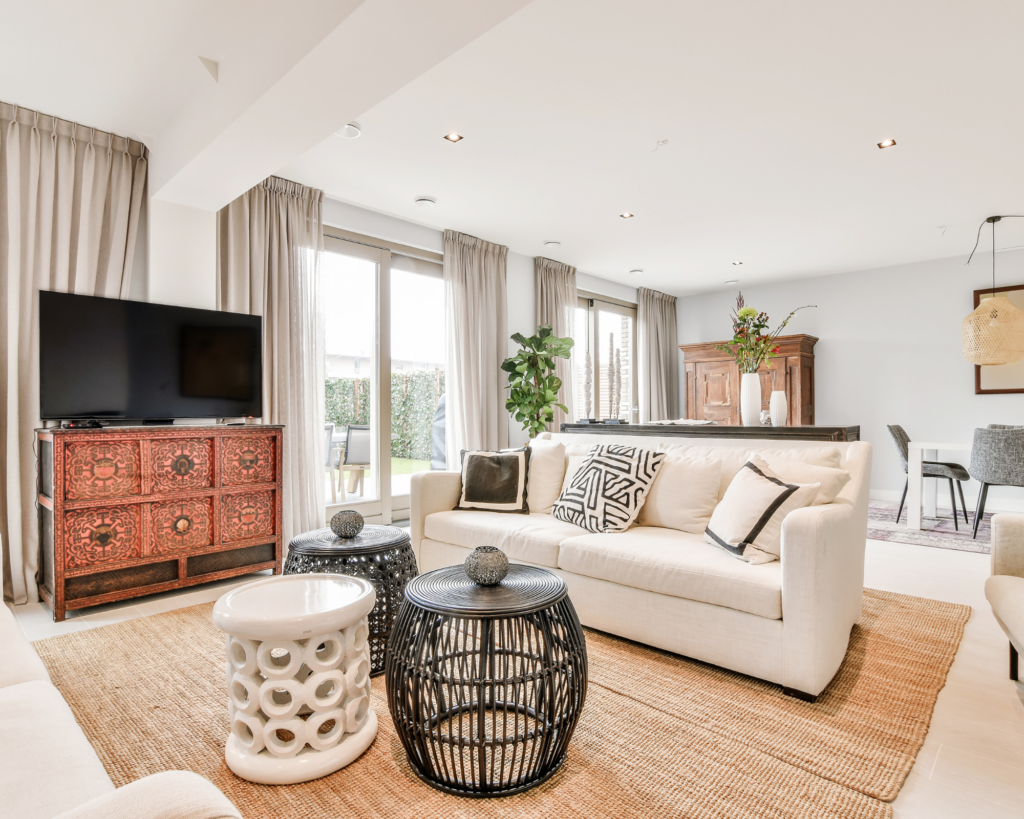
In today’s real estate market, location has never been more important — and walkability is emerging as a top priority for buyers. Neighborhoods that combine convenient access to shops, restaurants, parks, and other amenities are experiencing a resurgence in demand, reshaping the way people think about where they live. Why Walkable Neighborhoods Are Trending   The appeal of walkable communities goes beyond convenience. Residents increasingly value lifestyle benefits that a pedestrian-friendly environment provides: Health and Wellness: Walking or biking to daily destinations encourages physical activity and reduces reliance on cars. Community Connection: Sidewalks, parks, and local businesses foster interaction and strengthen neighborhood bonds. Time-Saving Convenience: Easy access to grocery stores, coffee shops, and entertainment allows residents to spend less time commuting and more time enjoying life. Sustainability: Fewer car trips mean lower carbon emissions and a smaller environmental footprint. Key Features Buyers Are Looking For Modern buyers are seeking neighborhoods that prioritize accessibility, charm, and lifestyle. Some of the features that drive demand include:   Mixed-Use Developments: Combining residential spaces with retail, dining, and services in close proximity. Parks and Green Spaces: Community parks, trails, and playgrounds encourage outdoor activity and family-friendly living. Local Cafes and Restaurants: Walkable access to coffee shops, casual eateries, and unique dining experiences adds character to a neighborhood. Cultural and Entertainment Options: Galleries, theaters, and events within walking distance enhance a vibrant community atmosphere. Real Estate Implications Walkable neighborhoods tend to maintain strong property values due to high demand. Homes in these areas often sell faster and at a premium, particularly in regions where lifestyle-driven buyers dominate the market. Investors also notice that properties in walkable areas attract renters willing to pay more for convenience, safety, and amenities. Moreover, the trend toward remote work and flexible schedules has increased the importance of living in neighborhoods where daily essentials are easily accessible. People want the best of both worlds: a home that feels connected to the community while still offering privacy and comfort. Tips for Buyers If you’re considering a move to a walkable neighborhood, here’s what to keep in mind: Evaluate Daily Essentials: How close are grocery stores, pharmacies, and fitness centers? Check Public Transit Options: Even if you drive, access to buses or trains adds convenience and value. Observe Community Vibe: Spend time walking the neighborhood to get a feel for safety, friendliness, and activity. Consider Long-Term Appreciation: Homes in highly walkable areas tend to retain value better, even during market fluctuations. Walkable neighborhoods are no longer just a trend—they’re a lifestyle choice. From health and convenience to social connection and property value, the benefits are clear. As more buyers prioritize quality of life over purely square footage, homes in pedestrian-friendly areas will continue to see high demand. ✅ Ready to find your dream home in a walkable community? Let Lowcountry Charmed help you discover neighborhoods that offer the perfect balance of convenience, charm, and lifestyle. 📞 843-790-4522 | ✉ info@lowcountrycharmed.com | 🌐 www.lowcountrycharmed.com

The Resurgence of Walkable Neighborhoods Read More »
Charleston Neighborhood Spotlight: Which Areas Are Seeing the Most Growth in 2025?

Charleston Neighborhood Spotlight the fastest-growing neighborhoods in Charleston in 2025. Charleston, South Carolina, is known for its historic charm, stunning waterfront views, and vibrant culture. Over the years, this beautiful Lowcountry city has witnessed a surge in popularity, attracting homebuyers, investors, and businesses alike. As Charleston continues to grow and evolve, specific neighborhoods stand out due to their rapid development, increasing demand, and rising property values. In this blog, we’ll spotlight Charleston neighborhoods experiencing the most growth in 2025, explore why they’re becoming desirable places to live and invest, and share empirical evidence, including a growth graph and quality-of-life metrics.  Empirical Growth Overview: Charleston’s Neighborhood Boom The Charleston metro area has experienced consistent population and economic growth over the past decade. According to the U.S. Census Bureau, Charleston’s population grew by 22.5% from 2010 to 2020, and the upward trend continues. A recent study by the Charleston Regional Development Alliance shows that new housing developments are increasing by 15% annually, with growth concentrated in select neighborhoods. Below is a graph showing the projected growth rates for Charleston’s top neighborhoods in 2025:  Sources: U.S. Census Bureau QuickFacts (2020-2025 Projections), Charleston County Development Reports (2023-2025), Zillow Neighborhood Reports, Redfin Market Insights, Charleston Regional Development Alliance (CRDA), and CoStar Real Estate Market Reports.  1. West Ashley: The Emerging Gem West Ashley is quickly becoming a top choice for first-time homebuyers and investors. Its central location, affordable housing options, and proximity to key amenities have fueled its growth.  Why West Ashley is Growing: Affordability: Homes are priced 25-30% lower than downtown Charleston. Accessibility: Easy access to downtown Charleston, Charleston International Airport, and major highways. Amenities: New retail and dining developments and high-performing schools. Quality of Life: West Ashley boasts a suburban feel with plenty of parks, including the West Ashley Greenway, offering outdoor enthusiasts walking and biking trails.  2. James Island: A Blend of Suburban Comfort and Waterfront Living James Island offers suburban charm, waterfront living, and a laid-back lifestyle. Proximity to downtown Charleston and Folly Beach makes this area particularly desirable for families and young professionals.  Why James Island is Growing: Prime Location: Only 10 minutes from downtown Charleston and 15 minutes from Folly Beach. New Housing Developments: Diverse options, including townhomes and waterfront properties. Community Appeal: Family-friendly parks like James Island County Park enhance quality of life. Quality of Life: Ranked among Charleston’s top areas for recreational activities and access to coastal amenities.  3. Mount Pleasant: Continued Expansion of a Popular Suburb Mount Pleasant remains one of Charleston’s most desirable neighborhoods due to its family-friendly atmosphere and growing luxury housing market.  Why Mount Pleasant is Growing: Location: Proximity to downtown Charleston via the Arthur Ravenel Bridge. Development: Expansion of luxury homes, townhomes, and apartments. Recreation: Highlights include Shem Creek and Patriots Point, offering waterfront dining and historical landmarks. Quality of Life: Known for top-ranked schools, ample shopping, and dining options, Mount Pleasant appeals to families and professionals.  4. North Charleston: The Rising Industrial and Business Hub North Charleston has transformed into a hub for residential and commercial development, offering affordability and accessibility.  Why North Charleston is Growing: Job Opportunities: Increasing employment rates due to new businesses and industrial growth. Affordability: Homes are priced significantly lower than in downtown Charleston. Revitalization: Neighborhoods like Park Circle are undergoing redevelopment with trendy shops and eateries. Quality of Life: Park Circle’s community events, breweries, and arts scene contribute to its vibrant culture.  5. Daniel Island: A Waterfront Paradise for Luxury Living Daniel Island caters to high-end buyers seeking luxury waterfront living. With well-planned communities, upscale amenities, and access to top-rated schools, the island remains a hot spot for real estate in 2025.  Why Daniel Island is Growing: Upscale Living: Homes boast waterfront views and access to golf courses like the Daniel Island Club. Outdoor Recreation: Miles of bike trails and parks foster an active lifestyle. Community Appeal: Events like the Daniel Island Farmers Market bring residents together. Quality of Life: Daniel Island consistently ranks as one of Charleston’s safest and most family-friendly neighborhoods.  Conclusion: Charleston’s Growth Is Your Opportunity With neighborhoods like West Ashley, James Island, Mount Pleasant, North Charleston, and Daniel Island thriving, 2025 presents an exciting time for both residents and investors in Charleston. Whether you’re seeking affordability, luxury, or a family-friendly environment, Charleston has something for everyone.  Let Lowcountry Charmed Help You Find Your Dream Home! As Charleston continues to grow, there’s no better time to explore your options. Contact Lowcountry Charmed today for expert guidance on the city’s most desirable neighborhoods.  Start your home search now and let us help you find your perfect property in the heart of the Lowcountry. Contact us Now!

Charleston Neighborhood Spotlight: Which Areas Are Seeing the Most Growth in 2025? Read More »

4 Home Remodeling Projects with the Highest ROI

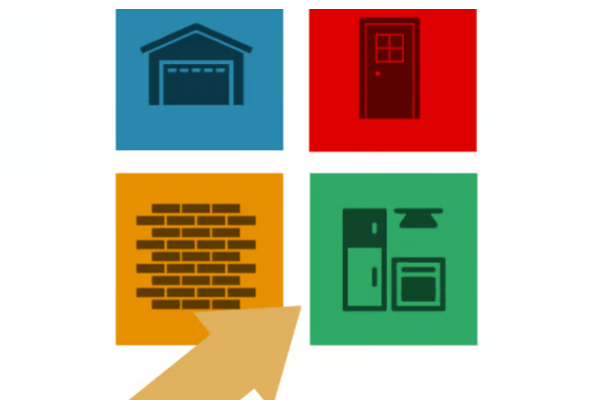
Ask any homeowner about what they would like to change about their home, and most will say, “How much time do you have? Home improvements (cue Tim Allen) or home remodeling projects can stem from a variety of motivations, like preparing your home to put on the market, adding space for a growing family, addressing outdated features or aesthetics, or fixing structural/functional issues with the home. However, when it comes to home remodeling projects, too many people assume their project will proportionally increase the value of their home. Few actually consider the complete scope of return on investment (ROI), taking into account not only potential impact on resale value but also the total costs of time, labor, and materials. Some renovations may provide more “quality of life” ROI by improving comfort and aesthetics without significantly impacting resale value, while others can deliver notable financial returns. Whether you’re looking to upgrade your living space, increase the equity of your home, or trying to make some quick changes to improve your resale price, here are four remodeling projects with the highest ROI and some tips on how to get them done. Top 4 Home Remodeling Projects with the Highest ROI Before diving into specific projects, it’s important to understand how the data supporting these ROI estimates was gathered. This article references findings from the 2024 Cost vs. Value Report conducted by Zonda Media, a reputable research firm in the real estate and construction industries. The report’s ROI figures are based on national averages for both the cost of materials and labor, which means that regional differences may lead to variations in actual returns. 1. Garage Door Replacement Job Cost: $4,513 Resale Value: $8,751 ROI: 193.9% Replacing an old garage door is one of the simplest ways to dramatically boost your home’s curb appeal—and it happens to deliver the highest ROI of any remodeling project. The impact is largely due to the prominent visual space a garage door occupies on a home’s exterior. A sleek, modern garage door can make your entire facade look fresher and more attractive to buyers. Garage doors with the highest ROI include insulated steel doors with modern paneling, custom carriage-style doors, and those featuring windows or decorative hardware. These options not only enhance the home’s exterior aesthetics but also improve functionality and energy efficiency. 2. Steel Entry Door Replacement Job Cost: $2,355 Resale Value: $4,430 ROI: 188.1% Upgrading to a steel entry door is a simple yet impactful change that can drastically improve both the look and energy efficiency of your home. Steel doors cost less than wood ones, giving you a cost effective way to make a big impact on the curb appeal of a home, without sacrificing performance, life span, or durability. Why It Works: Cost-Effective Curb Appeal: Steel doors are less expensive than wood but provide a similar aesthetic boost. This makes them a budget-friendly way to enhance a home’s exterior. Energy Efficiency: Many steel doors come with insulating cores, which can help keep your home comfortable year-round and lower energy bills. Increased Security: Steel doors are harder to break into, providing an added layer of safety that appeals to security-conscious buyers. 3. Manufactured Stone Veneer Job Cost: $11,287 Resale Value: $17,291 ROI: 153.2% Manufactured stone veneer (MSV) is a high-ROI project because it delivers a striking visual upgrade at a relatively moderate cost. MSV is an artificial cladding material designed to mimic the look of natural stone, making it a cost-effective way to add texture and sophistication to your home’s exterior. Why It Works: Strong Visual Impact: Stone veneers add depth and elegance, creating an upscale appearance that can significantly boost curb appeal. Durability and Low Maintenance: Unlike natural stone, MSV is lightweight, easier to install, and resistant to wear and tear. Perceived Value: Even though it’s a faux material, MSV adds an air of luxury and craftsmanship that can make your home more appealing to buyers. Pro Tip: Use manufactured stone veneer to accentuate specific areas, such as around the entryway or along the lower portion of the facade, for maximum visual impact without overspending. 4. Minor Kitchen Remodel (Midrange) Job Cost: $27,492 Resale Value: $26,406 ROI: 96.1% According to Homelight’s “Top Agent Insights End of Year 2024 Report”, “88% of agents say that upgraded kitchens and appliances are one of the best selling points for homes”–a significant increase from the previous year. Read here. The trick to ROI with a kitchen remodel is the budget, and how you decide to balance what to upgrade, the quality of materials, and how much to work within the existing layout. For example, you can make a big impact with less expense if you keep your current cabinet boxes but upgrade the doors and hardware. However, if you strike that balance, you can recoup much of your investment. If you’re looking to sell, an updated kitchen will appeal to buyers, which can also help your home stand out and sell faster. Why It Works: High Buyer Interest: Kitchens are a focal point for most buyers, so even modest improvements can make a significant impact. Affordable Upgrades: By focusing on midrange materials—such as quartz countertops, midrange appliances, and refaced cabinets—you can keep costs manageable while still delivering a fresh look. By keeping the existing layout and avoiding costly structural changes, you can modernize your kitchen while keeping costs down. Key Takeaways for Homeowners 7 out of the 10 best ROI projects all have to do with improvements to the exterior of your home, which makes one thing very clear: Boosting the curb appeal of your home in a cost-effective manner will give you the best ROI if you’re thinking about selling this year. If you look at the current housing market, you can start to see why that is. In the post-pandemic frenzy, buyers had to accept whatever they could find. However, housing inventory has increased over the last couple of years, giving buyers more options. Additionally, due to high-interest rates and affordability issues, the current

4 Home Remodeling Projects with the Highest ROI Read More »

EASY SPRING Home Refresh: Make Your Space Feel Cool, Calm, and Inviting

Spring is the season of fresh starts, and what better place to begin than at home? As the days get longer and the weather warms up, refreshing your living spaces can create a calm, inviting atmosphere that mirrors the beauty outside. Even better? You don’t have to do a major renovation to make a big impact. With a few easy updates — and a focus on creating seamless indoor-outdoor living — you can make your home feel light, airy, and ready for the season. Here’s how to bring a cool, calm, and inviting vibe to your home this spring — inside and out! 1. Lighten Up Your Color Palette Spring is all about soft, fresh tones. Swap out heavy, dark accents for lighter colors like soft blues, sage greens, pale yellows, and crisp whites. Swap pillow covers for lighter linen or cotton fabrics. Change out heavy curtains for sheer, breezy panels. Add light throws to sofas and chairs for cozy texture without the weight. Even small shifts in color can instantly transform the energy of a room. 2. Bring Nature Indoors Nothing says “spring” like fresh greenery! Incorporating natural elements will instantly lift your space: Fresh flowers like tulips, peonies, or daffodils in simple vases. Potted plants like snake plants, ferns, or peace lilies for easy maintenance. Herb gardens on a sunny kitchen windowsill for a fresh, functional touch. If you don’t have a green thumb, high-quality faux plants can still add that lush, natural feel without the upkeep. 3. Declutter and Simplify Spring is the perfect excuse to clear out the clutter. A calm, inviting home often starts with less stuff. Tidy surfaces like coffee tables, kitchen counters, and entryways. Donate or store winter decor and heavy textiles you no longer need. Reorganize closets to make warm-weather essentials easy to grab. Creating a clean, breathable space allows your home’s best features to shine. 4. Refresh Outdoor Living Spaces As the temperatures rise, it’s time to extend your living area beyond four walls. A few thoughtful updates can turn your porch, patio, or backyard into your favorite “room” this season: Add comfy seating with weatherproof cushions in light, cheerful colors. Layer outdoor rugs to define spaces and add texture. Hang string lights or add lanterns for a warm, inviting glow at night. Incorporate potted plants and herbs around your outdoor seating for a natural oasis feel. Create an outdoor dining area with a simple table setup — perfect for alfresco dinners, morning coffees, or weekend brunches. Tip: Even a tiny balcony or front porch can feel like a retreat with just a small bistro set and a couple of plants! 5. Update Your Entryway First impressions matter — even at home! Refresh your entryway to set a welcoming tone: Swap out your doormat for a bright, new design. Add a fresh coat of paint to the front door (navy, sage green, or even a sunny yellow are all trending this spring). Place potted flowers like hydrangeas or geraniums by the door for an instant pop of color. Your guests — and you — will feel the springtime energy from the moment they arrive. 6. Focus on Light and Airflow Let the outside in! Open your windows when the weather allows to encourage natural ventilation and freshen up your space. Place mirrors strategically to reflect natural light and make rooms feel larger. Switch to lighter bedding — think breathable cotton or linen sheets for a cooler, more comfortable sleep. Use diffusers with light, fresh scents like lavender, eucalyptus, or citrus to fill your home with springtime energy. Refreshing your home for spring doesn’t have to be complicated or expensive. With a few easy updates and some thoughtful touches — indoors and out — you can create a space that feels cool, calm, and welcoming for the months ahead. Spring is all about new beginnings. So, why not start with the place where you spend the most time?    

EASY SPRING Home Refresh: Make Your Space Feel Cool, Calm, and Inviting Read More »

Charleston Real Estate Market Update – April 2025

Trends Every Buyer & Seller Should Know Before Making a Move Spring is in full bloom—and so are the shifts in Charleston’s real estate market. Whether you’re house hunting or considering selling, understanding the latest numbers isn’t justhelpful—it’s essential. Across the metro area, we’re seeing higher inventory, longer selling timelines, and mixed price movements, which translates to opportunity for buyers and a need for strategy for sellers. Let’s break down exactly what’s happening in the four key counties—and what it means for you. Mount Pleasant: More Listings, Slower Sales—but Still In-Deman Mount Pleasant remains a top-tier destination for buyers, but the frenzy has cooled. Home values continue to rise, yet properties are sitting longer—and inventory has nearly doubled year-over-year. While prices are still climbing, the pace of sales has slowed significantly. Homes are staying on the market longer, and inventory is up nearly 70% year-over-year. The number of homes sold declined by 14%, while new listings barely budged. Takeaway: Buyers have more options and negotiating power than they did a year ago. For sellers, this means presentation and pricing are more critical than ever. This gives buyers a slight edge over last year, with more selection and more time to make decisions. However, Mount Pleasant still moves fast, and well-priced, well-presented homes remain competitive. Sellers must focus on pricing and presentation to stand out. A beautiful home priced right? Still gold.  Charleston County: Stabilizing, But Still Active Charleston County is gradually moving toward a more balanced market. Prices dipped slightly, but closed sales rose—suggesting continued demand. Inventory is up nearly 40%, and homes are spending more time on the market.  Takeaway: Buyers now have more negotiating power and greater stability in pricing. Sellers should expect longer timeframes and price more carefully to attract motivated buyers. This is a great time for buyers eyeing areas like James Island, West Ashley, or downtown—places that were previously ultra-competitive. With more homes on the market, you have a better shot at landing your dream home without a bidding war. Berkeley County: Cooling Gently, Still Strong Berkeley County’s market is cooling without concern. While home prices have dipped slightly and sales are down modestly, overall activity remains stable. The inventory bump gives buyers more opportunity, although supply is still below the 4–6 month balanced range. Takeaway: With more listings and longer time on the market, buyers can act more strategically. It’s a sweet spot: still strong value, less pressure. This is a favorable environment for first-time buyers and move-up buyers looking for more space and value in communities like Cane Bay, Nexton, and Moncks Corner. Sellers should know that buyers are less likely to overpay or rush into offers without strong justification. Dorchester County: A Buyer’s Market in the Making Dorchester County is undergoing the most dramatic market shift in the region. Inventory is soaring while closed sales dropped sharply—indicators that the tide is turning in favor of buyers. Takeaway: Buyers in Summerville, Ridgeville, and beyond will find more homes, better deals, and less competition than they’ve seen in years. Sellers will need to price smart and stand out to capture buyer attention. So, What Does All This Mean for You? If You’re a Buyer: More homes to choose from More time to decide More room to negotiate Strategy tip: Take advantage of this window before rates, demand, or investor activity picks back up again. The power balance is shifting, but not permanently. If You’re a Seller: Pricing and condition matter more than ever Professional photos, staging, and curb appeal = essential Expect longer selling timelines—but success is still very achievable Strategy tip: Lean on a local expert to analyze your hyper-local market and position your home for maximum impact in today’s shifting landscape. Curious About Your Neighborhood? Real estate trends can shift street by street. Whether you’re in Park Circle, Goose Creek, Daniel Island, or the Historic District, we can provide real-time data on what’s happening where you are. 📞 Call: (843) 790-4522📧 Email: info@lowcountrycharmed.com 🌐 Visit: www.lowcountrycharmed.com  

Charleston Real Estate Market Update – April 2025 Read More »

The Shift to a Balanced Market: What It Means for Your Sale Strategy

The red-hot real estate market of the past few years is cooling—but that’s not necessarily a bad thing. In 2025, many areas are transitioning into what’s known as a balanced market—where neither buyers nor sellers have a clear advantage. This shift changes how you should approach your home sale. Here’s what a balanced market means—and how to adjust your sale strategy for success. What Is a Balanced Market? A balanced market occurs when housing supply and buyer demand are roughly equal. That means: Homes stay on the market a bit longer Bidding wars are less frequent Prices grow at a slower, steadier pace Buyers have more room to negotiate—but sellers still hold solid value What This Means for Sellers You’ll still get a fair price for your home—but pricing, presentation, and patience matter more than ever. 1. Price It Right from the Start Gone are the days of pricing high and expecting multiple offers. In a balanced market: Overpriced homes sit longer and require price drops Accurate pricing attracts serious buyers and can still spark competition Work with an experienced agent who uses local comps and market trends—not outdated hype Strategy Tip: Price within 2–3% of market value to generate interest fast. 2. Make Your Home Show-Ready Buyers in a balanced market shop more carefully. They’ll compare your home to others—and may negotiate harder if things look dated or neglected. To-do list: Deep clean and declutter Refresh paint and landscaping Fix minor repairs before listing Consider staging key rooms Presentation is your silent salesperson. 3. Invest in Quality Marketing In a balanced market, first impressions matter—and they happen online. Make sure your agent provides: Professional photography (including drone or twilight shots if relevant) Video or virtual tours Social media exposure and digital marketing Accurate, appealing listing descriptions Today’s buyers are scrolling before they’re scheduling. Don’t skip the visuals. 4. Be Flexible With Showings and Negotiations Expect fewer bidding wars and more negotiation: Be ready for standard contingencies (inspection, appraisal, financing) Consider offering buyer incentives (closing cost credit, quick move-in) Be flexible with showings, especially on weekends or after work hours The more accommodating you are, the more appealing your home becomes. 5. Plan for a Longer Time on Market Average time on market may increase from 5–10 days (hot market) to 30–45+ days in a balanced one. That’s still healthy—but it requires patience. Don’t panic if your home doesn’t sell in the first week Listen to buyer feedback and be open to adjustments Work with your agent to monitor traffic and interest levels Sometimes, small changes make a big difference. Bonus: Don’t Forget Your Next Move If you’re buying and selling in the same balanced market, the good news is: You’re more likely to secure a new home without rushing You can make contingent offers more easily than in past years You’re not paying extreme premiums on your purchase A balanced market creates more breathing room for transitions. A balanced market rewards smart, strategic sellers—not just lucky ones. With the right preparation and a realistic approach, you can still sell quickly and profitably. Focus on the fundamentals—pricing, condition, exposure—and trust your agent to guide you through the shift. Thinking about selling soon?Let’s connect and evaluate how your neighborhood is trending—and how we can tailor your sale strategy to today’s more balanced market. Contact Us Now! 📞 (843) 790-4522📧 info@lowcountrycharmed.com🌐 www.lowcountrycharmed.com  

The Shift to a Balanced Market: What It Means for Your Sale Strategy Read More »

Choosing the Right Paint Colors for Your Goose Creek Home

Selecting the perfect paint colors for your Goose Creek home can transform your living space and enhance its overall appeal. The choice of colors not only reflects your personal style but also complements the architectural features of your home and the surrounding environment. Goose Creek, with its charming neighborhoods and scenic landscapes, offers a unique backdrop that can influence your color choices. Understanding how to choose the right paint colors involves considering various factors, from the local climate to the natural light in your home. Understanding the Local Climate and Environment Goose Creek’s climate can play a significant role in your paint color selection. With its warm summers and mild winters, colors that can withstand the heat and humidity are ideal. Light, reflective colors can help keep your home cooler during the hotter months, while darker shades might absorb more heat. Additionally, the lush greenery and natural surroundings of Goose Creek can inspire earthy tones that blend seamlessly with the environment. Consider how the changing seasons might affect the appearance of your chosen colors, both inside and outside your home. Considering the Architectural Style of Your Home The architectural style of your Goose Creek home should guide your color choices. Whether you live in a traditional Southern-style home, a modern townhouse, or a cozy bungalow, each style has colors that naturally complement its design. For instance, classic Southern homes often feature soft pastels or neutral tones that highlight their elegant features. On the other hand, modern homes might benefit from bold, contrasting colors that emphasize clean lines and contemporary aesthetics. Understanding the architectural nuances of your home can help you select colors that enhance its character and charm. Evaluating Natural Light and Room Orientation Natural light significantly impacts how paint colors appear in your home. Rooms with ample sunlight can handle darker shades, as the light will keep the space from feeling too enclosed. Conversely, rooms with limited natural light might benefit from lighter colors that reflect more light and create a sense of openness. The orientation of each room—whether it faces north, south, east, or west—can also influence color perception. South-facing rooms, for example, receive warm, bright light, which can intensify colors, while north-facing rooms might require warmer tones to counteract cooler light. Creating a Cohesive Color Palette A cohesive color palette ensures that your Goose Creek home feels harmonious and well-designed. Start by selecting a base color that you love, then build a palette around it with complementary shades. Consider using a color wheel to identify colors that work well together. Incorporating different shades and tones of the same color can add depth and interest without overwhelming the space. Additionally, think about how the colors in adjacent rooms will interact, ensuring a smooth transition from one area to another. Incorporating Trends Without Sacrificing Timelessness While it’s tempting to follow the latest color trends, it’s essential to balance contemporary choices with timeless appeal. Trends can provide inspiration and introduce fresh ideas, but they may not always stand the test of time. Consider incorporating trendy colors in smaller, easily changeable elements, such as accent walls, furniture, or decor. This approach allows you to update your home’s look without committing to a full-scale repainting project. Timeless colors, like neutrals and classic shades, can serve as a foundation that remains stylish for years to come. Testing Paint Samples Before Committing Before committing to a color, it’s crucial to test paint samples in your home. Paint small sections of your walls with different shades and observe how they look at various times of the day. This process allows you to see how the colors interact with your home’s lighting and furnishings. Testing samples can prevent costly mistakes and ensure that you choose a color that you’ll love in every light. Consider how the color looks in both artificial and natural light, as well as how it complements your existing decor. Considering the Emotional Impact of Colors Colors have a psychological impact and can influence the mood and atmosphere of a room. Warm colors, such as reds, oranges, and yellows, can create a cozy, inviting atmosphere, making them ideal for living rooms and dining areas. Cool colors, like blues and greens, evoke calmness and tranquility, perfect for bedrooms and bathrooms. Neutral colors provide versatility and can serve as a backdrop for various design elements. Understanding the emotional effects of different colors can help you create spaces that align with your desired ambiance. Balancing Interior and Exterior Color Schemes The exterior color of your Goose Creek home should complement its interior palette, creating a seamless flow from outside to inside. Consider the architectural style, landscaping, and neighborhood aesthetics when selecting exterior colors. Earthy tones and natural hues often work well in Goose Creek’s scenic environment, blending with the natural surroundings. For the interior, ensure that the colors reflect the home’s exterior style while catering to the functionality and mood of each room. This balance enhances the overall cohesion and appeal of your property. Consulting with a Professional Color Consultant If you’re unsure about choosing the right paint colors, consulting with a professional color consultant can provide valuable insights. These experts can offer guidance based on your home’s architecture, lighting, and personal preferences. They can also help you navigate color trends and create a palette that reflects your style while enhancing your home’s features. A professional can provide a fresh perspective and suggest combinations you might not have considered, ensuring that your Goose Creek home looks its best. Embracing Personal Style and Preferences Ultimately, the paint colors you choose should reflect your personal style and preferences. While considering all the practical aspects, such as lighting and architecture, don’t forget to incorporate colors that resonate with you. Your home is a reflection of your personality, and the colors you choose should make you feel comfortable and happy. Whether you prefer bold, vibrant hues or soft, muted tones, embracing your unique style will ensure that your Goose Creek home feels like a true reflection of you. Transform

Choosing the Right Paint Colors for Your Goose Creek Home Read More »

Re‑Roofing In Goose Creek: Cost, Code And Paperwork

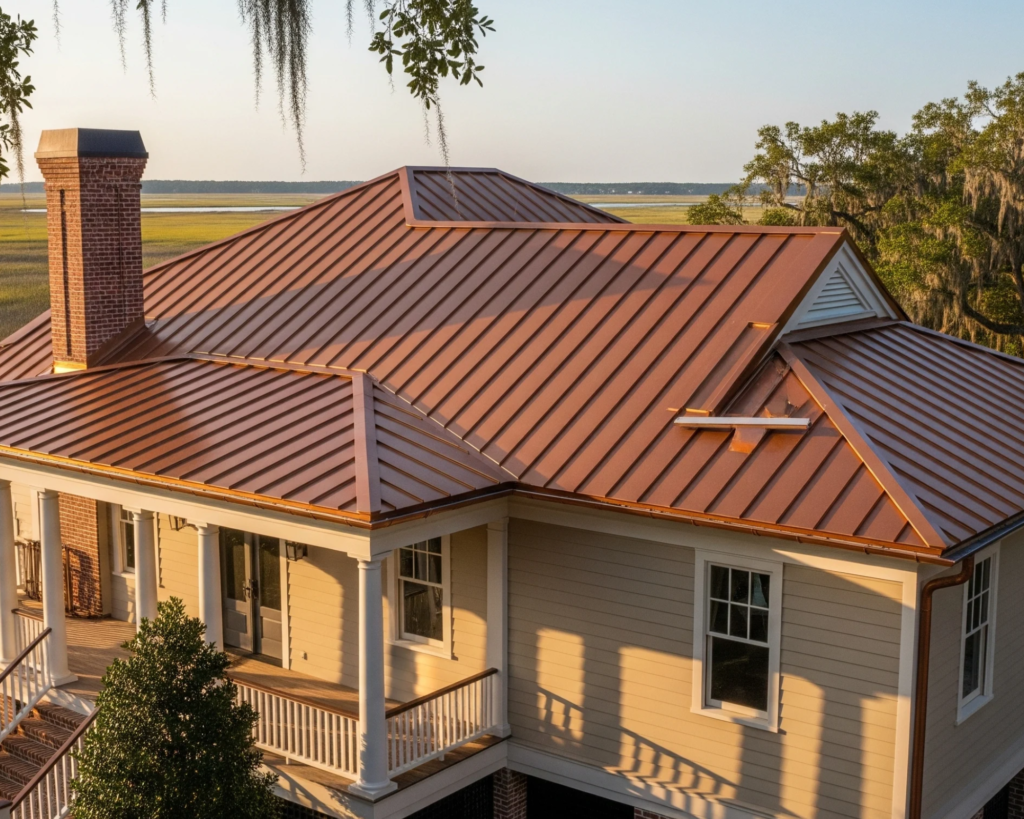
Planning a roof replacement in Goose Creek? Between permits, code rules, fees, and insurance paperwork, it is easy to miss a step that can delay work or cost you more. You want a smooth project that protects your home, meets wind requirements, and preserves resale value. In this guide, you will learn what permits you need, how fees are calculated, which codes apply, typical costs in the Charleston area, and your rights if insurance is involved. Let’s dive in. Permit rules in Goose Creek If a contractor is reroofing your single‑family home in Goose Creek, a building permit is required and must be posted where it is visible from the street. City guidance lists reroofing as a permit‑required activity and notes that contractors must remove roofing debris. Goose Creek also states that no routine inspections are required for standard single‑family reroofing, though you should confirm special cases with the Building Officials Office. See the city’s inspection guidance for details on permit posting and inspection notes in the Inspection Guidelines. How to submit your permit Goose Creek requires electronic submissions through its permitting portal. The city moved to electronic submittals in 2025, so plan to upload documents rather than walk in paper forms. For portal access and submittal steps, start at Residential Permits on the city website and contact the Permits Division if you need help with the portal checklist. Learn more in the city’s note on electronic submissions and the Residential Permits page for process and contacts. What to include with your application Most residential reroof applications include: Completed Building Permit Application. Signed roofing contract if you are using a contractor. Proof of the contractor’s state license if required by scope or value. Any additional documents the portal requests for your specific project. The portal will indicate if further documentation or plan review is needed. Post the issued permit on site before work starts. Permit fees and how they are calculated Goose Creek calculates building permit fees using ICC Building Valuation Data. Expect a small application fee and a technology fee, plus a valuation‑based fee that scales with project size. For the current fee structure and tiered tables, review the city’s FY2025 Master Fee Schedule and check your final amount in the permitting portal before payment. Code and wind basics for the Lowcountry South Carolina enforces the state‑adopted, modified 2021 International Codes, which local jurisdictions use as the basis for enforcement. Your contractor should confirm the design wind speed and fastening requirements for your address with the local authority having jurisdiction. For state adoption details, see the Building Codes Council’s code adoption overview. Materials and warranty considerations Goose Creek’s coastal wind exposure makes product selection and installation details important. Shingle manufacturers publish wind ratings and special installation conditions for higher wind coverage. For example, certain GAF warranties increase wind coverage when specific accessories and fastening patterns are used. Review your chosen product’s warranty terms and installation requirements in the manufacturer’s guidance, such as GAF residential warranties, and have your contractor confirm compliance in writing. Overlay vs tear‑off An overlay can save time and money, but it is not always appropriate. Manufacturers may limit overlays for warranty coverage, and damaged or water‑soaked decking requires a tear‑off and repair. Goose Creek’s public pages do not publish a specific layer limit, so confirm overlay eligibility with the Building Inspection Division and the shingle manufacturer before you decide. What a new roof costs in Goose Creek Regional estimates for Goose Creek and the greater Charleston area show a broad range for complete asphalt shingle replacements. Smaller, simpler projects may fall around 4,000 to 7,000 dollars, typical single‑family homes often range from about 6,000 to 18,000 dollars, and larger homes or premium materials like architectural shingles, metal, or tile can reach 15,000 to 30,000 dollars or more. For localized examples and averages, review Goose Creek project data from HomeYou and then get written quotes for your specific roof. Key cost drivers include roof size, pitch and complexity, tear‑off vs overlay, decking repairs discovered during tear‑off, material choice, access and safety needs, code‑required upgrades like underlayment or drip edge, and any manufacturer‑required accessories to meet warranty terms. Insurance claims and your rights in South Carolina If you sign a roofing contract that will be paid from insurance proceeds and your insurer later denies all or part of the claim in writing, South Carolina law gives you the right to cancel the contract up to midnight on the fifth business day after you receive the denial. Contractors must include a bold 10‑point cancellation notice, provide a detachable cancellation form, and they may not require payment until that five‑day window expires, except for written emergency services. Review the protections in SC Code Section 40‑59‑25. Practical steps if insurance is involved: Keep insurer communications in writing and filed. Verify whether your contractor will communicate with the insurer and whether they are permitted to do so. Do not make payments that conflict with your cancellation window if a denial occurs. Step‑by‑step checklist Verify your roofer’s state license and insurance through the SC LLR lookup and request a certificate of insurance. Start with the LLR’s licensing and registration resources. Decide whether the job is a full tear‑off or an overlay, and get the manufacturer’s warranty requirements in writing. Complete and submit your building permit through Goose Creek’s permitting portal, then post it where it is visible from the street. Confirm debris handling and place any dumpster on private property. If any street or sidewalk could be blocked, call the Permits Division to ask about right‑of‑way authorization. If insurance is paying, track your claim dates and know your five‑business‑day cancellation right if coverage is denied in whole or in part. Common mistakes to avoid Starting work without a posted permit or assuming inspections will happen automatically. Skipping license and insurance verification for your contractor. Choosing materials without checking wind ratings and installation requirements for warranty coverage. Blocking the public right‑of‑way with a dumpster or equipment without checking city requirements. Assuming overlays

Re‑Roofing In Goose Creek: Cost, Code And Paperwork Read More »

Home Age vs. Market Value in Isle Of Palms: What You Should Know

Understanding the relationship between a home’s age and its market value is crucial for both buyers and sellers in Isle Of Palms, SC. This picturesque coastal city offers a unique blend of historic charm and modern amenities, making it a sought-after location for real estate. However, the age of a home can significantly impact its market value, and understanding this dynamic is essential for making informed decisions. The Impact of Home Age on Market Value When it comes to buying or selling a home in Isle of Palms, SC, understanding how a home’s age affects its market value is essential. This coastal community offers a mix of historic charm and modern living, making it a desirable location—but age can play a big role in a property’s appeal and price. The Appeal of Older Homes   Older homes often come with unique architectural details, character, and historical significance that can’t be replicated in new construction. Original hardwood floors, intricate moldings, and vintage fixtures give these properties a charm many buyers love. However, these homes may also require more maintenance, updates, or even restoration, which can impact their overall market value. Modern Features in Newer Homes Newer homes generally offer modern conveniences such as updated kitchens and bathrooms, energy-efficient appliances, smart home technology, and low-maintenance materials. Buyers often value these features for the comfort, convenience, and potential cost savings they provide. Sellers can highlight these benefits to attract buyers willing to pay a premium for move-in-ready homes. Renovations and Updates   Whether a home is older or newer, thoughtful renovations can significantly influence market value. For older homes, updating key areas while preserving historical charm can make a property more appealing. For newer homes, adding personalized touches, expanding living spaces, or enhancing energy efficiency can increase both comfort and resale value. Neighborhood and Market Trends A home’s location and neighborhood demand can sometimes outweigh its age. Properties in highly desirable neighborhoods, close to beaches, amenities, and schools, often retain or increase their value regardless of whether they’re new or historic. Understanding market trends helps buyers and sellers set realistic expectations and make informed decisions. Inspections, Appraisals, and Financing Inspections and appraisals are key to accurately assessing a home’s value. They identify any maintenance or structural issues and ensure a fair market price. Lenders may have specific requirements for older homes, especially if significant repairs are needed, so it’s important for buyers to explore financing options that align with the property’s condition. Long-Term Investment Potential Both older and newer homes in Isle of Palms can be strong long-term investments. Buyers and sellers should consider the potential for appreciation, neighborhood growth, and market trends. A home with charm, modern features, or strategic updates can offer both lifestyle enjoyment and financial return.   Understanding the balance between historical charm, modern amenities, and neighborhood appeal is crucial in Isle of Palms. Whether you’re buying or selling, having expert guidance can help you navigate these factors and make confident, informed decisions. Understanding how the age of a home impacts its market value is crucial for making informed decisions in Isle Of Palms. Whether you’re buying or selling, knowing the balance between charm and modern amenities can significantly affect your investment. If you’re ready to explore your options or need expert advice, Lowcountry Charmed LLC is here to help. Contact us today to find the perfect home that meets your needs and budget in Isle Of Palms.

Home Age vs. Market Value in Isle Of Palms: What You Should Know Read More »

Transform Your Home: Lowcountry-Inspired Updates That Make a Big Impact

The charm of Lowcountry living isn’t just in the landscape—it’s in the way homes feel. From breezy coastal vibes to warm Southern hospitality, a few thoughtful upgrades can instantly elevate a space without the cost of a full renovation. Whether you’re preparing your home to sell or simply want to refresh your living areas, these tips will help your home feel more inviting, stylish, and distinctly Lowcountry. 1. Open Shelving With Local Flair Open shelving is more than a trend—it’s a functional way to showcase personality. In the Lowcountry, it’s common to see shelves adorned with handmade pottery, jars of local spices, or baskets of fresh herbs. Open shelving: Adds warmth and visual interest Encourages organization and decluttering Highlights the unique style of your home Pro Tip: Mix materials like wood and metal for a layered, timeless look. 2. Coastal Accents That Tell a Story Incorporating elements like oyster shells, driftwood, or coral-inspired decor can bring the Lowcountry indoors. These small touches: Connect your home to the region’s maritime history Serve as conversation starters for guests Can be swapped seasonally to keep your decor fresh For example, a shell inlay on a backsplash or a driftwood centerpiece instantly adds character without a major remodel. 3. Butcher Block Meets Coastal Colors Pairing natural wood counters or butcher block islands with seafoam green, pale blue, or sandy beige cabinetry creates a relaxed coastal-chic feel. This combination: Keeps kitchens light and airy Balances rustic and modern elements Adds timeless appeal that resonates with buyers and guests alike 4. Statement Lighting Coastal Colors Replacing a standard fixture with a woven rattan pendant or lantern-style light can completely transform a room. Statement lighting: Draws the eye and becomes a focal point Enhances the ambiance, making spaces feel warmer Is an affordable swap with high impact Whether over an island, dining table, or living area, thoughtful lighting elevates the entire home. 5. Create a Hospitality Corner Create a Hospitality Corner Lowcountry living is all about welcoming guests. Designate a small area for refreshments, snacks, or coffee: A tray with tea, coffee, or lemonade creates a sense of hospitality Encourages relaxation and socializing Highlights how your home can accommodate gatherings Even a corner of your kitchen or living room can serve as this inviting touchpoint. The Secret: Small Details, Big Impact   You don’t need to gut your home or spend thousands to make a difference. It’s the small, thoughtful details—open shelving, coastal accents, statement lighting, and hospitality touches—that make a space feel curated, warm, and memorable. ✅ Ready to Transform Your Home?Start with one upgrade this month and see how it changes the energy of your space. Lowcountry Charmed is here to guide you with inspiration, tips, and expert advice to help your home shine. 📞 843-790-4522 | ✉ info@lowcountrycharmed.com | 🌐 www.lowcountrycharmed.com  

Transform Your Home: Lowcountry-Inspired Updates That Make a Big Impact Read More »