
Uncategorized

Millennial Movers & Family Buyers: How Generational Shifts Are Changing the Market

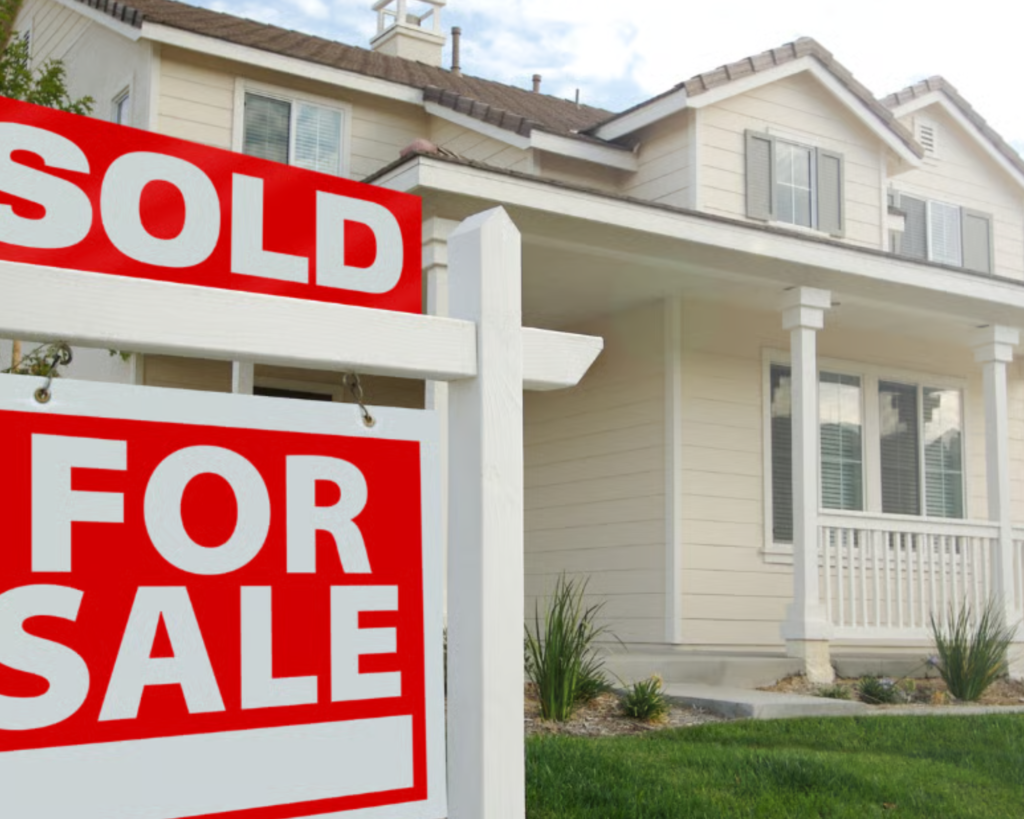
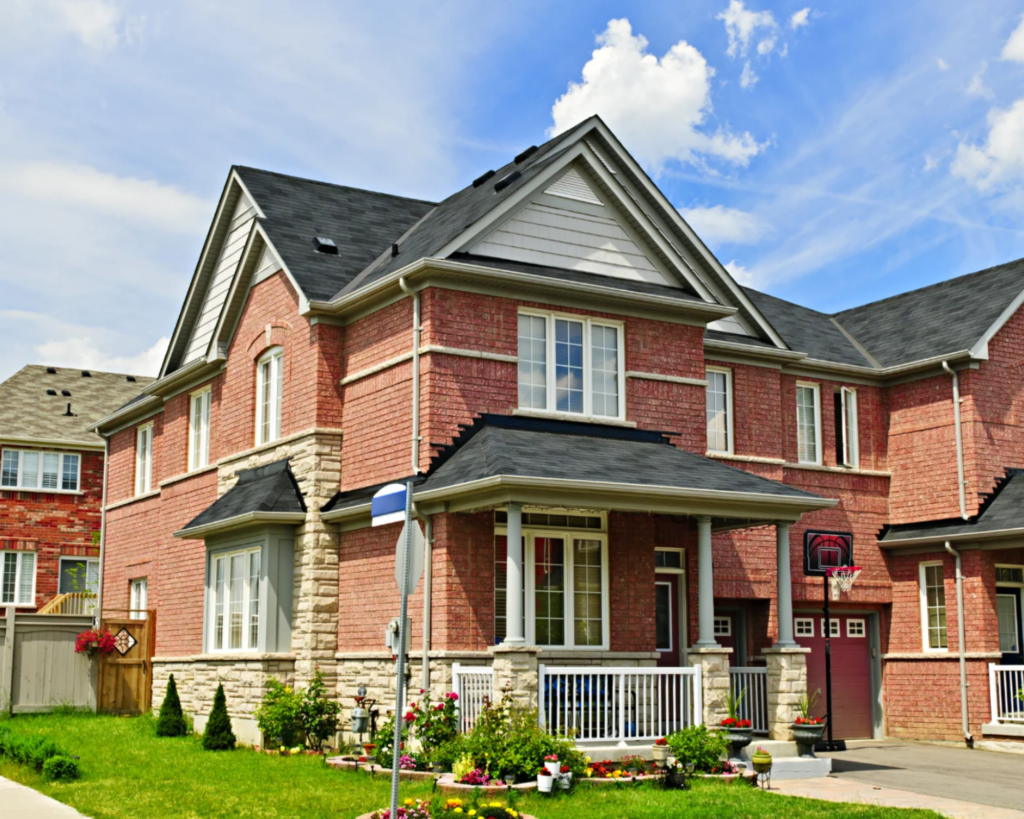
The real estate landscape is evolving — and it’s being shaped by new generations of buyers who think, spend, and live differently than those before them. From Millennials entering peak buying years to families prioritizing flexibility and community, today’s housing trends are being redefined by shifting values, lifestyles, and financial realities. Let’s explore how these generational changes are transforming the housing market as we know it. 1. Lifestyle Over Luxury Gone are the days when bigger automatically meant better. Millennials and modern families are choosing homes that fit their lives — not just their budgets. Walkability, access to parks and restaurants, and a sense of community often outweigh square footage or prestige. Sustainability, energy efficiency, and minimal maintenance are also top priorities. For many, the modern dream home is less about “status” and more about simplicity, connection, and quality of life. 2. Flexible Spaces for Hybrid Living The rise of remote and hybrid work has permanently changed what buyers look for. Today’s homes need to do it all — serve as a workspace, classroom, gym, and relaxation zone.Buyers are drawn to: •    Multi-purpose rooms•    Finished basements or ADUs•    Smart-home technology•    Outdoor living spaces that expand functionality Flexibility is no longer optional — it’s a key selling point that can increase both comfort and resale value. 3. Savvier Financial Strategies Millennials and younger Gen X buyers are more financially strategic than ever. With rising home prices and economic uncertainty, they’re approaching ownership with a long-term mindset.Many are exploring: •    “House hacking” (renting part of the home to offset costs)•    Buying fixer-uppers to build equity•    Pooling family resources for multigenerational homes•    Prioritizing areas with strong appreciation potential They see real estate as both a lifestyle decision and a long-term wealth-building strategy 4. Community and Connection Matter More Modern buyers aren’t just purchasing property — they’re seeking belonging.From suburban neighborhoods to master-planned communities, today’s families value safety, social connection, and access to amenities that make everyday life more enjoyable — think parks, local events, and family-friendly recreation. The focus has shifted from commuter convenience to community-centered living, where relationships and experiences matter most.  The Bottom Line The next generation of homeowners is reshaping real estate from the ground up. They’re redefining the “American Dream” — prioritizing flexibility, authenticity, and connection over size or status. For agents, sellers, and investors, understanding these shifting priorities isn’t just helpful — it’s essential. The market’s future belongs to those who can adapt to how these generations truly want to live.  Ready to Make Your Move? Whether you’re buying your first home, upgrading for your family, or planning your next investment, expert guidance can make all the difference. At Lowcountry Charmed, we help buyers and sellers make confident, informed decisions that align with today’s market trends.🌐 www.lowcountrycharmed.com📞 843-790-4522✉️ info@lowcountrycharmed.com    

Millennial Movers & Family Buyers: How Generational Shifts Are Changing the Market Read More »

The Rise of “Move-In Ready” Expectations in a Slower Market

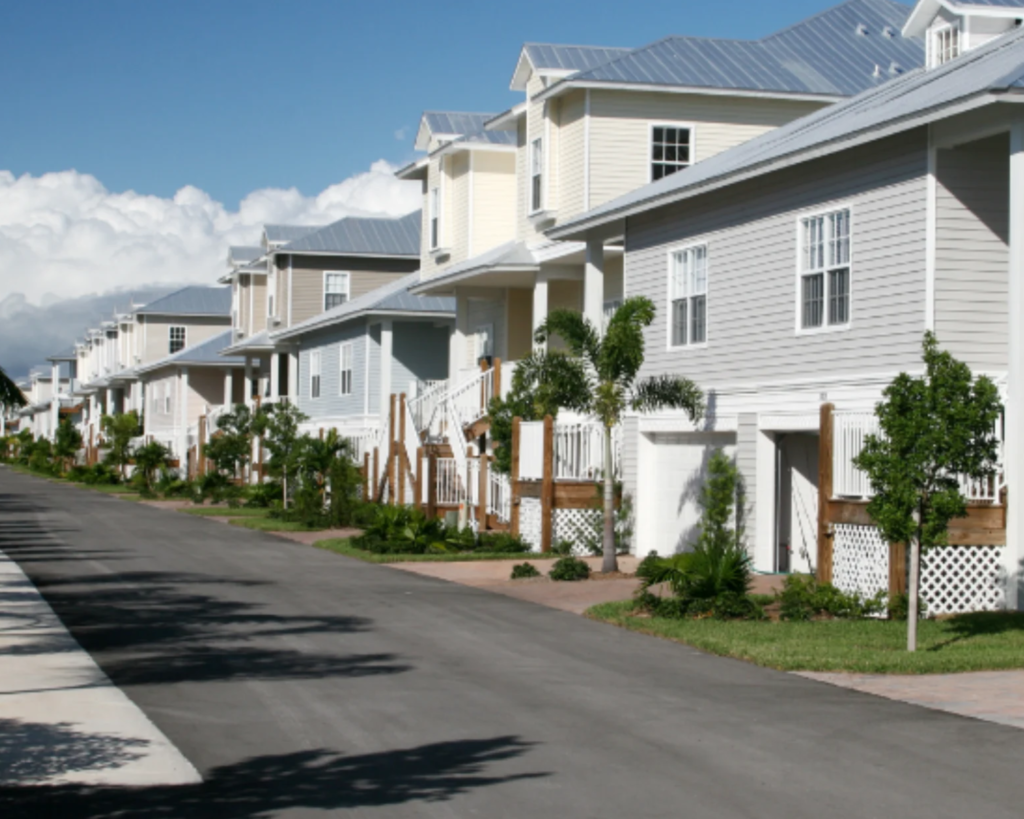
Understanding the relationship between a home’s age and its market value is crucial for both buyers and sellers in Isle Of Palms, SC. This picturesque coastal city offers a unique blend of historic charm and modern amenities, making it a sought-after location for real estate. However, the age of a home can significantly impact its market value, and understanding this dynamic is essential for making informed decisions. The Impact of Home Age on Market Value When it comes to buying or selling a home in Isle of Palms, SC, understanding how a home’s age affects its market value is essential. This coastal community offers a mix of historic charm and modern living, making it a desirable location—but age can play a big role in a property’s appeal and price. The Appeal of Older Homes   Older homes often come with unique architectural details, character, and historical significance that can’t be replicated in new construction. Original hardwood floors, intricate moldings, and vintage fixtures give these properties a charm many buyers love. However, these homes may also require more maintenance, updates, or even restoration, which can impact their overall market value. Modern Features in Newer Homes Newer homes generally offer modern conveniences such as updated kitchens and bathrooms, energy-efficient appliances, smart home technology, and low-maintenance materials. Buyers often value these features for the comfort, convenience, and potential cost savings they provide. Sellers can highlight these benefits to attract buyers willing to pay a premium for move-in-ready homes. Renovations and Updates   Whether a home is older or newer, thoughtful renovations can significantly influence market value. For older homes, updating key areas while preserving historical charm can make a property more appealing. For newer homes, adding personalized touches, expanding living spaces, or enhancing energy efficiency can increase both comfort and resale value. Neighborhood and Market Trends A home’s location and neighborhood demand can sometimes outweigh its age. Properties in highly desirable neighborhoods, close to beaches, amenities, and schools, often retain or increase their value regardless of whether they’re new or historic. Understanding market trends helps buyers and sellers set realistic expectations and make informed decisions. Inspections, Appraisals, and Financing Inspections and appraisals are key to accurately assessing a home’s value. They identify any maintenance or structural issues and ensure a fair market price. Lenders may have specific requirements for older homes, especially if significant repairs are needed, so it’s important for buyers to explore financing options that align with the property’s condition. Long-Term Investment Potential Both older and newer homes in Isle of Palms can be strong long-term investments. Buyers and sellers should consider the potential for appreciation, neighborhood growth, and market trends. A home with charm, modern features, or strategic updates can offer both lifestyle enjoyment and financial return.   Understanding the balance between historical charm, modern amenities, and neighborhood appeal is crucial in Isle of Palms. Whether you’re buying or selling, having expert guidance can help you navigate these factors and make confident, informed decisions. Understanding how the age of a home impacts its market value is crucial for making informed decisions in Isle Of Palms. Whether you’re buying or selling, knowing the balance between charm and modern amenities can significantly affect your investment. If you’re ready to explore your options or need expert advice, Lowcountry Charmed LLC is here to help. Contact us today to find the perfect home that meets your needs and budget in Isle Of Palms.

The Rise of “Move-In Ready” Expectations in a Slower Market Read More »

Kitchen Trends 2026: Open Layouts, Statement Islands, and Tech Upgrades

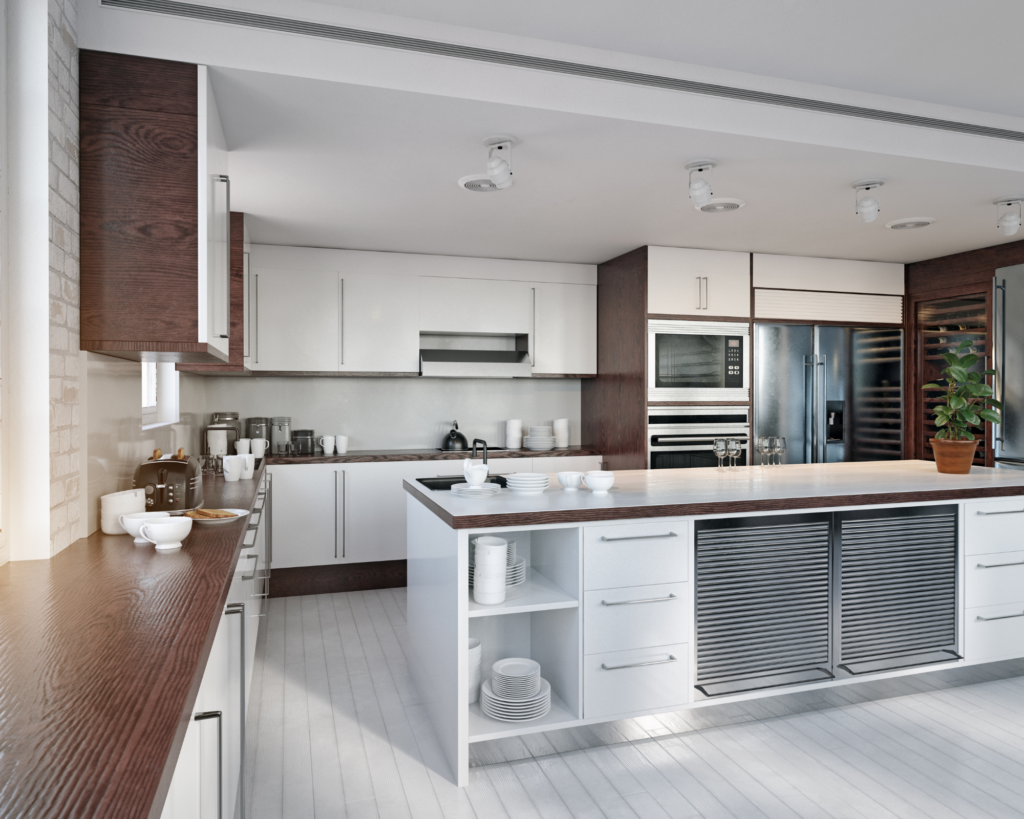
The kitchen has always been the heart of the home, but in 2026, it’s evolving beyond functionality into a space that blends style, innovation, and lifestyle. Homeowners are seeking kitchens that are not just beautiful, but smart, social, and highly adaptable. Here’s what’s shaping the kitchens of the year ahead. 1. Open Layouts: Connecting Spaces Open floor plans are no longer just a trend—they’re a lifestyle choice. Removing barriers between kitchens, dining rooms, and living spaces creates a seamless flow that encourages interaction, entertaining, and family togetherness. Why it matters: Enhances natural light and makes spaces feel larger Encourages socialization while cooking Increases flexibility for multi-use areas 2026 twist: Homes are embracing partial partitions, kitchen islands that double as dining areas, and furniture-like cabinetry to subtly define zones without closing off the room. 2. Statement Islands: The Kitchen’s Focal Point The island has become more than a prep area—it’s the centerpiece of design and functionality. In 2026, expect to see bold materials, mixed textures, and dramatic shapes. Design ideas include: Marble or quartz countertops with contrasting cabinetry Curved or multi-level islands for seating, cooking, and display Integrated appliances, from wine coolers to prep sinks A statement island not only elevates aesthetics but also enhances workflow, offering more storage, seating, and work surfaces. 3. Tech Upgrades: Smart Kitchens for Modern Living Technology continues to transform how we cook, entertain, and interact in the kitchen. From smart appliances to app-controlled systems, the modern kitchen is a hub of convenience and efficiency. Trending upgrades: Smart refrigerators that track groceries, suggest recipes, and manage expiration dates Voice-activated faucets and lighting Induction cooktops with precise temperature controls Connected ovens with remote monitoring for multitasking homeowners These upgrades are not just flashy—they save time, reduce waste, and make cooking a more enjoyable experience. 4. Sustainable & Functional Design Sustainability remains a top priority for 2026 kitchens. Homeowners are choosing eco-friendly materials, energy-efficient appliances, and durable finishes that reduce environmental impact. Examples: Reclaimed wood cabinetry Low-VOC paints and finishes Water-saving fixtures and energy-efficient lighting Durable materials paired with thoughtful design help kitchens stand the test of time while appealing to eco-conscious buyers. 5. Personalization and Mixed Materials Finally, 2026 kitchens are all about personality. Mixing metals, textures, and colors allows homeowners to make a statement while keeping the space functional. Think bold pendant lighting, contrasting countertops and cabinets, or unique backsplash patterns that reflect your style. Pro tip: Keep the layout practical while experimenting with textures and colors, so the kitchen remains inviting and easy to maintain. The kitchen in 2026 is a harmonious mix of style, tech, and practicality. Open layouts foster connection, statement islands create visual impact, and smart appliances streamline everyday life. By embracing these trends, homeowners can design a kitchen that’s both beautiful and functional—a true centerpiece of the home. Ready to Upgrade Your Kitchen? If you’re looking to renovate, sell, or simply elevate your home’s style, Lowcountry Charmed can guide you with insights, design tips, and trusted local contractors. Make your kitchen a space you love while increasing your home’s value. 📞 843-790-4522✉ info@lowcountrycharmed.com🌐 www.lowcountrycharmed.com

Kitchen Trends 2026: Open Layouts, Statement Islands, and Tech Upgrades Read More »

Tax Incentives for Energy-Efficient Upgrades: Save Money While Going Green

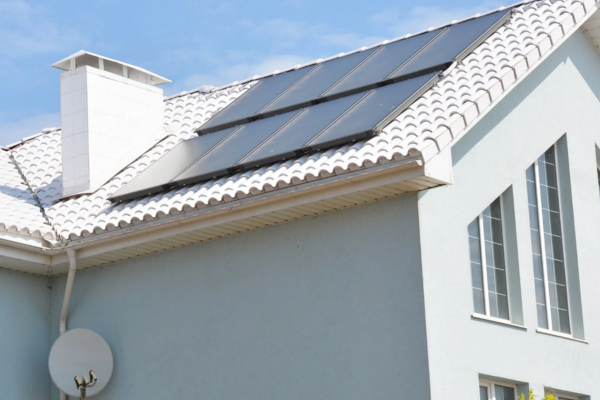
As homeowners continue to seek ways to reduce their carbon footprint and lower utility costs, energy-efficient upgrades have become a smart investment. Not only do these improvements help the environment, but they also come with valuable tax incentives that can save you money. If you’re considering making your home more eco-friendly, here’s how you can take advantage of tax benefits while reducing your energy bills. 1. Energy-Efficient Appliances Upgrading to ENERGY STAR®-certified appliances is a great way to cut energy consumption and qualify for tax credits. Many states and local governments offer rebates and incentives when you replace older, energy-guzzling appliances with more efficient models. These upgrades include: Refrigerators Dishwashers Washing machines HVAC systems The federal government and some states provide tax credits or rebates for these purchases, so be sure to check the available programs in your area. 2. Solar Panels Harnessing the power of the sun isn’t just good for the planet—it’s good for your wallet, too! The Federal Solar Tax Credit (Investment Tax Credit, ITC) allows homeowners to deduct a percentage of the cost of installing solar panels from their federal taxes. As of 2024, the ITC covers 30% of installation costs, making it an attractive option for those looking to switch to renewable energy. 3. Insulation and Energy-Efficient Windows Improving your home’s insulation or upgrading to energy-efficient windows and doors can help reduce heat loss in winter and keep your home cooler in summer. The Energy Efficient Home Improvement Credit offers tax deductions for qualified insulation materials, windows, doors, and even roofing upgrades. These improvements not only enhance comfort but also lead to long-term savings on energy bills. 4. Electric Vehicles (EVs) Switching to an electric vehicle (EV) is another great way to go green while enjoying tax savings. The Clean Vehicle Tax Credit provides up to $7,500 in federal tax credits for purchasing a new EV. Additionally, some states offer rebates and incentives to encourage EV adoption. With more charging infrastructure becoming available, making the switch to an EV has never been easier. Conclusion Investing in energy-efficient upgrades is a win-win situation. You save money on utility bills, increase the value of your home, and contribute to a greener planet. With tax incentives available for energy-efficient appliances, solar panels, insulation, and electric vehicles, making sustainable choices has never been more rewarding. Ready to make the switch and maximize your savings? Start exploring available tax credits today and take a step toward a more energy-efficient home! 📞 843-790-4522✉ info@lowcountrycharmed.com🌐 www.lowcountrycharmed.com

Tax Incentives for Energy-Efficient Upgrades: Save Money While Going Green Read More »

Why Everyone is Moving to the Lowcountry: What Makes It So Special?

When buying or selling real estate, taxes are an inevitable part of the process. Whether you are purchasing your first home or selling an investment property, understanding the tax implications can save you money and prevent surprises come tax time. Proper tax preparation is crucial to ensuring that you maximize potential benefits, avoid mistakes, and stay compliant with the IRS. In this blog post, we will explore the key tax considerations for both real estate buyers and sellers and provide tips on how to prepare for tax season effectively. Why Tax Preparation is Important for Real Estate Buyers and Sellers   Real estate transactions are significant financial events, and the taxes associated with buying or selling a property can be complex. For buyers, taxes typically relate to property taxes, mortgage interest deductions, and the potential for tax credits. For sellers, taxes are often associated with capital gains, closing costs, and the potential for deductions like home improvements. Getting your tax preparation right helps ensure that you are: Minimizing Tax Liability: Knowing which deductions and credits you can claim can reduce the amount of taxes you owe. Avoiding Tax Mistakes: Real estate transactions often involve significant sums of money, and any errors can lead to costly penalties or missed opportunities for savings. Complying with IRS Rules: Misreporting income or failing to follow IRS rules can lead to audits and fines. Tax Considerations for Real Estate Buyers   1. Mortgage Interest Deduction If you are purchasing a home and taking out a mortgage, you may be able to deduct the interest paid on the loan. This is one of the most common tax benefits for homeowners. The deduction applies to interest on loans up to $750,000 (or $1 million if the loan was taken before December 15, 2017). For first-time buyers and those who have a mortgage, this can provide significant savings during tax season. 2. Property Tax Deduction Property taxes are generally deductible on your federal income tax return, but the total amount of property taxes you can deduct is limited by the SALT (State and Local Tax) deduction cap of $10,000 ($5,000 if married and filing separately). While the SALT deduction limit has restricted property tax deductions for some homeowners, it’s still important to track what you’ve paid for property taxes. 3. First-Time Homebuyer Credits Some states and local governments offer first-time homebuyer credits, which can directly reduce the amount of taxes you owe. These credits vary by location, so it’s crucial to research local tax programs or consult a tax professional to find out if you qualify. 4. Homebuyer Credits for Energy-Efficient Improvements If you purchase a home and make energy-efficient improvements (e.g., installing solar panels, energy-efficient windows, or upgrading insulation), you might qualify for a tax credit. These credits vary by year and location, but the federal government often provides incentives for homeowners who make eco-friendly upgrades. Tax Considerations for Real Estate Sellers   1. Capital Gains Tax on the Sale of a Home One of the biggest tax considerations for home sellers is the capital gains tax on the sale of their property. The IRS allows for a capital gains exclusion of up to $250,000 ($500,000 for married couples filing jointly) on the sale of a primary residence. To qualify for this exclusion, you must meet the following conditions: Ownership Test: You must have owned the home for at least two years. Use Test: You must have lived in the home for at least two of the last five years. If you sell your home and make a profit that exceeds the $250,000 (or $500,000) exclusion, the gain is subject to capital gains tax. The rate of taxation depends on how long you owned the property and your income level. If you held the property for more than a year, your gain will be taxed at long-term capital gains rates (usually between 0% and 20%, depending on your income). 2. Selling Investment Property If you are selling an investment property (a property that was not your primary residence), the tax implications are different. The profit from the sale is typically subject to both capital gains tax and the potential for depreciation recapture tax. Depreciation recapture means that you may owe taxes on any depreciation deductions you claimed during the ownership period of the property. It’s important to understand how depreciation and recapture tax apply to your investment property to avoid surprises when you sell. 3. 1031 Exchange: Deferring Capital Gains Taxes For real estate investors, one of the most valuable tax strategies is the 1031 exchange. This allows you to defer paying capital gains taxes on an investment property if you reinvest the proceeds into another like-kind property. The 1031 exchange can help you grow your real estate portfolio while avoiding immediate tax liabilities. However, there are specific rules and timelines that must be followed, such as identifying a replacement property within 45 days and closing within 180 days, and using a qualified intermediary to facilitate the transactions. 4. Home Improvement Deductions For sellers, any significant home improvements that were made before selling the property may qualify for deductions. These deductions can increase your adjusted cost basis, which reduces your taxable capital gain. Some of the improvements that can increase your cost basis include: • Renovations (e.g., kitchen or bathroom upgrades) • New roofing or siding • Additions like an extra room or deck • Landscaping or major landscaping upgrades • Be sure to keep records of all improvements made, as these can be deducted from the sale price to reduce taxable gain if applicable. How to Prepare for Tax Season When Buying or Selling Real Estate   1. Keep Detailed Records Whether you’re buying or selling a property, keep all related financial documents. These documents include: • Closing documents (HUD-1 or closing disclosure) • Mortgage statements and interest paid • Property tax records • Home improvement receipts and invoices • Proof of first-time homebuyer status (if applicable) 2. Consult a Tax Professional Real estate transactions

Why Everyone is Moving to the Lowcountry: What Makes It So Special? Read More »

The Best Beaches Near Charleston for Your Dream Home!

Charleston, South Carolina, is known for its rich history, vibrant culture, and stunning coastal landscapes. If you’ve ever dreamed of living by the beach, you’re in luck—Charleston offers some of the best beachfront living options in the United States. Whether you’re looking for a peaceful retreat, an active lifestyle, or a luxurious beachfront property, these nearby beaches are perfect for finding your dream home. 1. Folly Beach Just 15 miles from downtown Charleston, Folly Beach offers a laid-back, quirky atmosphere perfect for those seeking a mix of beach living and a tight-knit community. Known for its surf culture, Folly Beach is a popular destination for outdoor enthusiasts. Whether you enjoy surfing, kayaking, or just relaxing on the sand, there’s something for everyone. Why It’s Great for Your Dream Home:    Proximity to Charleston: Only a short drive from downtown, you can easily enjoy the best of both beach and city living.    Vibrant Community: Folly Beach has a unique, fun vibe with local shops, restaurants, and events.    Coastal Lifestyle: Surfers, nature lovers, and families alike are drawn to this charming beach town. 2. Isle of Palms Located about 20 minutes from downtown Charleston, Isle of Palms is known for its beautiful wide sandy beaches and upscale living. This barrier island is home to luxurious beachfront properties, private clubs, and a relaxed atmosphere perfect for raising a family or retiring in style. Why It’s Great for Your Dream Home:      Upscale Amenities: Isle of Palms offers golf courses, private pools, and beachfront properties with stunning views.    Family-Friendly: The area is perfect for families looking for a safe and relaxing environment with top-rated schools and activities.    Easy Access to Charleston: It’s close enough to Charleston to enjoy the cultural amenities but far enough away to enjoy peace and tranquility. 3. Sullivan’s Island For those seeking an exclusive and more serene beachfront living experience, Sullivan’s Island is an excellent choice. Known for its quiet charm and historic significance, this small island is only a 10-minute drive from downtown Charleston. Sullivan’s Island offers a close-knit community and stunning historic homes, making it ideal for those seeking both elegance and privacy. Why It’s Great for Your Dream Home:    Historic Charm: Homes on Sullivan’s Island have a blend of traditional Southern elegance and modern luxury.    Low-key Vibe: Unlike more commercialized beaches, Sullivan’s Island offers a peaceful, slower pace of life.    Natural Beauty: The pristine beaches and coastal marshes offer breathtaking views and opportunities for outdoor adventures. 4. Kiawah Island If luxury is a priority, Kiawah Island is one of the most sought-after beach destinations in the area. Located about 30 miles from Charleston, Kiawah is known for its stunning resorts, golf courses, and oceanfront properties. The island is also a sanctuary for nature lovers, with miles of protected beaches and wildlife preserves. Why It’s Great for Your Dream Home:    World-Class Amenities: From championship golf courses to high-end resorts and spas, Kiawah is a hub for luxury living.    Private and Exclusive: Kiawah Island is gated, providing an extra level of privacy for homeowners.    Breathtaking Oceanfront Views: The island is known for its wide, expansive beaches and oceanfront estates. 5. Seabrook Island Nestled just next to Kiawah, Seabrook Island is an exclusive, private community that offers everything from equestrian facilities to golf courses and tennis courts. With a focus on outdoor living, Seabrook Island is perfect for those who want to experience the natural beauty of the Lowcountry without sacrificing luxury. Why It’s Great for Your Dream Home:    Exclusive Community: The gated nature of Seabrook Island means a more private and tranquil lifestyle.    Natural Beauty: The island is home to pristine beaches, tidal creeks, and lush forest areas, making it a perfect retreat for nature lovers.    Amenities for Active Living: Whether you’re into kayaking, horseback riding, or tennis, Seabrook has it all. 6. Edisto Beach For those looking for a more rustic and laid-back beach experience, Edisto Beach offers a peaceful and slower pace of life. Located about 45 minutes from Charleston, Edisto is perfect for those who prefer a quieter beach environment but still want access to Charleston’s amenities. Why It’s Great for Your Dream Home:    Unspoiled Beauty: Edisto has fewer crowds and a more natural environment, with fewer commercial developments.    Beachfront Living: The homes here are perfect for those who want to live right by the ocean without the high-end price tag of other nearby beaches.    Family-Oriented: It’s a great place to raise a family or enjoy a calm retreat. 7. Bull Island (Cape Romain National Wildlife Refuge) If you are an adventure seeker or nature enthusiast looking for a unique beach experience, Bull Island offers some of the most untouched natural beauty in the Charleston area. Though it is uninhabited by permanent residents, the island is accessible by boat and offers stunning views of the Atlantic. Why It’s Great for Your Dream Home:    True Wilderness: Bull Island offers a completely different kind of beach living—one that’s deeply connected to nature.    Access to the Wild: If you enjoy hiking, birdwatching, and exploring unspoiled coastal ecosystems, this is the ultimate natural retreat. Conclusion Charleston’s beaches offer a wide variety of living options, from quiet, unspoiled nature reserves to luxurious oceanfront estates. Whether you’re drawn to the laid-back vibes of Folly Beach or the high-end luxury of Kiawah Island, there’s a perfect beach for your dream home near Charleston. Exploring these coastal communities is the first step in finding your ideal beach lifestyle. If you’re considering a move to Charleston or any of its beautiful nearby beaches, contact a trusted real estate agent who can guide you through the process of finding the perfect home in one of these stunning locations. Let the waves of the Lowcountry inspire your dream home today!  

The Best Beaches Near Charleston for Your Dream Home! Read More »

Featured Community!

Where Southern Charm Meets Suburban Comfort Goose Creek, South Carolina, may be just minutes from Charleston, but it offers a unique charm all its own. With a mix of friendly neighborhoods, outdoor spaces, and growing amenities, Goose Creek is one of the Lowcountry’s best-kept secrets for families, military members, and anyone looking for a slower-paced, community-focused lifestyle. Whether you’re new to the area or a longtime resident looking to explore more, this local’s guide will help you uncover the best of Goose Creek. Outdoor Adventures 1. Crowfield Golf Club A favorite among locals, Crowfield offers a challenging public course tucked among centuries-old oak trees and scenic marshland. Even if you’re not a golfer, the beautiful surroundings are worth a visit. 2. Wannamaker North Trail Located just outside Goose Creek in North Charleston, this 13-mile mountain biking trail is perfect for hikers, cyclists, and runners who want to stay active and explore nature. 3. Central Creek Park This new addition to the community is a family favorite. With an inclusive playground, walking paths, and splash pad, it’s perfect for weekend fun with kids or a relaxing afternoon outdoors. Local Shopping & Essentials 1. Goose Creek Shopping Center Home to grocery stores, dining spots, and services, this central hub makes errands convenient and efficient. 2. Farmers Market Held at the Goose Creek Municipal Complex, this market features fresh produce, baked goods, crafts, and local vendors. It’s a great way to support small businesses and connect with the community. Eats & Treats 1. Gilligan’s Seafood Restaurant 219 St James Ave. Goose Creek, SC 29445219 St James Ave. Goose Creek, SC 29445 A beloved Lowcountry institution, Gilligan’s serves up fresh seafood in a family-friendly atmosphere. Enjoy classics like fried shrimp, crab cakes, and hushpuppies in a laid-back setting. 2. Sapphires Bar & Grill 203-B N. Goose Creek Blvd, Goose Creek, SC, United States, South Carolina Whether you’re catching the game or just craving wings and a cold beer, Sapphires is the go-to neighborhood hangout. Known for its lively atmosphere and friendly service. 3. Alex’s Restaurant  132 Saint James Ave Goose Creek, SC 29445 This hidden gem offers delicious Greek-American dishes in a cozy, no-frills setting. Try the gyros or the homemade soups! Stay Active 1. Goose Creek Community Center Offering fitness classes, basketball courts, and tennis courts, the center is a hub for health and recreation. 2. Dogwood Park With walking trails, open green spaces, and playgrounds, this park is ideal for everything from a morning jog to an afternoon picnic. Neighborhoods to Know Crowfield Plantation: A large planned community with golf course views, nature trails, and excellent amenities. Liberty Hall Plantation: Family-friendly with parks and pools, just minutes from schools and shopping. Brickhope Plantation: A newer development with modern homes and community features. Schools & Military Life Goose Creek is home to several top-rated schools and serves many military families due to its proximity to Joint Base Charleston and Naval Weapons Station Charleston. The sense of community here is strong, with lots of support for newcomers and service members alike. Local Events & Happenings in Goose Creek Mark your calendars! Whether you’re looking for live music, holiday magic, or family-friendly fun, there’s something for everyone happening right here in Goose Creek Stay up to date with the latest events: cityofgoosecreek.com/events Small Town Feel, Big Time Living Goose Creek combines the best of suburban life with easy access to Charleston’s attractions, beaches, and history. It’s a place where neighbors know your name, kids play in the yard, and there’s always something happening in the community. Whether you’re settling down or just passing through, Goose Creek welcomes you with open arms. Ready to Explore Homes in Goose Creek? Find Your Perfect Home in Goose Creek Let Lowcountry Charmed be your guide to finding the ideal place to live in one of South Carolina’s most beloved communities.  

Featured Community! Read More »

Maximizing Space: Clever Layout Ideas for Small Homes

Living in a small home doesn’t mean you have to sacrifice style or functionality. With careful planning and creative design, even the coziest of spaces can feel open, efficient, and inviting. Whether you’re working with a studio, condo, or compact family home, these layout ideas will help you make the most of every square foot. 1. Embrace Open-Concept Living Eliminate unnecessary walls or dividers to create the illusion of space. An open-concept living room and kitchen not only makes your home feel larger, but also improves traffic flow and lighting. Tips: Use area rugs or furniture placement to define “zones” without walls. Choose low-profile furniture that doesn’t obstruct sight lines. Opt for light paint colors to brighten and visually expand the space. 2. Go Multifunctional with Furniture Look for pieces that serve more than one purpose. Ideas: A sofa with hidden storage underneath. A coffee table that lifts into a desk or dining surface. A daybed that doubles as a guest bed and a seating area. Smart furniture = fewer pieces = more floor space. 3. Use Vertical Space Wisely When you can’t go wide, go tall! Vertical storage and design help maximize capacity while keeping things organized. Try This: Tall bookshelves that reach the ceiling. Wall-mounted shelves and floating nightstands. Over-door organizers and hanging kitchen racks. Bonus: This draws the eye upward, making ceilings feel higher! 4. Divide Without Closing Off Create separation between spaces without shrinking them. Solutions: Use open shelving as a room divider. Install a curtain or sliding barn door instead of a solid wall. Use furniture (like a console table or loveseat) to break up zones gently. This keeps the flow open while adding structure. 5. Keep It Clutter-Free In small spaces, less is truly more. Clutter quickly makes rooms feel cramped. Decluttering Tips: Regularly assess what you truly use and need. Store seasonal or rarely used items in under-bed boxes or ottomans. Use baskets, bins, and labeled containers to keep surfaces clean. A clear space is a calm space. 6. Use Mirrors & Light Strategically Mirrors reflect light and space, instantly making a room feel bigger. Use them to: Reflect natural light from windows. Create the illusion of more depth in narrow hallways or corners. Add style and brightness to small bathrooms or entryways. Pair mirrors with sheer curtains or minimal window treatments for best effect. 7. Think Built-In & Custom Built-in furniture is a game-changer in small homes. Consider: Wall-to-wall built-in desks or reading nooks. Custom shelving in unused corners. Built-in banquettes with storage in a dining nook. Built-ins optimize every inch—perfect for awkward layouts. Small homes can be big on personality and practicality—with the right layout approach. By combining smart furniture, vertical storage, and intentional design, you can turn any compact space into a comfortable, stylish retreat that lives larger than it looks.  

Maximizing Space: Clever Layout Ideas for Small Homes Read More »

The Hidden Power of a Home Inspection: What Every Buyer Should Know

Picture this: you’ve just found your dream home. The curb appeal is stunning, the kitchen sparkles, and you can already imagine family dinners in the dining room. But what if behind those freshly painted walls hides a cracked foundation, faulty wiring, or a leaky roof? That’s where a home inspection comes in — your behind-the-scenes look at the true condition of the property. It’s one of the smartest steps you can take before signing on the dotted line. 1. Spotting the Unseen A home might appear flawless, but inspectors are trained to notice what most of us miss. From outdated electrical systems to slow plumbing leaks, a professional inspection uncovers the hidden issues that could cost you thousands later. 2. Turning Knowledge Into Negotiating Power Information is power — and an inspection gives you exactly that. With a detailed report in hand, you can ask the seller to handle repairs, request price adjustments, or even walk away if the issues are too severe. It puts the ball in your court. 3. Safeguarding Your Family’s Safety Beyond dollars and cents, inspections can reveal risks you can’t put a price on: unsafe wiring, carbon monoxide leaks, or mold. Addressing these concerns early ensures your new home is truly a safe haven. 4. Planning For the Future Even if nothing major pops up, your inspection is like a roadmap. It tells you what to keep an eye on and helps you prepare for long-term maintenance — so you’re never caught off guard. 5. Peace of Mind From Day One Buying a home is a big leap, and uncertainty can weigh heavily. An inspection gives you clarity and confidence, letting you move forward knowing you’re making the right choice. A home inspection isn’t just another box to check off in the buying process — it’s your insurance policy against surprises. It protects your wallet, your family, and your peace of mind.   Schedule for a FREE Consultation📞 (843) 790-4522📧 info@lowcountrycharmed.com🌐 www.lowcountrycharmed.com  

The Hidden Power of a Home Inspection: What Every Buyer Should Know Read More »

How to Design Your Home for Halloween: What to Prepare and What You’ll Need

Halloween isn’t just about costumes and candy — it’s also the perfect time to transform your home into a spooky, stylish space! Whether you want a subtle seasonal touch or a full-on haunted house vibe, here’s your complete guide to decorating your home for Halloween — plus what to prepare and what you’ll need to pull it off. 1. Start with a Spooky Theme Before you buy decorations, decide on your Halloween style. Do you want: •    Classic Halloween: Pumpkins, bats, ghosts, and spider webs.•    Elegant Gothic: Black candles, lace, candelabras, and dark florals.•    Cute & Whimsical: Friendly ghosts, pastel pumpkins, and fairy lights.•    Haunted Mansion: Old portraits, antique-looking mirrors, and flickering lights.  Tip: Pick a color palette (like black and orange, black and gold, or white and silver) to keep everything cohesive and stylish.  2. Focus on the Entryway First impressions count — and that includes your front door!Here are easy ways to make your entrance Halloween-ready: •    Hang a Halloween wreath made of black feathers, dried branches, or mini pumpkins.•    Add pumpkins and lanterns along the steps or porch.•    Place flickering LED candles or string lights to create an eerie glow.•    Use a “Welcome to Our Haunted Home” doormat for fun. Tip: Real pumpkins look great, but if you’re in a warm climate, faux pumpkins last longer and can be reused yearly.  3. Create a Spooky Living Room Ambience Transform your main space with a few strategic touches: •    Swap your regular throw pillows for Halloween-themed covers (black, orange, plaid, or skull patterns).•    Drape black tulle or fake cobwebs over shelves and mirrors.•    Use candlelight or amber LED lights instead of bright overhead lights.•    Add creepy details like old books, potion bottles, and vintage frames. Tip: Play eerie background music or soft instrumental tunes for an immersive mood during gatherings or movie nights. 4. Set Up a Halloween Dining Space Turn your dining area into a scene from a gothic dinner party: •    Use a black tablecloth or gauze fabric as a base.•    Decorate with pumpkins, fake skulls, and candles as a centerpiece.•    Add themed plates and napkins, or keep it simple with black and gold tones.•    Serve Halloween-inspired treats — pumpkin soup, caramel apples, or spooky punch! Tip: For extra flair, write your menu on a small chalkboard or place “poison” labels on drink bottles.  5. Prepare Halloween Essentials Here’s a checklist to make sure you’re ready for the big night: ✅ Pumpkins (real or faux)✅ LED candles or string lights✅ Spider webs and bats✅ Themed tableware✅ Candy for trick-or-treaters✅ Music or playlist✅ Optional costume corner for guests  6. Don’t Forget Outdoor Lighting Your exterior sets the tone for your home’s Halloween spirit. Use orange or purple string lights, light-up pumpkins, or solar lanterns along pathways.Safety Tip: Make sure walkways are well-lit for trick-or-treaters and guests. Final Touch: Have Fun With It The best Halloween homes mix creativity, comfort, and fun. You don’t need to go overboard — even small details like a pumpkin-scented candle or a few themed pillows can make your home feel festive. So grab your decorations, invite some friends, and let your home show off its Halloween charm!  Discover more seasonal styling tips, cozy home inspiration, and design ideas that make every day feel charming — not just Halloween. 🎃 Follow Lowcountry Charmed for more home tips🌐 www.lowcountrycharmed.com📞 843-790-4522✉️ info@lowcountrycharmed.com      

How to Design Your Home for Halloween: What to Prepare and What You’ll Need Read More »