Uncategorized

blog8

2025: Your Year to Live the Lowcountry Dream

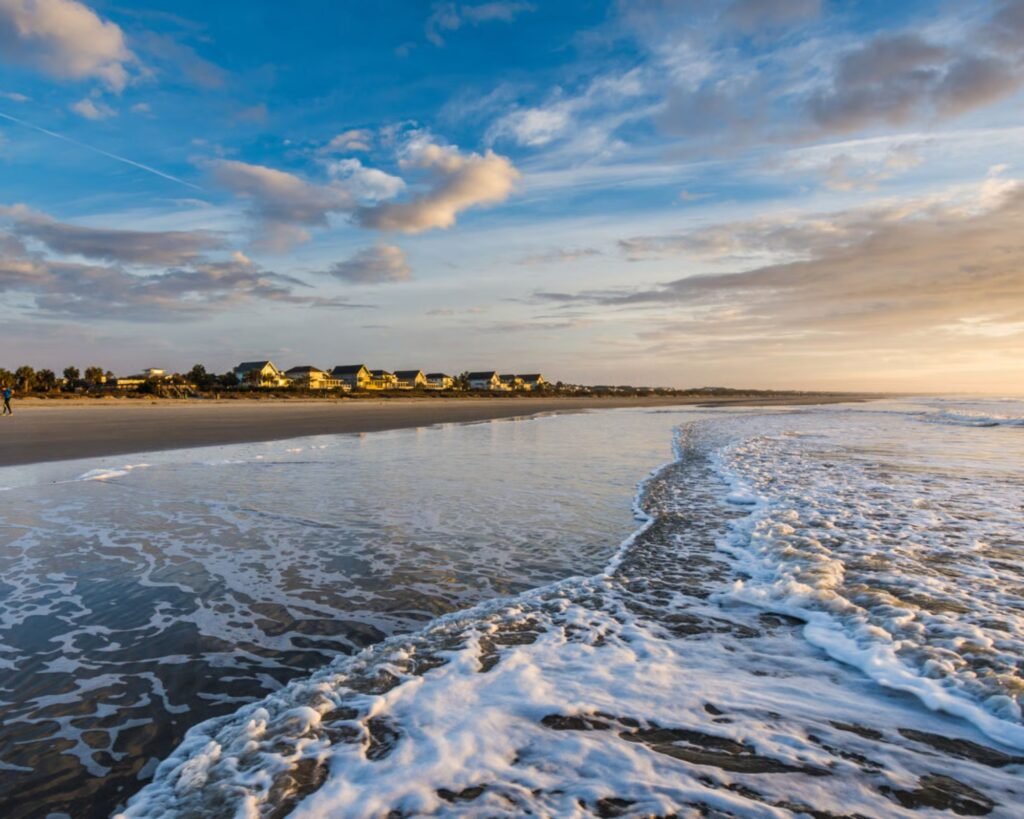
2025 is your year to live the Lowcountry dream. Whether you’re looking to relocate to the Lowcountry or simply embrace the lifestyle, now is the perfect time to live the Lowcountry dream. The beautiful landscape, warm community, and laid-back way of life make it a perfect destination for those seeking a fresh start in the new year. It’s time to embrace new possibilities and make this your year to live your Lowcountry dream. If you’ve dreamed of waking up to the sound of ocean waves, wandering charming cobblestone streets, and savoring world-class Lowcountry cuisine, this is your moment. The Lowcountry isn’t just a place—it’s a lifestyle. And 2025 is your year to make it your own. Why the Lowcountry? Few places combine beauty, history, and hospitality like the Lowcountry. With its stunning beaches, vibrant communities, and rich cultural heritage, this region offers the perfect blend of relaxation and excitement. Whether you’re drawn to the serene marshlands, the lively Charleston nightlife, or the cozy small-town feel of surrounding areas, the Lowcountry has something for everyone. Start Your Lowcountry Adventure Living the Lowcountry dream begins with finding the right home or investment property. The real estate market here offers endless possibilities, from beachfront retreats to historic homes brimming with character. But navigating the options can be overwhelming without the right guidance. Let the Experts Help You That’s where the experienced team at Lowcountry Charmed comes in. With deep roots in the region and unmatched expertise, we’re here to make your dreams a reality. Our team specializes in helping you: Discover Your Ideal Property: Whether you’re a first-time buyer, a seasoned investor, or relocating to start a new chapter, we’ll help you find a home that aligns with your vision. Navigate the Buying Process: From securing financing to negotiating deals, we take the stress out of buying or investing in property. Maximize Your Investment: We’ll help you identify opportunities that not only meet your lifestyle goals but also serve as smart investments for the future. Make the Most of Lowcountry Living Once you’ve found your perfect property, it’s time to fully embrace the Lowcountry lifestyle. Here’s how to make 2025 unforgettable: Explore the OutdoorsSpend weekends kayaking through winding waterways, hiking scenic trails, or simply soaking up the sun on some of the region’s most beautiful beaches. Indulge in Culinary DelightsTreat yourself to the freshest seafood and Southern flavors. The Lowcountry is home to some of the most celebrated chefs and restaurants in the country. Connect with the CommunityAttend local festivals, join neighborhood gatherings, and experience the warmth and hospitality that make the Lowcountry so unique. Make 2025 Your Best Year Yet The Lowcountry dream is closer than you think. Whether you’re looking for a peaceful retreat, a thriving investment opportunity, or a forever home, 2025 is the year to make it happen. Get Started Today Don’t wait to turn your dreams into reality. Contact the experts at Lowcountry Charmed to begin your journey. With our personalized approach and deep knowledge of the region, we’ll ensure your transition to the Lowcountry is seamless and stress-free. Let’s make 2025 the year you live the Lowcountry dream, Book a FREE Consultation Now! Your dream home—and dream life—are waiting!

2025: Your Year to Live the Lowcountry Dream Read More »

Charleston’s Real Estate Market: Tips for a Smooth Transition

Charleston’s fastest-growing neighborhoods in 2025 are seeing smooth transitions in development. Relocating to a new city can feel overwhelming, especially when it involves finding the right home in a competitive real estate market. Charleston, South Carolina, is one of the most sought-after destinations for its rich history, coastal charm, and welcoming communities. Whether you’re moving for work, lifestyle changes, or a fresh start, understanding Charleston’s real estate market can make all the difference. This guide provides essential tips to help you navigate Charleston’s housing market, choose the right neighborhood, and transition seamlessly into life in the Lowcountry.  1. Get to Know Charleston’s Real Estate Market Charleston offers a wide variety of housing options, from historic homes to modern townhouses, waterfront properties, and suburban developments. Desirable areas such as Mount Pleasant, James Island, and West Ashley often see competitive markets, with rising demand and increasing home prices. In 2025, Charleston’s real estate market continues to experience growth, with heightened interest from newcomers seeking its unmatched blend of history and modern amenities. Before starting your home search, familiarize yourself with market trends, set a clear budget, and be prepared for competitive bidding in high-demand neighborhoods. Tip: Partner with a local real estate expert who can provide valuable insights into the market and guide you through the buying process.  2. Define Your Priorities Before diving into your search, identify the features most important to you, such as proximity to work, outdoor activities, or access to cultural events. Key considerations when choosing a neighborhood include:  Lifestyle Fit: Charleston offers everything from vibrant downtown living to serene waterfront communities. Explore neighborhoods that align with your lifestyle. Convenience: Consider commute times, access to public transportation, and nearby amenities such as grocery stores, gyms, and healthcare facilities. Outdoor Opportunities: Love the outdoors? Choose neighborhoods with easy access to beaches, parks, or hiking trails. Safety: Research crime rates and visit areas of interest to get a feel for their atmosphere. Use resources like CrimeGrade.org for detailed crime data. 3. Research Neighborhoods Charleston is known for its distinctive neighborhoods, each offering unique benefits:  Mount Pleasant: Family-friendly with excellent schools, shopping, and outdoor activities. Downtown Charleston: Historic charm with walkable streets, dining, and cultural landmarks. James Island: Close to the beach and downtown, offering a blend of suburban and coastal living. West Ashley: Known for its affordable housing options and proximity to green spaces. Daniel Island: Upscale with modern amenities and an active, community-oriented vibe. 4. Plan Moving Logistics Efficient planning is crucial for a smooth move to Charleston:  Hire Movers Early: With Charleston’s popularity, booking a reliable moving company in advance can prevent delays. Update Essentials: Change your address with the post office, utility companies, and subscription services. Explore Your Area: Spend time getting to know your new neighborhood by visiting parks, local markets, and community hotspots. 5. Engage with the Local Community One of Charleston’s greatest assets is its welcoming and vibrant community. Immersing yourself in local events and activities will help you feel at home faster.  Attend festivals, outdoor concerts, and farmers markets to meet people and explore the culture. Check out sports leagues, volunteer opportunities, or local clubs for networking and socializing. Charleston’s charm, culture, and opportunities make it an incredible place to call home. By understanding the real estate market, prioritizing your needs, and immersing yourself in the local community, you can create a seamless and enjoyable transition into life in the Lowcountry. At Lowcountry Charmed, we’re here to help you find the perfect home and navigate every step of the relocation process. Reach out today and let us make your move to Charleston stress-free and successful.

Charleston’s Real Estate Market: Tips for a Smooth Transition Read More »

Understanding Property Appreciation in Charleston

What is Property Appreciation Property appreciation refers to the increase in a property’s value over time. This rise in value can be influenced by various factors, including market demand, economic growth, location improvements, and home renovations. Understanding how appreciation works is crucial for homeowners, investors, and potential buyers in Charleston looking to maximize their real estate investments. Factors Driving Property Appreciation in Charleston   1. Strong Market Demand Charleston has consistently been one of the most desirable places to live in the U.S., attracting new residents due to its rich history, beautiful coastal views, and thriving job market. The steady influx of people has driven demand for housing, which in turn boosts property values. 2. Economic Growth and Job Market Expansion Charleston’s economy is booming, thanks to industries like tourism, technology, healthcare, and manufacturing. Major employers, such as Boeing and the Medical University of South Carolina, provide stable job opportunities, increasing the city’s attractiveness and, consequently, property values. 3. Historic Charm and Preservation Efforts Unlike many cities, Charleston places a high value on historic preservation. Strict zoning laws and restoration incentives maintain the city’s charm, making homes in well-preserved historic districts appreciate more rapidly compared to newer developments. 4. Infrastructure and Development Projects New infrastructure, such as improved roadways, bridges, and public amenities, contributes to increased property values. Developments like the expansion of Charleston International Airport and waterfront revitalization projects have positively impacted real estate appreciation. 5. Limited Housing Supply Due to zoning regulations and geographic limitations (such as marshlands and coastal restrictions), Charleston has a limited housing supply. This scarcity drives up home prices as demand continues to rise. How to Maximize Your Property’s Appreciation 1. Invest in Renovations and Upgrades Making strategic improvements, such as updating kitchens and bathrooms, adding energy-efficient features, or improving curb appeal, can significantly increase a property’s market value. 2. Choose High-Growth Areas Some neighborhoods in Charleston experience faster appreciation than others. Areas like Mount Pleasant, Daniel Island, and West Ashley have shown steady growth due to their proximity to downtown and high-quality amenities. 3. Stay Informed on Market Trends Keeping up with Charleston’s real estate trends can help homeowners and investors make informed decisions. Working with a knowledgeable real estate agent can provide insights into market cycles, best investment opportunities, and future growth predictions. 4. Leverage Rental Income If you’re not looking to sell immediately, renting out your property—either as a long-term rental or a short-term vacation rental—can generate income while the property appreciates over time. Conclusion Charleston’s strong market demand, economic expansion, and preservation efforts make it a prime location for property appreciation. Whether you’re buying, selling, or investing, understanding the factors that drive appreciation can help you make informed real estate decisions and maximize your return on investment.

Understanding Property Appreciation in Charleston Read More »

Common Home Inspection Red Flags and What They Mean

A home inspection is a crucial step in the buying process, helping buyers identify potential issues before making a commitment. While some concerns are minor, others can indicate serious problems. Understanding common home inspection red flags can help you make an informed decision when purchasing a home. 1. Foundation Cracks and Structural Issues Cracks in the foundation, uneven floors, or doors that won’t close properly could be signs of structural issues. These problems may require costly repairs and should be evaluated by a structural engineer. 2. Roof Damage and Leaks A damaged or aging roof can lead to water leaks, mold growth, and costly replacements. Look for missing shingles, sagging areas, or water stains on ceilings as indicators of roof problems. 3. Electrical Problems Outdated wiring, flickering lights, or overloaded circuits pose a fire hazard. If a home has an old electrical panel or aluminum wiring, an electrician may need to assess the safety of the system. 4. Plumbing Issues Leaky pipes, low water pressure, or outdated plumbing materials can lead to costly repairs. Watch for water stains, slow drainage, or corroded pipes during the inspection. 5. HVAC System Concerns Heating and cooling systems are expensive to replace. If the HVAC unit is old, inefficient, or poorly maintained, it may require an upgrade. 6. Pest or Termite Infestation Signs of termites, rodents, or other pests can indicate damage to the home’s structure. Look for droppings, chewed wood, or mud tubes along the foundation. 7. Mold and Water Damage Mold growth can lead to health issues and signal water damage. Check for musty odors, discoloration on walls, or soft spots in floors. 8. Poor Drainage or Grading Improper drainage can lead to foundation damage and flooding. Signs include pooling water near the home, damp basements, or mildew smells. 9. Faulty Windows and Doors Drafty windows and doors can increase energy costs and indicate structural settling. Look for difficulty opening and closing them, broken seals, or condensation between panes. 10. Asbestos, Radon, or Lead Paint Older homes may contain hazardous materials such as asbestos, radon, or lead-based paint. Testing is necessary to ensure safety and compliance with regulations. Making an Informed Decision If a home inspection reveals any of these red flags, don’t panic! Some issues are manageable, while others may require negotiation with the seller. Always consult with professionals before making a final decision. 📞 Need expert guidance on your home search? Contact Lowcountry Charmed today for real estate advice and trusted home inspection referrals.📞 Call Now:  843-790-4522  | 📧 Email Us: info@lowcountrycharmed.com 📩 Stay Connected & Informed Follow us on social media for homeownership tips, real estate updates, and expert insights.

Common Home Inspection Red Flags and What They Mean Read More »

How to Choose the Right Lowcountry Realtor for Your Home Search

Finding the perfect home in the Lowcountry—whether it’s a historic Charleston townhouse, a cozy coastal cottage, or a sprawling estate in Mount Pleasant—requires more than just browsing listings and visiting open houses. It requires a professional who understands the nuances of the local market, knows the neighborhoods inside and out, and can guide you through the often complex buying process. Choosing the right Lowcountry realtor is crucial for making your home-buying experience smooth, efficient, and successful. Here’s a guide to help you select the best realtor to meet your needs and turn your dream home into a reality. 1. Local Expertise and Knowledge One of the most important qualities to look for in a Lowcountry realtor is deep local expertise. Charleston and its surrounding areas have unique neighborhoods, historic properties, and specific zoning regulations that require someone who knows the area well. When speaking with potential realtors, ask:  How long have you been working in the Lowcountry?  Do you specialize in particular areas or types of properties (e.g., historic homes, waterfront properties)? Do you specialize in particular areas or types of properties (e.g., historic homes, waterfront properties)? Can you provide insights into the best neighborhoods based on my needs (e.g., schools, commute times, lifestyle)? A realtor who knows the local market inside and out will help you navigate the nuances of Lowcountry living and find a property that truly fits your lifestyle. 2. Specialization in Your Desired Property Type Lowcountry real estate is incredibly diverse, from downtown Charleston’s historic homes to newly developed suburbs, beach houses, and country estates. Each type of property has different demands and considerations, so it’s important to find a realtor with experience in the specific property type you’re interested in. Ask your realtor: Have you worked with clients looking for historic homes, or is your focus on new construction? Are you familiar with the specific needs of buying a coastal property, such as flood zones and insurance? Do you have experience with luxury homes or gated communities? A realtor who specializes in your desired property type will ensure you get the best advice, avoid potential pitfalls, and have access to the right resources. 3. Strong Communication and Availability Communication is key when navigating a competitive real estate market like the Lowcountry’s. The best realtors are responsive, proactive, and keep you informed at every step of the process. Look for a realtor who: Responds quickly to emails, calls, and texts. Keeps you updated on new listings that match your criteria. Communicates clearly about the next steps in the buying process and any challenges that may arise. A realtor who communicates effectively and consistently will make the home search and buying process much easier. 4. Reputation and Reviews A great way to gauge a realtor’s expertise and trustworthiness is by checking their reputation and client reviews. Word-of-mouth referrals, online reviews, and testimonials from past clients can give you an honest look into what working with a particular realtor is like. Look for: Positive online reviews or testimonials from past clients. Recommendations from friends, family, or colleagues who have worked with the realtor in the past. An established reputation within the local community. Real estate is an inherently personal process, and choosing someone with a proven track record and strong reputation will provide you with peace of mind. 5. A Personalized Approach Every homebuyer has different needs, goals, and preferences, and the right realtor will tailor their approach to suit you. Whether you’re a first-time buyer or looking for a second home, a realtor should listen carefully to your wants and needs and provide you with options that match your lifestyle and budget. When meeting with potential realtors, ask:  How do you help buyers find the best home for their needs? Will you take time to understand my unique goals and preferences? Do you provide guidance on the entire home-buying process, including financing, inspections, and closing? The right realtor will offer personalized attention and will ensure your needs are met throughout the entire process. 6. Expertise in Negotiation A seasoned realtor is not just a guide to listings—they’re also your advocate when it comes to negotiating the price and terms of the sale. Whether it’s negotiating the final purchase price, contingencies, or deadlines, a skilled negotiator can help you get the best possible deal. Ask your realtor: Can you share examples of successful negotiations you’ve handled? How do you help clients navigate competitive bidding situations? How do you ensure my best interests are represented during negotiations? Have you earned any negotiation certifications? Strong negotiation skills are crucial for securing the best deal and avoiding overpaying for your home. The right Lowcountry realtor is not just a guide—they’re your partner in one of the most important financial decisions of your life. With their local expertise, personalized approach, and commitment to helping you achieve your goals, you’ll be well on your way to finding the perfect Lowcountry home. Whether you’re looking for a historic Charleston estate or a peaceful home in the suburbs, the right realtor will help you navigate the market and ensure a smooth, successful home purchase. 📞 Let’s Get Started on Your Lowcountry Home Search! At Lowcountry Charmed, we are passionate about helping homebuyers find their dream homes in Charleston and the surrounding areas. Our experienced team has extensive knowledge of the local market, and we are committed to providing personalized service to each of our clients. 📱 Call us at: (843) 790-4522📧 Email: info@lowcountrycharmed.com Let’s work together to make your Lowcountry home dreams come true. We’ll guide you every step of the way!  

How to Choose the Right Lowcountry Realtor for Your Home Search Read More »

Lowcountry Market Update – May 2025

Lowcountry Market Update – May 2025 Here’s your professional snapshot of real estate activity across key areas of the Lowcountry this month. Overall, we’re seeing a gradual cooling in market pace, with some areas leaning more toward balance. As we head into summer, we’re seeing some subtle but important shifts in the real estate market across the Lowcountry. Whether you’re a homeowner, investor, or potential buyer, staying informed on local trends is key to making smart moves.We’re breaking down market performance in Goose Creek, Charleston County, Berkeley County, and Dorchester County. Take a look below for key insights and what it all means for you. Goose Creek Market Trends – May 2025     Goose Creek 29445 Median Price Avg DOM Months’ Supply Homes for Sale Closed Sales New Listings 2025 $325,000 46 2.0 133 74 96 2024 $325,250 35 2.8 148 81 117 Goose Creek remains a sought-after community, positioned between Summerville and North Charleston, with easy access to both—and just under 30 minutes to downtown Charleston. Home prices have held steady, showing no significant increase. However, the market is showing early signs of a slowdown. Days on Market are up, indicating homes are taking longer to sell. At the same time, inventory is tightening: active listings and closed sales are both down, and new listings have dropped nearly 18% compared to last year. Despite the dip in activity, the numbers still reflect a seller’s market—just without the upward push in pricing. Charleston County Market Update – May 2025 Charleston County Median Price Avg DOM Months’ Supply Homes for Sale Closed Sales New Listings 2025 $615,000 41 3.3 2051 760 1029 2024 $635,000 30 2.8 1623 710 1073   Key Takeaways:Charleston County is showing signs of a cooling market:•    Prices are down 3.2% year-over-year•    Homes are sitting 36% longer on market•    Inventory is up 23% Despite this, closed sales are up 7%, indicating strong buyer interest. The shift points to a more balanced market, with better opportunities for buyers and steadier negotiations for sellers. Berkeley County Market Update – May 2025     Berkeley County Median Price Avg DOM Months’ Supply Homes for Sale Closed Sales New Listings 2025 $412,000 48 2.8 1332 593 721 2024 $400,500 36 2.8 1286 536 703 At a Glance (Year-over-Year):• Median Price: $412,000 ↑ 2.9%• Days on Market: 48 ↑ 33%• Months of Inventory: 2.8 (no change)• Homes for Sale: 1,332 ↑ 3.6%• Closed Sales: 593 ↑ 10.6%• New Listings: 721 ↑ slightly Market Insight:Prices continue to rise, but at a slower pace. Homes are spending more time on the market, and inventory has inched up. While still a seller’s market, buyers are gaining a bit more flexibility. Dorchester County Market Update – May 2025 vs. May 2024     Dorchester County Median Price Avg DOM Months’ Supply Homes for Sale Closed Sales New Listings 2025 $369,900 42 3.1 815 287 426 2024 $375,890 35 2.2 638 368 458 Dorchester County’s real estate market is showing signs of cooling, with prices dipping slightly and homes staying on the market longer. Inventory has grown, and closed sales have slowed—shifting conditions toward a more balanced environment. Year-over-Year Snapshot:• Median Price: $369,900 ↓ 1.6%• Average Days on Market: 42 ↑ 20%• Months’ Supply: 3.1 ↑ 40.9%• Active Listings: 815 ↑ 27.8%• Closed Sales: 287 ↓ 22% Market Insight:Prices have dipped slightly, and homes are taking longer to sell. Inventory is growing, and buyer activity is softening. Dorchester is trending toward a more balanced market, offering buyers more time and leverage. Takeaway: Dorchester County is clearly transitioning toward a more balanced market. Price growth has paused, inventory is up, and sales are slowing—all signs that buyers are gaining leverage. Sellers should be mindful of increased competition and prepare for longer timeframes on the market. Interested in a specific area? Reach out and we are happy to provide you with a market stat report for that location. 📞 (843) 790-4522📧 info@lowcountrycharmed.com🌐 www.lowcountrycharmed.com

Lowcountry Market Update – May 2025 Read More »
Hurricane-Proof Your Home: Smart Exterior That Pay Off

Living in the Lowcountry comes with plenty of perks—coastal beauty, charming neighborhoods, and sunny days galore. But with all that charm also comes the reality of hurricane season. From June through November, homeowners need to be prepared to face tropical storms and hurricanes that can bring heavy wind, rain, and flooding. If you’re a homeowner in Charleston or the surrounding areas, investing in the right exterior upgrades can offer more than just peace of mind—they can also protect your property, reduce insurance costs, and even increase your home’s resale value.Here are some of the most effective hurricane-proofing upgrades that are truly worth the investment. 1. Impact-Resistant Windows & Doors Why it pays off: Traditional glass windows can shatter under high winds or flying debris. Impact-resistant (or hurricane-rated) windows and doors are designed to withstand extreme pressure and prevent breakage. Not only do they provide serious protection, but they also improve your home’s energy efficiency and noise insulation. Bonus: Many insurance companies offer discounts for homes equipped with these upgrades.  2. Reinforced Garage Doors Why it pays off: A weak garage door is one of the most common failure points during a hurricane. Once it gives way, strong winds can enter the home and cause significant roof and structural damage. Upgrade Tip: Look for garage doors rated for wind speeds of at least 130–150 mph, and consider models with built-in bracing systems.  3. Proper Roof Anchoring and Hurricane Straps Why it pays off: The roof takes the brunt of a hurricane’s force. Upgrading to a reinforced roof system—such as adding hurricane straps that connect the roof to the wall structure—can dramatically increase your home’s wind resistance. Pro tip: If you’re replacing your roof soon, ask your contractor about using wind-rated shingles or a metal roofing system for extra protection. 4. Elevate Key Systems and Install Flood Vents Why it pays off: In flood-prone areas, raising HVAC units, water heaters, and electrical systems can save thousands in damage and downtime. Adding engineered flood vents to crawlspaces or garages also helps water flow through the home’s foundation without causing structural damage.  5. Storm Shutters or Panels Why it pays off: If replacing all your windows with impact glass isn’t in the budget, storm shutters are a more affordable line of defense. Options include accordion-style shutters, roll-down models, or even removable storm panels made of metal or polycarbonate. Design tip: Some modern storm shutter options blend in beautifully with coastal home architecture. 6. Strengthen Exterior Walls and Soffits Why it pays off: Inspect siding and soffits for loose panels or signs of wear. Upgrading to more wind-resistant materials like fiber cement siding can reduce the risk of water intrusion and long-term damage. Extra boost: Seal any gaps where the roof meets the walls and apply waterproof caulking around windows and vents.  7. Landscape with Wind Resistance in Mind Why it pays off: Well-maintained landscaping can minimize storm debris damage. Remove weak trees, secure outdoor furniture, and use gravel or mulch instead of loose stones that can become projectiles during a storm. Long-Term Value of Hurricane-Proofing These upgrades don’t just protect your home—they also boost its long-term value. Buyers in coastal markets are increasingly prioritizing storm safety and energy efficiency when house hunting. By proactively investing in these improvements, you’re creating a more secure, desirable, and valuable home. Hurricane season doesn’t have to bring stress. With the right exterior upgrades, you can shield your home from the worst while improving your everyday comfort and boosting resale value. Whether you’re renovating now or planning for the future, these hurricane-resistant investments are always a smart move in the Lowcountry. Thinking about upgrading your home or curious about what improvements will add value to your property?Let’s chat! I’d love to help guide you through homeownership in Charleston and beyond. 📞 (843) 790-4522📧 info@lowcountrycharmed.com🌐 www.lowcountrycharmed.com  

Hurricane-Proof Your Home: Smart Exterior That Pay Off Read More »

Stress-Free Moving Hacks for a Smooth Transition

Moving to a new home can be an exciting yet daunting experience. The process involves numerous tasks, from packing up your belongings to settling into a new environment. However, with the right strategies, you can make the transition smooth and stress-free. By planning ahead and utilizing some practical hacks, you can simplify the moving process and focus on the excitement of starting fresh in a new place. Start Early and Create a Timeline One of the most effective ways to ensure a smooth move is to start planning early. Creating a timeline helps you stay organized and ensures that you complete all necessary tasks before moving day. Begin by setting a moving date and working backward to establish deadlines for each task. This includes decluttering, packing, notifying utility companies, and arranging for movers. By breaking down the process into manageable steps, you can avoid last-minute stress and ensure that everything is ready on time. Declutter and Organize Before packing, take the opportunity to declutter your home. Go through each room and decide which items you want to keep, donate, or discard. This not only reduces the amount of stuff you need to move but also helps you start fresh in your new home. Organize your belongings into categories and label boxes accordingly. This makes unpacking easier and ensures that you can find essential items quickly once you arrive at your new home. Gather Packing Supplies Having the right packing supplies is crucial for a successful move. Stock up on sturdy boxes, packing tape, bubble wrap, and markers. Consider using specialized boxes for fragile items, such as dish packs for kitchenware or wardrobe boxes for clothing. Additionally, keep a few essential supplies on hand, such as scissors and a utility knife, to make the packing process more efficient. By being well-prepared, you can pack your belongings securely and prevent damage during transit. Pack Strategically Packing strategically can save you time and effort when moving. Start by packing items you use less frequently, such as seasonal clothing or holiday decorations. Label each box with its contents and the room it belongs to, which will make unpacking easier. Use soft items like towels or blankets to cushion fragile items, and fill empty spaces in boxes to prevent shifting. Consider packing a separate box with essentials you’ll need immediately upon arrival, such as toiletries, a change of clothes, and important documents. Hire Professional Movers or Enlist Help Deciding whether to hire professional movers or enlist the help of friends and family is an important consideration. Professional movers can handle the heavy lifting and transportation, allowing you to focus on other aspects of the move. If you choose to hire movers, research reputable companies and book them well in advance. Alternatively, if you’re enlisting help from friends and family, coordinate schedules and provide clear instructions to ensure a smooth moving day. Notify Important Parties As you prepare to move, remember to notify important parties of your change of address. This includes updating your address with the post office, banks, insurance providers, and any subscription services. Inform utility companies of your move-out and move-in dates to ensure a seamless transition of services. By taking care of these details ahead of time, you can avoid disruptions and ensure that your new home is ready for your arrival. Take Care of Utilities and Services Before moving, arrange for the disconnection of utilities at your current home and the connection of services at your new residence. This includes electricity, gas, water, internet, and cable. Schedule these changes in advance to avoid any gaps in service. Additionally, consider setting up new accounts for services like trash collection or home security if needed. Taking care of these logistics ensures that your new home is fully functional from day one. Plan for Pets and Children Moving with pets or children requires additional planning to ensure their comfort and safety. Arrange for childcare or pet care on moving day to minimize stress and distractions. Prepare an essentials kit for your children, including snacks, toys, and comfort items, to keep them occupied during the move. For pets, create a safe space with familiar items like bedding and toys to help them adjust to the new environment. By considering the needs of your family members, you can make the transition smoother for everyone. Unpack Methodically Once you’ve arrived at your new home, take a methodical approach to unpacking. Start with essential items and gradually work your way through each room. Focus on one area at a time to avoid feeling overwhelmed. As you unpack, take the opportunity to organize your belongings and make your new space feel like home. Consider creating a checklist to track your progress and ensure that everything is accounted for. Settle Into Your New Community After the move, take the time to settle into your new community. Explore the neighborhood, introduce yourself to neighbors, and locate nearby amenities like grocery stores and parks. Consider joining local clubs or organizations to meet new people and get involved in community activities. By immersing yourself in your new surroundings, you can quickly feel at home and start building connections in your new environment. Ready for a Smooth Move? With these stress-free moving hacks, you’re well on your way to a smooth transition into your new home. Remember, a little preparation goes a long way in making the process enjoyable. If you’re moving to the Lowcountry and need expert guidance, Lowcountry Charmed LLC is here to help. Contact them today to ensure your move is as seamless as possible!

Stress-Free Moving Hacks for a Smooth Transition Read More »

Seller Disclosures In SC: Getting It Right In Goose Creek

Selling your Goose Creek home? The seller disclosure can make or break your deal. Buyers want confidence, and you want a smooth closing with no surprises. When you complete South Carolina’s disclosure the right way, you set clear expectations and lower your risk. This guide walks you through what the law requires, local records to gather in Berkeley County, and a practical checklist so you feel prepared. Let’s dive in. What SC disclosures require South Carolina law requires most home sellers to give buyers a written Residential Property Condition Disclosure Statement that covers what you actually know about the property. The goal is simple: prevent surprises and reduce disputes later. You will answer questions about the home’s structure, systems, water and sewage, flooding, pest history, and any known legal or environmental issues. This disclosure reflects your knowledge. It is not a substitute for a professional inspection. If you are unsure about a condition, say so honestly and consider getting a qualified contractor or inspector to evaluate it before listing. Pre-1978 homes and lead paint If your home was built before 1978, federal law requires you to give buyers a lead-based paint information pamphlet and disclose any known lead hazards. You can review the requirements in EPA’s lead-based paint disclosure rules. Who must disclose Most residential properties designed for one to four families require the disclosure in South Carolina. Common exemptions may include transfers ordered by a court, sales by certain fiduciaries acting in their duties, some intrafamily transfers, foreclosure or trustee sales, and transfers involving government entities. Exemptions can be technical and fact-specific. If you think your sale might be exempt, confirm with your listing agent or a South Carolina real estate attorney. For the legal framework, see the South Carolina Residential Property Condition Disclosure Act. What the form covers Expect to answer questions in these areas: Ownership and occupancy history Roof, foundation, and structural issues or repairs Plumbing, electrical, heating and air conditioning condition and age Water supply and sewage: public, well, or septic, with permits and repairs Environmental hazards known to you, including lead-based paint for pre-1978 homes Termites and wood-destroying organisms: past reports, treatments, and bonds Flooding, drainage, water intrusion, and related insurance claims Zoning, easements, encroachments, or pending legal matters affecting the property Additions and alterations, including whether permits were pulled Built-in appliances and equipment, plus any warranties Answer honestly to the best of your knowledge. If you learn new information after providing the disclosure, update it and deliver the revised version promptly. When to deliver Best practice is to complete the disclosure before you go live on the market. In practice, buyers expect to review it before signing a binding agreement. Timing rules and buyer remedies get technical under state law, so coordinate with your agent and attorney for your specific contract. A smooth process looks like this: Complete the form at the listing stage and include it in your MLS documents Provide supporting records, like permits, inspection reports, and warranties Update the disclosure if conditions change during the listing period Keep dated proof of delivery, such as email receipts or signed acknowledgments Goose Creek factors to document Flooding and flood zones Parts of Goose Creek and Berkeley County are low-lying. Disclose any history of flooding, water intrusion, or flood-related claims. Buyers often verify the flood zone and request elevation certificates. You or your agent can confirm the property’s zone at the FEMA Flood Map Service Center. Your flood insurance provider can also share claim history related to your policy. Septic systems and wells If your property has a septic system or private well, gather permits, location information, repair history, pump and inspection records, and any water testing results. Buyers typically ask for age, service history, and the last pump date. If records are incomplete, consider scheduling a current inspection before listing. Permits and unpermitted work Collect building permit records, final inspections, and any certificates of occupancy for additions or major repairs. If work was completed without a permit, disclose it. You can work with your agent to request records from the City of Goose Creek Building and Codes office. Termites and wood-destroying organisms South Carolina’s climate supports active termite pressure. Keep any termite letters, inspection reports, treatment receipts, and bond documents. Disclose any known past infestation or treatments and provide copies when possible. HOAs and deed restrictions If your home is in an HOA, share the community name and management contact. Have governing documents available, including covenants, bylaws, rules, recent budgets, meeting minutes, and any pending assessments. Buyers will request official HOA packets during due diligence. Insurance history and storm repairs If your property had wind, hurricane, or flood damage, disclose the event, repairs, permits, and any related insurance claims. Keep receipts and contractor warranties together so buyers can review them easily. Your preparation checklist Set yourself up for a clean contract by pulling these items before you list: Completed South Carolina Residential Property Condition Disclosure Statement Lead-based paint disclosure and EPA pamphlet for pre-1978 homes Recent survey or plat, if available Title and ownership documentation; any related legal paperwork Building permits, final inspections, and certificates of occupancy for additions or repairs Septic permits and pump/inspection records; well permits or water test results Any recent inspection reports; termite letters, treatment receipts, and bond paperwork Roof, HVAC, plumbing, and electrical service receipts; active manufacturer warranties Insurance claim history and repair invoices, including flood or wind events HOA contact details and governing documents, or instructions for obtaining them Environmental reports or remediation documentation, if any A simple log of material repairs or replacements with dates Proof of disclosure delivery to the buyer Risk management basics Full and timely disclosure is the best way to reduce post-closing issues. If you are unsure about a condition, get it inspected before you hit the market and keep the report with your records. Document repairs with receipts and, when applicable, permits. Work with a local agent and, for complex situations, a South Carolina real estate attorney. How we help

Seller Disclosures In SC: Getting It Right In Goose Creek Read More »

2026 Real Estate Market Outlook: Key Trends to Watch

As we step into 2026, the real estate landscape continues to evolve. Understanding emerging trends can help homeowners, buyers, and investors make smarter decisions—and stay ahead of the curve. Here’s what to watch in the coming year. 1. Moderated Home Price Growth After several years of rapid appreciation, home price increases are expected to stabilize. Buyers may see more realistic listing prices, while sellers should be aware that market conditions reward well-maintained, move-in-ready homes. 2. Continued Focus on Affordability Financially cautious buyers are shaping the market, with many prioritizing: Smaller mortgages Larger down payments Homes that are energy-efficient and low-maintenance New hardware in brushed nickel or matte black adds a polished finishing touch. Homes that combine value with functionality are likely to attract strong interest. 3. Tech-Savvy Home Shopping Virtual tours, AI-driven property recommendations, and digital closings are becoming standard. Buyers increasingly expect a seamless online experience before ever stepping foot inside a home. 4. Sustainable and Energy-Efficient Features Matter More Eco-conscious buyers are actively seeking homes with: Solar panels or energy-efficient appliances Smart thermostats and automated systems Low-maintenance, drought-resistant landscaping Green upgrades can not only attract buyers but also increase long-term value. 5. Suburban and Lifestyle-Focused Demand Carriage-style doors with clean profiles Neutral or wood-look finishes Minimal hardware for a sleek appearance This single change can make the entire home feel newer. 6. Inventory Remains a Balancing Act Supply may slowly improve in 2026, but well-priced, quality homes will still move quickly. Sellers who prepare their homes thoughtfully and buyers who act decisively will benefit most. 7. Interest Rate Awareness While rates have moderated slightly, affordability remains a top concern. Buyers who lock in favorable rates early may gain a competitive advantage, and sellers should understand how rate trends affect market timing. Planning Your Real Estate Moves in 2026 Whether buying, selling, or simply evaluating your home’s value, understanding these trends can give you a strategic edge. Smart decisions today set the foundation for success tomorrow. 📞 (843) 790-4522📧 info@lowcountrycharmed.com🌐 www.lowcountrycharmed.com

2026 Real Estate Market Outlook: Key Trends to Watch Read More »