
Uncategorized

blog9

Tax Preparation for Real Estate Buyers, Sellers and Investors: What You Need to Know

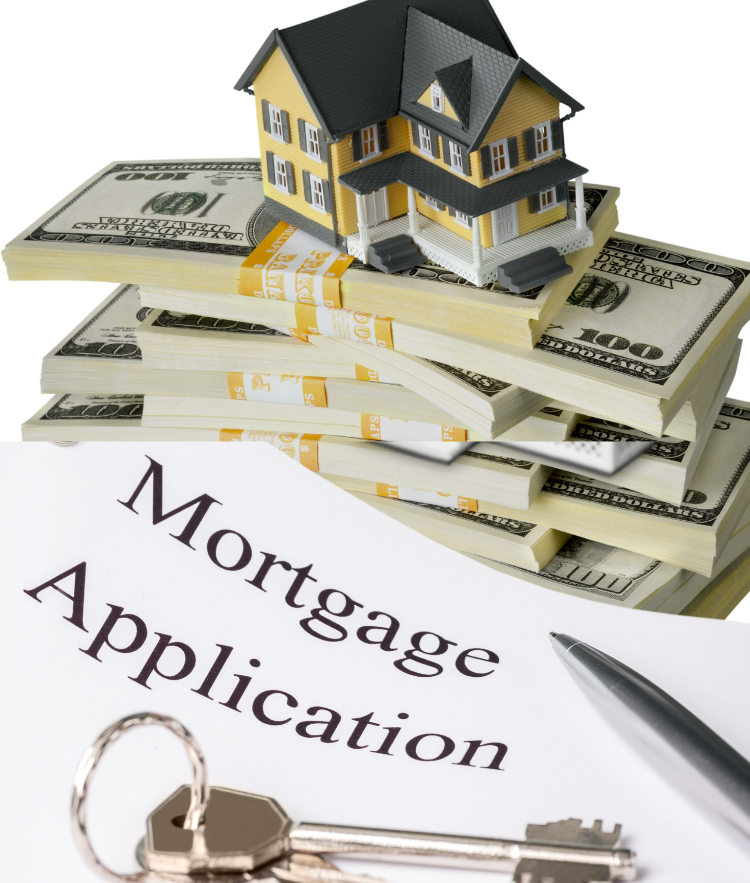
When buying or selling real estate, taxes are an inevitable part of the process. Whether you are purchasing your first home or selling an investment property, understanding the tax implications can save you money and prevent surprises come tax time. Proper tax preparation is crucial to ensuring that you maximize potential benefits, avoid mistakes, and stay compliant with the IRS. In this blog post, we will explore the key tax considerations for both real estate buyers and sellers and provide tips on how to prepare for tax season effectively. Why Tax Preparation is Important for Real Estate Buyers and Sellers   Real estate transactions are significant financial events, and the taxes associated with buying or selling a property can be complex. For buyers, taxes typically relate to property taxes, mortgage interest deductions, and the potential for tax credits. For sellers, taxes are often associated with capital gains, closing costs, and the potential for deductions like home improvements. Getting your tax preparation right helps ensure that you are: Minimizing Tax Liability: Knowing which deductions and credits you can claim can reduce the amount of taxes you owe. Avoiding Tax Mistakes: Real estate transactions often involve significant sums of money, and any errors can lead to costly penalties or missed opportunities for savings. Complying with IRS Rules: Misreporting income or failing to follow IRS rules can lead to audits and fines. Tax Considerations for Real Estate Buyers   1. Mortgage Interest Deduction If you are purchasing a home and taking out a mortgage, you may be able to deduct the interest paid on the loan. This is one of the most common tax benefits for homeowners. The deduction applies to interest on loans up to $750,000 (or $1 million if the loan was taken before December 15, 2017). For first-time buyers and those who have a mortgage, this can provide significant savings during tax season. 2. Property Tax Deduction Property taxes are generally deductible on your federal income tax return, but the total amount of property taxes you can deduct is limited by the SALT (State and Local Tax) deduction cap of $10,000 ($5,000 if married and filing separately). While the SALT deduction limit has restricted property tax deductions for some homeowners, it’s still important to track what you’ve paid for property taxes. 3. First-Time Homebuyer Credits Some states and local governments offer first-time homebuyer credits, which can directly reduce the amount of taxes you owe. These credits vary by location, so it’s crucial to research local tax programs or consult a tax professional to find out if you qualify. 4. Homebuyer Credits for Energy-Efficient Improvements If you purchase a home and make energy-efficient improvements (e.g., installing solar panels, energy-efficient windows, or upgrading insulation), you might qualify for a tax credit. These credits vary by year and location, but the federal government often provides incentives for homeowners who make eco-friendly upgrades. Tax Considerations for Real Estate Sellers   1. Capital Gains Tax on the Sale of a Home One of the biggest tax considerations for home sellers is the capital gains tax on the sale of their property. The IRS allows for a capital gains exclusion of up to $250,000 ($500,000 for married couples filing jointly) on the sale of a primary residence. To qualify for this exclusion, you must meet the following conditions: Ownership Test: You must have owned the home for at least two years. Use Test: You must have lived in the home for at least two of the last five years. If you sell your home and make a profit that exceeds the $250,000 (or $500,000) exclusion, the gain is subject to capital gains tax. The rate of taxation depends on how long you owned the property and your income level. If you held the property for more than a year, your gain will be taxed at long-term capital gains rates (usually between 0% and 20%, depending on your income). 2. Selling Investment Property If you are selling an investment property (a property that was not your primary residence), the tax implications are different. The profit from the sale is typically subject to both capital gains tax and the potential for depreciation recapture tax. Depreciation recapture means that you may owe taxes on any depreciation deductions you claimed during the ownership period of the property. It’s important to understand how depreciation and recapture tax apply to your investment property to avoid surprises when you sell. 3. 1031 Exchange: Deferring Capital Gains Taxes For real estate investors, one of the most valuable tax strategies is the 1031 exchange. This allows you to defer paying capital gains taxes on an investment property if you reinvest the proceeds into another like-kind property. The 1031 exchange can help you grow your real estate portfolio while avoiding immediate tax liabilities. However, there are specific rules and timelines that must be followed, such as identifying a replacement property within 45 days and closing within 180 days, and using a qualified intermediary to facilitate the transactions. 4. Home Improvement Deductions For sellers, any significant home improvements that were made before selling the property may qualify for deductions. These deductions can increase your adjusted cost basis, which reduces your taxable capital gain. Some of the improvements that can increase your cost basis include: • Renovations (e.g., kitchen or bathroom upgrades) • New roofing or siding • Additions like an extra room or deck • Landscaping or major landscaping upgrades • Be sure to keep records of all improvements made, as these can be deducted from the sale price to reduce taxable gain if applicable. How to Prepare for Tax Season When Buying or Selling Real Estate   1. Keep Detailed Records Whether you’re buying or selling a property, keep all related financial documents. These documents include: • Closing documents (HUD-1 or closing disclosure) • Mortgage statements and interest paid • Property tax records • Home improvement receipts and invoices • Proof of first-time homebuyer status (if applicable) 2. Consult a Tax Professional Real estate transactions

Tax Preparation for Real Estate Buyers, Sellers and Investors: What You Need to Know Read More »

Budget-Friendly Ways to Refresh Your Home’s Interior Design

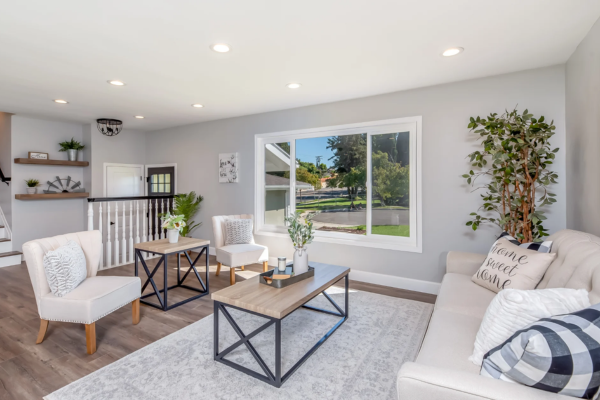
Home design doesn’t have to be expensive to be beautiful. Whether you’re looking to update your space or refresh a few key rooms, there are plenty of budget-friendly ways to give your home a fresh new look without breaking the bank. In this blog, we’ll explore some easy and affordable ways to revitalize your home’s interior design and make it feel brand new.  1. Rearrange Your Furniture One of the quickest and easiest ways to refresh a room is by rearranging the furniture. A new layout can completely change the flow and feel of a space without any cost at all. Try to experiment with different arrangements to make the room feel more spacious or cozy, depending on your preferences. This is especially effective in living rooms and bedrooms.  Pro Tip: Move larger pieces like couches and beds first, and then arrange smaller items like coffee tables, chairs, and lamps around them. Consider creating a focal point, like a fireplace or large window, to guide your arrangement. 2. Add Fresh Paint A fresh coat of paint can instantly brighten up any space and give your room a new vibe. Choose lighter, neutral shades to make rooms feel more spacious, or go bold with accent walls to add a pop of color. Paint is one of the most cost-effective ways to update your home’s look.  Pro Tip: If you’re hesitant about painting an entire room, start with smaller areas like accent walls, trim, or furniture pieces. Consider experimenting with peel-and-stick wallpaper for a fun twist. 3. Update Your Lighting Fixtures Lighting is essential for setting the tone of a room, and updating your fixtures is an easy way to refresh a space. Swap out dated or mismatched light fixtures for something more modern or cohesive. You can find stylish options at affordable prices at stores like IKEA, HomeGoods, or even secondhand stores.  Pro Tip: Adding dimmer switches can change the ambiance of the room instantly. Consider using warm LED bulbs for a cozy and inviting atmosphere. 4. Incorporate Textiles Introducing new textiles like throw pillows, blankets, curtains, and rugs can make a huge difference in the overall feel of a room. These soft furnishings bring comfort and warmth while adding color and texture. Opt for affordable options that can easily be switched out seasonally or as your style changes.  Pro Tip: Mix and match patterns and textures, like a velvet pillow on a linen sofa, to create visual interest without overwhelming the space. If you’re looking for a bigger change, try updating your curtains for a fresher, more contemporary look. 5. DIY Art and Decor You don’t need to spend a fortune on art to make a statement. You can create your own artwork by framing inexpensive prints, posters, or even fabric that matches your home’s color scheme. You can also try DIY projects like creating your own wall hangings, sculptures, or even painted canvases for a personal touch.  Pro Tip: Use gallery-style frames for a more professional look, or group multiple smaller pieces together to make a larger impact. 6. Thrift Shop and Secondhand Finds Thrift stores, flea markets, and online secondhand marketplaces are great places to find unique, budget-friendly decor. You can often find vintage furniture, mirrors, artwork, and other home accessories at a fraction of the price of new items. Plus, buying secondhand is a sustainable way to refresh your home.  Pro Tip: Look for pieces that can be easily updated with a fresh coat of paint or new fabric. For example, old chairs or dressers can be reupholstered or refinished to fit into your current design. 7. Embrace Minimalism Sometimes, less really is more. If your space feels crowded or cluttered, consider embracing a minimalist approach. Start by decluttering your home, getting rid of items you no longer need, and focusing on quality pieces that have a purpose.  Pro Tip: Organize your belongings in stylish storage baskets or bins to keep things tidy without sacrificing aesthetics. A cleaner, simpler space will feel more spacious and inviting. 8. Use Plants and Greenery Plants can breathe life into any room, and they’re an inexpensive way to add natural beauty. Whether you prefer low-maintenance succulents, leafy houseplants, or hanging planters, greenery can help create a fresh and calming atmosphere.  Pro Tip: If you don’t have a green thumb, opt for low-maintenance plants like snake plants or pothos that thrive in various lighting conditions and require minimal care. 9. Add Mirrors to Open Up the Space Mirrors are a fantastic way to make a small room feel larger and more open. They reflect light and add depth to a space. Look for budget-friendly mirrors in unique shapes or frames that complement your existing design.  Pro Tip: A large mirror can serve as a statement piece in your entryway or living room, while smaller mirrors can be grouped together to create a gallery-style wall. 10. Swap Out Hardware and Fixtures Small changes can have a big impact. Consider swapping out old hardware on cabinets, drawers, and doors for something more modern. Updating faucet handles, light switches, or doorknobs is an easy, low-cost way to refresh your home’s interior.  Pro Tip: Choose hardware that matches your overall style, whether it’s sleek and modern, rustic, or vintage-inspired. Refreshing your home’s interior design doesn’t have to involve costly renovations. By incorporating a few budget-friendly updates, like rearranging furniture, adding textiles, and embracing secondhand finds, you can give your home a stylish makeover that reflects your personality and style. Don’t be afraid to experiment with small changes until you find what works best for your space. Ready to refresh your home’s design? Contact Lowcountry Charmed today for expert advice and tips on making your space feel like new! Whether you’re looking for inspiration or guidance, we’re here to help you create a home that’s both beautiful and functional.

Budget-Friendly Ways to Refresh Your Home’s Interior Design Read More »

The Psychology Behind Curb Appeal: Why First Impressions Matter in Real Estate

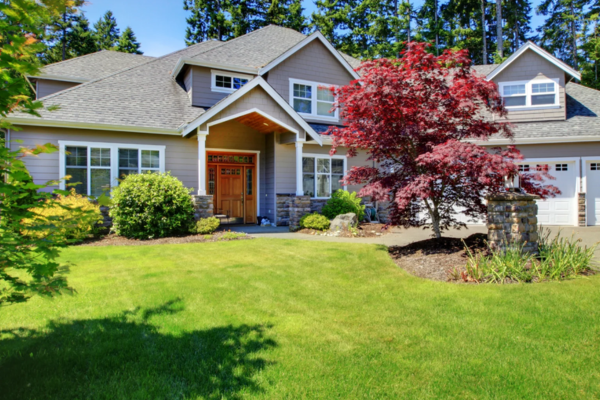
When it comes to buying or selling a home, first impressions matter—and that’s where curb appeal comes in. The exterior of a property is the first thing people see, and it can instantly influence their emotions, perceptions, and decision-making. But what exactly makes curb appeal so powerful? The answer lies in psychology. The Emotional Connection to Curb Appeal Humans make snap judgments within seconds of seeing something new. In real estate, this means potential buyers or renters form an opinion about a home before they even step inside. 1. The Power of First Impressions Studies show that people make unconscious decisions about a property within 7 to 10 seconds of seeing it. A well-maintained exterior signals that the home is cared for, safe, and valuable. On the other hand, peeling paint, overgrown landscaping, or a cluttered yard can create feelings of neglect and disinterest. 2. The Halo Effect in Real Estate The Halo Effect is a cognitive bias where our overall impression of something influences our perception of its other qualities. If a home looks clean, modern, and inviting from the outside, buyers are more likely to assume the interior is equally well-maintained. This can lead to quicker offers and even higher selling prices 3. Emotional Triggers and Buyer Psychology Certain visual cues can evoke strong emotional responses in buyers. For example: Lush green lawns create a sense of peace and prosperity. Fresh flowers and bright door colors add warmth and personality. Clean driveways and sidewalks suggest organization and upkeep. Symmetry in design (balanced landscaping, even lighting) feels harmonious and appealing. How Curb Appeal Impacts Perceived Value 1. Increased Home Value According to the National Association of Realtors (NAR), homes with strong curb appeal sell for 7% more on average than similar homes with neglected exteriors. Small upgrades, such as fresh paint, landscaping, and updated lighting, can provide a high return on investment. 2. Faster Sales & More Offers Buyers tend to spend more time viewing homes that look appealing from the outside. A welcoming exterior can increase foot traffic, generate multiple offers, and even create a sense of urgency among buyers who don’t want to miss out. Simple Ways to Boost Your Home’s Curb Appeal Enhancing curb appeal doesn’t have to be expensive or time-consuming. Here are a few effective and affordable ways to make a lasting impression: Repaint the front door with a bold, inviting color like red, blue, or black. Upgrade exterior lighting to create a warm, welcoming glow at night. Add seasonal flowers and greenery to soften the landscape. Clean the driveway, sidewalks, and gutters to eliminate dirt and clutter. Install a new mailbox or house numbers for a polished, updated look. Pressure wash the exterior to remove grime and restore vibrancy. Ensure windows are clean and shutters are in good condition. Conclusion: Make Your First Impression Count Curb appeal isn’t just about aesthetics—it’s about psychology. A well-maintained exterior creates trust, increases perceived value, and evokes positive emotions that can turn a potential buyer into a committed one. Whether you’re selling, renting, or simply want to enhance your property’s value, investing in curb appeal is a smart and strategic decision. 📞 Need expert advice on maximizing your home’s curb appeal? Contact Us now! Contact Lowcountry Charmed today at 843-790-4522 or email us at info@lowcountrycharmed.com. 

The Psychology Behind Curb Appeal: Why First Impressions Matter in Real Estate Read More »

The Best Landscaping Ideas for Coastal Homes

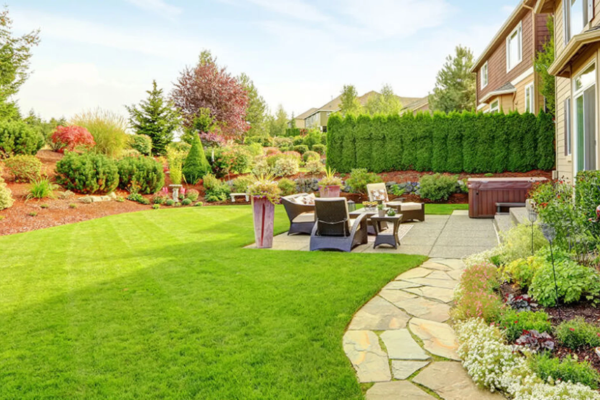
Living in the Lowcountry offers stunning coastal views, gentle sea breezes, and a relaxed lifestyle. However, coastal landscaping comes with its own set of challenges, from salt-laden air to sandy soil and occasional storms. The right landscaping choices can enhance your home’s beauty while ensuring long-lasting curb appeal. Here are some of the best landscaping ideas for coastal homes. 1. Choose Salt-Tolerant Plants Coastal environments require plants that can thrive despite salty air and soil. Some excellent options include: •    Palmetto Trees – The iconic symbol of the Lowcountry, these trees are durable and wind-resistant.•    Sea Oats – Ideal for stabilizing sandy areas while adding a natural aesthetic.•    Oleander – A hardy flowering shrub that brings vibrant color to your landscape.•    Agave & Yucca – Low-maintenance succulents that withstand coastal conditions.   2. Create Wind-Resistant Landscaping Coastal homes often experience strong winds, so it’s important to design a landscape that can withstand the elements: •    Use hardy native plants that are deep-rooted and resilient.•    Plant in clusters to create natural wind barriers.•    Opt for low-growing shrubs to minimize wind damage.   3. Incorporate Natural Elements Blending your landscaping with the surrounding coastal environment creates a seamless and inviting outdoor space: •    Use seashells or crushed oyster shells for walkways and garden beds.•    Install driftwood accents for a rustic, beachy touch.•    Consider dune-inspired mounds with ornamental grasses for a natural look.   4. Use Drought-Resistant and Low-Maintenance Plants The sandy soil in coastal areas drains quickly, so choosing plants that require less water is a smart move: •    Lantana – A colorful flowering plant that thrives in dry conditions.•    Purple Fountain Grass – Adds texture and movement to your landscape.•    Lavender – Not only drought-resistant but also adds a pleasant fragrance.   5. Install a Smart Irrigation System To keep your landscape lush without overusing water, consider installing a drip irrigation system. These systems deliver water directly to the roots, minimizing waste and evaporation.   6. Opt for Durable Hardscaping •    Stone or brick patios – Resistant to high humidity and salty air.•    Composite decking – A long-lasting alternative to wood that won’t warp or rot.•    Concrete pavers – A stylish and durable choice for walkways and driveways.   7. Design an Outdoor Living Space Make the most of your coastal home by creating an outdoor oasis: •    Add a fire pit for cozy evenings by the shore.•    Install a pergola or shaded seating area for relief from the sun.•    Use hammocks and Adirondack chairs for a laid-back beachy feel.   Enhance Your Coastal Home with Thoughtful Landscaping With the right landscaping approach, you can create a stunning, low-maintenance outdoor space that complements your coastal home. Whether you’re looking to enhance curb appeal or design a relaxing retreat, we can help you bring your vision to life. 📞 Ready to transform your landscape? Contact Lowcountry Charmed today for expert advice on coastal home design and real estate insights.📞 Call Now:  843-790-4522  | 📧 Email Us: info@lowcountrycharmed.com 📩 Stay Connected & Informed Follow us on social media for home inspiration, real estate updates, and expert tip    

The Best Landscaping Ideas for Coastal Homes Read More »

Charleston Real Estate Market Update – May 2025

As we move into May 2025, the Charleston real estate market continues to navigate a landscape shaped by rising interest rates, cautious buyer behavior, and a modest uptick in inventory. After several years of rapid price appreciation and fierce competition, the market is showing signs of normalization—offering both challenges and opportunities for buyers, sellers, and investors alike. Market Overview The median home price in THE TRI-COUNTY AREA has remained relatively stable compared to earlier in the year, with modest month-over-month gains. Prices vary significantly by neighborhood—Downtown Charleston, DANIEL ISLAND ,Mount Pleasant remain high-demand areas with average prices well over $1M, while areas like West Ashley, North Charleston, SUMMERVILLE AND GOOSE CREEK offer more accessible options. Buyer & Seller Sentiment Buyers are adjusting to higher borrowing costs, which has tempered some of the urgency that defined the post-pandemic boom. However, with inflation slowing and talk of rate cuts on the horizon, some buyers are cautiously re-entering the market in anticipation of improved affordability later in the year. Sellers, meanwhile, are recognizing the need to price realistically. Overpriced homes are sitting on the market longer, prompting price adjustments and more room for negotiation. New Construction & Development New construction has slowed significantly due to higher interest rates and increased costs for labor and materials. Permitting for new builds has dropped compared to the same period last year, particularly for single-family homes. However, multifamily developments and infill projects are still active in areas like Daniel Island Wando, West Ashley and Summerville aimed at easing housing pressure and expanding rental availability. Rental Market Snapshot The rental market in Charleston has remained strong, with slight increases in monthly rents across most submarkets. Downtown Charleston and Mt. Pleasant continue to command premium prices, while areas like Hanahan and Goose Creek remain popular for more affordable rental options. Looking Ahead: What to Expect This Summer Interest Rates: While still elevated, rates are projected to dip slightly in the second half of the year. This could increase buyer activity but may also keep home prices firm. Inventory Growth: Modest gains in inventory should continue, offering more choices for buyers and softening upward pressure on prices. Affordability: The Tri-County area remains a competitive market, but slightly slower price growth and more negotiation power may benefit first-time buyers and move-up buyers. Final Thoughts The Tri-County housing market in May 2025 reflects a broader national trend toward normalization. While it’s no longer the red-hot seller’s market of 2021–2022, demand remains strong due to the area’s lifestyle appeal, job growth, and coastal charm. Whether you’re considering buying, selling, or investing, staying informed and working with a knowledgeable local real estate professional will be key to making smart moves in today’s evolving market.  

Charleston Real Estate Market Update – May 2025 Read More »

What an Economic Slowdown Could Mean for the Housing Market

In times of economic uncertainty, homeowners and potential buyers alike begin to ask the big question: “What does this mean for the housing market?” Whether you’re thinking of selling, buying, or simply staying informed, it’s important to understand how economic slowdowns can influence real estate trends. Let’s break down what typically happens to the housing market during an economic downturn—and what you can do to make smart moves in any market. What Is an Economic Slowdown? An economic slowdown occurs when the growth of the economy begins to decelerate. This could mean slower job creation, reduced consumer spending, lower industrial output, and cautious investor behavior. It may not reach the level of a full-blown recession, but its effects can still ripple across many sectors—especially housing. How Does a Slowdown Affect the Housing Market? 1. Home Prices May Stabilize or Decline In hot markets, price growth can outpace income. During a slowdown, home price appreciation often cools. In some areas, prices may dip slightly, particularly where homes were overvalued. For buyers, this may present an opportunity to enter the market. For sellers, it means pricing competitively is key. 2. Mortgage Rates May Drop To stimulate the economy, the Federal Reserve may lower interest rates. This often leads to more favorable mortgage rates, which can help buyers afford more and encourage refinancing for current homeowners. 3. Fewer Bidding Wars Slower economic activity usually means fewer buyers in the market. With less competition, buyers may have more negotiating power, fewer bidding wars, and the ability to include more contingencies in contracts. 4. Longer Days on Market With fewer buyers and cautious consumer behavior, homes may take longer to sell. Sellers need to focus on presentation, competitive pricing, and flexibility to stand out. 5. Shift in Buyer Preferences During slowdowns, buyers may prioritize affordability and practicality over luxury. Suburban and mid-priced homes often perform better than high-end listings. What Can You Do? For Sellers: Take Advantage of Rates: If mortgage rates drop, it could be a prime time to buy—especially if you’re planning to stay long-term. Do Your Homework: Research neighborhoods and work with a local expert who understands how your market is responding to economic shifts. Negotiate Smart: You may be in a stronger negotiating position, so don’t hesitate to ask for repairs or favorable terms. For Buyers: Take Advantage of Rates: If mortgage rates drop, it could be a prime time to buy—especially if you’re planning to stay long-term. Do Your Homework: Research neighborhoods and work with a local expert who understands how your market is responding to economic shifts. Negotiate Smart: You may be in a stronger negotiating position, so don’t hesitate to ask for repairs or favorable terms. Real Estate Is Still a Long-Term Investment It’s easy to get caught up in short-term news, but real estate has historically been a stable, long-term investment—even during periods of economic challenge. Housing is a fundamental need, and while the pace may slow, people will continue to buy and sell homes for a variety of personal reasons. An economic slowdown doesn’t mean the housing market will crash. It means the market may become more balanced, more strategic, and more dependent on expertise. Whether you’re buying, selling, or just watching, understanding the trends gives you the power to make informed decisions. Ready to Talk About Your Real Estate Strategy? Schedule a Free Consultation Today Let’s discuss how to navigate the market with confidence—no matter what the economy is doing.  

What an Economic Slowdown Could Mean for the Housing Market Read More »

6 Reasons to Consider a New Construction Home in Today’s Market

Thinking about buying a home in the Lowcountry? Here’s why new construction might be your smartest move.  With historic charm on every corner, Charleston and the surrounding Lowcountry are known for their beautiful, storied homes. But while old-world architecture has its allure, a new wave of homebuyers is turning their attention to new construction—and for good reason.Whether you’re a first-time buyer, an investor, or just craving modern comforts, here’s why a newly built home might be the perfect fit for your lifestyle right now.  1. Low Maintenance Living Older homes often come with beautiful character—and a long to-do list. New construction homes are built with the latest materials, appliances, and energy-efficient systems, meaning fewer repairs and lower maintenance costs for years to come. ✔️ No outdated plumbing✔️ No worn-out HVAC systems✔️ No patching up 40-year-old roofs This is ideal if you want peace of mind and more time enjoying your home—not fixing it. 2. Smart Technology & Energy Efficiency Today’s builders are incorporating technology that older homes simply weren’t designed for. From smart thermostats and security systems to built-in solar panels and EV charging stations, new homes are future-ready. Plus, with better insulation, windows, and energy-rated appliances, your utility bills could be significantly lower—an important win in our warm Lowcountry climate.  3. Customization Without the Hassle of Renovation Want that open kitchen? Walk-in pantry? Coastal-modern finishes? With new construction, you can often select your layout, materials, and finishes—giving you a semi-custom experience without the delays, dust, and cost of remodeling. It’s a fresh start with your personal style, built right in. 4. Better Communities & Amenities Many new developments in the Charleston area are master-planned, meaning they’re designed with community in mind. Think walking trails, dog parks, fitness centers, resort-style pools, and neighborhood events. These amenities not only boost your lifestyle but can increase your property value long-term.  5. Builder Incentives & Mortgage Perks In today’s market, many builders are offering special promotions—such as closing cost assistance, appliance packages, or even temporary interest rate buydowns. That’s real money you can save right out of the gate. Some are even partnering with preferred lenders to offer more flexible financing options—a big plus if you’re budget-conscious or first-time buying.  6. Built to Today’s Codes and Standards Charleston’s building codes and flood regulations have changed over time. New homes are built to meet (or exceed) current safety, hurricane, and environmental standards—helping protect your investment and your peace of mind. Is a New Construction Home Right for You? While every buyer’s needs are different, there’s a growing case for going new—especially if you value convenience, modern living, and long-term savings. At Lowcountry Charmed, we help clients weigh the pros and cons of every opportunity. Whether you’re drawn to historic character or modern builds, we’re here to guide you toward the home that feels just right. 📞 Ready to explore new builds in the Lowcountry?Let’s talk neighborhoods, builders, and current incentives. Your dream home might be breaking ground right now. Contact us | 📧 info@lowcountrycharmed.com | 📱 (843) 790-4522

6 Reasons to Consider a New Construction Home in Today’s Market Read More »

The Future of Countertop Materials: What’s Next?

Countertops are more than just functional surfaces—they’re design statements that set the tone for kitchens, bathrooms, and even outdoor living spaces. Over the years, we’ve seen granite, marble, and quartz dominate the market, but as technology advances and sustainability becomes a priority, the future of countertop materials is shifting. So, what’s next in the world of countertops? Let’s explore the trends and innovations shaping tomorrow’s surfaces. 1. Sustainable & Recycled Materials Homeowners are looking for eco-friendly options that minimize environmental impact. Recycled glass, composite surfaces, and countertops made from reclaimed wood or concrete are gaining popularity. Not only are they stylish, but they also help reduce waste. 2. Ultra-Compact Surfaces Materials like sintered stone (brands such as Dekton and Neolith) are engineered to withstand extreme heat, scratches, and stains. They’re thinner, sleeker, and perfect for modern, minimalist designs. Expect to see these surfaces in both kitchens and outdoor spaces. 3. Smart Countertops Yes, even countertops are getting “smarter.” Some manufacturers are experimenting with built-in wireless charging pads, LED indicators, and antimicrobial technology. Imagine placing your phone on the kitchen counter and charging it while you cook! 4. Bold Colors & Patterns While neutral tones remain timeless, the future points to countertops that make a statement. Expect striking veining, deep jewel tones, and dramatic finishes that turn surfaces into focal points. 5. Porcelain Slabs Porcelain countertops are rising in popularity thanks to their durability, stain resistance, and ability to mimic natural stone. They’re also lightweight and available in large-format slabs, making them a versatile option for sleek, modern kitchens. 6. Mixed-Material Countertops Designers are getting creative by combining materials—such as wood with stone, or concrete with metal accents—to create unique, custom looks. These hybrid designs reflect both function and artistry.   Countertops are no longer just about durability—they’re about sustainability, technology, and design innovation. Whether you prefer eco-friendly materials, futuristic smart features, or bold statement surfaces, the future of countertops offers something for every style and lifestyle. Dreaming of a home with a kitchen that inspires?Start your search today📞 (843) 790-4522📧 info@lowcountrycharmed.com🌐 www.lowcountrycharmed.com    

The Future of Countertop Materials: What’s Next? Read More »

Short-Term Rentals vs Permanent Homes: How STRs Are Reshaping Neighborhoods and Prices

The rise of short-term rentals (STRs) — like Airbnb and Vrbo — has transformed how people travel, invest, and even live. But behind the convenience and income potential lies a growing conversation in the Lowcountry: How are STRs changing our neighborhoods, communities, and home values? Let’s take a closer look at how short-term rentals are influencing real estate across Charleston and beyond.  1. The Allure of STR Investments For many property owners, STRs offer an exciting opportunity — flexible use, strong cash flow, and steady demand driven by Charleston’s thriving tourism scene. Investors can earn higher returns compared to traditional long-term rentals, especially in high-demand coastal areas. However, with more STRs entering the market, the competition for desirable properties has intensified — and that ripple effect is being felt in home prices.  2. Neighborhood Character and Community Dynamics One of the biggest impacts of STRs is how they subtly shift neighborhood life.In some areas, a rise in short-term rentals means fewer permanent residents — changing the feel of once tight-knit communities. Streets that used to be filled with familiar faces may now see more turnover as guests come and go weekly. On the other hand, STRs can breathe new life into underused homes, improve property upkeep, and increase local business traffic — from cafes to cleaning services.  3. Home Values and Market Trends STR-friendly neighborhoods often see rising property values due to investor interest. Homes with “dual potential” — ideal for both living and renting — tend to sell faster and command premium prices.Yet, as STR regulations evolve, buyers should stay informed. Some municipalities in the Lowcountry are introducing zoning and licensing requirements to balance tourism with community needs. Pro Tip: Always check local ordinances and HOA rules before purchasing a home for short-term rental purposes.  4. Finding the Right Balance The key isn’t choosing sides — it’s understanding the balance. STRs can coexist beautifully with permanent homes when managed responsibly and aligned with local guidelines.Whether you’re an investor seeking returns or a family looking for a forever home, the goal is the same: preserving the Lowcountry’s charm while embracing opportunity.  The Bottom Line Short-term rentals are here to stay, but their success depends on thoughtful planning and community awareness. By understanding their influence, both homeowners and investors can make smarter, more sustainable real estate decisions.   Ready to Explore Smart Real Estate Opportunities in the Lowcountry? At Lowcountry Charmed, we help buyers, sellers, and investors navigate Charleston’s evolving real estate landscape — from charming permanent homes to income-generating STRs. 📞 843-790-4522 | ✉info@lowcountrycharmed.com| 🌐 lowcountrycharmed.com          

Short-Term Rentals vs Permanent Homes: How STRs Are Reshaping Neighborhoods and Prices Read More »

Modern Exterior Facelifts That Instantly Refresh Older Homes

You don’t need a full renovation to give an older home a fresh, modern look. In fact, some of the most impactful updates happen right outside the front door. A few strategic exterior changes can dramatically improve curb appeal, boost perceived value, and help a home stand out—especially in today’s competitive market. Whether you’re preparing to sell or simply want to fall back in love with your home, these modern exterior facelifts deliver noticeable results without overwhelming cost or effort. 1. Updated Paint Colors That Feel Clean and Current One of the fastest ways to modernize an older home is with a fresh exterior paint palette. Today’s buyers gravitate toward: Soft whites and warm creams Greige, taupe, and muted earth tones Deep charcoal or navy for accents Pairing a neutral base with a bold front door or dark trim creates contrast and instant sophistication—while still feeling timeless. 2. A Statement Front Door The front door sets the tone before anyone steps inside. Swapping out an outdated door (or simply repainting it) can completely transform the home’s look. Popular modern choices include: Wood tones with clean lines Matte black or deep blue finishes Glass inserts for added light New hardware in brushed nickel or matte black adds a polished finishing touch. 3. Modern Lighting That Elevates the Entire Exterior Exterior lighting does more than improve safety—it adds style and architectural interest. Consider: Sleek wall-mounted sconces Oversized lantern-style fixtures Warm LED lighting for pathways and entryways Good lighting makes a home feel welcoming and upscale, especially during evening showings or drive-bys. 4. Clean Lines Through Trim and Details Older homes often have ornate or layered trim that can feel dated. Simplifying exterior details can instantly modernize the look: Streamlined window and door trim Painted brick or stone for a uniform finish Removing unnecessary decorative elements Less clutter visually allows the home’s structure to shine. 5. Garage Door Upgrades Garage doors take up a large portion of a home’s exterior—and updating them offers a high return on investment. Modern options include: Carriage-style doors with clean profiles Neutral or wood-look finishes Minimal hardware for a sleek appearance This single change can make the entire home feel newer. 6. Landscaping with Purpose Modern curb appeal doesn’t mean high maintenance. Buyers and homeowners alike appreciate landscaping that feels intentional and easy to care for: Defined walkways and borders Native plants and greenery Simple symmetry near the entry Even refreshed mulch and trimmed shrubs can dramatically enhance the overall presentation. 7. Small Touches That Make a Big Difference Often, it’s the details buyers and guests notice most: Updated house numbers Coordinated mailbox and fixtures Clean, well-maintained walkways and driveways These subtle upgrades signal pride of ownership and thoughtful care. Why Exterior Updates Matter Your home’s exterior creates the first impression—and in real estate, first impressions matter. A modernized exterior can: Increase buyer interest Improve perceived value Help an older home compete with newer builds Best of all, many of these updates are cost-effective and can be completed in stages. Ready to Enhance Your Home’s Curb Appeal? Whether you’re preparing to sell or simply planning your next update, the right exterior improvements can make a powerful impact. Thoughtful upgrades today can lead to stronger value tomorrow. 📞 (843) 790-4522📧 info@lowcountrycharmed.com🌐 www.lowcountrycharmed.com

Modern Exterior Facelifts That Instantly Refresh Older Homes Read More »