August 2025

Getting Ready To Sell: How To Get Your Home Ready For The Open House!

A successful open house can generate interest, create competition, and even lead to multiple offers. However, to truly stand out and make the best impression, preparation is key. Below is a detailed checklist to help homeowners get their homes ready for a successful open house. 1. Clean and Declutter Every Room First impressions matter. A clean, clutter-free home will feel more spacious and inviting, allowing buyers to visualize themselves living there. Deep Clean: Thoroughly clean every room, including floors, windows, carpets, and bathrooms. Don’t forget to clean high-traffic areas like door handles and light switches.  Declutter: Remove any unnecessary items to create a more organized space. This includes clearing countertops, tables, and closets. Buyers want to see the space, not your personal belongings. Odor Control: Ensure there are no unpleasant smells in the house. Use fresh flowers, candles, or air fresheners, but avoid overpowering scents. 2. Stage the Home to Highlight Its Best Features Staging can make a huge difference in how your home is perceived. The goal is to create an environment where potential buyers can envision themselves living comfortably    Furniture Arrangement: Arrange furniture in a way that highlights the flow of the space. Make sure rooms feel spacious and functional.  Neutralize Personal Items: Remove family photos and personal mementos to allow visitors to imagine their own lives in the home.  Highlight Key Features: Draw attention to the best features of the home, such as a fireplace, built-in bookshelves, or beautiful views. Use furniture and decor to emphasize these elements. Add Decorative Touches: Fresh flowers, a bowl of fruit, or simple decor can make the space feel inviting without being too over-the-top. 3. Ensure a Welcoming Exterior Curb appeal is the first thing potential buyers see, so make sure the exterior of your home is just as inviting as the insid    Lawn Maintenance: Mow the lawn, trim bushes, and remove any weeds. A neat yard shows that the home has been well-cared for.    Clean the Front Porch: Sweep the front porch, wash the front door, and add a fresh doormat. Consider adding a couple of outdoor plants to make the entryway more welcoming.  Lighting: Ensure outdoor lighting is working properly. Bright, welcoming lighting can make a big difference, especially for evening open houses. Paint Touch-Ups: Consider touching up areas of the house that may have chipped paint, especially the front door and window trim. 4. Set the Right Ambience The right atmosphere can help buyers connect emotionally with your home Lighting: Open the curtains or blinds to let in natural light, making the space feel bright and airy. If needed, turn on all the lights to ensure a well-lit environment. Temperature Control: Make sure the house is at a comfortable temperature, whether that means adjusting the thermostat for warmth on a chilly day or cooling it down in the summer. Music: Soft background music can help create a relaxed environment, but make sure it’s not too loud or distracting.  Aromatherapy: Freshen up the air with subtle scents, like a citrus diffuser or a lightly-scented candle, but avoid overpowering aromas. 5. Take Professional Photos for Marketing Quality photos are essential for attracting potential buyers before they even step foot in your home. These photos will be used in online listings, social media, and other marketing materials. Hire a Professional Photographer: A real estate photographer can capture your home in its best light, showcasing its unique features and making it stand out from the competition. Showcase Key Rooms: Ensure that important rooms, like the living room, kitchen, and master bedroom, are highlighted in the photos. Take Exterior Shots: Capture the front and back of the home, especially if the outdoor space is a selling point (e.g., a patio or landscaped garden). 6. Promote Your Open House Effective marketing is crucial to attracting the right buyers to your open house.    Online Listings: Make sure your open house is listed on real estate websites, social media, and local platforms. Provide clear details like the date, time, and any special features of the home.  Social Media: Use social media platforms like Facebook, Instagram, and Twitter to create buzz. Share photos and videos of the property and encourage friends and followers to spread the word. Flyers and Postcards: Distribute flyers or postcards to the neighborhood, nearby areas, and local businesses. This can increase visibility and attract potential buyers who may not be actively searching online. Real Estate Websites: If you’re working with an agent, ensure the open house is promoted on their website and through any online advertising they may use. 7. Prepare for the Day of the Open House The day of the open house is critical to ensuring everything runs smoothly and that potential buyers leave with a positive impression.    Be Flexible with Timing: Be prepared to adjust the time of your open house if you have scheduling conflicts. The goal is to accommodate as many visitors as possible. Provide Refreshments: A few light snacks and drinks (like cookies and bottled water) can create a welcoming atmosphere and encourage buyers to linger longer. Have Marketing Materials Ready: Have property brochures, floor plans, and other marketing materials available for visitors to take with them. These materials should highlight key features of the home and provide contact information. Be Prepared to Answer Questions: If you’re hosting the open house yourself, have answers ready for common buyer questions regarding the home, the neighborhood, and any recent updates or repairs. Bonus Tip: Consider Hosting a Virtual Open House In addition to a traditional in-person open house, consider offering a virtual tour for buyers who may not be able to attend in person. This can expand your pool of potential buyers and give remote clients an easy way to view the property. Ready to Make Your Home Stand Out? Hire an Expert to Handle the Details! Contact us today to schedule a consultation and let our expert team handle the hard work, so you can focus on what matters most—getting your home

Getting Ready To Sell: How To Get Your Home Ready For The Open House! Read More »

The Best Ways to Incorporate Natural Elements into Your Home

Bringing natural elements into your home is a great way to create a warm, inviting, and calming atmosphere. Whether you want to enhance your living space with organic textures, earthy tones, or eco-friendly materials, incorporating nature into your home design can make a big impact. Here are the best ways to seamlessly blend natural elements into your home’s aesthetic. 1. Use Natural Wood Wood is one of the most versatile and timeless materials you can use in your home. Whether it’s hardwood flooring, exposed wooden beams, or rustic furniture, natural wood adds warmth and character to any space. Reclaimed wood is a great option for those looking to add sustainability to their home’s design while achieving a vintage, organic look. 2. Bring in Greenery and Indoor Plants One of the easiest and most effective ways to incorporate natural elements is by adding indoor plants. Plants not only enhance the aesthetic of a room but also improve air quality and create a fresh, vibrant atmosphere. Consider using popular houseplants such as snake plants, fiddle leaf figs, pothos, and succulents to bring life into your home. Hanging plants and vertical gardens are also great for small spaces. 3. Embrace Natural Light Maximizing natural light can instantly make your home feel more connected to the outdoors. Large windows, skylights, and glass doors help bring in plenty of sunlight, reducing the need for artificial lighting. Sheer curtains or light-filtering shades can also allow for privacy while still letting in that beautiful, natural glow. 4. Add Stone and Natural Textures Stone elements, such as granite countertops, marble backsplashes, or slate flooring, bring an organic and earthy feel to a home. Even incorporating stone into fireplaces, accent walls, or décor pieces can enhance the natural aesthetic. Pairing stone with wooden elements creates a balanced, harmonious look. 5. Choose Earthy and Neutral Colors Color plays a significant role in creating a natural ambiance. Shades inspired by nature, such as soft greens, warm browns, sandy beiges, and ocean blues, create a serene and inviting space. These colors help promote relaxation and complement natural materials beautifully. 6. Incorporate Natural Fibers and Textiles Bedding, rugs, and upholstery made from linen, cotton, wool, or jute add texture and a cozy, organic feel to a space. Natural fiber rugs, such as jute or sisal, are a great way to ground a room while staying eco-friendly. Woven baskets, macramé wall hangings, and rattan furniture also bring an earthy and timeless aesthetic. 7. Install Water Features The soothing sound of water can enhance relaxation and bring a tranquil atmosphere to any home. Adding a small indoor fountain, a backyard pond, or a tabletop waterfall can create a peaceful retreat that mimics the calming effects of nature. Ready to Make Your Home Stand Out? Hire an expert to handle the details! Contact us today to schedule a consultation and let our expert team handle the hard work, so you can focus on what matters most—getting your home sold!  Schedule a Consultation Now!              

The Best Ways to Incorporate Natural Elements into Your Home Read More »

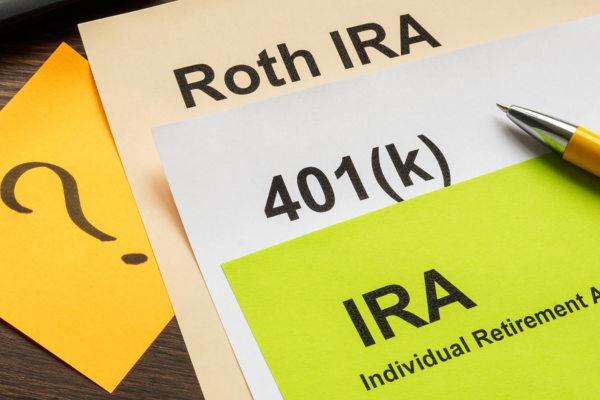
Using Your 401(k) or IRA to Invest in Real Estate: A Simple Guide

Did you know you can use your retirement savings to invest in real estate? Most people think their 401(k) or IRA can only be used for traditional investments like stocks and bonds, but with a Self-Directed IRA (SDIRA), you can use your retirement funds to buy rental properties, commercial buildings, or even raw land. This strategy can help you diversify your portfolio and build long-term wealth. But how does it work? Let’s break it down in simple terms so you can understand how to legally and smartly invest in real estate using your retirement money. What Is a Self-Directed IRA (SDIRA)? A Self-Directed IRA (SDIRA) is a special type of retirement account that allows you to invest in alternative assets like real estate, rather than just stocks and mutual funds. Unlike a regular IRA, an SDIRA gives you more control over your investments. The key difference? You must have a custodian (a company that manages the account) that allows alternative investments like real estate. Can You Use a 401(k) to Buy Real Estate? Yes, but there’s a catch. You typically cannot use money from a regular 401(k) while you’re still employed by the company offering the plan. However, if you have a 401(k) from a previous job, you can roll it over into a Self-Directed IRA, and then use that money to invest in real estate. If you’re still working for the company that sponsors your 401(k), check with your plan administrator to see if you have the option of an in-service rollover. Steps to Buying Real Estate with an SDIRA 1. Open a Self-Directed IRA First, you need to find a custodian that offers Self-Directed IRAs. Not all financial institutions allow real estate investments in IRAs, so you’ll need to choose a company that specializes in SDIRAs. 2. Transfer or Rollover Funds If you already have an IRA, you can transfer funds into your new SDIRA. If you’re rolling over a 401(k) from a previous employer, the process is similar. Your custodian will guide you through the paperwork. 3. Choose Your Investment Property Once your SDIRA is funded, you can start looking for real estate to purchase. However, there are strict IRS rules you must follow: The property must be for investment purposes only—you cannot live in it, use it as a vacation home, or let family members stay there. You cannot use personal funds for the purchase—all expenses, including the down payment, mortgage (if any), property taxes, and repairs, must be paid directly from the SDIRA. All rental income must go back into the SDIRA—you cannot pocket the rental income for personal use. 4. Purchase the Property Through Your SDIRA Once you find a property, the SDIRA custodian will purchase it on behalf of your IRA. The title of the property will be in the name of the Self-Directed IRA, not your personal name. For example, if your SDIRA is with “XYZ Trust Company,” the property would be titled:“XYZ Trust Company FBO [Your Name] IRA” This ensures that the property is legally owned by your retirement account and not by you personally. 5. Manage the Property Correctly Since IRS rules prohibit personal involvement, you cannot manage the property yourself. Instead, you must: Hire a property management company to handle tenants, rent collection, and maintenance. Pay for any property expenses directly from the SDIRA (never from your personal bank account). By following these rules, you avoid triggering prohibited transactions that could result in tax penalties or even disqualification of your IRA. Pros and Cons of Using an SDIRA for Real Estate ✅ Pros: Diversification – Real estate can provide stable, long-term returns and reduce reliance on stock market fluctuations. Tax Advantages – Rental income and capital gains can grow tax-deferred (Traditional SDIRA) or tax-free (Roth SDIRA). Wealth Building – Using a Self-Directed IRA allows you to leverage your retirement funds for tangible, appreciating assets. ❌ Cons: Strict IRS Rules – You must follow regulations carefully to avoid penalties. No Personal Use – You cannot use or benefit from the property while it’s in the SDIRA. Limited Liquidity – Real estate is not as liquid as stocks, meaning you can’t quickly sell for cash if needed. Is Buying Real Estate with an SDIRA Right for You? Using a Self-Directed IRA to invest in real estate can be a powerful wealth-building strategy, but it requires careful planning and strict compliance with IRS rules. If you’re looking for long-term investment growth, tax advantages, and diversification, an SDIRA might be a great fit. However, if you need access to cash, want to personally manage the property, or don’t want to deal with complex regulations, it may not be the best choice. Before making a decision, consult with a SDIRA custodian to ensure you fully understand the process and potential risks. Real estate can be a game-changer for retirement investing—just make sure you’re doing it the right way!  

Using Your 401(k) or IRA to Invest in Real Estate: A Simple Guide Read More »

Your Guide to Buying a Home in Sullivans Island, SC

Sullivans Island, South Carolina, is a charming coastal community known for its stunning beaches, historic sites, and relaxed lifestyle. Buying a home in this picturesque locale is a dream for many, offering a unique blend of natural beauty and Southern hospitality. Understanding the home-buying process on Sullivans Island is essential for making informed decisions and ensuring a smooth transition to island living. Understanding the Real Estate Market The real estate market on Sullivans Island is characterized by a mix of historic homes and modern beachfront properties. The island’s unique charm and limited land availability contribute to a competitive market. Prospective buyers should familiarize themselves with current market trends, including average home prices and the types of properties available. Engaging with a local real estate agent who has in-depth knowledge of the area can provide valuable insights and help identify properties that meet specific criteria. Setting a Budget Determining a realistic budget is a crucial step in the home-buying process. Consider all associated costs, including the purchase price, property taxes, insurance, and any potential renovations or maintenance. It’s important to have a clear understanding of financial capabilities and to secure pre-approval for a mortgage if needed. This preparation will not only streamline the buying process but also provide a competitive edge in a fast-moving market. Choosing the Right Neighborhood Sullivans Island offers a variety of neighborhoods, each with its own unique character and amenities. Whether seeking a quiet retreat or a vibrant community atmosphere, it’s important to explore different areas to find the perfect fit. Consider factors such as proximity to the beach, local amenities, and the overall vibe of the neighborhood. Spending time on the island and talking to residents can provide valuable insights into the lifestyle each neighborhood offers. Finding a Local Real Estate Agent Partnering with a knowledgeable local real estate agent is invaluable when buying a home on Sullivans Island. An experienced agent will have a deep understanding of the local market, access to exclusive listings, and the ability to negotiate effectively on behalf of clients. They can provide guidance throughout the entire process, from identifying suitable properties to navigating the complexities of closing. Evaluating Property Features When evaluating potential homes, consider both the property’s features and its location. Important factors may include the size and layout of the home, outdoor spaces, and proximity to the beach or other amenities. It’s also important to assess the condition of the property and any potential for future improvements. A thorough evaluation will ensure that the chosen home aligns with personal preferences and lifestyle needs. Conducting a Home Inspection A comprehensive home inspection is a critical step in the buying process. This evaluation provides an in-depth assessment of the property’s condition, identifying any potential issues that may require attention. Hiring a qualified home inspector with experience in coastal properties is recommended, as they will be familiar with specific concerns related to the island’s environment. The inspection report will provide valuable information for making an informed decision. Navigating the Offer and Negotiation Process Once a suitable property is identified, the next step is to make an offer. The offer should be based on a thorough analysis of comparable properties and current market conditions. A real estate agent can provide guidance on crafting a competitive offer and assist with negotiations. It’s important to remain flexible and open to counteroffers, as this can be a key factor in securing the desired property. Understanding Closing Costs Closing costs are an essential consideration when buying a home on Sullivans Island. These costs can include fees for appraisals, title insurance, and legal services, among others. It’s important to have a clear understanding of the total closing costs and to budget accordingly. A real estate agent or financial advisor can provide a detailed breakdown of expected expenses and ensure that all necessary documentation is in order. Finalizing the Purchase The final steps in the home-buying process involve completing all necessary paperwork and finalizing the purchase. This includes signing the purchase agreement, transferring funds, and obtaining the keys to the new home. It’s important to review all documents carefully and to address any questions or concerns with the real estate agent or attorney. Once the purchase is complete, the transition to island living can begin. Settling Into Island Life After closing on a new home, the next step is to settle into life on Sullivans Island. This vibrant community offers a wealth of opportunities for relaxation and recreation, from enjoying the pristine beaches to exploring local shops and restaurants. Getting involved in community events and activities is a great way to meet neighbors and become part of the island’s welcoming community. Ready to Find Your Dream Home in Sullivans Island? Buying a home in Sullivans Island, SC, offers a unique blend of coastal charm and vibrant community life. With the right guidance, you can find the perfect property that meets all your needs. Whether you’re drawn to the stunning beaches or the rich history, Sullivans Island has something special for everyone. For personalized assistance and expert advice, reach out to Lowcountry Charmed LLC today and start your journey to owning a piece of paradise. When buying or selling real estate, taxes are an inevitable part of the process. Whether you are purchasing your first home or selling an investment property, understanding the tax implications can save you money and prevent surprises come tax time. Proper tax preparation is crucial to ensuring that you maximize potential benefits, avoid mistakes, and stay compliant with the IRS. In this blog post, we will explore the key tax considerations for both real estate buyers and sellers and provide tips on how to prepare for tax season effectively. Why Tax Preparation is Important for Real Estate Buyers and Sellers Real estate transactions are significant financial events, and the taxes associated with buying or selling a property can be complex. For buyers, taxes typically relate to property taxes, mortgage interest deductions, and the potential for tax credits. For sellers, taxes are often associated

Your Guide to Buying a Home in Sullivans Island, SC Read More »

Common Home Inspection Red Flags and What They Mean

A home inspection is a crucial step in the buying process, helping buyers identify potential issues before making a commitment. While some concerns are minor, others can indicate serious problems. Understanding common home inspection red flags can help you make an informed decision when purchasing a home. 1. Foundation Cracks and Structural Issues Cracks in the foundation, uneven floors, or doors that won’t close properly could be signs of structural issues. These problems may require costly repairs and should be evaluated by a structural engineer. 2. Roof Damage and Leaks A damaged or aging roof can lead to water leaks, mold growth, and costly replacements. Look for missing shingles, sagging areas, or water stains on ceilings as indicators of roof problems. 3. Electrical Problems Outdated wiring, flickering lights, or overloaded circuits pose a fire hazard. If a home has an old electrical panel or aluminum wiring, an electrician may need to assess the safety of the system. 4. Plumbing Issues Leaky pipes, low water pressure, or outdated plumbing materials can lead to costly repairs. Watch for water stains, slow drainage, or corroded pipes during the inspection. 5. HVAC System Concerns Heating and cooling systems are expensive to replace. If the HVAC unit is old, inefficient, or poorly maintained, it may require an upgrade. 6. Pest or Termite Infestation Signs of termites, rodents, or other pests can indicate damage to the home’s structure. Look for droppings, chewed wood, or mud tubes along the foundation. 7. Mold and Water Damage Mold growth can lead to health issues and signal water damage. Check for musty odors, discoloration on walls, or soft spots in floors. 8. Poor Drainage or Grading Improper drainage can lead to foundation damage and flooding. Signs include pooling water near the home, damp basements, or mildew smells. 9. Faulty Windows and Doors Drafty windows and doors can increase energy costs and indicate structural settling. Look for difficulty opening and closing them, broken seals, or condensation between panes. 10. Asbestos, Radon, or Lead Paint Older homes may contain hazardous materials such as asbestos, radon, or lead-based paint. Testing is necessary to ensure safety and compliance with regulations. Making an Informed Decision If a home inspection reveals any of these red flags, don’t panic! Some issues are manageable, while others may require negotiation with the seller. Always consult with professionals before making a final decision. 📞 Need expert guidance on your home search? Contact Lowcountry Charmed today for real estate advice and trusted home inspection referrals.📞 Call Now:  843-790-4522  | 📧 Email Us: info@lowcountrycharmed.com 📩 Stay Connected & Informed Follow us on social media for homeownership tips, real estate updates, and expert insights.

Common Home Inspection Red Flags and What They Mean Read More »

The Best Landscaping Ideas for Coastal Homes

Living in the Lowcountry offers stunning coastal views, gentle sea breezes, and a relaxed lifestyle. However, coastal landscaping comes with its own set of challenges, from salt-laden air to sandy soil and occasional storms. The right landscaping choices can enhance your home’s beauty while ensuring long-lasting curb appeal. Here are some of the best landscaping ideas for coastal homes. 1. Choose Salt-Tolerant Plants Coastal environments require plants that can thrive despite salty air and soil. Some excellent options include: •    Palmetto Trees – The iconic symbol of the Lowcountry, these trees are durable and wind-resistant.•    Sea Oats – Ideal for stabilizing sandy areas while adding a natural aesthetic.•    Oleander – A hardy flowering shrub that brings vibrant color to your landscape.•    Agave & Yucca – Low-maintenance succulents that withstand coastal conditions.   2. Create Wind-Resistant Landscaping Coastal homes often experience strong winds, so it’s important to design a landscape that can withstand the elements: •    Use hardy native plants that are deep-rooted and resilient.•    Plant in clusters to create natural wind barriers.•    Opt for low-growing shrubs to minimize wind damage.   3. Incorporate Natural Elements Blending your landscaping with the surrounding coastal environment creates a seamless and inviting outdoor space: •    Use seashells or crushed oyster shells for walkways and garden beds.•    Install driftwood accents for a rustic, beachy touch.•    Consider dune-inspired mounds with ornamental grasses for a natural look.   4. Use Drought-Resistant and Low-Maintenance Plants The sandy soil in coastal areas drains quickly, so choosing plants that require less water is a smart move: •    Lantana – A colorful flowering plant that thrives in dry conditions.•    Purple Fountain Grass – Adds texture and movement to your landscape.•    Lavender – Not only drought-resistant but also adds a pleasant fragrance.   5. Install a Smart Irrigation System To keep your landscape lush without overusing water, consider installing a drip irrigation system. These systems deliver water directly to the roots, minimizing waste and evaporation.   6. Opt for Durable Hardscaping •    Stone or brick patios – Resistant to high humidity and salty air.•    Composite decking – A long-lasting alternative to wood that won’t warp or rot.•    Concrete pavers – A stylish and durable choice for walkways and driveways.   7. Design an Outdoor Living Space Make the most of your coastal home by creating an outdoor oasis: •    Add a fire pit for cozy evenings by the shore.•    Install a pergola or shaded seating area for relief from the sun.•    Use hammocks and Adirondack chairs for a laid-back beachy feel.   Enhance Your Coastal Home with Thoughtful Landscaping With the right landscaping approach, you can create a stunning, low-maintenance outdoor space that complements your coastal home. Whether you’re looking to enhance curb appeal or design a relaxing retreat, we can help you bring your vision to life. 📞 Ready to transform your landscape? Contact Lowcountry Charmed today for expert advice on coastal home design and real estate insights.📞 Call Now:  843-790-4522  | 📧 Email Us: info@lowcountrycharmed.com 📩 Stay Connected & Informed Follow us on social media for home inspiration, real estate updates, and expert tip    

The Best Landscaping Ideas for Coastal Homes Read More »

Historic Homes vs. New Builds: Which is Right for You?

When searching for your dream home in the Lowcountry, one of the biggest decisions you’ll face is choosing between a historic home and a new build. Each option has its own unique appeal, but the right choice depends on your lifestyle, budget, and personal preferences. Let’s explore the pros and cons of both to help you decide which is the best fit for you. The Charm of Historic Homes The Lowcountry is rich in history, and its historic homes are full of character and timeless beauty. These properties often feature: •    Architectural Details – From intricate moldings to grand porches and fireplaces, historic homes boast craftsmanship that is hard to find in modern builds.•    Established Neighborhoods – Many historic homes are located in well-established areas with mature trees, cobblestone streets, and a true sense of community.•    Investment Potential – With proper maintenance and restoration, historic homes can appreciate in value and offer a unique place in the real estate market. Considerations •    Older homes may require ongoing maintenance and upgrades to meet modern living standards.•    Renovations may be limited due to historical preservation regulations.•    Energy efficiency may be lower compared to newer homes.   The Benefits of New Builds New construction homes offer modern amenities, energy efficiency, and minimal maintenance. Here’s what makes them a great option: •    Customizable Features – Many new builds allow buyers to choose finishes, layouts, and design elements to match their tastes.•    Energy Efficiency – Built with the latest materials and technology, new homes often have lower utility costs and environmentally friendly features.•    Lower Maintenance – With brand-new plumbing, electrical, and roofing, you can enjoy a worry-free home without immediate repairs. Considerations: •    New builds in planned communities may have HOA fees and restrictions.•    Some areas may lack the charm and character of historic neighborhoods.•    Depending on the location, new builds may be farther from city centers and historic districts.     Which One Is Right for You? If you love history, unique architecture, and a home with a story to tell, a historic home might be your perfect match. However, if you prefer a move-in-ready home with modern conveniences, a new build could be the better option. Ultimately, your choice should align with your lifestyle, budget, and long-term goals.   Let Us Help You Find Your Dream Home Whether you’re drawn to the charm of a historic home or the convenience of a new build, we’re here to guide you through the process. Contact Lowcountry Charmed today for expert real estate advice and local market insights. 📞 Call Now:  843-790-4522   | 📧 Email Us: info@lowcountrycharmed.com📩 Stay Connected & Informed Follow us on social media for daily updates, home inspiration, and real estate tips.  

Historic Homes vs. New Builds: Which is Right for You? Read More »

Outdoor Adventures: Hiking, Kayaking, and Beach Days in the Lowcountry

When buying or selling real estate, taxes are an inevitable part of the process. Whether you are purchasing your first home or selling an investment property, understanding the tax implications can save you money and prevent surprises come tax time. Proper tax preparation is crucial to ensuring that you maximize potential benefits, avoid mistakes, and stay compliant with the IRS. In this blog post, we will explore the key tax considerations for both real estate buyers and sellers and provide tips on how to prepare for tax season effectively. Why Tax Preparation is Important for Real Estate Buyers and Sellers   Real estate transactions are significant financial events, and the taxes associated with buying or selling a property can be complex. For buyers, taxes typically relate to property taxes, mortgage interest deductions, and the potential for tax credits. For sellers, taxes are often associated with capital gains, closing costs, and the potential for deductions like home improvements. Getting your tax preparation right helps ensure that you are: Minimizing Tax Liability: Knowing which deductions and credits you can claim can reduce the amount of taxes you owe. Avoiding Tax Mistakes: Real estate transactions often involve significant sums of money, and any errors can lead to costly penalties or missed opportunities for savings. Complying with IRS Rules: Misreporting income or failing to follow IRS rules can lead to audits and fines. Tax Considerations for Real Estate Buyers   1. Mortgage Interest Deduction If you are purchasing a home and taking out a mortgage, you may be able to deduct the interest paid on the loan. This is one of the most common tax benefits for homeowners. The deduction applies to interest on loans up to $750,000 (or $1 million if the loan was taken before December 15, 2017). For first-time buyers and those who have a mortgage, this can provide significant savings during tax season. 2. Property Tax Deduction Property taxes are generally deductible on your federal income tax return, but the total amount of property taxes you can deduct is limited by the SALT (State and Local Tax) deduction cap of $10,000 ($5,000 if married and filing separately). While the SALT deduction limit has restricted property tax deductions for some homeowners, it’s still important to track what you’ve paid for property taxes. 3. First-Time Homebuyer Credits Some states and local governments offer first-time homebuyer credits, which can directly reduce the amount of taxes you owe. These credits vary by location, so it’s crucial to research local tax programs or consult a tax professional to find out if you qualify. 4. Homebuyer Credits for Energy-Efficient Improvements If you purchase a home and make energy-efficient improvements (e.g., installing solar panels, energy-efficient windows, or upgrading insulation), you might qualify for a tax credit. These credits vary by year and location, but the federal government often provides incentives for homeowners who make eco-friendly upgrades. Tax Considerations for Real Estate Sellers   1. Capital Gains Tax on the Sale of a Home One of the biggest tax considerations for home sellers is the capital gains tax on the sale of their property. The IRS allows for a capital gains exclusion of up to $250,000 ($500,000 for married couples filing jointly) on the sale of a primary residence. To qualify for this exclusion, you must meet the following conditions: Ownership Test: You must have owned the home for at least two years. Use Test: You must have lived in the home for at least two of the last five years. If you sell your home and make a profit that exceeds the $250,000 (or $500,000) exclusion, the gain is subject to capital gains tax. The rate of taxation depends on how long you owned the property and your income level. If you held the property for more than a year, your gain will be taxed at long-term capital gains rates (usually between 0% and 20%, depending on your income). 2. Selling Investment Property If you are selling an investment property (a property that was not your primary residence), the tax implications are different. The profit from the sale is typically subject to both capital gains tax and the potential for depreciation recapture tax. Depreciation recapture means that you may owe taxes on any depreciation deductions you claimed during the ownership period of the property. It’s important to understand how depreciation and recapture tax apply to your investment property to avoid surprises when you sell. 3. 1031 Exchange: Deferring Capital Gains Taxes For real estate investors, one of the most valuable tax strategies is the 1031 exchange. This allows you to defer paying capital gains taxes on an investment property if you reinvest the proceeds into another like-kind property. The 1031 exchange can help you grow your real estate portfolio while avoiding immediate tax liabilities. However, there are specific rules and timelines that must be followed, such as identifying a replacement property within 45 days and closing within 180 days, and using a qualified intermediary to facilitate the transactions. 4. Home Improvement Deductions For sellers, any significant home improvements that were made before selling the property may qualify for deductions. These deductions can increase your adjusted cost basis, which reduces your taxable capital gain. Some of the improvements that can increase your cost basis include: • Renovations (e.g., kitchen or bathroom upgrades) • New roofing or siding • Additions like an extra room or deck • Landscaping or major landscaping upgrades • Be sure to keep records of all improvements made, as these can be deducted from the sale price to reduce taxable gain if applicable. How to Prepare for Tax Season When Buying or Selling Real Estate   1. Keep Detailed Records Whether you’re buying or selling a property, keep all related financial documents. These documents include: • Closing documents (HUD-1 or closing disclosure) • Mortgage statements and interest paid • Property tax records • Home improvement receipts and invoices • Proof of first-time homebuyer status (if applicable) 2. Consult a Tax Professional Real estate transactions

Outdoor Adventures: Hiking, Kayaking, and Beach Days in the Lowcountry Read More »

Why Everyone is Moving to the Lowcountry: What Makes It So Special?

When buying or selling real estate, taxes are an inevitable part of the process. Whether you are purchasing your first home or selling an investment property, understanding the tax implications can save you money and prevent surprises come tax time. Proper tax preparation is crucial to ensuring that you maximize potential benefits, avoid mistakes, and stay compliant with the IRS. In this blog post, we will explore the key tax considerations for both real estate buyers and sellers and provide tips on how to prepare for tax season effectively. Why Tax Preparation is Important for Real Estate Buyers and Sellers   Real estate transactions are significant financial events, and the taxes associated with buying or selling a property can be complex. For buyers, taxes typically relate to property taxes, mortgage interest deductions, and the potential for tax credits. For sellers, taxes are often associated with capital gains, closing costs, and the potential for deductions like home improvements. Getting your tax preparation right helps ensure that you are: Minimizing Tax Liability: Knowing which deductions and credits you can claim can reduce the amount of taxes you owe. Avoiding Tax Mistakes: Real estate transactions often involve significant sums of money, and any errors can lead to costly penalties or missed opportunities for savings. Complying with IRS Rules: Misreporting income or failing to follow IRS rules can lead to audits and fines. Tax Considerations for Real Estate Buyers   1. Mortgage Interest Deduction If you are purchasing a home and taking out a mortgage, you may be able to deduct the interest paid on the loan. This is one of the most common tax benefits for homeowners. The deduction applies to interest on loans up to $750,000 (or $1 million if the loan was taken before December 15, 2017). For first-time buyers and those who have a mortgage, this can provide significant savings during tax season. 2. Property Tax Deduction Property taxes are generally deductible on your federal income tax return, but the total amount of property taxes you can deduct is limited by the SALT (State and Local Tax) deduction cap of $10,000 ($5,000 if married and filing separately). While the SALT deduction limit has restricted property tax deductions for some homeowners, it’s still important to track what you’ve paid for property taxes. 3. First-Time Homebuyer Credits Some states and local governments offer first-time homebuyer credits, which can directly reduce the amount of taxes you owe. These credits vary by location, so it’s crucial to research local tax programs or consult a tax professional to find out if you qualify. 4. Homebuyer Credits for Energy-Efficient Improvements If you purchase a home and make energy-efficient improvements (e.g., installing solar panels, energy-efficient windows, or upgrading insulation), you might qualify for a tax credit. These credits vary by year and location, but the federal government often provides incentives for homeowners who make eco-friendly upgrades. Tax Considerations for Real Estate Sellers   1. Capital Gains Tax on the Sale of a Home One of the biggest tax considerations for home sellers is the capital gains tax on the sale of their property. The IRS allows for a capital gains exclusion of up to $250,000 ($500,000 for married couples filing jointly) on the sale of a primary residence. To qualify for this exclusion, you must meet the following conditions: Ownership Test: You must have owned the home for at least two years. Use Test: You must have lived in the home for at least two of the last five years. If you sell your home and make a profit that exceeds the $250,000 (or $500,000) exclusion, the gain is subject to capital gains tax. The rate of taxation depends on how long you owned the property and your income level. If you held the property for more than a year, your gain will be taxed at long-term capital gains rates (usually between 0% and 20%, depending on your income). 2. Selling Investment Property If you are selling an investment property (a property that was not your primary residence), the tax implications are different. The profit from the sale is typically subject to both capital gains tax and the potential for depreciation recapture tax. Depreciation recapture means that you may owe taxes on any depreciation deductions you claimed during the ownership period of the property. It’s important to understand how depreciation and recapture tax apply to your investment property to avoid surprises when you sell. 3. 1031 Exchange: Deferring Capital Gains Taxes For real estate investors, one of the most valuable tax strategies is the 1031 exchange. This allows you to defer paying capital gains taxes on an investment property if you reinvest the proceeds into another like-kind property. The 1031 exchange can help you grow your real estate portfolio while avoiding immediate tax liabilities. However, there are specific rules and timelines that must be followed, such as identifying a replacement property within 45 days and closing within 180 days, and using a qualified intermediary to facilitate the transactions. 4. Home Improvement Deductions For sellers, any significant home improvements that were made before selling the property may qualify for deductions. These deductions can increase your adjusted cost basis, which reduces your taxable capital gain. Some of the improvements that can increase your cost basis include: • Renovations (e.g., kitchen or bathroom upgrades) • New roofing or siding • Additions like an extra room or deck • Landscaping or major landscaping upgrades • Be sure to keep records of all improvements made, as these can be deducted from the sale price to reduce taxable gain if applicable. How to Prepare for Tax Season When Buying or Selling Real Estate   1. Keep Detailed Records Whether you’re buying or selling a property, keep all related financial documents. These documents include: • Closing documents (HUD-1 or closing disclosure) • Mortgage statements and interest paid • Property tax records • Home improvement receipts and invoices • Proof of first-time homebuyer status (if applicable) 2. Consult a Tax Professional Real estate transactions

Why Everyone is Moving to the Lowcountry: What Makes It So Special? Read More »

Weekend Getaways from Charleston: Discover the Perfect Escape

Charleston, South Carolina, is a city steeped in history and Southern charm, offering a wide array of activities and attractions. However, for those looking to explore beyond the city limits, the surrounding areas provide a treasure trove of experiences perfect for a weekend getaway. From luxurious oceanfront resorts to nature-filled state parks, these destinations offer something for everyone seeking a brief escape from the hustle and bustle of city life. Here are some top weekend trip ideas from Charleston, each offering unique experiences and unforgettable memories. Luxurious Escapes The Sanctuary, A Luxury Oceanfront Hotel – Kiawah Island Golf Resort Located just 21 miles from Charleston, The Sanctuary on Kiawah Island offers an unparalleled luxury experience. This oceanfront hotel is renowned for its Forbes Five-Star service and exceptional accommodations. With 255 well-appointed guestrooms and expansive suite options, guests are enveloped in a grand seaside mansion ambiance that reflects gracious Southern hospitality. The resort boasts world-class amenities, including a Five-Star spa, a fitness center, and both indoor and outdoor pools. Dining is a delight with the Kiawah Dining Collection, offering a wide selection of culinary experiences. For those interested in shopping, the hotel features fine boutiques that cater to upscale tastes. The Sanctuary Chapel, with its seating capacity of 150, provides a stunning venue for weddings, adding a touch of elegance to any stay. This resort exemplifies meticulous attention to detail, distinguished service, and unparalleled luxury, making it a remarkable destination near Charleston. Nature Retreats Hunting Island State Park For nature enthusiasts, Hunting Island State Park is a must-visit destination. As the most popular state park in South Carolina, it draws over a million visitors annually. Located in the Lowcountry region, the park offers a range of natural attractions, including five miles of pristine beaches, vast marshlands, and maritime forests. One of the park’s highlights is its historic lighthouse, the only publicly accessible lighthouse in South Carolina. Originally built in 1859 and rebuilt in 1875, it offers visitors a glimpse into the past. The park provides a variety of outdoor activities such as camping, with 102 standard campsites and 25 rustic tent sites available. A nature center offers educational displays and programs, allowing visitors to learn more about the local ecosystem. The park’s saltwater lagoon and ocean inlet are perfect for exploration, while the scenic fishing pier offers a relaxing spot to cast a line. Modern amenities such as an EV charging station and Wifi access make it convenient for today’s travelers. Coastal Adventures Kiawah Island Kiawah Island is a haven for those seeking coastal adventures. Known for its stunning beaches and wide range of outdoor activities, the island is a perfect getaway for those looking to unwind by the sea. Visitors can enjoy kayaking through the island’s waterways, exploring the diverse marine life and beautiful landscapes. The island is also home to several golf courses, offering a challenging yet scenic experience for golf enthusiasts. For those interested in wildlife, the island’s nature trails provide an opportunity to observe local flora and fauna in their natural habitat. Whether it’s a leisurely bike ride along the beach or a day spent lounging by the ocean, Kiawah Island offers a serene escape from the everyday. Folly Beach Folly Beach is another coastal gem located just a short drive from Charleston. Known for its laid-back atmosphere and vibrant surf culture, Folly Beach is a great spot for those looking to enjoy the sun and surf. The beach offers excellent opportunities for surfing, paddleboarding, and beachcombing. The Folly Beach Pier is a popular spot for fishing and provides stunning views of the Atlantic Ocean. Visitors can also explore the nearby Morris Island Lighthouse, a historic landmark that stands as a testament to the area’s maritime heritage. With its wide sandy beaches and relaxed vibe, Folly Beach is an ideal destination for a weekend retreat. Historical Journeys Charleston Tea Garden For a unique historical journey, the Charleston Tea Garden offers an intriguing look into the world of tea production. Located on Wadmalaw Island, the garden is the only tea plantation in North America. Visitors can take a trolley tour through the lush tea fields, learning about the history and process of tea cultivation. The garden also features a gift shop where visitors can sample and purchase a wide selection of teas. This destination provides a fascinating glimpse into a lesser-known aspect of Southern agriculture and is a delightful way to spend a day immersed in history and nature. Middleton Place Middleton Place is a National Historic Landmark and a must-visit for history buffs. This 18th-century plantation is home to America’s oldest landscaped gardens, offering a stunning display of horticultural artistry. Visitors can explore the meticulously maintained gardens, which feature a wide variety of plants and flowers. The plantation house museum provides insight into the history of the Middleton family and the plantation’s role in American history. With its rich history and beautiful surroundings, Middleton Place offers a captivating journey into the past. Charleston and its surrounding areas offer a wealth of opportunities for weekend trips, each providing a unique experience that caters to a wide range of interests. Whether it’s a luxurious stay at a world-class resort, an adventure in nature, or a journey through history, these destinations promise unforgettable experiences just a short distance from the city. Discover More with Lowcountry Charmed LLC Charleston’s nearby destinations offer the perfect blend of relaxation, adventure, and history, making them ideal for a memorable weekend getaway. Whether you’re drawn to the luxurious ambiance of The Sanctuary or the natural beauty of Hunting Island State Park, there’s something for everyone to enjoy. To make the most of your Charleston adventures, consider reaching out to Lowcountry Charmed LLC for expert guidance and personalized recommendations. Let them help you plan the perfect escape from the city.

Weekend Getaways from Charleston: Discover the Perfect Escape Read More »