
August 2025

4 Home Remodeling Projects with the Highest ROI

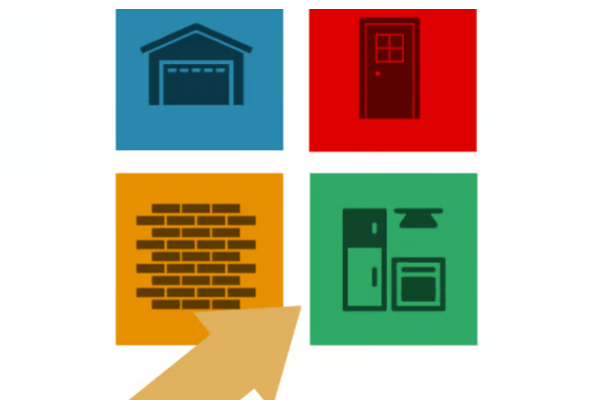
Ask any homeowner about what they would like to change about their home, and most will say, “How much time do you have? Home improvements (cue Tim Allen) or home remodeling projects can stem from a variety of motivations, like preparing your home to put on the market, adding space for a growing family, addressing outdated features or aesthetics, or fixing structural/functional issues with the home. However, when it comes to home remodeling projects, too many people assume their project will proportionally increase the value of their home. Few actually consider the complete scope of return on investment (ROI), taking into account not only potential impact on resale value but also the total costs of time, labor, and materials. Some renovations may provide more “quality of life” ROI by improving comfort and aesthetics without significantly impacting resale value, while others can deliver notable financial returns. Whether you’re looking to upgrade your living space, increase the equity of your home, or trying to make some quick changes to improve your resale price, here are four remodeling projects with the highest ROI and some tips on how to get them done. Top 4 Home Remodeling Projects with the Highest ROI Before diving into specific projects, it’s important to understand how the data supporting these ROI estimates was gathered. This article references findings from the 2024 Cost vs. Value Report conducted by Zonda Media, a reputable research firm in the real estate and construction industries. The report’s ROI figures are based on national averages for both the cost of materials and labor, which means that regional differences may lead to variations in actual returns. 1. Garage Door Replacement Job Cost: $4,513 Resale Value: $8,751 ROI: 193.9% Replacing an old garage door is one of the simplest ways to dramatically boost your home’s curb appeal—and it happens to deliver the highest ROI of any remodeling project. The impact is largely due to the prominent visual space a garage door occupies on a home’s exterior. A sleek, modern garage door can make your entire facade look fresher and more attractive to buyers. Garage doors with the highest ROI include insulated steel doors with modern paneling, custom carriage-style doors, and those featuring windows or decorative hardware. These options not only enhance the home’s exterior aesthetics but also improve functionality and energy efficiency. 2. Steel Entry Door Replacement Job Cost: $2,355 Resale Value: $4,430 ROI: 188.1% Upgrading to a steel entry door is a simple yet impactful change that can drastically improve both the look and energy efficiency of your home. Steel doors cost less than wood ones, giving you a cost effective way to make a big impact on the curb appeal of a home, without sacrificing performance, life span, or durability. Why It Works: Cost-Effective Curb Appeal: Steel doors are less expensive than wood but provide a similar aesthetic boost. This makes them a budget-friendly way to enhance a home’s exterior. Energy Efficiency: Many steel doors come with insulating cores, which can help keep your home comfortable year-round and lower energy bills. Increased Security: Steel doors are harder to break into, providing an added layer of safety that appeals to security-conscious buyers. 3. Manufactured Stone Veneer Job Cost: $11,287 Resale Value: $17,291 ROI: 153.2% Manufactured stone veneer (MSV) is a high-ROI project because it delivers a striking visual upgrade at a relatively moderate cost. MSV is an artificial cladding material designed to mimic the look of natural stone, making it a cost-effective way to add texture and sophistication to your home’s exterior. Why It Works: Strong Visual Impact: Stone veneers add depth and elegance, creating an upscale appearance that can significantly boost curb appeal. Durability and Low Maintenance: Unlike natural stone, MSV is lightweight, easier to install, and resistant to wear and tear. Perceived Value: Even though it’s a faux material, MSV adds an air of luxury and craftsmanship that can make your home more appealing to buyers. Pro Tip: Use manufactured stone veneer to accentuate specific areas, such as around the entryway or along the lower portion of the facade, for maximum visual impact without overspending. 4. Minor Kitchen Remodel (Midrange) Job Cost: $27,492 Resale Value: $26,406 ROI: 96.1% According to Homelight’s “Top Agent Insights End of Year 2024 Report”, “88% of agents say that upgraded kitchens and appliances are one of the best selling points for homes”–a significant increase from the previous year. Read here. The trick to ROI with a kitchen remodel is the budget, and how you decide to balance what to upgrade, the quality of materials, and how much to work within the existing layout. For example, you can make a big impact with less expense if you keep your current cabinet boxes but upgrade the doors and hardware. However, if you strike that balance, you can recoup much of your investment. If you’re looking to sell, an updated kitchen will appeal to buyers, which can also help your home stand out and sell faster. Why It Works: High Buyer Interest: Kitchens are a focal point for most buyers, so even modest improvements can make a significant impact. Affordable Upgrades: By focusing on midrange materials—such as quartz countertops, midrange appliances, and refaced cabinets—you can keep costs manageable while still delivering a fresh look. By keeping the existing layout and avoiding costly structural changes, you can modernize your kitchen while keeping costs down. Key Takeaways for Homeowners 7 out of the 10 best ROI projects all have to do with improvements to the exterior of your home, which makes one thing very clear: Boosting the curb appeal of your home in a cost-effective manner will give you the best ROI if you’re thinking about selling this year. If you look at the current housing market, you can start to see why that is. In the post-pandemic frenzy, buyers had to accept whatever they could find. However, housing inventory has increased over the last couple of years, giving buyers more options. Additionally, due to high-interest rates and affordability issues, the current

4 Home Remodeling Projects with the Highest ROI Read More »

Is Self-Managing Your Rental Property Costing You More Than You Think?

Managing a rental property on your own might seem like a cost-effective way to maximize profits, but have you considered the hidden expenses? While you may save on property management fees, the true costs of self-management can add up in ways you might not expect. From time investment to legal risks, self-managing your rental could be costing you more than you realize. Let’s break down the hidden expenses. 1. Time is Money Self-managing a rental property requires a significant time commitment. You’re responsible for tenant screenings, lease agreements, maintenance, rent collection, and handling disputes. If you’re spending hours each week managing your property, that’s time taken away from other income-generating activities or personal pursuits. A professional property manager can handle these tasks efficiently, allowing you to focus on growing your investments or spending time with loved ones. 2. Tenant Turnover and Vacancy Costs A vacant property is one of the biggest financial drains for landlords. Without professional marketing strategies, it might take longer to find a qualified tenant, leading to lost rental income. Additionally, improper tenant screening can result in frequent turnover, which means more time and money spent on advertising, background checks, and property maintenance between tenants. 3. Maintenance and Repairs Emergency repairs can be costly and stressful to handle on your own. Property managers typically have a network of trusted contractors who provide quality service at competitive rates. Without these connections, you may end up overpaying for repairs or hiring unreliable service providers, leading to further issues down the road. 4. Legal Compliance and Liability Risks Landlords must stay up to date with local, state, and federal landlord-tenant laws. Failing to comply with fair housing regulations, security deposit laws, or eviction procedures can lead to costly lawsuits. Professional property managers have in-depth knowledge of legal requirements and can help ensure compliance, reducing your risk of expensive legal battles. 5. Rent Collection and Evictions Chasing late rent payments and handling evictions can be a time-consuming and stressful process. A property manager has systems in place to ensure consistent rent collection and can handle eviction proceedings efficiently if necessary. Without proper experience, landlords may struggle with enforcing lease terms and navigating the legal eviction process, leading to prolonged revenue loss. 6. Emotional Stress and Burnout Managing a rental property isn’t just a financial commitment—it’s an emotional one too. Dealing with difficult tenants, maintenance emergencies, and financial setbacks can take a toll on your well-being. Professional property managers act as a buffer between you and the daily stresses of rental management, allowing you to enjoy the benefits of property ownership without the headaches. Conclusion: Is It Time to Hire a Property Manager? While self-managing your rental may seem like a cost-saving strategy, the hidden expenses can quickly outweigh the benefits. Time investment, tenant turnover, maintenance costs, legal risks, and emotional stress all contribute to the true cost of managing your property. By hiring a professional property management service, you can maximize your rental income, minimize risks, and enjoy a hassle-free investment experience. Take Action Today If you’re ready to stop letting hidden costs eat into your rental profits, consider partnering with a trusted property management service. At Concierge Property Management Service, we specialize in handling every aspect of rental property management, ensuring you get the most out of your investment with less stress. Contact us today for a free consultation and see how we can help you maximize your rental income while saving you time and effort! 

Is Self-Managing Your Rental Property Costing You More Than You Think? Read More »

Selling Your Home “As Is”: Pros and Cons to Consider

When selling a home, some homeowners choose to list it “as is,” meaning the property is being sold in its current condition, with no repairs or upgrades made before closing. While this can be a convenient option, it also comes with challenges. If you’re considering selling your home “as is,” here’s what you need to know. ✅ Pros of Selling Your Home “As Is” 1. No Costly Repairs One of the biggest advantages of selling a home “as is” is that you don’t have to spend money on repairs or renovations. If your home needs updates but you don’t have the time or resources to handle them, listing it “as is” can save you money and effort. 2. Faster Listing Process Without the need to fix up your home, you can get it on the market quickly. This can be beneficial if you need to sell fast due to financial reasons, relocation, or other personal circumstances. Some investors and house flippers actively look for “as is” homes because they see potential in making improvements themselves. If priced correctly, your home could generate multiple offers from buyers willing to take on the project. ❌ Cons of Selling Your Home “As Is” 1. Lower Sale Price Since buyers will need to factor in repair costs, they will likely make lower offers. If your home has significant issues, expect a reduced selling price compared to homes in better condition. 2. Potentially Longer Sale Timeline While listing your home might be quicker, finding a buyer could take longer. Many buyers prefer move-in-ready homes, so an “as is” property may not appeal to everyone. 3. Financing Challenges for Buyers If your home has major structural or safety issues, it could be difficult for buyers to secure financing. Some lenders have strict requirements, meaning a buyer may need to pay in cash or seek specialized loan options. Conclusion Selling your home “as is” can be a great option if you need a fast sale or want to avoid costly repairs. However, it’s important to weigh the potential drawbacks, such as lower offers and a longer time on the market. If you’re considering this route, pricing your home strategically and marketing it to the right buyers will be key to a successful sale. Ready to Sell? Let’s Talk! If you’re unsure whether selling “as is” is the right choice for you, I can help you weigh your options and develop the best strategy. Contact Us Now!

Selling Your Home “As Is”: Pros and Cons to Consider Read More »

February Real Estate Trends: What You Need to Know This Month

As February unfolds, the real estate market is already heating up. With pre-spring buyers actively searching for homes, steady mortgage rates, and the opportunity to list ahead of the seasonal rush, now is a crucial time for both buyers and sellers. Here’s what you need to know about the current market and how to make the most of this month’s real estate trends. Pre-Spring Buyers Are Already on the Hunt While spring is traditionally the busiest season for real estate, many buyers are getting a head start. Motivated by lower competition and the desire to close before the market gets too hectic, serious buyers are already scheduling showings and making offers. If you’re a seller, this means listing your home now could attract highly motivated buyers who want to move quickly. Mortgage Rates Are Steady – For Now One of the biggest factors influencing the real estate market is mortgage rates. So far, February has seen relatively steady rates, which is good news for both buyers and sellers. Lower and stable rates improve affordability for buyers while giving sellers confidence that their home will remain attractive to a broad pool of house hunters. However, market conditions can change quickly, so staying informed is key. Listing Early Can Help You Beat the Rush With warmer weather on the horizon, more homes will start hitting the market in March and April. By listing in February, you position your property ahead of the spring surge, reducing competition and increasing your chances of securing a strong offer. Homes listed earlier in the season often sell faster and for a higher price compared to those listed in the peak months when competition is fierce. What This Means for You Sellers: If you’ve been considering listing your home, February is a prime time to do so. Take advantage of eager buyers, fewer competing listings, and steady mortgage rates to make a successful sale. Buyers: If you’re in the market for a home, starting your search now means facing less competition and having more negotiating power before demand increases in the spring. Ready to Make Your Move? Whether you’re buying, selling, or just exploring your options, February presents a unique opportunity in the real estate market. Let’s discuss your goals and create a strategy that works for you! Contact Us Now! 

February Real Estate Trends: What You Need to Know This Month Read More »

The Ultimate Moving Timeline: A Step-by-Step Guide for a Stress-Free Move

Moving to a new home is an exciting milestone, but without proper planning, it can become overwhelming. To help make your transition smooth and stress-free, we’ve outlined a strategic moving timeline. Follow this guide to stay organized and in control every step of the way. 8 Weeks Before: Declutter & Donate Unwanted Items Before you start packing, take this time to declutter your home. Moving is the perfect opportunity to get rid of items you no longer need or use. Checklist: ✔ Sort through each room and categorize items into “Keep,” “Donate,” and “Discard” piles. ✔ Sell valuable but unwanted items online or host a garage sale. ✔ Donate gently used clothes, furniture, or kitchenware to local charities. ✔ Schedule a pickup for large donations if needed.✔ Shred unnecessary documents and dispose of expired household products. 6 Weeks Before: Gather Packing Supplies & Book Movers Now that you’ve decluttered, it’s time to gather moving essentials and make necessary arrangements Checklist: ✔ Purchase moving boxes, bubble wrap, tape, and labels. ✔ Research and book a reliable moving company or rental truck. ✔ Measure doorways and hallways in your new home to ensure large furniture fits. ✔ Arrange transportation for pets or special items like pianos and artwork. ✔ Begin notifying schools, employers, and important contacts about your upcoming move. 4 Weeks Before: Start Packing Non-Essentials With just a month left, it’s time to start packing. Begin with items you don’t use daily to make moving day less stressful. Checklist: ✔ Pack seasonal clothing, extra linens, books, and décor items. ✔ Label each box by room and include a brief description of contents. ✔ Use suitcases for heavier items like books to make carrying easier. ✔ Set aside important documents, jewelry, and valuables in a separate bag for safekeeping. ✔ Confirm moving day logistics with movers or helpers. 2 Weeks Before: Transfer Utilities & Update Address Now is the time to handle important administrative tasks before your move. Checklist: ✔ Contact utility companies to schedule service transfers (electricity, water, gas, internet). ✔ Update your address with USPS, banks, insurance providers, and subscription services. ✔ Notify your employer and update payroll/tax information if needed. ✔ Refill prescriptions and transfer medical records if moving to a new area. ✔ Set up mail forwarding to your new home. Moving Day: Do a Final Walkthrough, Lock Up, & Start Fresh! The big day has arrived! Stay calm and focused by following this final checklist. Checklist: ✔ Do a final walkthrough to ensure nothing is left behind. ✔ Check closets, cabinets, the garage, and storage spaces. ✔ Ensure all windows and doors are locked before leaving. ✔ Hand over keys and necessary documents to the new homeowner or landlord. ✔ Unpack essential items first and take your time settling in. Final Thoughts By following this step-by-step guide, your move can be smooth and hassle-free. Proper planning will help you feel prepared, making the transition to your new home an exciting and enjoyable experience!  

The Ultimate Moving Timeline: A Step-by-Step Guide for a Stress-Free Move Read More »

How Property Values in Summerville Are Changing & What It Means for Homeowners

Summerville, South Carolina, has long been a sought-after destination for homeowners and real estate investors alike. Known for its charming historic district, family-friendly atmosphere, and proximity to Charleston, the town has experienced significant growth in recent years. With this expansion, property values have seen noticeable changes, creating both opportunities and challenges for homeowners looking to buy, sell, or invest in the local market. What’s Driving Property Value Changes? Several factors are influencing the rise in Summerville’s property values: Population Growth & Demand – As more people move to Summerville seeking affordability and a high quality of life, demand for homes continues to increase. This demand puts upward pressure on home prices. Proximity to Charleston – Summerville’s convenient location just 25 miles from downtown Charleston makes it an attractive option for those who work in the city but prefer suburban living. The increasing appeal of Charleston as a whole has a direct impact on surrounding areas, driving property values up. New Developments & Infrastructure Improvements – With new housing communities, shopping centers, and road expansions, Summerville has become an even more desirable place to live. These improvements enhance property values by making the area more accessible and convenient. Strong Job Market & Economic Growth – The Charleston metro area continues to see economic growth, bringing job opportunities in industries such as aerospace, tech, and manufacturing. As employment opportunities increase, so does the demand for housing. Limited Housing Inventory – A shortage of available homes on the market has contributed to rising prices, as buyers compete for a limited supply of properties. What This Means for Homeowners If you currently own property in Summerville, the rising property values may work in your favor. Here’s what it means for different types of homeowners: For Sellers: This could be an ideal time to list your home, as increased demand may allow you to sell at a higher price and potentially receive multiple offers. However, pricing your home strategically is crucial to attracting the right buyers. For Buyers: While prices are rising, Summerville still offers more affordability compared to Charleston. Acting sooner rather than later may help buyers lock in a home before prices climb further. For Investors: Rental demand is strong in Summerville, making it an appealing option for real estate investors looking to capitalize on property appreciation and rental income. Future Market Predictions Experts predict that Summerville’s real estate market will continue its upward trajectory, but at a slightly more moderate pace compared to the rapid growth seen in recent years. Interest rates, economic shifts, and housing supply levels will play a key role in determining future property values. Homeowners who stay informed and work with real estate professionals can maximize their investments and make informed decisions. Conclusion: Should You Act Now? If you’re thinking about buying, selling, or investing in Summerville, now is the time to assess your options. Rising property values indicate strong market conditions, but waiting too long could mean missing out on potential gains. Whether you’re ready to list your home or looking for the perfect property, having expert guidance can make all the difference. Let us help you navigate Summerville’s changing real estate market with confidence! Contact us now!   

How Property Values in Summerville Are Changing & What It Means for Homeowners Read More »

Why Everyone is Moving to the Lowcountry: What Makes It So Special?

The Lowcountry has become one of the most desirable places to live, attracting newcomers from all over the country. But what is it about this region that makes people pack up and move here? From its breathtaking coastal views to its rich history and welcoming community, the Lowcountry offers an unparalleled lifestyle. Here’s why so many are calling it home. 1. Stunning Natural Beauty The Lowcountry is known for its picturesque landscapes—moss-draped oak trees, serene marshlands, and pristine beaches that create a dreamlike setting. Whether you’re looking for a peaceful escape or an active outdoor lifestyle, the region’s scenic beauty provides the perfect backdrop for both. 2. Coastal Living & Outdoor Adventures Living near the water has its perks! With easy access to beaches, rivers, and nature trails, residents can enjoy fishing, boating, kayaking, and paddleboarding year-round. Popular spots like Sullivan’s Island, Folly Beach, and Shem Creek offer stunning coastal experiences just minutes from home. 3. Rich History & Culture The Lowcountry is steeped in history, dating back to the 1600s. Historic Charleston, with its cobblestone streets, grand mansions, and well-preserved landmarks, offers a glimpse into the past. The region’s Gullah culture and traditions add to its unique charm, making it a fascinating place to live and explore. 4. A Thriving Food Scene Food lovers rejoice! The Lowcountry is famous for its incredible cuisine, especially fresh seafood and Southern comfort dishes. From world-class restaurants in downtown Charleston to hidden gems serving shrimp and grits, there’s no shortage of mouthwatering options. 5. Warm Community & Southern Hospitality One of the biggest draws of the Lowcountry is its welcoming atmosphere. The region’s strong sense of community and genuine Southern hospitality make it easy for newcomers to feel right at home. Whether you’re enjoying a local event or chatting with neighbors on the front porch, there’s a friendliness that sets the Lowcountry apart. 6. Strong Real Estate Market With its growing popularity, the Lowcountry’s real estate market continues to thrive. From historic homes in Charleston to waterfront properties and charming suburban neighborhoods, there are plenty of options for buyers looking for their dream home. 7. Mild Climate Year-Round Tired of harsh winters? The Lowcountry’s mild climate allows for outdoor activities all year. While summers can be warm, the coastal breeze keeps temperatures comfortable, making it an ideal place for those who love sunshine and fresh air. Conclusion The Lowcountry isn’t just a place to live—it’s a lifestyle. From its breathtaking scenery to its rich history and vibrant community, it’s no surprise that more and more people are choosing to call this region home. Whether you’re looking for a fresh start, a vacation home, or an investment opportunity, the Lowcountry has something to offer everyone. Ready to Make the Move? Let us help you find your dream home in the Lowcountry! Contact Lowcountry Charmed today for expert real estate advice and local insights.📞 Call Now:  843-790-4522   |  📧 Email Us: info@lowcountrycharmed.com📩 Stay Connected & Informed Follow us on social media for daily updates, home inspiration, and real estate tips.   

Why Everyone is Moving to the Lowcountry: What Makes It So Special? Read More »

How Property Values in Summerville Are Changing & What It Means for Homeowners

Summerville, South Carolina, has long been a sought-after destination for homeowners and real estate investors alike. Known for its charming historic district, family-friendly atmosphere, and proximity to Charleston, the town has experienced significant growth in recent years. With this expansion, property values have seen noticeable changes, creating both opportunities and challenges for homeowners looking to buy, sell, or invest in the local market. What’s Driving Property Value Changes? Several factors are influencing the rise in Summerville’s property values: Population Growth & Demand – As more people move to Summerville seeking affordability and a high quality of life, demand for homes continues to increase. This demand puts upward pressure on home prices. Proximity to Charleston – Summerville’s convenient location just 25 miles from downtown Charleston makes it an attractive option for those who work in the city but prefer suburban living. The increasing appeal of Charleston as a whole has a direct impact on surrounding areas, driving property values up. New Developments & Infrastructure Improvements – With new housing communities, shopping centers, and road expansions, Summerville has become an even more desirable place to live. These improvements enhance property values by making the area more accessible and convenient. Strong Job Market & Economic Growth – The Charleston metro area continues to see economic growth, bringing job opportunities in industries such as aerospace, tech, and manufacturing. As employment opportunities increase, so does the demand for housing. Limited Housing Inventory – A shortage of available homes on the market has contributed to rising prices, as buyers compete for a limited supply of properties. What This Means for Homeowners If you currently own property in Summerville, the rising property values may work in your favor. Here’s what it means for different types of homeowners: For Sellers: This could be an ideal time to list your home, as increased demand may allow you to sell at a higher price and potentially receive multiple offers. However, pricing your home strategically is crucial to attracting the right buyers. For Buyers: While prices are rising, Summerville still offers more affordability compared to Charleston. Acting sooner rather than later may help buyers lock in a home before prices climb further. For Investors: Rental demand is strong in Summerville, making it an appealing option for real estate investors looking to capitalize on property appreciation and rental income. Future Market Predictions Experts predict that Summerville’s real estate market will continue its upward trajectory, but at a slightly more moderate pace compared to the rapid growth seen in recent years. Interest rates, economic shifts, and housing supply levels will play a key role in determining future property values. Homeowners who stay informed and work with real estate professionals can maximize their investments and make informed decisions. Conclusion: Should You Act Now? If you’re thinking about buying, selling, or investing in Summerville, now is the time to assess your options. Rising property values indicate strong market conditions, but waiting too long could mean missing out on potential gains. Whether you’re ready to list your home or looking for the perfect property, having expert guidance can make all the difference. Let us help you navigate Summerville’s changing real estate market with confidence! Contact us now!   

How Property Values in Summerville Are Changing & What It Means for Homeowners Read More »

blog9

Tax Preparation for Real Estate Buyers, Sellers and Investors: What You Need to Know

When buying or selling real estate, taxes are an inevitable part of the process. Whether you are purchasing your first home or selling an investment property, understanding the tax implications can save you money and prevent surprises come tax time. Proper tax preparation is crucial to ensuring that you maximize potential benefits, avoid mistakes, and stay compliant with the IRS. In this blog post, we will explore the key tax considerations for both real estate buyers and sellers and provide tips on how to prepare for tax season effectively. Why Tax Preparation is Important for Real Estate Buyers and Sellers   Real estate transactions are significant financial events, and the taxes associated with buying or selling a property can be complex. For buyers, taxes typically relate to property taxes, mortgage interest deductions, and the potential for tax credits. For sellers, taxes are often associated with capital gains, closing costs, and the potential for deductions like home improvements. Getting your tax preparation right helps ensure that you are: Minimizing Tax Liability: Knowing which deductions and credits you can claim can reduce the amount of taxes you owe. Avoiding Tax Mistakes: Real estate transactions often involve significant sums of money, and any errors can lead to costly penalties or missed opportunities for savings. Complying with IRS Rules: Misreporting income or failing to follow IRS rules can lead to audits and fines. Tax Considerations for Real Estate Buyers   1. Mortgage Interest Deduction If you are purchasing a home and taking out a mortgage, you may be able to deduct the interest paid on the loan. This is one of the most common tax benefits for homeowners. The deduction applies to interest on loans up to $750,000 (or $1 million if the loan was taken before December 15, 2017). For first-time buyers and those who have a mortgage, this can provide significant savings during tax season. 2. Property Tax Deduction Property taxes are generally deductible on your federal income tax return, but the total amount of property taxes you can deduct is limited by the SALT (State and Local Tax) deduction cap of $10,000 ($5,000 if married and filing separately). While the SALT deduction limit has restricted property tax deductions for some homeowners, it’s still important to track what you’ve paid for property taxes. 3. First-Time Homebuyer Credits Some states and local governments offer first-time homebuyer credits, which can directly reduce the amount of taxes you owe. These credits vary by location, so it’s crucial to research local tax programs or consult a tax professional to find out if you qualify. 4. Homebuyer Credits for Energy-Efficient Improvements If you purchase a home and make energy-efficient improvements (e.g., installing solar panels, energy-efficient windows, or upgrading insulation), you might qualify for a tax credit. These credits vary by year and location, but the federal government often provides incentives for homeowners who make eco-friendly upgrades. Tax Considerations for Real Estate Sellers   1. Capital Gains Tax on the Sale of a Home One of the biggest tax considerations for home sellers is the capital gains tax on the sale of their property. The IRS allows for a capital gains exclusion of up to $250,000 ($500,000 for married couples filing jointly) on the sale of a primary residence. To qualify for this exclusion, you must meet the following conditions: Ownership Test: You must have owned the home for at least two years. Use Test: You must have lived in the home for at least two of the last five years. If you sell your home and make a profit that exceeds the $250,000 (or $500,000) exclusion, the gain is subject to capital gains tax. The rate of taxation depends on how long you owned the property and your income level. If you held the property for more than a year, your gain will be taxed at long-term capital gains rates (usually between 0% and 20%, depending on your income). 2. Selling Investment Property If you are selling an investment property (a property that was not your primary residence), the tax implications are different. The profit from the sale is typically subject to both capital gains tax and the potential for depreciation recapture tax. Depreciation recapture means that you may owe taxes on any depreciation deductions you claimed during the ownership period of the property. It’s important to understand how depreciation and recapture tax apply to your investment property to avoid surprises when you sell. 3. 1031 Exchange: Deferring Capital Gains Taxes For real estate investors, one of the most valuable tax strategies is the 1031 exchange. This allows you to defer paying capital gains taxes on an investment property if you reinvest the proceeds into another like-kind property. The 1031 exchange can help you grow your real estate portfolio while avoiding immediate tax liabilities. However, there are specific rules and timelines that must be followed, such as identifying a replacement property within 45 days and closing within 180 days, and using a qualified intermediary to facilitate the transactions. 4. Home Improvement Deductions For sellers, any significant home improvements that were made before selling the property may qualify for deductions. These deductions can increase your adjusted cost basis, which reduces your taxable capital gain. Some of the improvements that can increase your cost basis include: • Renovations (e.g., kitchen or bathroom upgrades) • New roofing or siding • Additions like an extra room or deck • Landscaping or major landscaping upgrades • Be sure to keep records of all improvements made, as these can be deducted from the sale price to reduce taxable gain if applicable. How to Prepare for Tax Season When Buying or Selling Real Estate   1. Keep Detailed Records Whether you’re buying or selling a property, keep all related financial documents. These documents include: • Closing documents (HUD-1 or closing disclosure) • Mortgage statements and interest paid • Property tax records • Home improvement receipts and invoices • Proof of first-time homebuyer status (if applicable) 2. Consult a Tax Professional Real estate transactions

Tax Preparation for Real Estate Buyers, Sellers and Investors: What You Need to Know Read More »

How to Make Your Home Smell Amazing for Showings

First impressions matter, and when it comes to selling your home, scent plays a crucial role. A fresh, inviting aroma can make buyers feel comfortable and connected to the space. On the other hand, unpleasant odors can turn them away before they’ve even explored the home. Here’s how to make your home smell amazing and leave a lasting impression on potential buyers. 1. Start with a Deep Clean Before adding any pleasant scents, it’s essential to eliminate existing odors. Deep cleaning carpets, upholstery, and curtains can remove trapped smells. Wipe down surfaces, take out the trash, and ensure pet areas are fresh and clean. Don’t forget to clean the fridge, garbage disposal, and laundry area, as these are common sources of hidden odors. 2. Let in Fresh Air A well-ventilated home naturally smells better. Open windows and doors before a showing to let in fresh air and remove any lingering stuffiness. Using fans or air purifiers can also help circulate air and eliminate stale smells. 3. Use Natural Scents Strong artificial fragrances can be overwhelming and off-putting. Instead, opt for natural ways to enhance your home’s scent: Citrus Peels & Herbs: Simmer lemon, orange peels, and fresh herbs like rosemary or lavender on the stove for a light, refreshing aroma. Baking Soda & Essential Oils: Sprinkle baking soda on carpets before vacuuming and use essential oils in a diffuser for a subtle, clean scent. Coffee Beans: Placing a bowl of coffee beans in the kitchen can create a warm, inviting smell that many buyers love. 4. Bake Something Simple The classic trick of baking cookies before a showing still works! The smell of vanilla, cinnamon, or fresh bread can make your home feel cozy and welcoming. If you don’t have time to bake, warm vanilla extract in the oven at a low temperature for a similar effect. 5. Choose the Right Candles or Air Fresheners If using candles or air fresheners, opt for light, neutral scents such as linen, vanilla, or lavender. Avoid overpowering or polarizing scents like heavy florals or musk, as these can be divisive. 6. Keep Pets in Check While you may love your furry friends, potential buyers might be sensitive to pet odors. Regularly wash pet bedding, vacuum pet hair, and use enzyme-based sprays to neutralize any lingering smells. If possible, relocate pets during showings. 7. Add Fresh Flowers Placing fresh flowers in key areas like the entryway, dining table, or living room not only enhances visual appeal but also adds a light, natural fragrance to the home.   Final Thoughts Creating a fresh and pleasant-smelling home doesn’t require heavy perfumes or expensive products. A combination of cleanliness, fresh air, and natural scents will help buyers feel at home the moment they walk through the door. Get Ready to Sell! A great-smelling home is just one step toward a successful sale. Need expert guidance to prepare your home for showings? Contact Lowcountry Charmed today!    

How to Make Your Home Smell Amazing for Showings Read More »