
Uncategorized

Lowcountry Charmed | 2025 Year-End Real Estate Market Update: Neighborhood & City

As we close out 2025, the Lowcountry real estate market showed continued strength, with steady sales activity across the Charleston Trident MLS and distinct opportunities depending on location and price point. Whether you’re planning to buy, sell, or simply watching the market, understanding how each area performed can help you make confident decisions in 2026. Overall Market Snapshot Total Closed Sales (Entire MLS – YTD 2025): 17,773Source: Charleston Trident Association of REALTORS® | Market Monitor This level of activity reflects a stable market with ongoing demand, particularly in lifestyle-driven and suburban growth areas. Market Highlights by Area Summerville Closed Sales (YTD 2025): 5,164 Why it matters: For sellers: High sales volume underscores sustained demand, particularly for newer construction and planned communities. Proper pricing and presentation remain key. For buyers: While prices have increased, Summerville continues to offer attractive options for buyers seeking newer homes, community amenities, and long-term value. Mount Pleasant Closed Sales (YTD 2025): 1,860 Why it matters: For sellers: High transaction volume signals continued buyer demand. Well-maintained, correctly priced homes remain competitive, especially in established neighborhoods and near top schools. For buyers: Inventory moves quickly, but opportunities still exist with strategic timing and strong offer preparation. Isle of Palms Closed Sales (YTD 2025): 217 Why it matters: For sellers: Buyer interest remains strong for coastal properties, particularly those with rental history or second-home appeal. Presentation and pricing strategy are critical. For buyers: Beachfront and near-beach homes continue to be long-term lifestyle and investment plays. Understanding zoning and rental regulations is an important part of the process. Daniel Island Closed Sales (YTD 2025): 78 Why it matters: For sellers: Limited inventory keeps demand concentrated. Homes with updated interiors, outdoor living space, or walkable proximity to amenities stand out. For buyers: Fewer listings mean patience is key. When the right property appears, being pre-approved and ready to act is essential. Looking Ahead to 2026 As we move into the new year: Demand remains strongest in areas offering lifestyle, convenience, and value Buyers benefit from careful market analysis and local insight Sellers who price strategically and prepare their homes properly continue to see positive results Real estate in the Lowcountry is never one-size-fits-all — success comes from understanding each neighborhood’s unique rhythm. If buying or selling is on your radar for 2026, Lowcountry Charmed is here to guide you every step of the way with local expertise and personalized strategy. Click Here to Schedule Your FREE Market Review (843) 790-4522 info@lowcountrycharmed.com www.lowcountrycharmed.com

Lowcountry Charmed | 2025 Year-End Real Estate Market Update: Neighborhood & City Read More »

Earnest Money vs Due Diligence In South Carolina

Ever wondered why some offers in Charleston include both an earnest money deposit and a due diligence fee? If you mix them up, it can cost you thousands. Whether you are buying on Daniel Island, selling in Mount Pleasant, or eyeing an investment on the peninsula, you deserve simple, clear guidance. In this post, you will learn what each payment is, how refundability works, typical amounts in our market, and smart ways to negotiate your timelines and risk. Let’s dive in. Quick Definitions you can trust Earnest money is a buyer deposit that shows good faith to close. It is held in escrow and, if the sale closes, it is applied to your purchase price. If you terminate under the contract’s allowed reasons, it can be refundable.  Due diligence fee is a negotiated fee paid to the seller for your unrestricted right to terminate during a set due diligence period. It typically is non-refundable if you back out during that window. If you close, it is usually credited toward your purchase price. Earnest money vs due diligence: key differences Purpose Earnest money: Signals you are serious and performing under the contract. It protects both sides if used correctly. Due diligence fee: Compensates the seller for taking the home off the market while you investigate the property. When you pay Earnest money: Usually within a few days after the contract is signed, as the contract instructs. Due diligence fee: Often at contract signing or very soon after, based on the negotiated terms. Who holds it Earnest money: An escrow holder named in the contract, such as a closing attorney, title company, or brokerage trust account. Due diligence fee: Paid to the seller directly or delivered into escrow then released to the seller per the contract. Refundability at a glance Earnest money: Refundable if you properly terminate under the contract’s protections. If you default after protections expire, the seller may keep it as liquidated damages. Due diligence fee: Generally not refundable if you terminate during the due diligence period. If you close, it is typically credited toward the price. Typical amounts in Charleston Local custom varies by property type, price, and competition, but these ranges are common around Charleston: Earnest money: Often 1 percent of the purchase price, with many transactions falling between 1,000 and 10,000 dollars. Due diligence fee: Frequently 500 to 10,000 dollars, and sometimes more in hot, low-inventory situations. Charleston can be competitive. Sellers may push for shorter due diligence periods, higher due diligence fees, or fewer contingencies. As a buyer, that can help your offer stand out, but it also raises your risk if you change your mind. 2. How the South Carolina timeline works A standard process in our market looks like this. Your contract will control the exact terms. Day 0: Contract is signed. You deliver the due diligence fee to the seller or escrow and send earnest money to the escrow agent within the time stated in the contract, often 1 to 3 business days. Due diligence period: Commonly 7, 10, or 14 calendar days, negotiated up front. You complete inspections, appraisal, loan steps, title review, and any HOA or condo document review. You can terminate for any lawful reason during this period by proper notice. If you do, you typically forfeit the due diligence fee and get earnest money back. After due diligence ends: You are bound to proceed unless another contingency applies. If you default after your protections expire, the seller may keep the earnest money. The seller already holds the due diligence fee. Closing: If the sale closes, both the due diligence fee and earnest money are usually credited toward your purchase price per the contract. What happens in common scenarios Example A: Terminate during due diligence Purchase price: 500,000 dollars Earnest money: 5,000 dollars Due diligence fee: 3,000 dollars Outcome: You terminate during the due diligence window. You forfeit the 3,000 dollars to the seller. The 5,000 dollars earnest money is returned to you. Example B: Proceed to closing Same numbers as above Outcome: You close. The 3,000 dollars due diligence fee and the 5,000 dollars earnest money are both credited at closing, reducing the cash you bring by 8,000 dollars. Example C: Back out after due diligence ends without a right to do so Outcome: You likely lose the earnest money, and the seller already kept the due diligence fee. You effectively paid both amounts. Smart negotiation tips for buyers Balance time and risk: A longer due diligence period gives you time for inspections and loan steps, but sellers prefer shorter windows. If you need more time, negotiate it up front. Coordinate lending: Work with your lender so financing milestones line up with your due diligence deadline. Avoid letting your protections end before you are ready. Book inspections fast: Schedule inspectors immediately after ratification to make the most of your due diligence days. Know your exposure: Offer only a due diligence fee amount you can afford to lose if you decide to walk away. Lock in escrow details: Confirm in writing who holds the earnest money and how funds are credited. Strategic tips for sellers Push for certainty: A higher due diligence fee and a shorter due diligence period can reduce your time off market and buyer uncertainty. Verify handling: Confirm where earnest money and due diligence funds will be held and how they will be disbursed at termination or closing. Require clear notices: Ensure the contract specifies how and when a buyer must give written notice to terminate. Charleston due diligence priorities Use your due diligence time wisely. In Charleston, a few items often deserve early attention. Inspections for age and coastal wear: Older or historic homes may reveal roofing, HVAC, moisture, flood, and coastal construction considerations. Flood zones and insurance: Review elevation certificates, flood zone status, and insurance availability and cost. These items can affect your overall budget and comfort level. HOA and condo documents: For properties in associations, review budgets, policies, and resale documents to understand fees,

Earnest Money vs Due Diligence In South Carolina Read More »

Hidden Gems in Summerville, SC

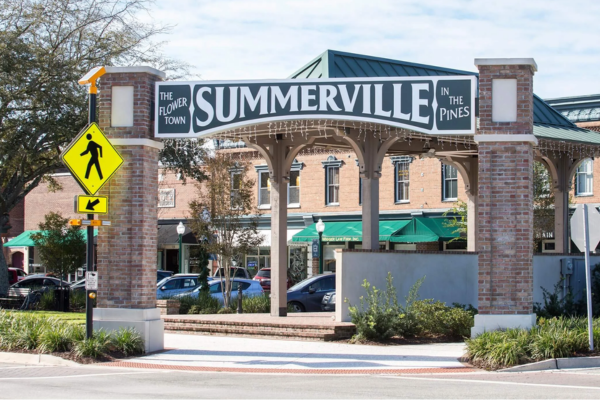
Summerville, South Carolina, is a charming town that offers a wide range of activities and attractions for visitors and residents. Known for its historic charm and Southern hospitality, Summerville is a place where one can enjoy both cultural experiences and natural beauty. Whether you’re a history enthusiast, a food lover, or someone who enjoys the great outdoors, Summerville has something to offer. Explore the town’s rich history, indulge in delicious cuisine, and immerse yourself in the local culture with these exciting activities. Culinary Delights   The Azalea Bar & Garden For those looking to unwind with a sophisticated drink in a unique setting, The Azalea Bar & Garden is an ideal destination. Located at 219 South Cedar Street in the heart of Downtown Summerville, this venue offers a refined blend of craft cocktails, specially curated wines, and local craft beers. The menu features Southern favorites, making it a great spot for both locals and visitors. The Azalea Bar & Garden is open from Tuesday to Saturday, 4:00 PM to 10:00 PM, and hosts events like bourbon tastings in its inviting urban garden setting. Vicious Biscuit If breakfast or brunch is more your style, head over to Vicious Biscuit. Known for its creative and flavorful take on traditional biscuits, this restaurant offers a unique dining experience that combines classic Southern comfort food with modern twists. Menu highlights include their signature shrimp and grits, providing a hearty start to your day. The casual atmosphere makes it a popular spot for both locals and visitors. Laura | Rustic Italian Eatery For a taste of Italy in Summerville, Laura | Rustic Italian Eatery is a must-visit. Founded by Chef Nico Romo, this charming restaurant brings authentic Italian home-cooked meals to the local community. Known for its homemade pastas, sauces, and pizzas, Laura offers a genuine Italian dining experience. The warm and inviting atmosphere is perfect for casual gatherings or special occasions, and the restaurant also features a happy hour with enticing drink deals and a wide wine selection. Historical Exploration Colonial   Dorchester State Historic Site History enthusiasts will appreciate a visit to the Colonial Dorchester State Historic Site. This significant historical park protects the remains of a colonial village along the Ashley River, first settled in 1697. Visitors can explore well-preserved archaeological remains, including a tabby fort, the towering brick bell tower of St. George’s Anglican Church, and remnants of an 18th-century wharf. The park covers 325 acres and offers educational and recreational opportunities for all. Middleton Place Although located just outside Summerville, Middleton Place is a National Historic Landmark worth the short drive. Renowned for being the home of America’s oldest landscaped gardens, this historic site offers a profound glimpse into the United States’ complex history. Visitors can explore stunning gardens, the House Museum, and stableyards with heritage breed livestock. Middleton Place provides an engaging experience of American history through daily tours and special events.   Outdoor Adventures   Azalea Park Azalea Park is a beautiful oasis in the heart of Summerville, offering a perfect spot for outdoor relaxation and recreation. The park features picturesque walking trails, vibrant azalea blooms, and a peaceful pond. It’s an ideal place for a leisurely stroll, a picnic, or simply enjoying the natural beauty of the area. The park also hosts various events throughout the year, making it a lively hub for community gatherings. Summerville Farmers Market For those who enjoy fresh produce and local goods, the Summerville Farmers Market is a delightful destination. Held on Saturdays, the market offers a wide range of locally grown fruits and vegetables, handmade crafts, and artisanal products. It’s a great place to support local vendors and enjoy the vibrant atmosphere of the Summerville community. Sawmill Branch Trail Outdoor enthusiasts will appreciate the Sawmill Branch Trail, a scenic path that winds through Summerville. This multi-use trail is perfect for walking, jogging, or cycling, offering a peaceful escape into nature. The trail is well-maintained and provides a serene setting for exercise and relaxation. Summerville, SC, is a town that offers a rich tapestry of experiences for visitors and residents alike. From its culinary delights and historical sites to its outdoor adventures, there’s something for everyone to enjoy. Whether you’re exploring the town’s history, indulging in delicious food, or immersing yourself in nature, Summerville provides a welcoming and vibrant atmosphere that captures the essence of Southern charm. Discover the Charm of Summerville Summerville, SC, truly offers a delightful mix of history, culture, and natural beauty. Whether you’re savoring a meal at a local eatery, exploring historical landmarks, or enjoying the great outdoors, there’s always something new to discover. For those considering making Summerville their home, Lowcountry Charmed LLC is here to help you find the perfect place to settle in. Contact Lowcountry Charmed LLC to start your journey in this charming Southern town.

Hidden Gems in Summerville, SC Read More »

Outdoor Adventures: Hiking, Kayaking, and Beach Days in the Lowcountry

When buying or selling real estate, taxes are an inevitable part of the process. Whether you are purchasing your first home or selling an investment property, understanding the tax implications can save you money and prevent surprises come tax time. Proper tax preparation is crucial to ensuring that you maximize potential benefits, avoid mistakes, and stay compliant with the IRS. In this blog post, we will explore the key tax considerations for both real estate buyers and sellers and provide tips on how to prepare for tax season effectively. Why Tax Preparation is Important for Real Estate Buyers and Sellers   Real estate transactions are significant financial events, and the taxes associated with buying or selling a property can be complex. For buyers, taxes typically relate to property taxes, mortgage interest deductions, and the potential for tax credits. For sellers, taxes are often associated with capital gains, closing costs, and the potential for deductions like home improvements. Getting your tax preparation right helps ensure that you are: Minimizing Tax Liability: Knowing which deductions and credits you can claim can reduce the amount of taxes you owe. Avoiding Tax Mistakes: Real estate transactions often involve significant sums of money, and any errors can lead to costly penalties or missed opportunities for savings. Complying with IRS Rules: Misreporting income or failing to follow IRS rules can lead to audits and fines. Tax Considerations for Real Estate Buyers   1. Mortgage Interest Deduction If you are purchasing a home and taking out a mortgage, you may be able to deduct the interest paid on the loan. This is one of the most common tax benefits for homeowners. The deduction applies to interest on loans up to $750,000 (or $1 million if the loan was taken before December 15, 2017). For first-time buyers and those who have a mortgage, this can provide significant savings during tax season. 2. Property Tax Deduction Property taxes are generally deductible on your federal income tax return, but the total amount of property taxes you can deduct is limited by the SALT (State and Local Tax) deduction cap of $10,000 ($5,000 if married and filing separately). While the SALT deduction limit has restricted property tax deductions for some homeowners, it’s still important to track what you’ve paid for property taxes. 3. First-Time Homebuyer Credits Some states and local governments offer first-time homebuyer credits, which can directly reduce the amount of taxes you owe. These credits vary by location, so it’s crucial to research local tax programs or consult a tax professional to find out if you qualify. 4. Homebuyer Credits for Energy-Efficient Improvements If you purchase a home and make energy-efficient improvements (e.g., installing solar panels, energy-efficient windows, or upgrading insulation), you might qualify for a tax credit. These credits vary by year and location, but the federal government often provides incentives for homeowners who make eco-friendly upgrades. Tax Considerations for Real Estate Sellers   1. Capital Gains Tax on the Sale of a Home One of the biggest tax considerations for home sellers is the capital gains tax on the sale of their property. The IRS allows for a capital gains exclusion of up to $250,000 ($500,000 for married couples filing jointly) on the sale of a primary residence. To qualify for this exclusion, you must meet the following conditions: Ownership Test: You must have owned the home for at least two years. Use Test: You must have lived in the home for at least two of the last five years. If you sell your home and make a profit that exceeds the $250,000 (or $500,000) exclusion, the gain is subject to capital gains tax. The rate of taxation depends on how long you owned the property and your income level. If you held the property for more than a year, your gain will be taxed at long-term capital gains rates (usually between 0% and 20%, depending on your income). 2. Selling Investment Property If you are selling an investment property (a property that was not your primary residence), the tax implications are different. The profit from the sale is typically subject to both capital gains tax and the potential for depreciation recapture tax. Depreciation recapture means that you may owe taxes on any depreciation deductions you claimed during the ownership period of the property. It’s important to understand how depreciation and recapture tax apply to your investment property to avoid surprises when you sell. 3. 1031 Exchange: Deferring Capital Gains Taxes For real estate investors, one of the most valuable tax strategies is the 1031 exchange. This allows you to defer paying capital gains taxes on an investment property if you reinvest the proceeds into another like-kind property. The 1031 exchange can help you grow your real estate portfolio while avoiding immediate tax liabilities. However, there are specific rules and timelines that must be followed, such as identifying a replacement property within 45 days and closing within 180 days, and using a qualified intermediary to facilitate the transactions. 4. Home Improvement Deductions For sellers, any significant home improvements that were made before selling the property may qualify for deductions. These deductions can increase your adjusted cost basis, which reduces your taxable capital gain. Some of the improvements that can increase your cost basis include: • Renovations (e.g., kitchen or bathroom upgrades) • New roofing or siding • Additions like an extra room or deck • Landscaping or major landscaping upgrades • Be sure to keep records of all improvements made, as these can be deducted from the sale price to reduce taxable gain if applicable. How to Prepare for Tax Season When Buying or Selling Real Estate   1. Keep Detailed Records Whether you’re buying or selling a property, keep all related financial documents. These documents include: • Closing documents (HUD-1 or closing disclosure) • Mortgage statements and interest paid • Property tax records • Home improvement receipts and invoices • Proof of first-time homebuyer status (if applicable) 2. Consult a Tax Professional Real estate transactions

Outdoor Adventures: Hiking, Kayaking, and Beach Days in the Lowcountry Read More »

The Advantages of Living in Charleston’s Suburbs

Discover the Charm, Space, and Serenity Just Beyond the City Limits Charleston, South Carolina, is well-loved for its rich history, cobblestone streets, and vibrant downtown—but just beyond the city center lies a hidden gem: Charleston’s suburbs. These surrounding communities offer a perfect blend of Southern charm, natural beauty, and modern convenience, making them ideal for families, professionals, and retirees alike. If you’re considering a move to the Lowcountry, here’s why Charleston’s suburbs might be the perfect place to call home. 1. More Space, More Value One of the biggest perks of suburban living is space—and Charleston’s suburbs deliver. Homes tend to have larger lots, more square footage, and outdoor space for gardens, play areas, or entertaining. Compared to the higher prices and limited space of downtown, suburban properties offer more bang for your buck. Whether you’re seeking a spacious family home or a peaceful retreat with a backyard, the suburbs offer room to breathe. 2. Family-Friendly Communities Suburban Charleston is known for its safe neighborhoods, good schools, and tight-knit communities. Towns like Mount Pleasant, West Ashley, James Island, and Summerville are popular choices for families thanks to their strong school systems, plentiful parks, and family-oriented events. With quiet streets, bike paths, and local playgrounds, kids can enjoy a safe and active lifestyle. 3. Accss to Nature and Outdoor Living Living in Charleston’s suburbs means you’re never far from the beauty of the Lowcountry. Many suburban communities are close to rivers, marshes, and beaches, offering endless opportunities for kayaking, fishing, paddleboarding, or just enjoying a sunset walk. Suburbs like Johns Island and Daniel Island combine upscale living with a deep connection to nature, making outdoor adventures a part of daily life. 4. Convenient Commutes & Growing Amenities Charleston’s suburban growth has led to improved infrastructure and easy access to the city. Many areas are within a 20–30 minute drive to downtown, and new highways, bridges, and public transport options make commuting more manageable. Plus, suburban hubs now offer everything from shopping centers and medical facilities to restaurants, breweries, and boutique gyms—no need to head into the city for every errand or night out. 5. Diverse Lifestyle Options From the historic charm of Summerville to the waterfront elegance of Mount Pleasant, Charleston’s suburbs cater to a range of lifestyles. Want to live on a golf course, own land for horses, or enjoy a walkable village vibe? You can find it here. The variety of neighborhoods means you can choose a suburb that fits your pace—whether it’s relaxed and rural or active and upscale. 6. Lower Cost of Living While Charleston itself has become a hot real estate market, many suburban areas offer more affordable housing options. Lower property taxes, reduced utility costs, and fewer fees for parking or city services can add up to big savings. For those looking to stretch their housing budget without compromising on quality of life, the suburbs offer a smart financial choice. Final Thoughts: Suburban Life with Southern Charm Living in Charleston’s suburbs gives you the best of both worlds—peaceful, spacious living with close proximity to the vibrant culture and charm of downtown. Whether you’re starting a family, looking for more space, or simply craving a slower pace, the suburbs surrounding Charleston have something for everyone. If you’re ready to explore your options, reach out to a local real estate expert who can help match your lifestyle with the perfect suburban neighborhood. Your dream home in the Lowcountry might be just a short drive from the city.  

The Advantages of Living in Charleston’s Suburbs Read More »

Common Questions & Answers About Selling Your Home

Q1: When is the best time to sell my home? A: Typically, spring and early summer are the most active seasons in real estate, with more buyers in the market and better curb appeal. However, homes can sell well year-round depending on market conditions and local demand. Buyers looking in Fall and Winter are usually more motivated as they need to find a home! Q2: How do I determine my home’s value? A: A licensed real estate professional can provide a Comparative Market Analysis (CMA), which compares your home to similar properties recently sold in your area. Online estimates are helpful starting points, but a personalized CMA is much more accurate. Q3: Should I make repairs before listing? A: Yes—minor repairs like fixing leaks, replacing broken fixtures, and fresh paint can greatly improve your home’s appeal. A pre-listing inspection can help identify any issues that may arise during the buyer’s inspection. Q4: How much does it cost to sell a home? A: Common costs include: Repairs and staging Possible home warranty for the buyer Moving expenses Q5: Do I need to stage my home? A: While not required, staging helps buyers visualize themselves in your space. Professionally staged homes often sell faster and for a higher price. Even simple decluttering and rearranging furniture can make a big difference. Q6: How long will it take to sell my house? A: It depends on the market, pricing, and condition of your home. On average, homes take 30–90 days to sell, but well-priced and well-prepared homes can go under contract much faster. Real Estate is very local. Lowcountry Charmed can provide you with a Days on Market Analysis for your home location. Q7: Can I sell my home while living in it? A: Absolutely! Many sellers live in their homes during the sale process. The key is to keep the home clean, decluttered, and ready for showings. Q8: What happens after I accept an offer? A: Once an offer is accepted: The buyer typically schedules an inspection The buyer typically schedules an inspection Contingencies are resolved Final negotiations take place (if needed) Closing date is set for transferring ownership Q9: What if my home doesn’t sell? A: If your home doesn’t sell within a reasonable time: Review your pricing strategy Enhance marketing and staging Reassess the timing or consider temporary off-market improvementsA good agent will adjust the approach to help you get results. Q10: Should I work with a real estate agent or sell myself (FSBO)? A: While FSBO might seem appealing to save commission, most sellers benefit from a real estate agent’s expertise in pricing, marketing, negotiation, and legal paperwork. Homes sold with agents often sell faster and for more money. Selling your home is a major decision, but with the right guidance and preparation, it can be a smooth and successful process. Whether you’re upsizing, downsizing, or relocating, having a trusted expert by your side makes all the difference. Ready to Sell with Confidence? Get Your Free Home Selling Consultation Let’s create a custom selling strategy tailored to your goals—and get your home sold on your timeline!  

Common Questions & Answers About Selling Your Home Read More »

Summerville SC: Home Design Trends to Watch in 2025

Summerville, SC, known for its charming streets and historic homes, is a town where tradition meets innovation. As we look ahead to 2025, the home design trends in Summerville are set to reflect this unique blend. From sustainable materials to smart home technology, these trends are shaping the way residents think about their living spaces. Understanding these trends can provide valuable insights for homeowners, designers, and real estate agents alike, offering a glimpse into the future of home design in this picturesque Southern town. Embracing Sustainable Materials Sustainability is becoming a cornerstone of home design in Summerville. Homeowners are increasingly opting for eco-friendly materials that minimize environmental impact. Reclaimed wood, bamboo, and recycled metal are gaining popularity for their durability and aesthetic appeal. These materials not only reduce the carbon footprint but also add a unique character to homes. The emphasis on sustainability is also seen in the use of energy-efficient windows and insulation, which help reduce energy consumption and lower utility bills. This trend reflects a growing awareness of environmental responsibility among Summerville residents. Smart Home Technology Integration The integration of smart home technology is transforming the way people live in Summerville. From automated lighting and climate control to advanced security systems, smart technology is making homes more convenient and efficient. Voice-activated assistants and smart appliances are becoming standard features, allowing homeowners to control various aspects of their homes with ease. This trend is particularly appealing to tech-savvy buyers who value connectivity and innovation. As technology continues to evolve, the possibilities for smart home integration in Summerville are virtually limitless. Open Floor Plans With Multifunctional Spaces Open floor plans have long been favored for their ability to create a sense of spaciousness and flow. In 2025, this trend is evolving to include multifunctional spaces that cater to the diverse needs of modern families. Homeowners in Summerville are designing spaces that can easily transition from a home office to a play area or a guest room. This flexibility is achieved through the use of movable partitions, modular furniture, and creative storage solutions. The emphasis on multifunctionality reflects a shift towards more adaptable and versatile living environments. Outdoor Living Spaces With its mild climate and natural beauty, Summerville is an ideal location for outdoor living spaces. In 2025, homeowners are expected to invest in outdoor areas that serve as extensions of their indoor living spaces. This includes outdoor kitchens, fire pits, and comfortable seating areas that encourage relaxation and entertainment. Landscaping plays a crucial role in this trend, with native plants and sustainable gardening practices enhancing the appeal of outdoor spaces. The focus on outdoor living reflects a desire to connect with nature and enjoy the scenic surroundings of Summerville. Biophilic Design Elements Biophilic design, which emphasizes the connection between humans and nature, is gaining traction in Summerville. This trend incorporates natural elements such as plants, water features, and natural light into home design. Large windows, indoor gardens, and living walls are popular features that bring the outdoors inside. Biophilic design not only enhances the aesthetic appeal of a home but also promotes well-being by creating a calming and rejuvenating environment. This trend aligns with the growing interest in health and wellness among homeowners. Vintage And Antique Accents Summerville’s rich history and Southern charm are reflected in the growing popularity of vintage and antique accents. Homeowners are incorporating heirloom pieces, antique furniture, and vintage decor to add character and warmth to their homes. This trend celebrates the town’s heritage and offers a sense of nostalgia. Mixing old and new elements creates a unique and personalized aesthetic that resonates with many residents. The use of vintage accents also supports sustainability by giving new life to old items. Minimalist Aesthetic With A Southern Twist Minimalism continues to influence home design in Summerville, but with a distinct Southern twist. This trend emphasizes clean lines, neutral color palettes, and uncluttered spaces while incorporating traditional Southern elements such as wrought iron fixtures and classic architectural details. The result is a harmonious blend of simplicity and elegance that reflects the town’s unique character. Homeowners are embracing this aesthetic for its timeless appeal and ability to create a serene and inviting atmosphere. Personalized Home Offices With the rise of remote work, personalized home offices are becoming a staple in Summerville homes. Homeowners are designing dedicated workspaces that reflect their personal style and enhance productivity. This includes ergonomic furniture, ample lighting, and personalized decor that inspires creativity. The trend towards personalized home offices highlights the importance of work-life balance and the need for functional and comfortable work environments. As remote work continues to be a part of daily life, the demand for well-designed home offices is expected to grow. Energy-Efficient Home Features Energy efficiency is a key consideration for homeowners in Summerville. In 2025, the focus is on incorporating features that reduce energy consumption and promote sustainability. Solar panels, energy-efficient appliances, and smart thermostats are becoming standard in new homes. These features not only lower utility costs but also contribute to a more sustainable lifestyle. The emphasis on energy efficiency reflects a commitment to environmental stewardship and a desire to reduce the ecological impact of homeownership. Customization And Personalization Customization and personalization are at the forefront of home design trends in Summerville. Homeowners are seeking unique design solutions that reflect their individual tastes and preferences. This trend is evident in the use of custom cabinetry, bespoke furniture, and personalized color schemes. The ability to tailor a home to one’s specific needs and desires is increasingly important to buyers. This trend underscores the value of individuality and creativity in home design, offering endless possibilities for self-expression. Discover Your Dream Home in Summerville As we look forward to 2025, Summerville, SC, is set to embrace exciting home design trends that blend modern comfort with timeless charm. Whether you’re planning to build, buy, or renovate, staying ahead of these trends can help you create a space that truly feels like home. If you’re ready to explore these possibilities, reach out to

Summerville SC: Home Design Trends to Watch in 2025 Read More »

Unlock the Value in Your Home to Boost Buying Power

For many homeowners, equity is one of the most powerful — yet underused — financial tools available. If you’re thinking about upgrading to a new home, you may be wondering how to afford a larger down payment. The answer might already be sitting in your current house: your equity. Using equity to boost your down payment can open doors to better mortgage terms, lower monthly payments, and long-term financial security. Here’s why it’s worth considering. 1. What Is Home Equity? Home equity is the difference between what your home is worth and what you still owe on your mortgage. For example, if your home is valued at $350,000 and you owe $200,000, you’ve built $150,000 in equity. That $150,000 isn’t just a number on paper — it’s buying power. 2. Bigger Down Payment, Better Loan Options Lenders love larger down payments. Why? Because it lowers their risk. For you, that means: •    Lower interest rates•    Reduced monthly payments•    Potential to avoid private mortgage insurance (PMI) Essentially, putting more money down helps you save more over the life of your loan. 3. Stronger Buying Power in a Competitive Market In today’s market, sellers often lean toward buyers who can show financial strength. A bigger down payment makes your offer more attractive and can give you an edge in a bidding war. 4. Less Debt, More Peace of Mind The less you borrow, the less you owe. Using equity to increase your down payment means taking on a smaller mortgage. That translates into less debt stress and more financial breathing room for other priorities. 5. A Smart Move for the Future Think long term: lower payments and reduced interest mean more money stays in your pocket over the years. That extra financial flexibility could be redirected toward savings, investments, or even paying off your mortgage early.   Your home equity isn’t just a number — it’s an asset that can help you move confidently into your next chapter of homeownership. Leveraging it for a bigger down payment could be one of the smartest financial moves you make.   How Much Equity You Can Use Today?Schedule for a FREE Consultation 📞 (843) 790-4522📧 info@lowcountrycharmed.com🌐 www.lowcountrycharmed.com    

Unlock the Value in Your Home to Boost Buying Power Read More »

The Secret Side of Sullivan’s Island

Just across the bridge from Charleston lies Sullivan’s Island — a serene coastal gem where history, charm, and laid-back luxury intertwine. Most visitors come for the beaches and ocean breezes, but locals know there’s a deeper, more captivating side to this barrier island that makes it one of the Lowcountry’s most enchanting places to live. Let’s uncover the secret side of Sullivan’s Island — where every street tells a story and every sunset feels personal 1. A Coastal Escape with Character Unlike some busier beach towns, Sullivan’s Island keeps things intentionally peaceful. There are no high-rises, flashing lights, or crowded boardwalks — just natural dunes, historic homes, and small-town charm. Here, mornings start with the sound of waves, and evenings end with porch conversations over sweet tea or local wine.    2. Homes That Whisper History and Style From classic Charleston singles to coastal cottages and modern beachfront estates, Sullivan’s Island homes balance heritage and modern comfort. Many properties are lovingly restored to preserve architectural details while embracing open layouts and sea-inspired design.It’s this harmony between old and new that makes the island such a sought-after place to call home.  3. Local Landmarks & Hidden Gems Beyond the beach, there’s plenty to explore: •    Fort Moultrie, where echoes of American history still stand tall.•    Stella Maris Church, a local landmark with timeless beauty.•    Sullivan’s Island Lighthouse, one of the most unique beacons on the East Coast.And if you wander off the beaten path, you might find local-favorite cafes, tucked-away trails, or quiet beach access points known only to residents.    4. A Lifestyle Rooted in Simplicity Living on Sullivan’s Island means slowing down. It’s about early morning walks on the sand, kids biking to the ice cream shop, and evenings filled with salty air and good company.It’s the kind of place that reminds you what Lowcountry living is all about — connection, calm, and a deep appreciation for nature’s rhythm.  5. Why It’s More Than Just a Destination Whether you’re searching for a vacation retreat, an investment property, or a forever home, Sullivan’s Island offers something rare: authenticity. Life here isn’t about showing off — it’s about living well. Ready to Discover Your Piece of Sullivan’s Island? At Lowcountry Charmed, we know the beauty and value of Sullivan’s Island firsthand. Let’s help you find a home where coastal charm and everyday elegance meet. 📞 843-790-4522 | ✉ info@lowcountrycharmed.com | 🌐 lowcountrycharmed.com          

The Secret Side of Sullivan’s Island Read More »

2025 Year-End Real Estate Market Update: By County

As we close out 2025, the Lowcountry real estate market reflects a year defined by resilience, opportunity, and continued buyer demand across all three counties. From Charleston County’s competitive, lifestyle-driven neighborhoods to Berkeley County’s rapid growth and new construction momentum, and Dorchester County’s steady balance of value and stability, each area played a distinct role in shaping the region’s housing landscape. This year-end market update breaks down key performance insights by county, highlighting what the numbers mean for both buyers and sellers as they prepare for 2026. Whether you’re evaluating your next move, positioning a home for sale, or simply staying informed, understanding how each county performed in 2025 is essential to making confident, strategic real estate decisions in the Lowcountry. Charleston County As we close out 2025, Charleston County continued to anchor the Lowcountry real estate market with strong buyer activity, premium pricing, and consistent demand across lifestyle-driven neighborhoods. Whether you’re buying, selling, or planning ahead for 2026, Charleston County remains a market where strategy and timing matter. Overall Market Snapshot Total Closed Sales (Charleston County – YTD 2025): 7,332 Source: Charleston Trident Association of REALTORS® | Market Monitor Charleston County led the Trident region in total closed sales, reinforcing its position as the most active and competitive county in the Lowcountry. Why This Matters For Sellers High sales volume signals ongoing buyer demand Homes that are well-priced and properly prepared continue to sell efficiently Location, condition, and presentation heavily influence final pricing For Buyers Competition remains steady, particularly in desirable school districts and close-to-downtown areas Strong offer preparation and local guidance are key to success Strategic timing can uncover opportunities even in competitive segments   Berkeley County Berkeley County closed out 2025 as one of the fastest-growing and opportunity-rich areas in the Lowcountry, driven by new construction, expanding infrastructure, and strong buyer demand. For buyers seeking value and sellers capitalizing on growth, Berkeley County remains a standout. Overall Market Snapshot Total Closed Sales (Berkeley County – YTD 2025): 5,711 Source: Charleston Trident Association of REALTORS® | Market Monitor Berkeley County recorded the second-highest number of closed sales in the Trident MLS, reflecting its continued momentum. Why This Matters For Sellers Demand remains high, especially in master-planned and newer communities Pricing correctly from the start is critical as inventory expands Homes that show well and are competitively positioned attract strong interest For Buyers Berkeley County offers more flexibility on price and home size New construction and resale opportunities continue to grow Buyers can often secure better value compared to neighboring counties Dorchester County As 2025 comes to a close, Dorchester County continues to offer balance — combining affordability, strong schools, and steady buyer interest. The county remains a smart choice for buyers seeking long-term value and sellers benefiting from consistent demand. Overall Market Snapshot Total Closed Sales (Dorchester County – YTD 2025): 3,247 Source: Charleston Trident Association of REALTORS® | Market Monitor Dorchester County maintained steady transaction volume, underscoring its role as a stable and dependable segment of the Lowcountry market. Why This Matters For Sellers Homes priced correctly continue to attract qualified buyers Demand remains strongest for move-in-ready properties Neighborhood familiarity and local marketing make a difference For Buyers Dorchester County offers competitive pricing compared to coastal markets Buyers often experience less competition than in Charleston County Strong value for families, commuters, and first-time buyers Looking Ahead to 2026 As we move into the new year:• Demand remains strongest in counties offering lifestyle, convenience, and long-term value• Buyers benefit from careful county-level market analysis and local insight• Sellers who price strategically and prepare their homes properly continue to see positive results Real estate in the Lowcountry is never one-size-fits-all — success comes from understanding each county’s unique market trends. If buying or selling is on your radar for 2026, Lowcountry Charmed is here to guide you every step of the way with local expertise and personalized strategy.    Click Here to Schedule Your FREE Market Review📞 (843) 790-4522📧 info@lowcountrycharmed.com🌐 www.lowcountrycharmed.com

2025 Year-End Real Estate Market Update: By County Read More »