Uncategorized

blog5

Key Holder Service

For those who don’t require a full home watch service, we offer a convenient Key Holder Service. With this service, we securely keep and store a copy of our client’s key and security codes. Should access to the residence be necessary, we are available around the clock to provide it. Our services also extend to meeting and providing access to client-approved vendors, contractors, delivery companies, guests, and renters. In addition, we can be present during services or receive deliveries, inspect the home upon completion, and respond to security alarms at any time. Key Holder Services List Meet service vendors/contractors Assist renter/guest when locked out Monitor & report property maintenance while homeowner is away Respond to security alarm 24/7 Visit home after power outages and severe storms One-Time vacant property inspections

Key Holder Service Read More »

Maximizing Natural Light: Design Tips for a Bright, Airy Home

Maximizing natural light can transform your home into a brighter, more inviting space. With simple design tips, you can enhance your space’s light, mood, and energy efficiency. Beyond aesthetics, increased exposure to natural light can boost your mood, improve productivity, and even reduce energy costs. Whether you’re designing a new home or updating your current space, incorporating natural light into your interiors is a game-changer.   In this blog, we’ll share practical and stylish design tips to help you maximize natural light and create a bright, airy home you’ll love spending time in.   1. Choose Light, Reflective Colors The color palette of your home plays a significant role in how light travels through a room. opt for lighter shades like white, cream, pale gray, or pastel tones for walls and ceilings. These colors reflect natural light better than darker hues, making the space appear larger and brighter.   Pro Tip: Use matte paint finishes to reduce glare and amplify the soft diffusion of light.   2. Install Large, Open Windows Windows are your primary source of natural light. Consider installing large picture windows or floor-to-ceiling glass panels to let in as much sunlight as possible.   If new installations aren’t an option, maximize existing windows by:   Keeping them clean to avoid obstructing light. Using sheer curtains or blinds to diffuse sunlight without blocking it entirely. 3. Incorporate Mirrors Strategically Mirrors are an excellent tool for amplifying natural light. Position mirrors opposite or adjacent to windows to reflect sunlight throughout the room. This simple design trick can double the brightness in your space and add a sense of depth.   Idea: Choose oversized mirrors with elegant frames to make them both functional and decorative.   4. Opt for Glass Doors and Partitions Replacing solid doors or walls with glass alternatives is a modern way to enhance natural light flow. Sliding glass doors, French doors, or glass partitions can brighten interiors while maintaining privacy and function.   Bonus Tip: Frosted or textured glass can diffuse light while adding a stylish touch to your design.   5. Use Light, Airy Textiles Heavy, dark fabrics can absorb light and make a space feel smaller. Instead, choose lightweight textiles like sheer curtains, linen upholstery, and cotton rugs. These materials allow light to pass through and create a fresh, breezy atmosphere.   6. Install Skylights or Solar Tubes If wall windows are limited, look up! Skylights and solar tubes can bring sunlight into areas where traditional windows may not fit, such as bathrooms, hallways, or attics.   Skylight Tip: Add motorized shades to control the amount of light coming in during peak sun hours.   7. Declutter and Opt for Minimalism Excess furniture and décor can block light and make a space feel cramped. Adopting a minimalist approach allows sunlight to reach more areas of your home, enhancing the feeling of openness.   Quick Tip: Arrange furniture to avoid blocking windows or light sources.   8. Choose Reflective Surfaces and Materials Furniture and finishes that reflect light can brighten your space even further. Look for materials such as:   Glossy tiles for kitchen backsplashes or bathrooms. Metallic or chrome light fixtures. Glass or acrylic furniture for a sleek, modern vibe. 9. Maximize Outdoor Light Sources Landscaping can also affect how much sunlight reaches your home. Trim overgrown trees or bushes that block windows and use outdoor reflective surfaces, like white-painted fences or stone pathways, to bounce light into your home.   Bring Your Home to Life with Natural Light   Designing a bright, airy home starts with thoughtful changes that let natural light shine through. From strategic color choices to innovative architectural features, these tips will help you transform your space into a luminous retreat.   Ready to Elevate Your Space?  843-790-4522 info@lowcountrycharmed.com www.lowcountrycharmed.com

Maximizing Natural Light: Design Tips for a Bright, Airy Home Read More »

Understanding Adverse Possession (and How to Protect What’s Yours)

Adverse possession is a legal principle that allows someone to gain ownership of property they’ve been using — without permission — over an extended period of time. It’s often confused with “squatters’ rights,” but adverse possession doesn’t mean someone can just break into your home and call it theirs. In most cases, it happens between neighbors — for example: A neighbor installs a fence or garden that extends onto your property. They maintain it, use it, or even pay taxes on it for many years. When you sell the property or have a new survey done, the overlap appears. By then, your neighbor might have a legal claim.  What Does the Law Require? While laws vary by state, most courts look for these five key elements before awarding ownership: Actual and continuous use – The person must occupy or use the land for a specific period (commonly 5–20 years). Exclusive possession – The land isn’t shared with the owner or the public. Hostile possession – The use happens without the true owner’s permission. Open and notorious – The use must be obvious to anyone — no hiding or sneaking. Continuous possession – There can’t be long breaks in the use of the property. In many states, paying taxes on the land can strengthen a claim. Real-Life Example Say you buy a rental property in Charleston with a vacant side lot.Your neighbor, thinking that part of the land is theirs, builds a shed and keeps it maintained for a decade. You discover the overlap during a new survey — but since they’ve continuously used that space, the court might recognize their ownership through adverse possession.s How to Prevent Adverse Possession Protecting your investment starts with awareness. Here’s how: Mark boundaries clearly.Use fencing, “No Trespassing” signs, or natural markers. Visit and inspect your properties regularly.Especially for vacant land or long-term rentals. Address encroachments immediately.A polite conversation or formal letter can prevent future disputes. Put permission in writing.If you allow someone to use part of your land (like for a garden or access path), document it. Written consent cancels any potential claim. Order a professional survey before buying.It’s the easiest way to catch existing issues and avoid costly surprises later. Why It Matters for Investors For real estate investors, adverse possession can quietly chip away at your assets.Losing even a small portion of your property can affect resale value, appraisals, and financing options. In rural or undeveloped areas, where land often goes unmonitored, these cases are more common than you’d think. Adverse possession might sound like an obscure legal technicality — but it’s one every smart investor should understand. If you own property, protect it.Visit it, mark it, and manage it like the valuable investment it is.  

Understanding Adverse Possession (and How to Protect What’s Yours) Read More »

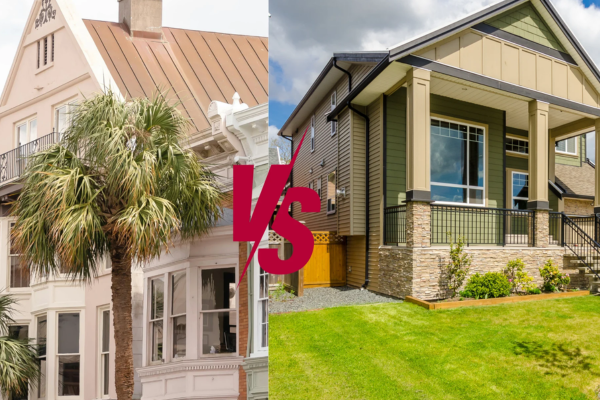
Historic Homes vs. New Builds: Which is Right for You?

When searching for your dream home in the Lowcountry, one of the biggest decisions you’ll face is choosing between a historic home and a new build. Each option has its own unique appeal, but the right choice depends on your lifestyle, budget, and personal preferences. Let’s explore the pros and cons of both to help you decide which is the best fit for you. The Charm of Historic Homes The Lowcountry is rich in history, and its historic homes are full of character and timeless beauty. These properties often feature: •    Architectural Details – From intricate moldings to grand porches and fireplaces, historic homes boast craftsmanship that is hard to find in modern builds.•    Established Neighborhoods – Many historic homes are located in well-established areas with mature trees, cobblestone streets, and a true sense of community.•    Investment Potential – With proper maintenance and restoration, historic homes can appreciate in value and offer a unique place in the real estate market. Considerations •    Older homes may require ongoing maintenance and upgrades to meet modern living standards.•    Renovations may be limited due to historical preservation regulations.•    Energy efficiency may be lower compared to newer homes.   The Benefits of New Builds New construction homes offer modern amenities, energy efficiency, and minimal maintenance. Here’s what makes them a great option: •    Customizable Features – Many new builds allow buyers to choose finishes, layouts, and design elements to match their tastes.•    Energy Efficiency – Built with the latest materials and technology, new homes often have lower utility costs and environmentally friendly features.•    Lower Maintenance – With brand-new plumbing, electrical, and roofing, you can enjoy a worry-free home without immediate repairs. Considerations: •    New builds in planned communities may have HOA fees and restrictions.•    Some areas may lack the charm and character of historic neighborhoods.•    Depending on the location, new builds may be farther from city centers and historic districts.     Which One Is Right for You? If you love history, unique architecture, and a home with a story to tell, a historic home might be your perfect match. However, if you prefer a move-in-ready home with modern conveniences, a new build could be the better option. Ultimately, your choice should align with your lifestyle, budget, and long-term goals.   Let Us Help You Find Your Dream Home Whether you’re drawn to the charm of a historic home or the convenience of a new build, we’re here to guide you through the process. Contact Lowcountry Charmed today for expert real estate advice and local market insights. 📞 Call Now:  843-790-4522   | 📧 Email Us: info@lowcountrycharmed.com📩 Stay Connected & Informed Follow us on social media for daily updates, home inspiration, and real estate tips.  

Historic Homes vs. New Builds: Which is Right for You? Read More »

Top 5 Signs Your Home Needs Immediate Attention!

Top 5 Signs Your Home Needs Immediate Attention!  Don’t Ignore These Red Flags—Protect Your Investment and Peace of Mind Your home is likely one of the biggest investments you’ll ever make, and keeping it in good condition is essential for your comfort, safety, and financial well-being. While some issues may seem minor at first glance, they can quickly escalate into expensive repairs if not addressed promptly. If you’ve noticed anything unusual around the house lately, it might be time to pay closer attention. Here are the Top 5 Signs your home needs immediate attention—and what you should do next. 1. Leaking Roof Water stains on ceilings or walls Mold or mildew smell in the attic Missing, cracked, or curling shingles Dripping sounds during rainstorms A leaking roof is more than just a nuisance—it can lead to mold growth, wood rot, insulation damage, and even electrical hazards. If you notice discoloration on your ceilings or walls, or if your attic smells musty, your roof may be compromised. Ignoring the problem can lead to costly repairs or even the need for a full roof replacement. What to Do: Schedule a professional roof inspection as soon as possible. Temporary tarping can help prevent further water damage until repairs are made. 2. Plumbing Problems Warning Signs: Dripping faucets or running toilets Low water pressure Water pooling under sinks Unusual noises in the pipes Spike in your water bill Small leaks can become big headaches. Beyond wasting water, unchecked plumbing issues can cause water damage, promote mold growth, and lead to structural deterioration over time. A seemingly minor drip might be masking a larger issue in your pipes or water line. What to Do: Call a licensed plumber to inspect your system. Fixing small leaks now can prevent major pipe bursts or water damage in the future. 3. Electrical Malfunctions Warning Signs: Flickering or dimming lights Frequently tripped breakers or blown fuses Hot outlets or switches Buzzing sounds from electrical panels Outlets that don’t work Electrical issues are not only inconvenient—they can be dangerous. Faulty wiring or overloaded circuits can lead to electrical fires, which is why these symptoms should never be ignored. What to Do: Hire a licensed electrician to assess your home’s electrical system. Updating old wiring or circuits can greatly improve both safety and efficiency. 4. Pest Infestation Warning Signs: Droppings or chewed materials around the home Scratching sounds in the walls or attic Nests in hidden areas (like behind appliances or in the garage) Sudden increase in bugs, rodents, or other critters Pests like termites, rodents, and ants can cause extensive damage to your home’s structure and insulation. They can also pose health risks, especially if they get into your pantry or HVAC system. What to Do: Contact a pest control professional to inspect and treat the problem. Seal up entry points and maintain regular pest control to prevent future infestations. 5. Cracked Walls or Foundation Warning Signs: Cracks in drywall, especially around windows or doors Uneven or sloping floors Gaps between walls and ceilings Water pooling near the foundation Structural problems are some of the most serious issues a homeowner can face. Cracks in the foundation or walls may signal shifting soil, water damage, or deeper construction problems. Left unchecked, these can threaten the entire integrity of your home. What to Do: Consult a foundation or structural specialist. They can determine the cause of the issue and recommend solutions like underpinning or waterproofing. Final Thoughts: Stay Proactive, Stay Safe Your home “talks” to you—it’s up to you to listen. By catching these warning signs early, you can avoid major headaches and expenses down the road. Regular maintenance and inspections can go a long way in preserving the value, safety, and comfort of your home. If you’ve noticed any of the red flags above, don’t wait. Reach out to trusted local contractors, home inspectors, or specialists to get things back on track. Your future self—and your wallet—will thank you.  

Top 5 Signs Your Home Needs Immediate Attention! Read More »

Embrace the Summer Vibes: Essential Homeownership Tips for June

June marks the official start of summer—longer days, warmer nights, and more time spent enjoying your home both inside and out. It’s also a great time to give your property the TLC it deserves. Whether you’re planning to entertain guests, head out on vacation, or simply enjoy a quiet summer at home, these June homeownership tips will help you keep your property in top shape and stress-free all season long. Check out our sister company Holy City Home Watch that can help out while you are away! 1. Inspect and Maintain Your Cooling System The last thing you want during a Lowcountry summer is for your AC to stop working. Make sure your air conditioning unit is clean and functioning efficiently. Replace filters monthly, check for leaks or strange noises, and consider scheduling a professional HVAC tune-up to ensure you stay cool and comfortable all summer. 2. Check for Pest Activity Warm weather brings out all sorts of pests—mosquitoes, ants, termites, and more. Do a thorough inspection around your home, seal any cracks or entry points, and consider using natural repellents or calling pest control if needed. Pay special attention to areas near water and food sources. 3. Get Your Outdoor Spaces Ready June is prime time for outdoor living. Power wash patios, decks, and siding. Clean outdoor furniture, check for wear and tear, and refresh your landscaping with mulch, new plants, or lighting. A cozy outdoor setup makes your home perfect for entertaining or relaxing with family. 4. Clean Your Gutters and Downspouts Summer storms can hit hard, and clogged gutters can lead to water damage. Take the time to clean out debris and make sure your downspouts direct water away from your foundation. This small step can prevent major issues later on. 5. Test Smoke and Carbon Monoxide Detectors With increased grilling, fire pit use, and maybe even fireworks, it’s crucial to test all smoke and carbon monoxide detectors. Replace batteries and make sure units are in working condition for the safety of everyone in your home. 6. Evaluate Home Security Before Vacation Planning a summer getaway? Don’t forget to secure your home. Make sure all doors and windows lock properly, set up motion-sensor lights, and consider smart home tech like video doorbells or automated timers for lights. You might also want to have a trusted neighbor or professional home watch service keep an eye on things while you’re away. 7. Touch Up Paint and Seal Wood Surfaces Warm, dry weather makes June a great time for small painting projects. Refresh exterior trim, doors, or fences. If you have wooden decks or outdoor furniture, reseal them to protect against humidity and UV damage. 8. Service Your Lawn Equipment You’ll likely be mowing more often in June. Make sure your lawnmower and garden tools are clean and working properly. Sharpen blades, check oil levels, and stock up on fuel. A well-maintained mower makes yard work more efficient—and less frustrating. 9. Create a Summer Emergency Kit Storms can roll in quickly during summer months. Assemble an emergency kit with flashlights, batteries, bottled water, non-perishable snacks, and a basic first aid kit. It’s better to be prepared than caught off guard. 10. Declutter and Donate With kids out of school and more activity happening at home, June is a great month to declutter. Clear out closets, storage bins, and garage spaces. Donate gently used items and make space for the memories you’ll make this summer. June is all about balance—between work and play, rest and activity, indoors and out. A bit of proactive maintenance now can help you avoid costly repairs later and allow you to enjoy everything the season has to offer. By taking these simple steps, you’ll create a safe, comfortable, and beautiful environment for your family and guests. Ready to enjoy a worry-free summer? Whether you need help managing your property, preparing your home for vacation, or maintaining your investment, Lowcountry Charmed is here to help you every step of the way. Schedule a Free Consultation      

Embrace the Summer Vibes: Essential Homeownership Tips for June Read More »

Staging Tips for a Quick Sale in North Charleston, SC

Selling a home in North Charleston, SC, requires strategic planning and execution to ensure a quick and successful sale. Staging your home effectively is one of the most impactful ways to attract potential buyers and make a lasting impression. North Charleston, with its charming neighborhoods and vibrant community, offers a unique backdrop for showcasing your property. By focusing on key staging techniques, you can enhance your home’s appeal and expedite the selling process. Enhance Curb Appeal First impressions matter, and the exterior of your home is the first thing potential buyers will see. In North Charleston, where the weather is generally mild, maintaining a well-kept lawn and garden is crucial. Trim hedges, mow the lawn, and plant seasonal flowers to add a pop of color. Consider repainting the front door and updating outdoor lighting fixtures for a fresh look. A welcoming entryway sets the tone for the rest of the home and can entice buyers to explore further. Declutter and Depersonalize Inside the home, decluttering is essential to create a clean and spacious environment. Remove personal items such as family photos and memorabilia to allow buyers to envision themselves living in the space. In North Charleston, where homes often have unique architectural features, highlighting these elements without distraction is key. Organize closets and storage areas to showcase ample space, a feature many buyers prioritize. Neutralize Color Schemes Neutral color palettes appeal to a broader range of buyers, making it easier for them to imagine their own furnishings in the space. Consider repainting walls in soft, neutral tones like beige, gray, or off-white. In North Charleston, where natural light is abundant, these colors can enhance brightness and create a warm, inviting atmosphere. Neutral decor also complements the coastal vibe of the area, aligning with local buyer preferences. Highlight Key Features Every home has unique features that set it apart. In North Charleston, this might include a spacious porch, a cozy fireplace, or original hardwood floors. Emphasize these elements by arranging furniture to draw attention to them. For instance, place seating around the fireplace or add comfortable chairs to the porch to showcase outdoor living potential. Highlighting these features can make your home more memorable to buyers. Optimize Furniture Arrangement Proper furniture arrangement can make rooms appear larger and more functional. In North Charleston, where homes vary in size and layout, it’s important to create a flow that feels natural. Arrange furniture to facilitate easy movement and conversation. Remove any oversized or unnecessary pieces that might make a room feel cramped. This approach not only enhances the visual appeal but also helps buyers see the potential of each space. Enhance Lighting Good lighting can transform a home, making it feel more open and inviting. In North Charleston, where natural light is plentiful, maximize this advantage by keeping windows clean and using sheer curtains. Add lamps and fixtures in darker areas to brighten the space. Consider installing dimmer switches to allow for adjustable lighting, creating a cozy ambiance during evening showings. Effective lighting can highlight your home’s best features and create a welcoming environment. Add Inviting Scents A pleasant scent can leave a lasting impression on potential buyers. In North Charleston, where the coastal air is fresh, complement this with subtle indoor fragrances. Use candles, essential oil diffusers, or freshly baked cookies to create an inviting aroma. Avoid overpowering scents, as they can be off-putting. A clean, fresh scent can enhance the overall experience and make your home more appealing. Stage Outdoor Spaces Outdoor living is a significant draw for buyers in North Charleston. Stage patios, decks, and gardens to showcase their potential as extensions of the living space. Arrange outdoor furniture to create inviting seating areas, add potted plants for greenery, and ensure the area is clean and well-maintained. Highlighting outdoor spaces can appeal to buyers looking to enjoy the pleasant climate and natural beauty of the area. Incorporate Local Elements Incorporating elements that reflect the charm of North Charleston can resonate with buyers. Use coastal-inspired decor, such as seashells, driftwood, or nautical-themed accents, to create a connection with the local environment. These touches can enhance the overall aesthetic and appeal to buyers who appreciate the unique character of the area. Work with a Professional Stager For those seeking expert guidance, working with a professional stager can be a valuable investment. In North Charleston, experienced stagers understand the local market and buyer preferences, offering tailored advice to maximize your home’s appeal. They can provide insights into current trends and suggest specific changes to enhance your property’s attractiveness. A professional stager can help you present your home in the best possible light, increasing the likelihood of a quick sale. Ready to Stage Your Home for Success? By following these staging tips, you can make your North Charleston home more appealing to potential buyers and ensure a quicker sale. Remember, a well-staged home not only looks inviting but also helps buyers envision themselves living there. If you’re ready to take the next step and need professional assistance, Lowcountry Charmed LLC is here to help. Contact them today to transform your home into a buyer’s dream!

Staging Tips for a Quick Sale in North Charleston, SC Read More »

Creative Ceiling Designs for Home Improvement

When it comes to home improvement, most homeowners focus on new floors, fresh paint, or updated furniture. But there’s one area that often gets overlooked—the ceiling. Known as the “fifth wall,” your ceiling has the power to transform a space from simple to stunning. If you’re planning a home upgrade, here are some creative ceiling designs that can add beauty, depth, and personality to your rooms. 1. Coffered Ceilings for Elegance Coffered ceilings, with their grid-like recessed panels, create a luxurious and timeless look. They add depth and are especially popular in formal living rooms, dining areas, or entryways.   2. Tray Ceilings for Height & Drama Tray ceilings feature a recessed center that draws the eye upward, making the room appear larger. They’re perfect for bedrooms and formal spaces where you want an elegant touch.   3. Exposed Beams for Character Wooden or metal beams add rustic charm and architectural interest. Whether you leave them raw for a farmhouse vibe or paint them bold for modern flair, exposed beams instantly elevate a space.   4. Painted Ceilings for Bold Statements Instead of sticking with plain white, try painting your ceiling a contrasting color. Soft pastels bring warmth, while dark hues like navy or charcoal create drama and coziness.   5. Wallpaper & Patterns for Fun Flair Wallpaper isn’t just for walls. Add texture, patterns, or even metallic finishes to the ceiling for a playful, unexpected design element—great for kids’ rooms, offices, or creative spaces.   6. Wood Paneling for Warmth From shiplap to reclaimed wood planks, wooden ceilings bring natural warmth and a cozy, welcoming atmosphere to living spaces.   7. Skylights & Lighting Features Transform your ceiling into a design focal point with skylights or layered lighting. Natural light creates an airy feel, while recessed or statement fixtures highlight the room’s best features. Updating your ceiling isn’t just about style—it’s about redefining how your home feels. With the right design, you can add dimension, warmth, and personality to any room.   Ready to Find a Home You’ll Love Designing?📞 (843) 790-4522📧 info@lowcountrycharmed.com🌐 www.lowcountrycharmed.com    

Creative Ceiling Designs for Home Improvement Read More »

Mixing Salt Air & Sophistication: Modern Coastal Design Trends for the 2025 Homeowner

There’s something timeless about the way the ocean inspires us — from the gentle rhythm of the waves to the sunlit calm of a sea breeze through open windows. In 2025, coastal design is evolving into something beautifully balanced: a blend of laid-back seaside charm and elevated sophistication. Forget the overdone beach motifs and seashell overload — this year’s modern coastal style is all about refined relaxation, organic textures, and intentional design that feels like a breath of fresh air. 1. A New Take on Coastal Color The classic palette of whites and blues still reigns, but with deeper depth and modern accents. Think misty grays, sea-glass greens, warm sand tones, and hints of navy or charcoal for contrast. These hues create a calm, grounded space that feels coastal without shouting it. Pairing soft neutrals with natural textures like jute, linen, and rattan adds warmth and movement — evoking that sun-drenched, breezy feeling all year long. Design tip: Try layering different shades of white and cream for dimension, and add color subtly through art, ceramics, or throw pillows.  2. Natural Materials Take Center Stage In 2025, coastal homes are celebrating sustainability and craftsmanship. The trend leans toward materials that feel real and rooted in nature — think weathered wood, woven fibers, stone, and reclaimed accents. You’ll also see more handcrafted décor and artisan-made pieces that tell a story, replacing mass-produced beach trinkets. This not only adds authenticity but also keeps your coastal space timeless. Try this: Mix seagrass lighting, clay vases, and raw-edge wood furniture for a grounded coastal aesthetic that feels both fresh and sophisticated.  3. Coastal Calm Meets Modern Minimalism The new coastal home isn’t cluttered with nautical décor — it’s peaceful, purposeful, and thoughtfully curated. Clean lines, open layouts, and soft lighting create a spa-like serenity that complements the natural beauty outside your windows. Think less anchor décor, more architectural flow. Large windows, sheer curtains, and indoor-outdoor spaces blur the line between home and horizon. Pro tip: Choose fewer, high-quality statement pieces — a driftwood coffee table, a woven pendant light, or a linen slipcovered sofa — instead of multiple small decorations. 4. Ocean-Inspired Luxury Modern coastal design isn’t afraid to shine. Subtle luxury elements like brushed brass fixtures, marble countertops, or soft boucle fabrics elevate the space without losing its casual vibe. For the 2025 homeowner, the key is balance — combining polished finishes with organic materials for that “effortlessly elegant” look. Design idea: Pair a neutral living room with a statement ocean-hued velvet armchair or metallic coastal artwork for just the right touch of glam.  5. Sustainable Serenity Coastal living has always been about a connection to nature, and 2025 is bringing eco-conscious design to the forefront. Homeowners are embracing: •    Energy-efficient windows and materials•    Sustainable wood and bamboo flooring•    Locally made décor to reduce environmental impact The goal? A space that not only looks beautiful but also supports a lifestyle of mindful living and environmental harmony.Simple swap: Replace synthetic décor with organic cotton textiles, recycled glass vases, and LED ambient lighting. Today’s coastal home isn’t just a style — it’s a feeling. It’s where sunlight meets simplicity, texture meets tranquility, and the ocean meets elegance. Whether you’re redesigning your beach house or bringing coastal charm to an urban space, these trends will help you create a haven that feels like an escape every day. Bring a touch of Lowcountry charm into your home this year.For more design inspiration, home improvement ideas, and real estate insights, follow Lowcountry Charmed for tips that blend comfort, beauty, and timeless style. 🌐 www.lowcountrycharmed.com📞 843-790-4522✉️ info@lowcountrycharmed.com    

Mixing Salt Air & Sophistication: Modern Coastal Design Trends for the 2025 Homeowner Read More »

The Rise of the Financially Cautious Buyer: Smaller Mortgages, Bigger Down Payments

Today’s homebuyers are approaching the market differently than they did just a few years ago. Rather than stretching budgets to the limit, many are choosing a more conservative path—smaller mortgages, larger down payments, and long-term financial stability over short-term excitement. This shift is reshaping buying behavior, negotiations, and even which homes stand out most. Why Buyers Are Becoming More Financially Cautious Several factors are influencing this mindset: Higher interest rates have increased monthly payment awareness Economic uncertainty has encouraged careful planning Buyers are prioritizing savings, flexibility, and future security Instead of asking, “What’s the maximum I can afford?” many buyers are now asking, “What feels comfortable over time?” Bigger Down Payments, Lower Monthly Stress Larger down payments are helping buyers: Reduce monthly mortgage payments Offset higher interest rates Avoid or minimize private mortgage insurance (PMI) Build instant equity For many, peace of mind is becoming just as important as square footage or upgrades. Smaller Mortgages Are Driving Smarter Home Choices This cautious approach is leading buyers to: Choose slightly smaller homes Focus on functionality rather than excess space Prioritize well-maintained properties over fixer-uppers Look for homes with lower ongoing costs Efficiency and long-term affordability are now major decision drivers. What This Means for Sellers​ Homes that appeal to financially cautious buyers tend to: Be priced realistically Show clear value for the money Highlight energy efficiency and maintenance history Feel move-in ready without major future expenses Buyers are scrutinizing condition, not just aesthetics. Negotiations Are Becoming More Strategic With careful budgeting top of mind, buyers are: Less likely to waive inspections More focused on credits or repairs Selective about concessions Deals are still happening—but they’re grounded in thoughtful analysis rather than urgency. A Healthier Market Mindset While this shift may feel slower-paced, it’s creating: More informed buyers More stable homeownership Fewer regret-driven purchases In many ways, this financial caution is leading to smarter, more sustainable decisions for everyone involved. Navigating Today’s Market with Confidence Whether you’re buying, selling, or simply watching the market, understanding buyer behavior is key. A thoughtful strategy—rooted in realistic expectations and long-term goals—makes all the difference. 📞 (843) 790-4522📧 info@lowcountrycharmed.com🌐 www.lowcountrycharmed.com

The Rise of the Financially Cautious Buyer: Smaller Mortgages, Bigger Down Payments Read More »